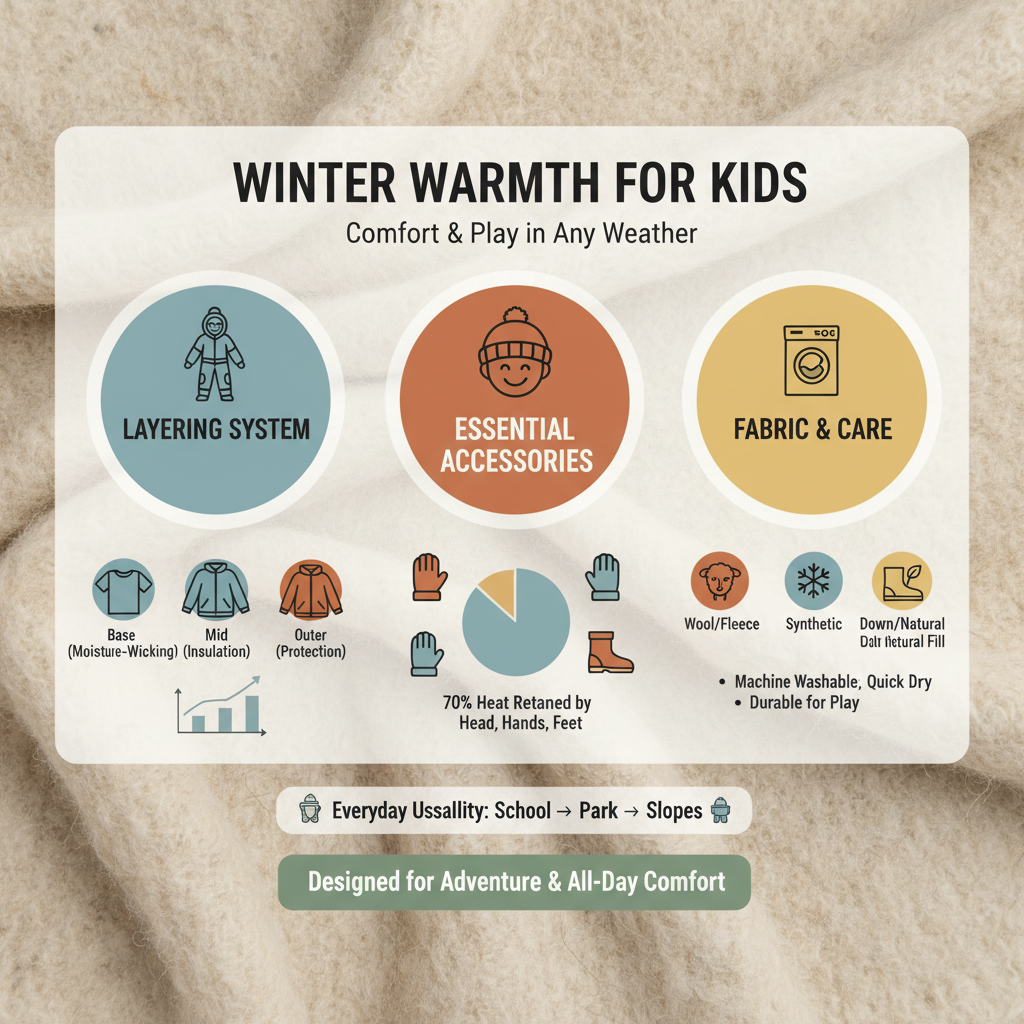
The global apparel landscape is shifting toward a seamless blend of functionality and style, where the demand for high-performance gear is no longer limited to professional athletes. In the current market, the concept of todays sportswear encompasses a wide range of versatile garments designed to transition effortlessly from a morning workout to a casual professional setting. As consumers prioritize comfort and durability, the industry is evolving to provide textiles that support an active lifestyle without compromising on aesthetic appeal.
From a manufacturing perspective, the rise of "athleisure" has forced a reimagining of fabric science and garment construction. The integration of synthetic fibers like polyester with advanced knitting techniques allows for the creation of hoodies and jackets that offer thermal regulation and moisture management. This evolution is driven by a global increase in health consciousness and a remote-work culture that favors flexible, comfortable clothing over rigid traditional attire.
Understanding the technical specifications of todays sportswear is essential for brands looking to capture this growing market. By focusing on precision CAD design, quality control, and the use of high-grade materials, manufacturers can produce garments that meet the rigorous demands of modern consumers. Whether it is a winter cotton polyester hoodie or a high-performance sport coat, the focus remains on balancing technical utility with commercial viability.
Global Evolution of Performance Apparel
The transition of performance clothing from niche athletic gear to mainstream fashion represents a significant shift in consumer psychology. Historically, sport-specific clothing was designed for singular purposes, such as running or swimming, but todays sportswear focuses on multi-functionality. This shift is evident in the popularity of loose-fit hoodies and high-quality sport coats that provide warmth through polyester blends while maintaining a sleek, modern silhouette.
Industry data indicates that the convergence of fashion and function is driving massive growth in the OEM (Original Equipment Manufacturer) sector. Brands are now seeking partners who can provide not just assembly, but a full-cycle design service using CAD for style development. This ensures that the final product—be it a grid mixture hoodie or a winter jacket—aligns with the ergonomic needs of the user while adhering to global fashion trends.
Core Technical Components of Modern Gear
At the heart of any high-quality garment is the synergy between fabric weight and construction. For instance, winter cotton polyester blends are engineered to provide a specific balance of insulation and breathability. A fabric weight of 270 grams to 310 grams is often the sweet spot for hoodies, ensuring the garment is heavy enough to block wind and retain heat, yet light enough to allow for a full range of motion during physical activity.
Beyond the fabric, the structural integrity of the garment depends on skilled workmanship. Professional QC (Quality Control) teams ensure that every seam is reinforced and every stitch is precise, which is critical for items like sport coats and jackets that undergo frequent stress during wear. The use of customized printing or embroidery for logos further adds a layer of commercial value, allowing brands to maintain a premium identity.
Scalability in production is another core component. By utilizing a stable production base with multiple partner factories, manufacturers can handle various order volumes—from small trial orders to massive bulk shipments—without compromising the delivery timeline. This reliability is what allows brands to stay competitive in a fast-paced retail environment where seasonal trends change rapidly.
Material Science and Fabric Selection
The selection of 100% polyester for many items in todays sportswear is a strategic choice based on the material's inherent durability and moisture-wicking properties. Polyester is highly resistant to shrinking and stretching, making it the ideal candidate for loose-fit men's jackets and hoodies that need to maintain their shape over years of use.
Integrating a grid mixture into the fabric weave is a common technique used in todays sportswear to enhance the tactile feel and visual depth of the garment. This mixture not only provides a modern aesthetic but also helps in distributing heat more evenly across the body, which is crucial for winter-wear applications like cotton polyester hoodies.
Customization extends beyond color and size to the very nature of the fabric's finish. Whether the goal is a matte look for a professional sport coat or a slight sheen for a high-energy athletic jacket, modern dyeing and finishing processes allow for total control. This level of detail ensures that the product meets the specific environmental demands of the end-user, whether they are in a cold urban climate or a high-intensity gym.
Manufacturing Efficiency and Quality Control
Efficiency in the garment industry is achieved through the integration of digital design and experienced human craftsmanship. The use of CAD (Computer-Aided Design) allows for the precise development of styles, reducing material waste and ensuring that the fit is consistent across all sizes from XS to XL. This digital precision is the foundation upon which high-efficiency production is built, enabling a sample time of just 5-7 days.
To maintain a high standard, a dual-layer QC system is often implemented, combining the manufacturer's internal quality checks with the customer's own inspection standards. Third-party inspections are frequently welcomed to ensure absolute transparency and reliability. This rigorous approach minimizes defects and ensures that every shipment of jackets, coats, or pants meets the global quality benchmarks required for export.
Performance Metrics of Production Methods for todays sportswear
Global Applications and Market Use Cases
The application of modern polyester blends extends far beyond the gym. In urban environments, the "loose men's jacket" style has become a staple for commuters who require weather resistance and comfort. These garments are increasingly used in corporate "casual Fridays" or in creative industries where the boundary between workwear and sportswear has blurred, allowing for a professional yet relaxed appearance.
In more extreme environments, such as remote industrial zones or outdoor logistical hubs, the thermal properties of 310g cotton polyester hoodies are invaluable. These items serve as essential layering pieces that protect workers from wind and cold while providing the flexibility needed for physical labor. This versatility demonstrates how high-quality sport coats can bridge the gap between fashion and industrial utility.
Strategic Advantages of Professional OEM Services
For global brands, partnering with a manufacturer with over 20 years of experience provides a critical competitive edge. The ability to offer full OEM and ODM services means that a brand can bring a concept from a sketch to a finished product without needing to manage the complexities of the supply chain. With access to over 30 reliable fabric suppliers, the manufacturer ensures that only high-quality materials are used, reducing the risk of product recalls.
Furthermore, the flexibility of MOQ (Minimum Order Quantity) allows new brands to enter the market with trial orders. This lowers the barrier to entry, allowing businesses to test the quality of workmanship and fabric performance before committing to large-scale production. Such a partnership transforms the manufacturer from a simple vendor into a strategic growth partner.
The logistics infrastructure—offering express, sea, or air shipping—ensures that the time-to-market is minimized. In an era where "fast fashion" is being replaced by "quality fashion," the ability to deliver high-standard garments within a 60-day window upon order confirmation is a significant operational advantage for any international clothing retailer.
Future Trends in Sustainable Sportswear
The future of the apparel industry is leaning heavily toward circularity and sustainability. We are seeing a move toward recycled polyester and organic cotton blends to reduce the environmental footprint of production. The integration of digital transformation, such as 3D sampling, is further reducing the need for physical prototypes, thereby cutting down on waste and shipping emissions during the design phase.
Automation in cutting and sewing is also set to increase, allowing for even greater precision in fit and a reduction in fabric scrap. However, the "human touch" of skilled workers remains irreplaceable for high-end finishes and complex embroidery, ensuring that the luxury feel of a sport coat is preserved even as the production process becomes more automated.
As the market evolves, the focus will shift toward "smart fabrics" that can adapt to temperature changes or monitor health metrics. The foundation for these innovations lies in the current ability to manipulate synthetic fibers, paving the way for a new generation of gear that is not only comfortable but actively beneficial to the wearer's well-being.
Analysis of Technical Specifications for Modern Performance Hoodies
| Material Component |
Performance Metric |
Application Suitability |
Durability Score (1-10) |
| 100% Polyester |
Moisture Wicking |
High-Intensity Sport |
9 |
| Cotton-Polyester Blend |
Thermal Insulation |
Winter Casual Wear |
8 |
| Grid Mixture Fabric |
Breathability |
Active Lifestyle |
7 |
| Heavyweight (310g) |
Wind Resistance |
Cold Climate Outerwear |
10 |
| Mid-weight (270g) |
Flexibility |
All-Season Layering |
8 |
| Customized Embroidery |
Brand Aesthetics |
Commercial Branding |
9 |
FAQS
Yes, while our standard MOQ depends on the specific material, workmanship, and production capacity, we are open to negotiation. For brands looking to test the market or check our quality, we offer trial orders to ensure the final product meets your specifications before moving to full-scale production.
Absolutely. We provide comprehensive OEM services globally. From initial style design using CAD to fabric sourcing from our network of 30+ suppliers and final quality control, we handle the entire manufacturing process to bring your brand's vision to life.
Generally, the delivery time is approximately 60 days upon confirmation of the order. However, this can vary based on the complexity of the design and the chosen shipping method (Express, Sea, or Air). We utilize a stable production base to ensure timely delivery for all our clients.
Yes, we have a professional design team capable of creating products based on your specific requirements. By providing us with your ideas or reference styles, we can develop a complete design and provide a sample within 5-7 days.
Quality is ensured through a multi-step process: we source from trusted suppliers, employ a professional internal QC team for constant monitoring, and welcome Third-Party Inspections. This ensures that parameters like fabric weight (270g-310g) and color consistency are strictly maintained.
We offer two primary methods for logo application: high-precision customized printing and professional embroidery. Depending on the fabric type and the desired look of your garment, our team can recommend the best method to ensure the logo is durable and visually striking.
Conclusion
The modern apparel industry has evolved into a sophisticated ecosystem where technical precision meets commercial fashion. By leveraging advanced materials like cotton polyester blends and utilizing digital tools like CAD, manufacturers can now produce gear that satisfies the rigorous demands of the contemporary active lifestyle. The synergy of experienced workmanship, strict quality control, and flexible OEM services ensures that high-performance clothing is accessible, durable, and stylish.
Looking forward, the continued integration of sustainable materials and automated production will further refine the value proposition of performance wear. For brands and businesses aiming to lead in this space, prioritizing a partnership with an experienced manufacturer is the most effective way to ensure quality and scalability. To explore our professional garment production services and high-quality products, visit our website: www.softshell-clothing.com.