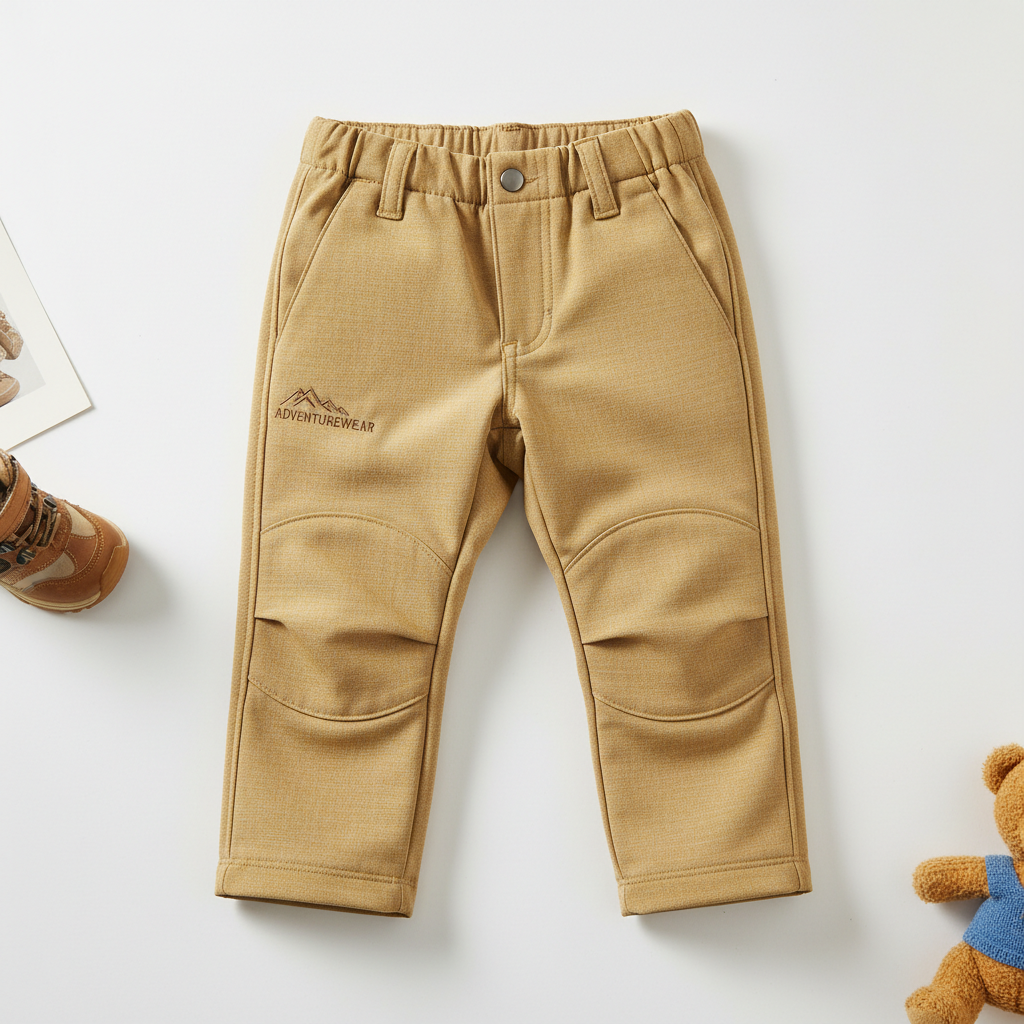
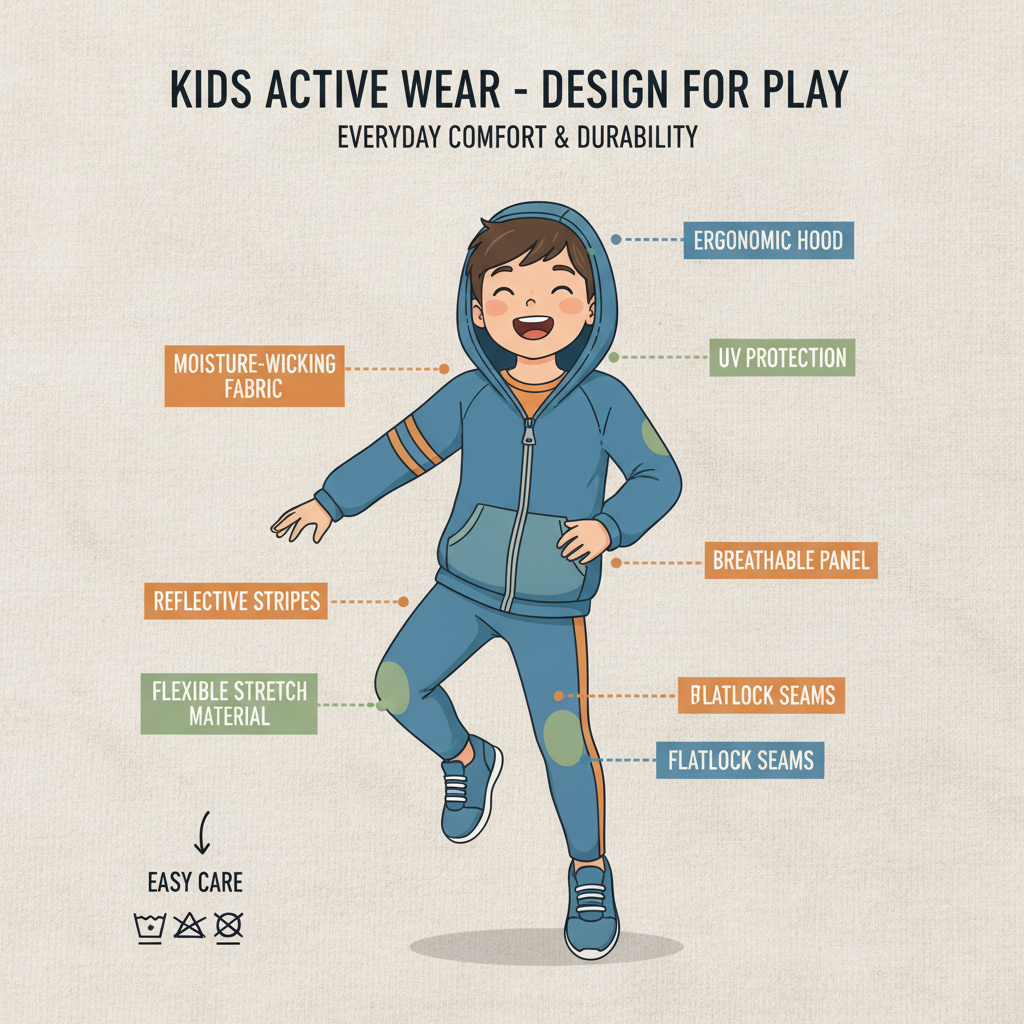
The global demand for high-performance children's apparel has surged as parents increasingly seek garments that balance durability with comfort. In the competitive landscape of athletic and casual wear, the concept of takedown sportswear represents a shift toward versatile, rugged designs that can withstand the high-energy activities of active children while maintaining a polished aesthetic.
Modern manufacturing in the textile industry now leverages advanced materials to solve the perennial conflict between flexibility and wear-resistance. By integrating specialized fabrics like heavy-duty corduroy and reflective elements, brands are creating outer apparel that serves as both a protective layer and a fashion statement, ensuring children remain safe and comfortable across diverse environments.
Whether for school, outdoor exploration, or structured physical activities, investing in high-quality takedown sportswear ensures that garments do not fail under pressure. By focusing on precision engineering—such as elasticated waistbands and reinforced seams—manufacturers are setting new standards for kids' sport garments.
Material Composition of Takedown Sportswear
The foundation of durable takedown sportswear lies in the selection of raw materials that can withstand abrasion and frequent washing. For kids' corduroy pants, the use of 100% Polyester Corduroy fabric with a substantial weight of 200gsm provides a thick, protective barrier that is far more resilient than standard cotton blends.
This material choice is critical for garments designed for active use, as it prevents premature thinning in high-friction areas like the knees and seat. By utilizing synthetic polyester, the fabric retains its shape and color longer, ensuring that the garment remains functional and visually appealing throughout a child's growth cycle.
Ergonomic Design and Functional Fit
To achieve a true "takedown" level of performance, children's sport garments must allow for an unrestricted range of motion. This is achieved through a full elasticated waist paired with an inner drawing cord, allowing for a customizable fit that accommodates various body types and growth spurts without sacrificing security during intense movement.
Further enhancing the utility are the side pockets equipped with color-coordinated zippers, ensuring that small essentials are kept secure regardless of the activity level. The addition of rib fabric at the leg openings prevents the pants from dragging, reducing wear and tear while providing a streamlined silhouette that doesn't interfere with footwear.
Precision in sizing is the final pillar of ergonomic design. By offering a comprehensive size range from #98 to #128, with detailed specifications for hip measurement, crotch width, and waist stretch, manufacturers ensure that the garment supports the child's natural movement rather than restricting it.
Safety Integration in Modern Sport Apparel
Visibility is a paramount concern in the design of takedown sportswear, especially for children who may be active in low-light environments. The integration of reflective printing on the thigh is not merely an aesthetic choice but a critical safety feature that increases the visibility of the wearer to motorists and supervisors.
By placing reflective elements strategically on the lower limbs, the garment ensures that movement is detectable from various angles. This approach to safety in takedown sportswear aligns with international safety standards for children's outdoor apparel, reducing the risk of accidents during evening sports or winter commutes.
Beyond visibility, the physical integrity of the garment contributes to overall safety. The use of reinforced stitching and high-gsm fabrics ensures that the clothing does not rip easily during falls or scrapes, providing a layer of protection between the child's skin and the rough outdoor environment.
Manufacturing Efficiency and Customization
The scalability of high-quality garment production depends on a robust supply chain and flexible manufacturing capabilities. For companies specializing in takedown sportswear, the ability to offer both OEM (Original Equipment Manufacturer) and ODM (Original Design Manufacturer) services allows clients to customize every detail, from fabric weight to specific reflective placements.
Utilizing a network of one owned factory and five partner factories ensures that production capacity can scale to meet large international orders while maintaining a consistent level of quality. This decentralized yet controlled production model allows for rapid prototyping and a faster time-to-market for new seasonal collections.
Performance Metrics of Takedown Sportswear Variations
Global Application Scenarios for Kids Wear
The application of takedown sportswear extends far beyond professional athletics. In urban environments, these garments serve as daily-wear staples that can transition from a classroom setting to a playground without needing a change of clothes, thanks to the blend of corduroy's smart look and the functionality of sports gear.
In more rugged climates or remote industrial zones where children accompany parents or attend outdoor-focused schools, the 200gsm polyester weight provides essential thermal regulation and wind resistance. This makes the apparel an ideal choice for international markets ranging from the cool climates of Northern Europe to the variable weather of East Asia.
Quality Control in Textile Exporting
Maintaining a reputation in the global export market requires a rigorous approach to quality assurance. For garments categorized as takedown sportswear, the QC process begins with the sourcing of materials from over 30 vetted suppliers, ensuring that only the highest grade of polyester and accessories are utilized.
A dual-layer inspection system is typically employed, where the manufacturer's internal QC team performs initial checks, followed by the customer's own QC team. To further guarantee transparency and adherence to international standards, third-party inspections are welcomed, ensuring that every stitch and zipper meets the required specifications.
This commitment to quality is backed by over 20 years of experience in garment production. By focusing on the minutiae—such as the 3.8cm height of the waistband and the precision of the hem width—the production process eliminates defects before the product ever reaches the shipping container.
Future Innovations in Children's Outerwear
The future of takedown sportswear is moving toward "smart textiles" that integrate sustainability with high performance. We are seeing a shift toward recycled polyester corduroy that reduces the environmental footprint without compromising the 200gsm durability required for active kids' wear.
Digital transformation is also playing a role in the customization process. With the advancement of 3D body scanning, the size charts—currently ranging from #98 to #128—will likely evolve into personalized fit profiles, reducing return rates for international e-commerce buyers and improving the wearer's comfort.
Additionally, the integration of nanotechnology may lead to fabrics that are not only reflective but also stain-resistant and antimicrobial. This would enhance the long-term value of the garment, making it an even more attractive investment for parents seeking longevity in their children's wardrobe.
Analysis of Takedown Sportswear Development and Specifications
| Feature Category |
Technical Specification |
Performance Impact |
Value Rating (1-10) |
| Fabric Material |
100% Polyester Corduroy |
High Abrasion Resistance |
9 |
| Fabric Weight |
200gsm |
Thermal Insulation |
8 |
| Waist System |
Elastic + Drawing Cord |
Dynamic Fit/Growth Adaptability |
10 |
| Safety Feature |
Thigh Reflective Print |
Low-light Visibility |
9 |
| Closure Type |
Color Zipper Pockets |
Secure Storage |
7 |
| Production Model |
OEM/ODM Workable |
Market Customization |
10 |
FAQS
The 200gsm weight provides a dense weave that offers superior durability and wind resistance compared to lighter fabrics. In the context of takedown sportswear, this ensures the pants can withstand the friction of active play and provide essential warmth for children in cooler climates without being overly bulky.
Yes, the manufacturer offers full OEM and ODM services. This means you can customize the design, adjust the fabric specifications, change the placement of reflective prints, or modify the color of the zippers to align with your brand's specific identity and market needs.
This combination provides a two-tier security system. The elastic ensures a comfortable, snug fit for various waist sizes, while the inner drawing cord allows for manual tightening. This prevents the garments from slipping during high-energy activities, which is a core requirement for functional takedown sportswear.
Quality is managed through a multi-stage QC process involving both internal teams and customer-led inspections. Reflective prints are tested for adhesion and luminosity to ensure they remain effective after multiple wash cycles, meeting the safety expectations for children's outer apparel.
While polyester is prized for its durability and shape retention, the corduroy texture allows for a balance of warmth and air circulation. When used in takedown sportswear designed as "outer apparel," it is intended to be worn over base layers, providing the perfect equilibrium between protection and breathability.
The size chart provides precise measurements in centimeters for side length, waist, hip, and crotch. For the best fit in takedown sportswear, we recommend measuring the child's actual dimensions and choosing a size that allows 1-2cm of ease to ensure movement is not restricted.
Conclusion
The evolution of children's outer apparel into high-performance takedown sportswear demonstrates the critical intersection of material science, ergonomic design, and safety. By utilizing 200gsm polyester corduroy, reflective technology, and flexible sizing, manufacturers are creating garments that not only survive the rigors of childhood activity but enhance the overall experience of the wearer through comfort and security.
As the industry moves toward more sustainable materials and digital customization, the importance of rigorous quality control and OEM flexibility will only grow. For brands and distributors looking to enter the premium children's wear market, focusing on these technical specifications is the key to delivering long-term value and building trust with the end consumer. Visit our website: www.softshell-clothing.com