Discount sportswear refers to high-performance athletic apparel that is made available at a reduced price point, often through direct-from-factory sourcing or seasonal clearances. Contrary to the belief that lower costs imply lower quality, modern supply chain efficiencies allow for the production of garments using advanced technical fabrics, such as bonded waterproof membranes and polar fleece, without the premium branding markup.
For procurement managers and sports distributors, the challenge lies in balancing cost-efficiency with technical specifications. In extreme weather environments, the failure of a single garment component—like a non-breathable membrane or a weak seam—can render the apparel useless. Therefore, understanding the material composition and manufacturing standards is critical when sourcing value-driven sportswear.
This guide analyzes the technical architecture of high-value sportswear, focusing on bonded fabrics and thermal regulation. By evaluating material layers and manufacturing processes, readers will learn how to identify truly high-performance discount sportswear and the key metrics required for professional-grade outdoor and athletic gear.

1Technical Foundations of Value Sportswear

High-quality discount sportswear is defined by its ability to maintain technical integrity while reducing overhead. The core of this value proposition lies in the use of standardized high-performance textiles, such as Polyester and Elastane blends, which offer the necessary stretch and durability for athletic movement. By focusing on functional design rather than luxury branding, manufacturers can provide gear that meets professional specifications.
The manufacturing process often utilizes bonded fabrics, where multiple layers are fused together to create a single, high-functioning material. This reduces the need for complex stitching in some areas, potentially lowering labor costs while increasing the garment's windproof and waterproof capabilities.
For the end user, this means accessing gear that provides essential weather protection—such as 10000mm waterproof ratings—at a fraction of the cost of legacy athletic brands. The focus shifts from the label to the actual GSM (grams per square meter) and the breathability rating of the membrane.
2The Architecture of Laminated Fleece Fabric
The effectiveness of technical sportswear depends on its layering system. A typical high-performance garment, such as professional-grade boys' high-waisted pants, utilizes a three-layer bonded construction. The outer layer usually consists of a Polyester-Elastane blend for durability and flexibility, providing the first line of defense against abrasion and wind.
The middle layer is the most critical: the TPU (Thermoplastic Polyurethane) membrane. This membrane is engineered with microscopic pores that are small enough to block liquid water droplets (waterproofing) but large enough to allow water vapor from sweat to escape (breathability). A rating of 10000mm waterproofness indicates the fabric can withstand significant water pressure before leaking.
Finally, the inner layer of Polar Fleece provides the necessary thermal insulation. This layer traps air close to the body, maintaining core temperature in cold environments. When these three layers are bonded correctly, the garment avoids the "bulk" of traditional layering while providing superior warmth and protection.
3Application Scenarios for Technical Apparel
Technical discount sportswear is designed for versatility, bridging the gap between extreme outdoor activities and daily casual wear. In outdoor adventures, such as hiking or skiing, the windproof cuffs and laminated fleece are essential for preventing heat loss and protecting the wearer from hypothermia in damp, cold conditions.
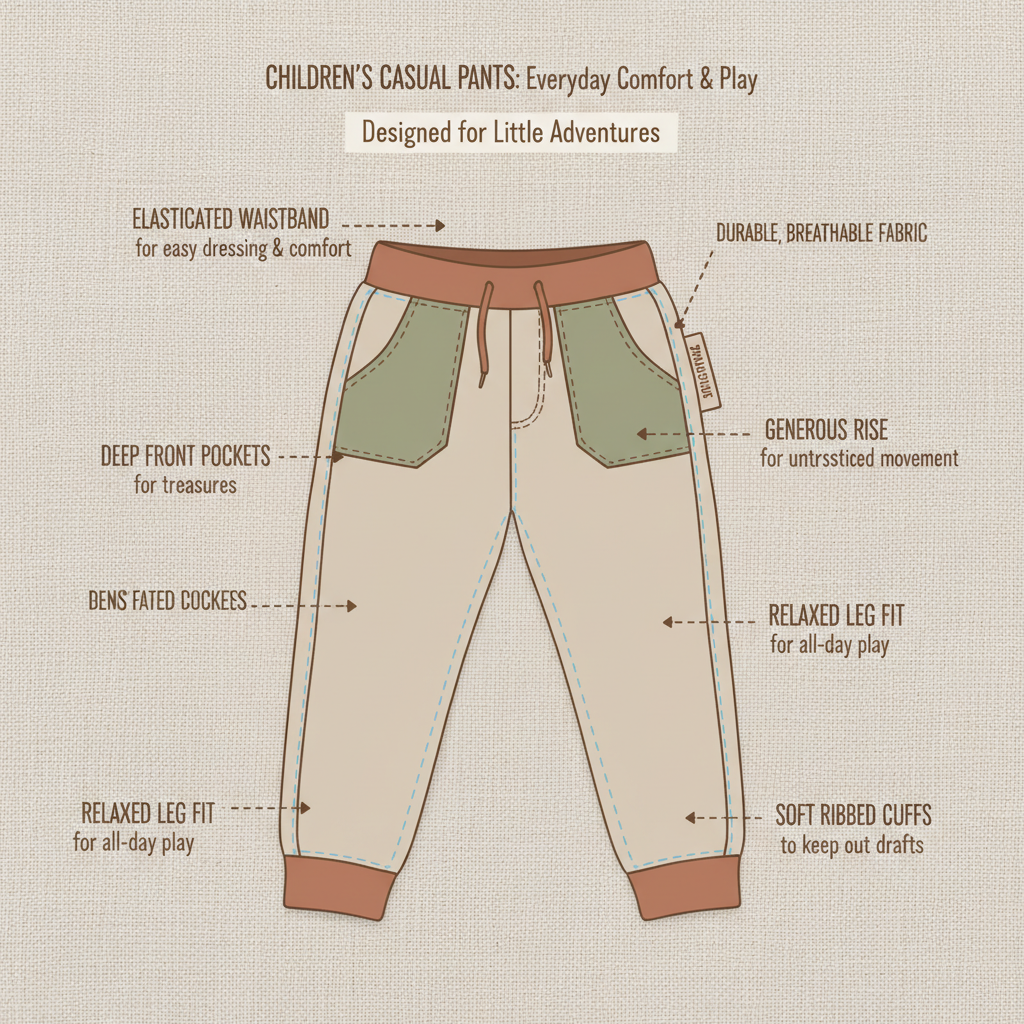
For everyday use, the focus shifts to comfort and functionality. Features like side zipper pockets provide secure storage for essentials, while the high-waisted design ensures a snug fit that prevents cold drafts from entering the garment. The use of ribbed fabrics adds a touch of style without compromising the technical utility of the piece.
In institutional settings, such as school sports uniforms or corporate outdoor gear, these garments provide a cost-effective way to ensure all participants are protected from the elements. The durability of the 250-270gsm fabric ensures that the clothing can withstand frequent washing and heavy use over multiple seasons.
4Performance Analysis: Waterproofing vs Breathability
The primary technical trade-off in sportswear is the balance between waterproofing and breathability. A garment that is 100% waterproof but has zero breathability will cause the wearer to become wet from the inside due to condensation (sweat). Professional discount sportswear aims for a "sweet spot," such as a 10000mm waterproof rating paired with a 3000mm breathability rating.
Waterproofing is measured by the hydrostatic head test, where water pressure is applied to the fabric. A 10000mm rating means the fabric can withstand a column of water 10 meters high before leaking. Breathability, on the other hand, is the measure of how many grams of water vapor can pass through a square meter of fabric in 24 hours.
discount sportswear Performance Metrics
As shown in the performance metrics, technical value-tier sportswear often outperforms generic alternatives by utilizing specialized TPU membranes. While the "Industry Average" for budget gear often neglects breathability, the integrated bonded approach ensures that the wearer remains dry both from external precipitation and internal perspiration.
5Procurement Criteria for Bulk Sportswear
When sourcing discount sportswear in bulk, procurement teams must look beyond the price tag and evaluate the supply chain. A reliable partner should possess integrated production capabilities, including owned factories and a network of vetted accessory suppliers. This vertical integration ensures that quality control is maintained from the raw fabric stage to the final stitch.
Quality control should be a multi-stage process. This includes in-house QC teams at the factory level and the option for third-party inspections before shipment. Key areas of inspection include seam sealing (to ensure water doesn't leak through the needle holes) and the integrity of the windproof cuffs.
Furthermore, the ability to handle OEM and ODM orders is crucial for brands looking to customize their gear. Whether it is specific block printing on the cuffs or custom color palettes, the flexibility of the manufacturer determines the final marketability of the product.
6Current Trends in Sustainable Athletic Textiles
The sportswear industry is shifting toward a more sustainable model. Many manufacturers are now incorporating recycled polyester (rPET) into their outer shells, reducing the reliance on virgin plastics. This trend is particularly strong in the "value" segment, where the efficiency of recycled materials can often align with cost-reduction goals.
Another significant innovation is the development of PFC-free waterproof coatings. Traditional DWR coatings often contained perfluorinated chemicals, which are persistent in the environment. New, bio-based alternatives provide similar water-repellent properties without the ecological footprint, making technical gear safer for both the user and the planet.
Finally, there is a growing demand for "multi-functional" gear. Consumers no longer want separate clothes for the gym, the trail, and the street. This has led to the rise of "Athleisure" fabrics that combine the technical performance of a ski pant with the aesthetic of casual streetwear, expanding the market for versatile discount sportswear.
7Selection Guide: Comparing Sportswear Tiers
Choosing the right tier of sportswear requires an analysis of the intended environment. While a basic polyester tracksuit is sufficient for indoor activities, outdoor winter sports demand a bonded structure. The table below compares different levels of sportswear to help buyers make an informed decision based on technical needs and budget.
It is important to note that "discount" does not have to mean "low-tier." As demonstrated, technical value sportswear often shares the same material specifications as premium gear, differing primarily in brand prestige and retail markup.
| Tier Level | Material Structure | Weather Protection | Ideal Use Case |
|---|---|---|---|
| Basic Athletic | Single Layer Polyester | Wind-resistant only | Indoor Gym / Light Jogging |
| Technical Value | 3-Layer Bonded Fabric | Waterproof (10k) / Thermal | Outdoor Adventures / Winter |
| Premium Brand | Proprietary Membranes | Extreme Waterproof / Gore-Tex | Professional Mountaineering |
| Casual Sport | Cotton-Poly Blend | Low / No Protection | Daily Wear / Lounging |
| Industrial Work | Heavy Duty Nylon/PVC | High Waterproof / Chemical | Construction / Rain Gear |
| Hybrid Athleisure | Spandex-Polyester Mix | Moderate Breathability | City Commute / Yoga |
Ultimately, the best choice is the one that matches the environmental demands. For those seeking professional-grade protection without the brand premium, technical value sportswear utilizing TPU membranes and polar fleece provides the most efficient balance of cost and performance.
Frequently Asked Questions
Conclusion
The evolution of textile technology has made professional-grade protection accessible through the discount sportswear market. By focusing on the technical architecture—specifically the 3-layer bonded construction and the balance of waterproofing and breathability—consumers and procurement teams can secure high-performance gear without unnecessary brand premiums. The key to success lies in verifying material specifications like GSM and membrane ratings.
For organizations and individuals seeking reliable, technical athletic apparel that balances cost and quality, exploring direct-from-factory solutions is the most efficient path. Those evaluating suitable technical solutions can review available product information and manufacturing capabilities at www.softshell-clothing.com.