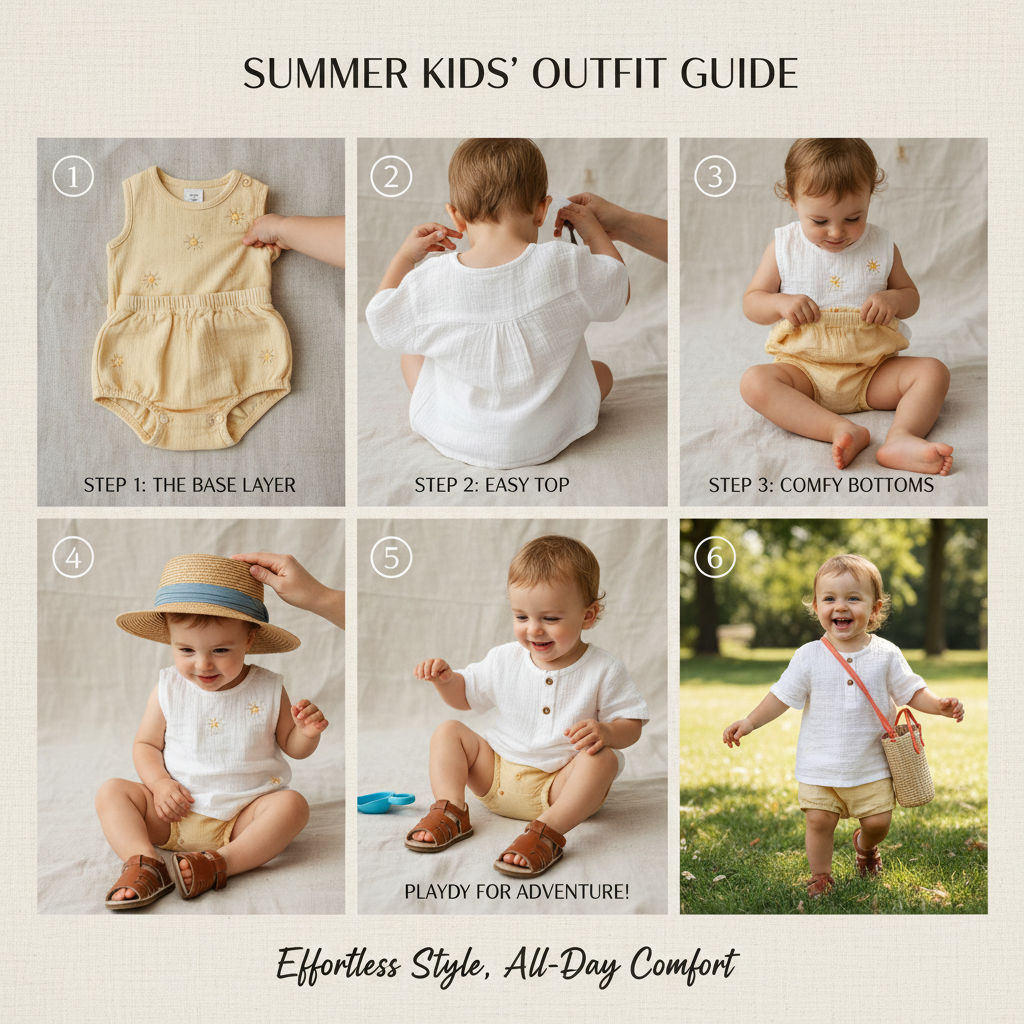
You know, these days everyone’s talking about ‘smart’ kids wear. Sounds fancy, right? But honestly, I’ve been on sites all year, and what I see is folks still mostly worried about durability and washability. All this tech… it’s cool, but if the stitching comes undone after one tumble, what’s the point? It’s a balancing act, believe me. Kids are… well, they are kids.
Have you noticed how many brands are going for this super-soft, almost silky feel? It looks nice in the showroom, but try getting that through a school day, covered in mud and paint. I saw a whole batch rejected at the factory last month – beautiful fabric, totally unsuitable. Too delicate. You need something that can actually handle being a childhood.
And the designs… oh boy. I encountered this at a factory in Dongguan last time. They were trying to make a kids’ jacket that looked exactly like an adult’s bomber jacket. Miniaturization gone wrong, I tell you. It just looked…off. Proportion is everything. Kids need clothes that fit kids, not tiny versions of grown-up stuff. Anyway, I think they eventually scrapped it.
The Latest Trends in Kids Wear
Right now, it's all about sustainability. Everyone’s shouting it from the rooftops. Organic cottons, recycled materials… which is good, don't get me wrong. But “sustainable” can also mean more expensive, and sometimes the performance isn’t there. I keep saying, you can have a recycled polyester blend, but if it pills after two washes, what have you actually gained?
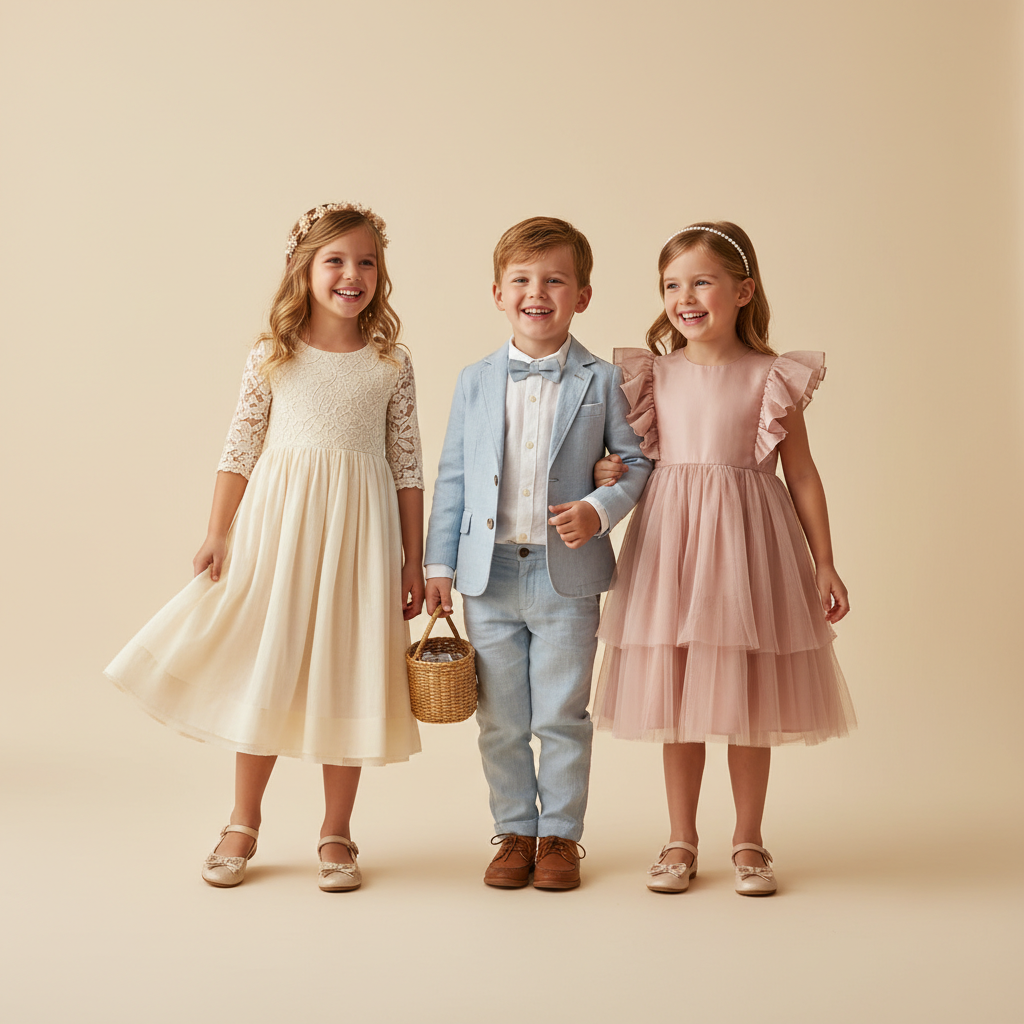
Then there’s the whole athleisure thing bleeding into kids wear. Leggings, hoodies, sneakers… it’s comfortable, sure, but I worry about kids being too comfortable all the time. They need clothes that can handle a bit of rough and tumble. Strangely, I also see a push for more ‘dressy’ clothes for younger kids – little suits and dresses. I guess parents want them looking presentable for Instagram photos.
Design Pitfalls: What to Watch Out For
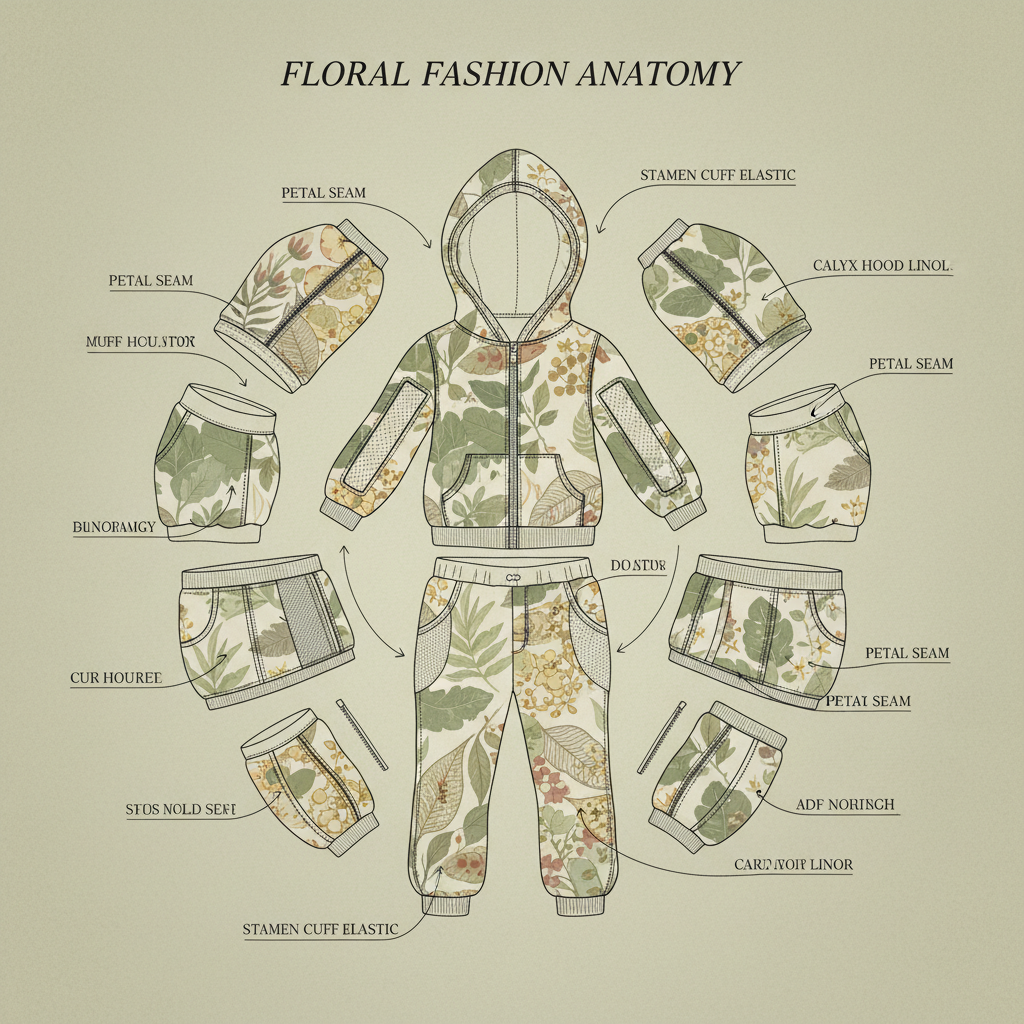
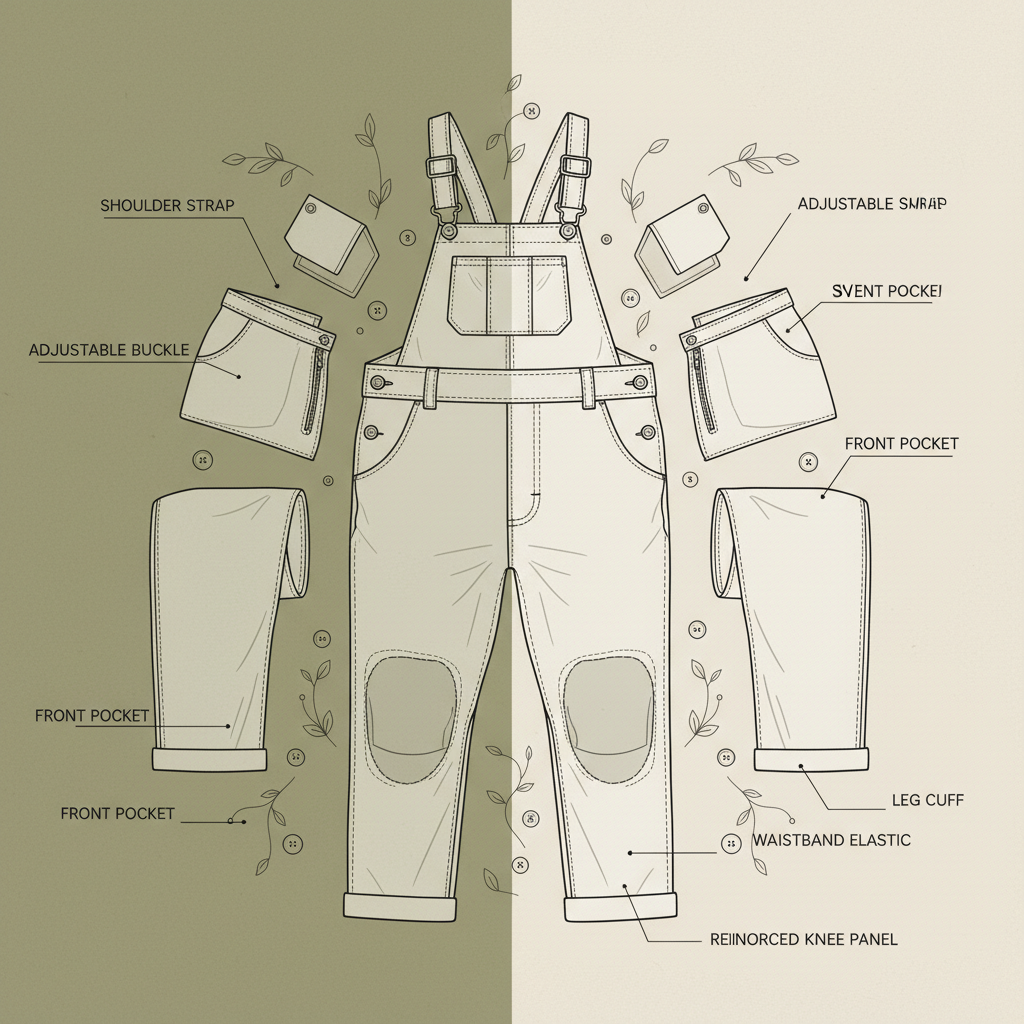
Honestly, the biggest mistake I see is overcomplicating things. Too many pockets, too many zippers, too many unnecessary embellishments. Kids don't care about that stuff. They care about whether they can run and jump and build a fort without ripping their clothes. Less is more, always.
And watch out for drawstrings. Seriously. It's a safety hazard. Everyone knows that, but you’d be surprised how many designs still slip through. It’s a detail, but it’s a big one. You also get these “fashionable” seams that look great but chafe like crazy. I got a complaint about that from a daycare center last year – little kids getting skin irritation.
The worst? Anything that restricts movement. Tight waistbands, stiff fabrics… Kids need to be able to move freely. It's not about making them look like miniature adults, it’s about letting them be kids.
Material Matters: Beyond the Label
Okay, so cotton is king, right? Not always. It's comfortable, breathable, but it shrinks, it wrinkles, and it takes forever to dry. Polyester blends are good for durability, but they can feel plasticky and don't breathe as well. The real sweet spot is finding the right blend.
I’ve been working with a lot of Tencel lately – it’s made from wood pulp, so it’s sustainable, it's incredibly soft, and it drapes beautifully. It’s a bit pricier, but the feel…it's like nothing else. I'll tell you, holding a roll of that stuff feels different. Also, the smell is… earthy, in a good way.
And don’t underestimate ripstop nylon. It's lightweight, incredibly durable, and water-resistant. I remember using it for lining in a ski suit design once - held up like a champ. The texture is sort of crinkly, which some people don’t like, but it's a small price to pay for its toughness.
Real-World Testing: From Playground to Laundry
Lab tests are okay, but they don’t tell the whole story. I like to see stuff actually used. I send samples to daycare centers, to schools, to parents with particularly energetic kids. I want to see how it holds up after a week of real life.
Washability is huge. I’ve seen fabrics that look amazing new, but fade to nothing after just a few washes. And shrinkage! That’s a killer. No one wants to buy clothes that fit perfectly one week and are suddenly too small the next. We do a standard wash test – 30 washes, cold water, mild detergent. Anything that falls apart before that is a no-go.
Kids Wear Wash Resistance Ratings
How Kids Actually Wear Clothes
This is where it gets interesting. You design something thinking kids will wear it a certain way, and then you see them using it as a cape, or a building material, or a blanket for their stuffed animal. You can't predict it.
They don't care about brand names or fashion trends. They care about comfort, and functionality, and whether they can get dirty without getting in trouble. I've noticed they're surprisingly good at figuring out how to modify things to fit their needs - rolling up sleeves, tying knots, adding safety pins. You gotta design for that adaptability.
The Good, the Bad, and the Customizable
The good? Durability. Kids wear needs to last. The bad? Sometimes, trying to be too trendy sacrifices functionality. And frankly, the price point on some of this stuff is ridiculous.
Customization is becoming more popular. Parents want to be able to personalize their kids’ clothes – add a name, a special design, whatever. Last month, that small boss in Shenzhen who makes smart home devices insisted on changing the interface to on a line of kids’ jackets, because he thought it was “cooler”. It added cost and complexity, and frankly, no kid cared. It's a good example of customization gone wrong. But simpler things, like choosing colors or adding patches, those can be a real hit.
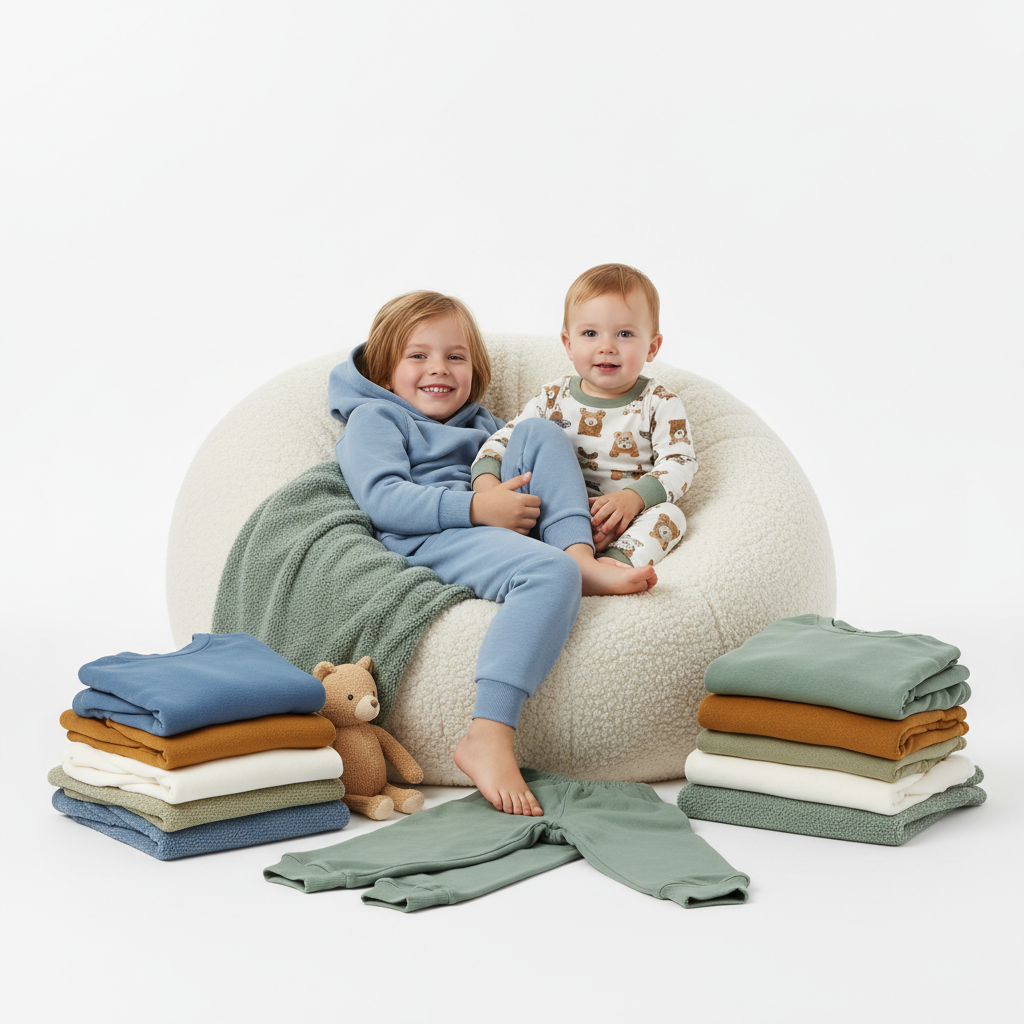
Ultimately, the best kids wear is the stuff that lets kids be kids. Simple, durable, comfortable, and a little bit adaptable.
Material Performance Comparison
So, you want to know how different materials stack up? It's not just about the marketing hype, it’s about what holds up on the playground.
Here's a rough breakdown – keep in mind, these are generalizations, and quality varies a lot. This isn’t a lab report, it’s just what I’ve seen on sites.
It all boils down to finding the right balance between cost, performance, and sustainability.
Comparative Analysis of Kids Wear Material Attributes
| Material |
Durability (1-10) |
Comfort (1-10) |
Cost (Low/Med/High) |
| Cotton |
6 |
9 |
Low |
| Polyester |
8 |
7 |
Low |
| Tencel |
7 |
10 |
Med |
| Ripstop Nylon |
9 |
6 |
Med |
| Organic Cotton |
6 |
9 |
Med |
| Polyester Blend |
8 |
7 |
Low |
FAQS
Durability, comfort, and safety are key. Think about how the material will hold up to repeated washing and wear, whether it's breathable and gentle on skin, and if it's free from harmful chemicals. Organic options are great but aren't always the most practical. Consider the climate and the child’s activity level. Ultimately, it's a balance.
That’s a tricky one. “Sustainable” gets thrown around a lot. Look for certifications like GOTS (Global Organic Textile Standard) or OEKO-TEX. Also, consider the entire supply chain - where the materials are sourced, how they’re processed, and the working conditions of the people making the clothes. Transparency is important.
Feel the fabric. Is it soft? Does it feel sturdy? Check the stitching - is it even and secure? Give it a stretch – does it seem like it will hold its shape? And if possible, wash a sample garment before buying a whole wardrobe. A simple wash can reveal a lot.
Huge. Clothes that are too tight restrict movement, while clothes that are too loose can be a tripping hazard. Kids need clothes that allow them to run, jump, and play without feeling uncomfortable or unsafe. Consider a little extra room for growth, but avoid anything excessively baggy.
Definitely. Drawstrings are a big no-no. Also, avoid small embellishments that could be choking hazards. Overly complicated designs can also be problematic – kids don't need a dozen pockets and zippers. Simple, functional, and safe is the way to go.
Look for reinforced seams, sturdy fabrics, and materials that are resistant to abrasion. Ripstop nylon is a good choice for outerwear. Also, consider fabrics that are easy to repair – a small tear shouldn’t mean the garment is ruined. And don’t underestimate the power of good quality zippers and buttons.
Conclusion
So, there you have it. Kids wear isn’t just about fashion. It’s about durability, comfort, safety, and functionality. It's about understanding how kids actually use clothes, not just how we think they will. It's a constant balancing act, weighing cost against performance, style against practicality.
Ultimately, whether this thing works or not, the worker will know the moment he tightens the screw. And the parent will know the moment their kid starts running around in it, covered in mud, having the time of their life. And honestly, that’s all that really matters. If you’re looking for reliable, well-made kids wear, visit our website: www.softshell-clothing.com.