Kids sportswear represents a dynamic and rapidly evolving sector of the apparel industry, dedicated to providing functional, comfortable, and stylish clothing for children engaged in physical activity. This market isn’t simply about miniature versions of adult athletic wear; it requires specialized design considerations catering to growing bodies, diverse activities, and a strong emphasis on safety and durability. Understanding the nuances of kids sportswear is increasingly vital for manufacturers, retailers, and parents alike, reflecting a global trend towards promoting active lifestyles from a young age.
The global demand for kids sportswear is fueled by increasing awareness of the health benefits of exercise, rising disposable incomes in emerging markets, and the growing popularity of youth sports. According to recent reports, the global children’s wear market is estimated to reach $220 billion by 2027, with sportswear constituting a significant and expanding portion. This growth is particularly pronounced in Asia-Pacific, where a burgeoning middle class and a cultural emphasis on education and physical fitness are driving demand.
The importance of quality kids sportswear extends beyond mere aesthetics. Properly designed sportswear supports optimal performance, reduces the risk of injury, and fosters a positive association with physical activity. This, in turn, contributes to the long-term health and well-being of children, making an investment in suitable athletic wear a crucial component of a holistic approach to child development. It's a market that touches upon health, education, and lifestyle choices, making its understanding fundamentally important.
The Global Significance of Kids Sportswear
The demand for kids sportswear is intrinsically linked to broader global trends focusing on health, wellness, and youth development. Governments and organizations worldwide are increasingly investing in initiatives promoting physical activity among children, recognizing its crucial role in combating childhood obesity, fostering mental well-being, and building a foundation for a healthy adult life. This emphasis translates directly into increased consumer spending on appropriate athletic apparel.
Furthermore, the globalization of sports – from organized youth leagues to international competitions – drives the need for specialized clothing designed to enhance performance and provide comfort during physical exertion. The accessibility of kids sportswear is also improving, with online retail and direct-to-consumer brands expanding their reach into diverse markets, making high-quality athletic wear more readily available to families globally. This expanding accessibility continues to increase the industry's footprint.
Defining Kids Sportswear
Kids sportswear encompasses a wide range of clothing specifically designed to support children during athletic activities and play. Unlike standard casual wear, it prioritizes features such as breathability, moisture-wicking capabilities, flexibility, and durability. This includes items like athletic shorts, t-shirts, leggings, jackets, socks, and specialized footwear designed for various sports and physical endeavors.
The connection to modern industry stems from ongoing innovations in textile technology and manufacturing processes. Materials science plays a critical role in developing fabrics that are both comfortable and high-performing. The industry is also responding to the growing demand for sustainable and ethically produced apparel, focusing on eco-friendly materials and responsible manufacturing practices.
From a humanitarian perspective, access to appropriate athletic wear can empower children in underserved communities to participate in sports and physical activities, promoting social inclusion and fostering a sense of belonging. Providing adequate kids sportswear is therefore a vital component of programs aimed at improving children’s health and well-being worldwide.
Key Factors in Kids Sportswear Design
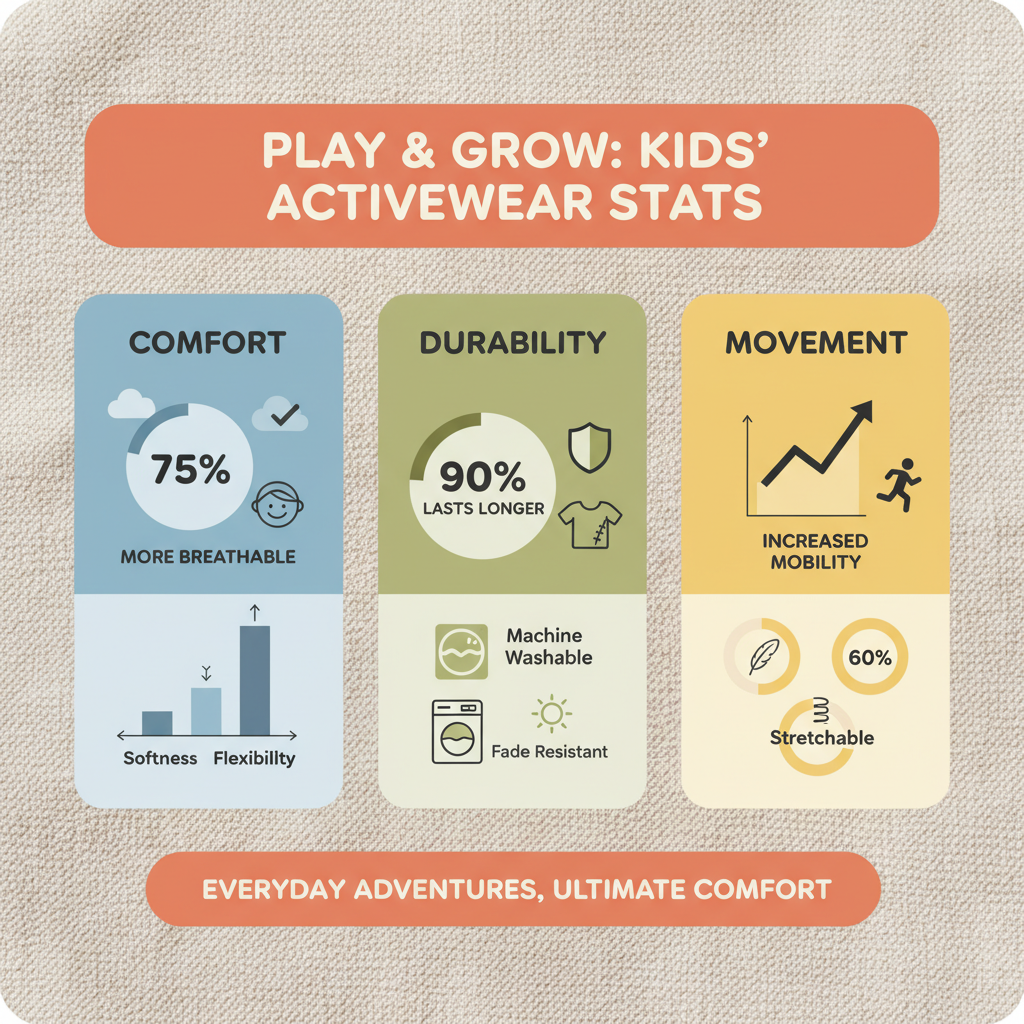
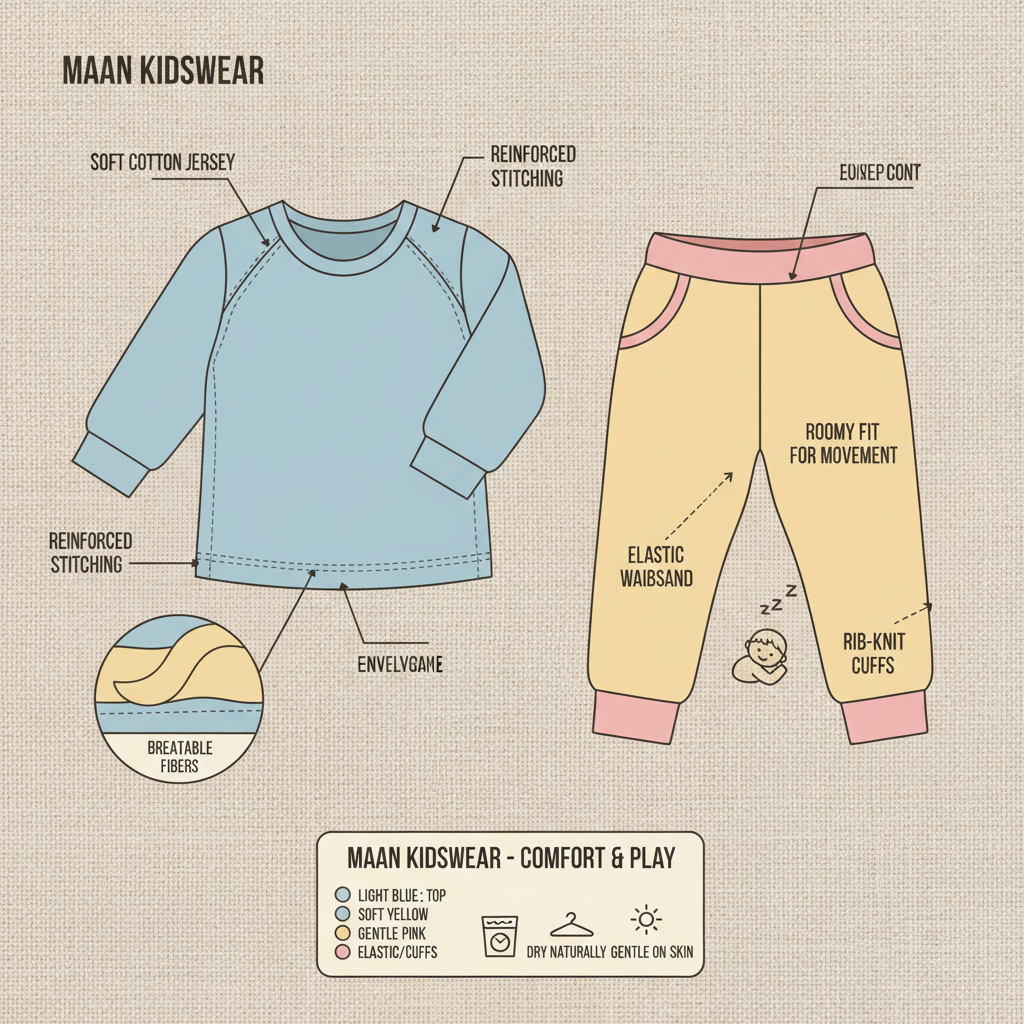
Durability: Kids are notoriously hard on their clothes! kids sportswear must withstand frequent washing, rigorous activity, and the inevitable wear and tear of childhood. This necessitates the use of robust materials and reinforced stitching techniques. Manufacturers are increasingly incorporating abrasion-resistant fabrics and durable closures to ensure longevity.
Comfort & Flexibility: Freedom of movement is paramount for children engaged in physical activity. Kids sportswear should be designed to allow for a full range of motion without restricting movement. This often involves using stretchy, lightweight fabrics and ergonomic designs that conform to the body. Seamless construction and tagless labels also contribute to enhanced comfort.
Moisture Management: Children generate significant heat during exercise, leading to perspiration. Effective moisture-wicking fabrics are essential for keeping them dry and comfortable, preventing chafing, and regulating body temperature. Materials like polyester and specialized blends are commonly used for their moisture-wicking properties.
Performance and Material Innovation
Modern kids sportswear is heavily influenced by advancements in material science. Traditional materials are being replaced or enhanced with innovative fabrics that offer superior performance characteristics. These include anti-odor technologies, UV protection, and enhanced breathability.
The continuous drive for performance improvements pushes research into new fabric blends and finishes. For example, incorporating recycled materials into sportswear not only contributes to sustainability but can also enhance fabric properties like softness and durability. The use of intelligent textiles that respond to body temperature or provide compression is also emerging as a key trend.
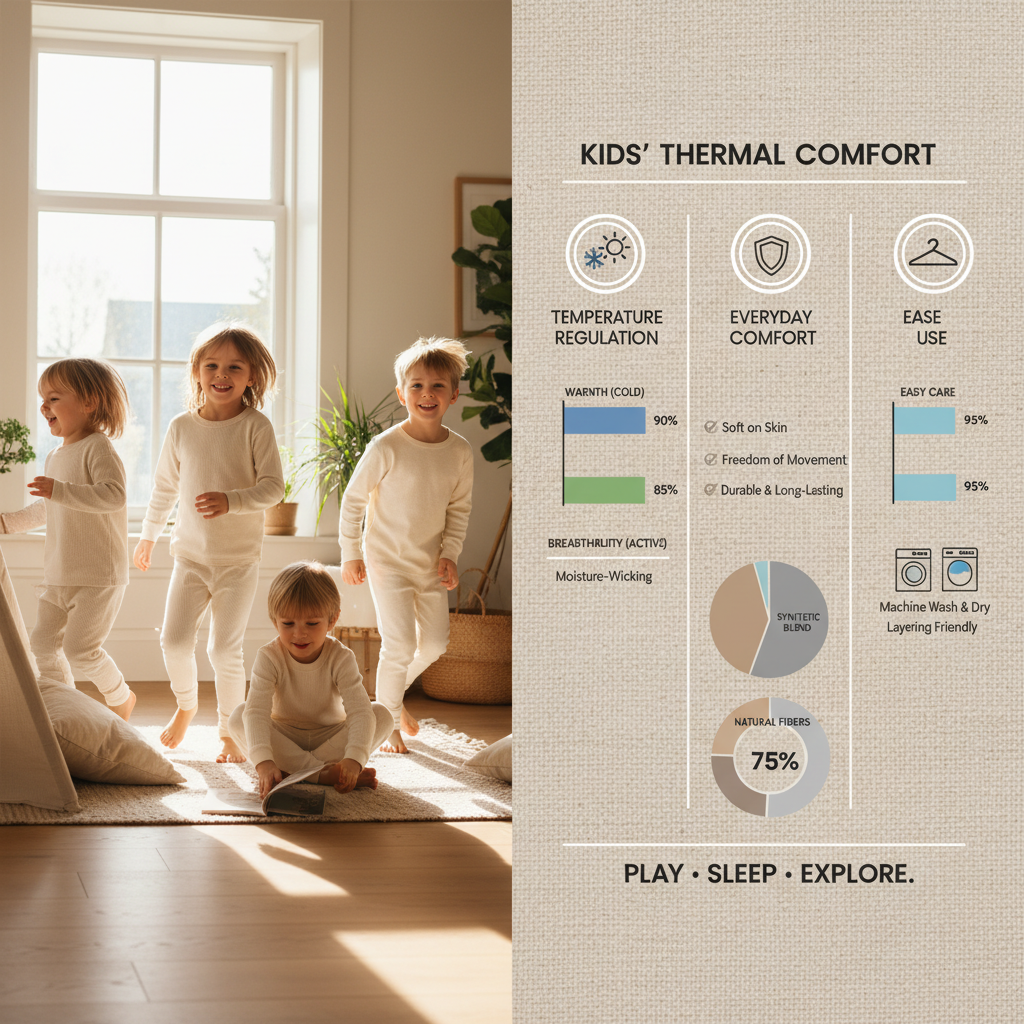
Kids Sportswear Material Performance Ratings
Global Applications of Kids Sportswear
The applications of kids sportswear extend far beyond organized sports. Schools frequently require athletic wear for physical education classes, promoting active participation and healthy habits. Youth organizations, like Scouts and after-school programs, often utilize sportswear for outdoor activities and team-building exercises.
In developing countries, the provision of appropriate sportswear can be particularly impactful, enabling children to participate in sports and activities they might otherwise be excluded from. NGOs and charitable organizations often distribute sportswear alongside other essential supplies to support youth development programs. Furthermore, the growing popularity of adventure tourism and outdoor recreation has created a demand for specialized kids sportswear designed for hiking, camping, and other outdoor pursuits.
Advantages and Long-Term Value
Investing in quality kids sportswear offers tangible benefits beyond immediate comfort and performance. Durable materials and robust construction translate into cost savings over time, reducing the need for frequent replacements. Sustainable materials minimize environmental impact, aligning with a growing consumer preference for eco-friendly products.
From an emotional perspective, providing children with comfortable and stylish sportswear can boost their confidence and self-esteem, encouraging them to participate more actively in physical activities. From a logical viewpoint, the enhanced performance and injury prevention provided by appropriate athletic wear contribute to long-term health and well-being. The trust associated with brands committed to quality and ethical production further enhances the value proposition.
Future Trends in Kids Sportswear
The future of kids sportswear is poised for significant innovation. We are likely to see greater integration of smart textiles with embedded sensors capable of monitoring vital signs and providing performance data. 3D printing technology could enable customized sportswear tailored to individual children's body types and performance needs.
Sustainability will continue to be a major driver, with increased adoption of recycled materials and circular economy models. Digital technologies, such as virtual try-on and personalized recommendations, will enhance the online shopping experience. Moreover, advancements in textile coatings and finishes will lead to sportswear with enhanced durability, water resistance, and antimicrobial properties.
Summary of Future Trends in Kids Sportswear
| Trend Category |
Key Technologies |
Impact on Kids Sportswear |
Adoption Timeline |
| Smart Textiles |
Embedded Sensors, Biometric Monitoring |
Performance Tracking, Injury Prevention |
5-7 Years |
| 3D Printing |
Additive Manufacturing, Customization |
Personalized Fit, Reduced Waste |
3-5 Years |
| Sustainable Materials |
Recycled Polyester, Organic Cotton, Bamboo |
Reduced Environmental Impact, Eco-Friendly Products |
Currently Growing |
| Digital Retail |
Virtual Try-On, AI Recommendations |
Enhanced Shopping Experience, Increased Sales |
1-3 Years |
| Advanced Coatings |
Water Repellents, Antimicrobial Treatments |
Increased Durability, Enhanced Hygiene |
2-4 Years |
| Bio-based Fabrics |
Fabrics Derived from Renewable Resources |
Environmentally Sustainable, Reduced Carbon Footprint |
5-10 Years |
FAQS
For children with sensitive skin, natural fibers like organic cotton and bamboo are excellent choices. These materials are breathable, hypoallergenic, and less likely to cause irritation. Look for sportswear with minimal dyes and chemical treatments. Avoiding polyester blends with harsh chemicals is also key, opting instead for softer, more natural alternatives whenever possible. Always prioritize gentle washing to maintain the integrity of the fabric and minimize potential allergens.
Sizing can vary significantly between brands, so it’s always best to consult the specific size chart provided by the manufacturer. Measure your child’s chest, waist, and inseam and compare those measurements to the chart. It’s often wise to size up, especially for fast-growing children, to allow for comfort and room to move. Avoid buying excessively large sportswear, as it can hinder performance and pose a safety hazard.
Different sports require different features in sportswear. For example, basketball players need supportive shorts and moisture-wicking jerseys, while swimmers require chlorine-resistant swimsuits. Soccer players benefit from padded shorts and breathable socks. Consider the specific demands of the sport when selecting sportswear, ensuring it provides the necessary support, protection, and freedom of movement.
Kids sportswear should be washed after every wear, especially if it’s been exposed to sweat or dirt. Turn the garments inside out, use a gentle cycle with cold water, and a mild detergent. Avoid using fabric softeners, as they can reduce the fabric’s moisture-wicking properties. Tumble dry on low heat or hang to dry. This will help preserve the fabric’s integrity and extend its lifespan.
Yes! Increasingly, brands are offering sustainable kids sportswear made from recycled materials, organic cotton, or other eco-friendly fabrics. Look for certifications like GOTS (Global Organic Textile Standard) or OEKO-TEX Standard 100. Choosing sustainable options helps reduce environmental impact and supports ethical manufacturing practices.
Ensure the sportswear fits properly to avoid tripping hazards. Choose clothing without loose drawstrings or embellishments that could pose a choking risk. Look for flame-resistant fabrics, particularly for sleepwear. Always follow the manufacturer’s care instructions to maintain the fabric’s integrity and prevent the release of harmful chemicals. Prioritize reputable brands with strong safety standards.
Conclusion
In conclusion, kids sportswear is more than just clothing; it’s an investment in children’s health, well-being, and active lifestyles. From material innovation and sustainable practices to performance enhancements and safety considerations, the industry continues to evolve to meet the diverse needs of young athletes and active children. Understanding the key factors driving this market is essential for parents, manufacturers, and retailers alike.
Looking ahead, the future of kids sportswear will be shaped by continued technological advancements, a growing emphasis on sustainability, and a commitment to providing children with the tools they need to thrive through physical activity. By prioritizing quality, comfort, and innovation, we can empower the next generation to embrace an active and healthy lifestyle. Visit our website today at www.softshell-clothing.com to explore our range of kids sportswear.