Kids thermal underwear is a crucial element in providing warmth and comfort, particularly during colder seasons or in harsh environments. Understanding the nuances of these garments – from fabric technology to layering techniques – empowers parents and caregivers to make informed choices for their children’s wellbeing. The global need for effective cold-weather protection drives continuous innovation in this sector, ensuring children remain safe and comfortable regardless of the climate.
The demand for high-quality kids thermal underwear is consistently high, stemming from a global need to protect children from the adverse effects of cold weather. Statistics from organizations like the World Meteorological Organization show increasing frequency of extreme weather events, reinforcing the importance of adequate thermal protection. This creates a significant market and a pressing responsibility for manufacturers to deliver reliable and effective products.
Beyond simply keeping children warm, good kids thermal underwear contributes to their overall health and ability to participate in outdoor activities. Providing proper insulation helps prevent hypothermia and frostbite, allowing kids to enjoy a full and active lifestyle even in challenging conditions. This underlines the vital role of this seemingly simple clothing item in safeguarding childhood wellbeing.
The Importance of Kids Thermal Underwear
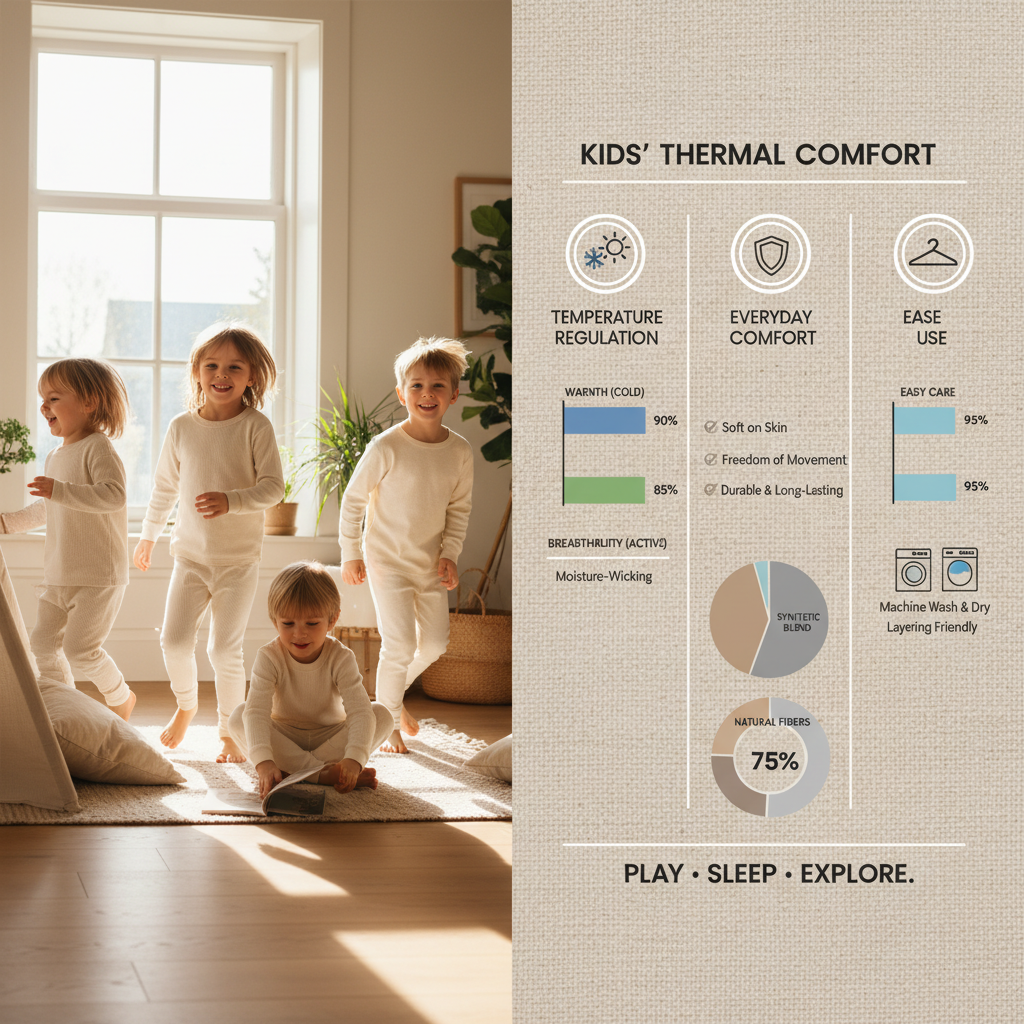
Choosing the right kids thermal underwear isn't just about warding off the cold; it's about supporting their active lifestyles. Thermal layers allow children to play outdoors comfortably in cooler temperatures, promoting physical activity and overall health. The correct base layers can regulate body temperature, preventing overheating during activity and providing crucial warmth when resting.
The benefits extend beyond physical comfort. Properly dressed children are less susceptible to illnesses associated with cold exposure, like common colds and flu, leading to fewer school absences and a greater ability to participate in learning and social activities. Investing in quality kids thermal underwear is an investment in a child’s health and wellbeing.
Defining Kids Thermal Underwear
Kids thermal underwear, at its core, is a base layer of clothing designed to trap body heat and wick away moisture. Unlike traditional underwear, it's made from materials engineered for thermal regulation, offering superior warmth and dryness. This often involves a close-fitting design to maximize contact with the skin and minimize heat loss.
Modern thermal underwear has evolved significantly from its origins. Early versions often relied on heavy wool materials, which, while warm, could be bulky and uncomfortable. Today, synthetic fabrics like polyester and polypropylene, and natural fibers like merino wool, are commonly used, providing a balance of warmth, breathability, and comfort.
The effectiveness of kids thermal underwear is directly linked to its ability to create a microclimate next to the skin, keeping the child warm and dry even during strenuous activity. This is crucial for preventing hypothermia and maintaining a comfortable body temperature in cold conditions, aligning with modern requirements for children's outdoor gear.
Core Components of Effective Kids Thermal Underwear
Several key factors contribute to the quality and effectiveness of kids thermal underwear. One of the most important is the fabric itself. Materials like merino wool offer natural warmth and breathability, while synthetic options like polyester excel at moisture-wicking. The weave and construction of the fabric also play a role, determining its insulation properties and durability.
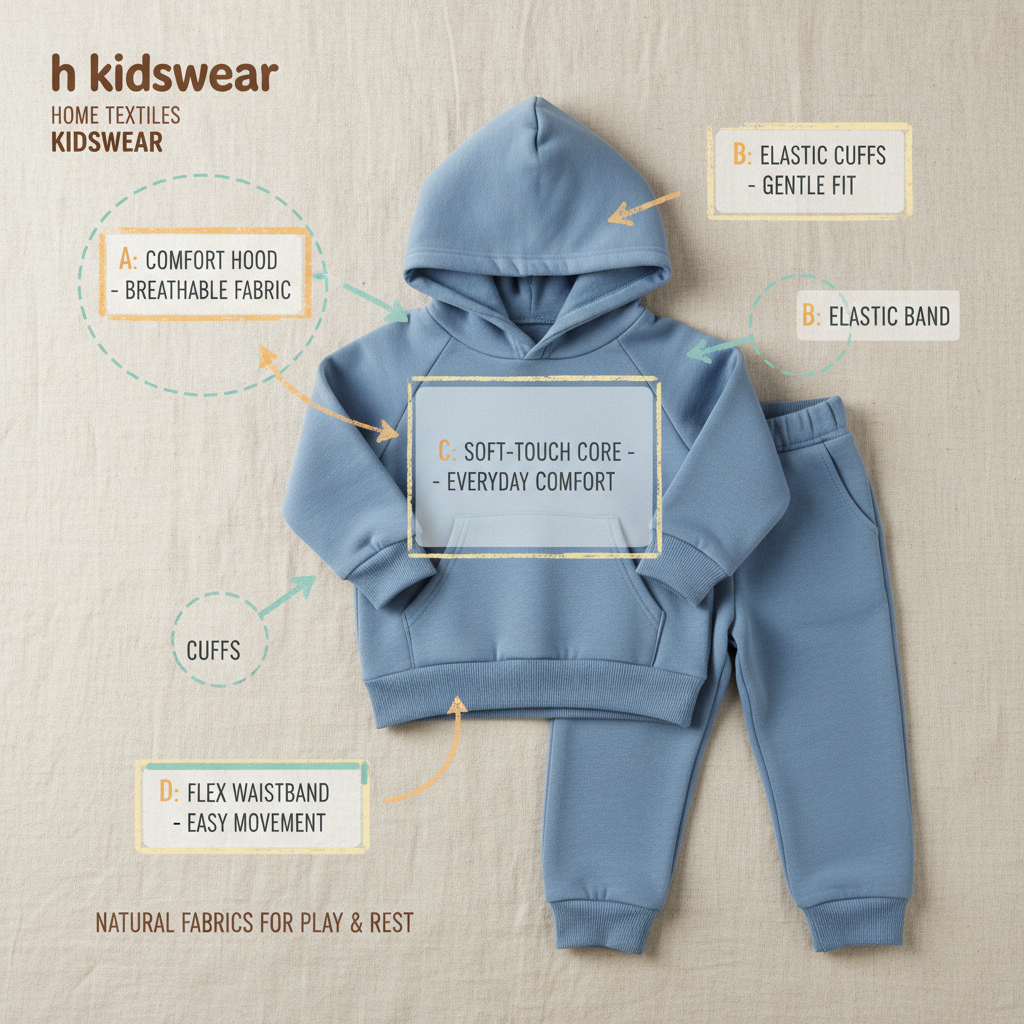
Another critical component is the fit. Thermal underwear should be snug but not constricting, allowing for a full range of motion. A loose fit reduces its effectiveness by creating air pockets that can dissipate heat. Features like flatlock seams minimize chafing and discomfort, enhancing overall wearability.
Furthermore, the layering capability is vital. Kids thermal underwear should be designed to be worn as part of a layering system, allowing children to adjust their warmth level based on activity and temperature. The ability to easily add or remove layers ensures optimal comfort in varying conditions.
Applications of Kids Thermal Underwear Globally
The applications of kids thermal underwear are widespread, extending across diverse climates and activities. In colder regions like Canada, Scandinavia, and parts of the United States, it's essential for everyday wear during the winter months, protecting children during school commutes, outdoor play, and winter sports.
In mountainous areas, such as the Alps or the Himalayas, kids thermal underwear is crucial for skiing, snowboarding, and hiking, providing essential warmth and moisture management at high altitudes. The demand also extends to colder areas within countries that have varied climates, such as the northern parts of China and Russia.
Even in regions with milder winters, kids thermal underwear can be beneficial for outdoor activities like camping, hiking, and sporting events. It’s increasingly popular for children participating in winter sports programs, providing them with a comfortable base layer that enhances performance and protects against the cold.
Kids Thermal Underwear Performance by Fabric Type
Advantages and Long-Term Value
Investing in quality kids thermal underwear offers numerous advantages, extending beyond immediate warmth. The durability of well-made thermal layers translates to long-term cost savings, reducing the need for frequent replacements. The enhanced comfort and protection contribute to a child’s overall wellbeing and ability to enjoy outdoor activities.
From a sustainability perspective, choosing durable and responsibly manufactured kids thermal underwear minimizes environmental impact. Supporting brands committed to ethical production practices aligns with growing consumer demand for eco-conscious products. This adds intrinsic value beyond the functional benefits.
Future Trends and Innovations
The future of kids thermal underwear is likely to be shaped by advancements in materials science and textile technology. Researchers are exploring bio-based fibers and innovative weaving techniques to create thermal layers that are even warmer, more breathable, and more sustainable.
Smart textiles, incorporating sensors to monitor body temperature and adjust insulation levels accordingly, are also on the horizon. These "intelligent" garments could revolutionize thermal regulation, providing customized comfort in a wide range of conditions. Further integration of recycled materials and biodegradable fibers will also be a growing focus.
Digital printing technologies are enabling more complex and personalized designs, allowing for greater customization and branding opportunities. These innovations promise to enhance both the performance and aesthetic appeal of kids thermal underwear, meeting the evolving needs of consumers.
Challenges and Solutions in Kids Thermal Underwear
Despite advancements, several challenges remain in the kids thermal underwear market. One common issue is finding the right balance between warmth, breathability, and cost. High-performance materials can be expensive, making them inaccessible to some families.
Another challenge is ensuring proper sizing and fit, especially for rapidly growing children. Ill-fitting thermal underwear can be uncomfortable and ineffective. Manufacturers are addressing this by offering more size options and incorporating stretchy, adaptable fabrics.
A key solution lies in innovation focused on cost-effective materials and production processes. Developing sustainable alternatives to expensive synthetic fibers and optimizing manufacturing techniques can help lower prices without compromising quality. Clear sizing guides and adjustable designs are crucial for ensuring optimal fit and comfort.
Key Factors Influencing Kids Thermal Underwear Quality and Performance
| Material Composition |
Moisture Wicking Ability (1-10) |
Warmth Retention (1-10) |
Durability & Washability |
| Merino Wool |
8 |
9 |
7 |
| Polyester |
9 |
6 |
8 |
| Polypropylene |
10 |
5 |
6 |
| Silk |
6 |
4 |
5 |
| Cotton Blend |
4 |
3 |
7 |
| Bamboo |
7 |
6 |
6 |
FAQS
The "best" material depends on your needs. Merino wool offers excellent warmth and breathability but can be pricier. Polyester and polypropylene are great at wicking moisture and are more affordable. Consider your child’s activity level and sensitivity when making a choice. For highly active kids, a synthetic blend might be ideal. If warmth is the primary concern, merino wool excels.
Kids thermal underwear should fit snugly but not restrict movement. It needs to be in close contact with the skin to effectively trap heat and wick away moisture. Avoid overly tight fits that could cause discomfort or chafing. A good test is to have your child move freely—running, jumping, or bending—to ensure it doesn't impede their activity.
While typically associated with cold weather, certain thermal underwear fabrics, particularly those with excellent moisture-wicking properties, can be beneficial in warmer weather too. They can help keep kids dry and comfortable during strenuous activities by drawing sweat away from the skin, preventing overheating. Look for lightweight, breathable options.
Wash kids thermal underwear after each use, especially if it's been worn during physical activity. Sweat and body oils can degrade the fabric’s performance and create unpleasant odors. Follow the care instructions on the label. Generally, a gentle cycle with mild detergent is recommended. Avoid using fabric softeners, as they can reduce the fabric’s wicking ability.
The terms "thermal underwear" and "base layers" are often used interchangeably. Essentially, they refer to the same type of clothing – a close-fitting layer worn next to the skin to provide warmth and moisture management. "Base layer" is a more modern and encompassing term, often used in the context of outdoor sports and layering systems.
It's best to measure your child’s chest, waist, and height and consult the brand's size chart. Don’t size up too much, as a loose fit reduces effectiveness. Consider buying slightly larger sizes if your child is between sizes, allowing room for growth. Look for thermal underwear with stretchy fabrics that can accommodate some growth.
Conclusion
In conclusion, kids thermal underwear represents a vital component of a child’s wardrobe, offering crucial protection against the cold and enabling comfortable participation in outdoor activities. From understanding the diverse range of materials available to appreciating the importance of proper fit and layering, informed choices can significantly enhance a child's wellbeing and enjoyment of the seasons.
Looking ahead, continued innovation in materials and design promises even more effective and sustainable kids thermal underwear options. By embracing these advancements and prioritizing quality, parents and caregivers can ensure their children stay warm, dry, and comfortable, fostering a lifelong love of the outdoors. For high-quality kids thermal underwear, visit our website: www.softshell-clothing.com