Trousers, a ubiquitous garment in modern wardrobes, represent far more than simple clothing. They are a cornerstone of functionality, comfort, and style, impacting industries ranging from fashion and textiles to outdoor adventure and professional workwear. The global demand for trousers is consistently high, driven by evolving trends, diverse cultural preferences, and the fundamental need for lower-body covering and protection. Understanding the nuances of trouser design, material science, and manufacturing processes is crucial for businesses, consumers, and innovators alike.
The international trade of trousers is a multi-billion dollar industry, influenced by factors like raw material costs, labor practices, and geopolitical events. From the denim jeans of North America to the tailored trousers of Savile Row, this garment reflects societal shifts and technological advancements. A key challenge within the industry lies in balancing affordability with sustainability, addressing concerns surrounding environmental impact and ethical sourcing.
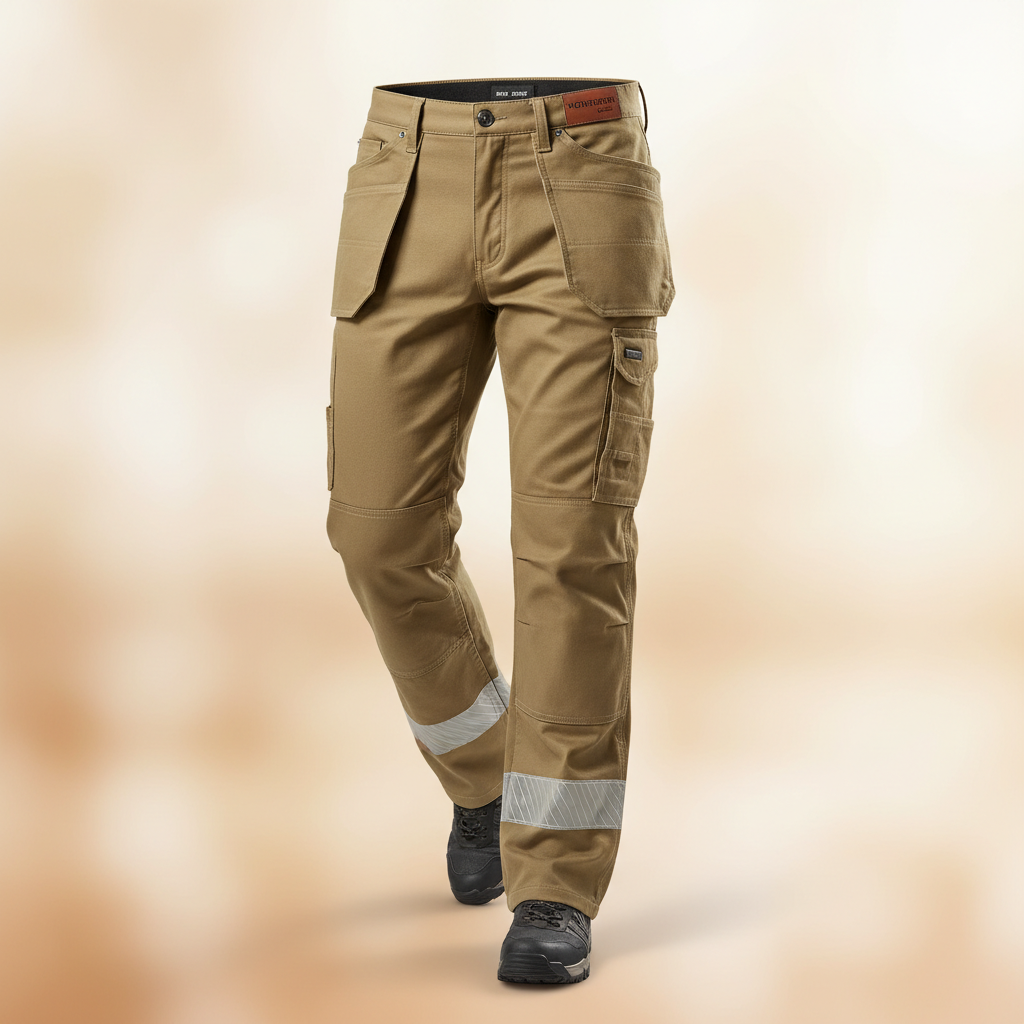
Beyond fashion, trousers also play a vital role in specialized fields. Protective trousers are essential for firefighters, construction workers, and healthcare professionals, offering crucial safety features. High-performance trousers are designed for athletes and adventurers, prioritizing mobility and durability. This versatile nature solidifies the trouser’s position as an indispensable element of modern life.
The Evolution and History of trousers
The history of trousers is a fascinating journey from functional necessity to fashion statement. Originally worn by nomadic peoples for horseback riding and protection from the elements, trousers were initially considered unconventional in many Western societies. Over centuries, their adoption gradually increased, driven by practical needs and military demands.
The 20th century witnessed a dramatic shift in trouser styles, with the rise of denim jeans as a symbol of youth culture and rebellion. Technological advancements in textile manufacturing allowed for greater variety in fabrics, colors, and fits, further expanding the appeal of trousers. Today, they represent a cornerstone of global apparel.
Defining Trousers: A Global Perspective
Trousers are defined as an item of clothing covering the legs from the waist downwards. However, this seemingly simple definition belies a vast range of styles, materials, and cultural interpretations. In many parts of the world, trousers are considered a standard garment for both men and women, while in others, traditional dress codes may dictate specific trouser styles or restrict their use.
The rise of globalization has led to a convergence of trouser styles, but regional variations still persist. For instance, the "shalwar kameez" in South Asia features loose-fitting trousers paired with a tunic, while the "hakama" in Japan is a traditional wide-legged trouser worn by practitioners of martial arts. Understanding these cultural nuances is crucial for manufacturers and retailers operating in international markets.
From a manufacturing standpoint, defining “trousers” impacts trade regulations and quality standards. The ISO defines textile classifications, but ultimately the interpretation falls to individual nations and consumer expectations. This complexity highlights the need for clear communication and consistent labeling within the trouser industry.
Core Components of Trouser Design
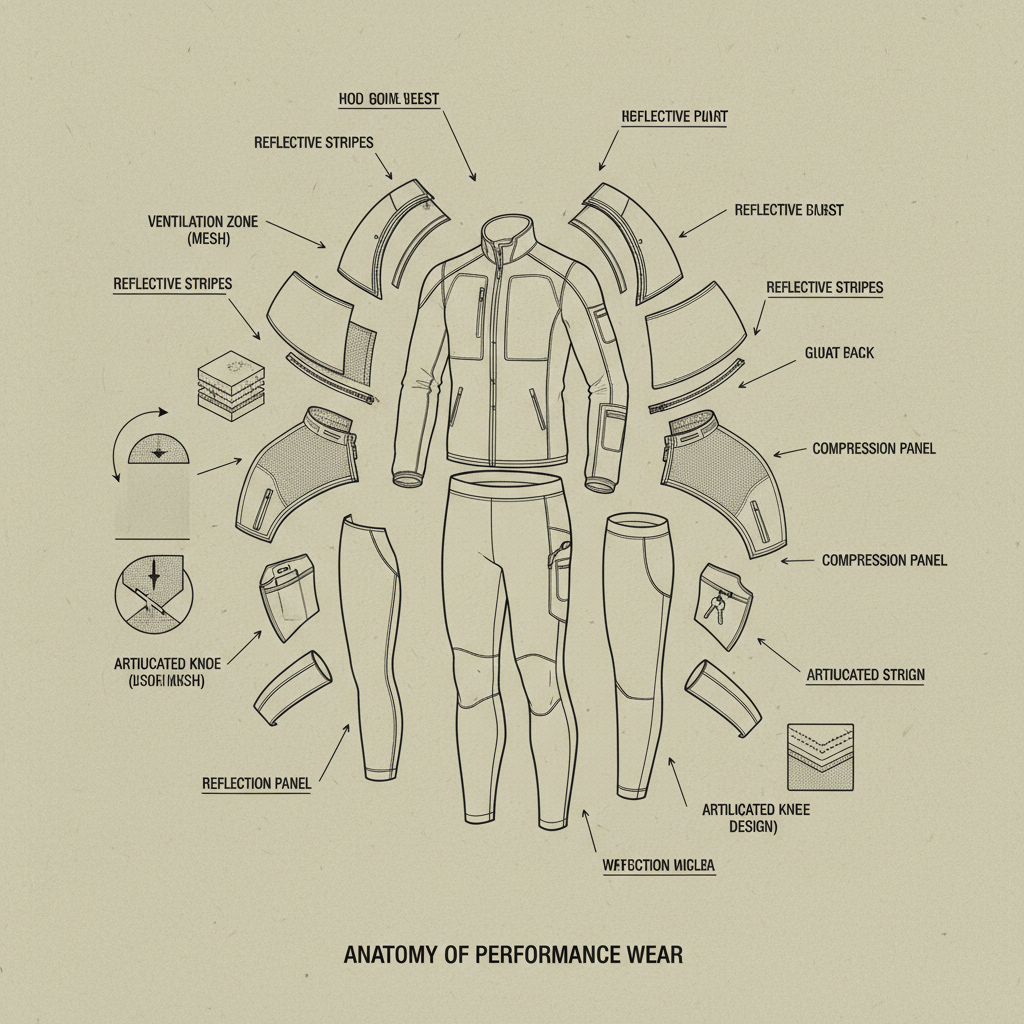
Effective trouser design hinges on several core components. The first is the cut, which determines the overall shape and fit. This encompasses elements like the rise (waist height), the leg opening, and the taper. Different cuts cater to diverse body types and style preferences, from slim-fit to relaxed-fit. A well-executed cut is fundamental to both comfort and aesthetic appeal.
The second crucial element is the fabric. The choice of material significantly impacts the trouser’s durability, breathability, and drape. Common fabrics include cotton, linen, wool, polyester, and blends thereof. Each material possesses unique properties, making it suitable for different applications and climates. For example, durable materials like canvas are useful for trousers used in outdoor pursuits.
Thirdly, the construction details—seams, pockets, waistband, and closures—play a critical role in both functionality and longevity. Reinforced seams, strategically placed pockets, and a comfortable waistband enhance the trouser’s usability. High-quality closures, such as zippers and buttons, ensure a secure and lasting fit.
Key Factors Influencing Trouser Quality
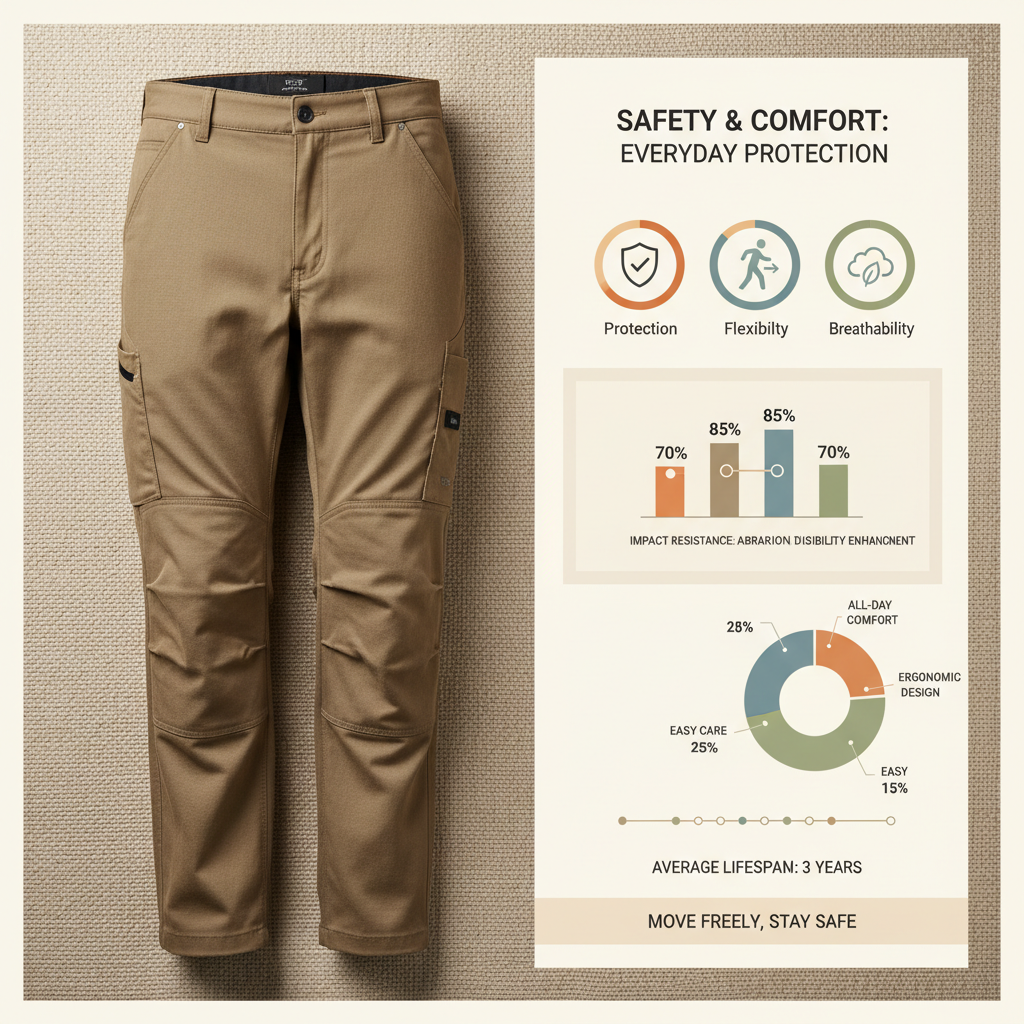
Several key factors contribute to the overall quality of trousers. Durability, stemming from robust materials and meticulous construction, is paramount. A well-made pair of trousers should withstand regular wear and tear without losing its shape or integrity. Proper fabric weight and weave contribute to lasting resilience.
Fit and comfort are equally important. Trousers should allow for freedom of movement without feeling restrictive. A comfortable waistband, appropriate leg length, and a well-balanced cut are essential for ensuring a pleasant wearing experience.
Trouser Quality Assessment by Feature
Global Applications and Trouser Use Cases
Trousers find applications across a diverse range of industries and contexts. In the fashion industry, they are a staple item, constantly evolving with changing trends. Retailers globally stock a wide variety of trouser styles to cater to different demographics and preferences.
In professional settings, trousers are often considered essential business attire. Tailored trousers, paired with shirts and blazers, project an image of competence and professionalism. This is particularly true in industries like finance, law, and management.
Advantages and Long-Term Value of Trousers
The long-term value of trousers lies in their versatility and durability. A well-constructed pair of trousers can last for years, reducing the need for frequent replacements. This contributes to cost savings over time and reduces textile waste.
From a sustainability standpoint, choosing trousers made from eco-friendly materials like organic cotton or recycled polyester minimizes environmental impact. Investing in high-quality trousers that are designed to last embodies a commitment to responsible consumption.
Future Trends and Innovation in Trousers
The future of trousers is likely to be shaped by technological advancements and evolving consumer demands. The integration of smart textiles, incorporating sensors and conductive fibers, could lead to trousers with functionalities like temperature regulation and activity tracking.
Sustainable materials and production processes will continue to gain prominence, driven by growing environmental concerns. Innovations in textile recycling and the development of bio-based fabrics will play a crucial role in reducing the industry's carbon footprint.
Furthermore, 3D printing and customized design are emerging technologies that could revolutionize trouser manufacturing, allowing for personalized fits and on-demand production.
Key Performance Indicators for Sustainable Trouser Production
| Material Sourcing |
Water Consumption |
Waste Generation |
Carbon Footprint |
| Percentage of organic/recycled materials used |
Liters of water used per trouser produced |
Kilograms of textile waste generated per trouser |
Kilograms of CO2 equivalent emitted per trouser |
| Supplier certifications (e.g., GOTS, Fair Trade) |
Water recycling rate (%) |
Percentage of waste recycled/upcycled |
Energy source (renewable vs. non-renewable) |
| Traceability of material origins |
Implementation of water-saving technologies |
Waste reduction strategies (e.g., lean manufacturing) |
Transportation emissions (distance, mode) |
| Compliance with ethical labor standards |
Wastewater treatment processes |
Circular economy initiatives |
Packaging materials (sustainable vs. conventional) |
| Material durability and longevity |
Dyeing and finishing processes (eco-friendly dyes) |
Repair and refurbishment programs |
Product lifespan and end-of-life management |
| Reduction of hazardous chemicals used in production |
Implementation of closed-loop water systems |
Design for disassembly and recyclability |
Carbon offsetting initiatives |
FAQS
For durable work trousers, canvas or a tightly woven cotton duck are excellent choices. These fabrics offer superior abrasion resistance and can withstand demanding conditions. Consider blends with a small percentage of synthetic fibers like polyester for added strength and wrinkle resistance. Reinforcements at key stress points, like knees and pockets, are also crucial for longevity. Regular washing with care, using the correct detergent, will further extend their lifespan.
Determining ethical manufacturing can be challenging, but look for brands with transparent supply chains and certifications like Fair Trade or WRAP (Worldwide Responsible Accredited Production). Check if the brand provides information about worker wages, working conditions, and environmental impact. Third-party certifications and publicly available audits are good indicators. Supporting brands committed to responsible sourcing helps promote ethical practices within the garment industry.
Slim-fit trousers are cut closer to the body, tapering from the knee to the ankle, creating a modern and streamlined look. Straight-leg trousers have a consistent width from the thigh to the ankle, offering a more classic and versatile silhouette. The best choice depends on your body type and personal preference. Slim-fit trousers generally suit leaner builds, while straight-leg trousers are more accommodating to a wider range of shapes.
Care varies by fabric. Cotton trousers generally require machine washing and can be tumble dried. Linen trousers are best hand-washed or dry-cleaned to avoid shrinkage. Wool trousers often require dry cleaning or a gentle hand wash. Always check the care label for specific instructions. Avoiding harsh detergents and ironing at the correct temperature will help preserve the fabric’s quality and appearance.
Yes, several eco-friendly denim alternatives exist. Organic cotton denim uses cotton grown without pesticides or synthetic fertilizers. Recycled denim is made from post-consumer waste, reducing landfill waste. Innovative materials like hemp and Tencel (lyocell) are also gaining popularity as sustainable options. Look for denim brands that prioritize water conservation and use eco-friendly dyeing processes.
Finding the right size requires accurate measurements. Measure your waist and inseam (from the crotch to the hem). Consult the brand’s size chart, as sizes can vary. If between sizes, it’s generally better to size up and have the trousers tailored for a perfect fit. Consider your body shape and the desired style—slim-fit trousers may require a different size than relaxed-fit ones.
Conclusion
In conclusion, trousers are far more than a simple garment. They represent a confluence of history, technology, and cultural expression, impacting industries worldwide and providing essential functionality and style. Understanding the core components of trouser design, the factors influencing quality, and emerging trends is crucial for manufacturers, consumers, and innovators alike.
Looking ahead, the future of trousers lies in sustainable materials, innovative technologies, and a commitment to ethical production practices. By embracing these advancements, we can ensure that trousers continue to be a versatile, durable, and responsible choice for generations to come. For quality, long-lasting trousers, visit our website: www.softshell-clothing.com