0%

Table of Contents

Summer wear for kids is more than just clothing; it’s about ensuring comfort, safety, and fun during the warmest months. From lightweight fabrics that breathe to styles designed for active play, choosing the right summer wear is crucial for a child’s well-being. Globally, the demand for suitable summer wear for children is steadily increasing, driven by climate change and a growing awareness of the importance of sun protection and heat regulation.

The market for summer wear for kids is vast and diverse, ranging from everyday casual wear to specialized clothing for water activities and outdoor adventures. Understanding the needs of growing children, the impact of different fabrics, and the latest trends is paramount for parents and retailers alike. The availability of affordable and quality summer clothing is particularly important in regions experiencing economic hardship.

Investing in well-made summer wear provides long-term benefits, including durability, protection from the elements, and peace of mind for parents. Properly chosen clothing can prevent heat rash, sunburn, and other heat-related illnesses, allowing children to fully enjoy their summer activities. Explore our range of summer wear for kids to find the perfect outfits.
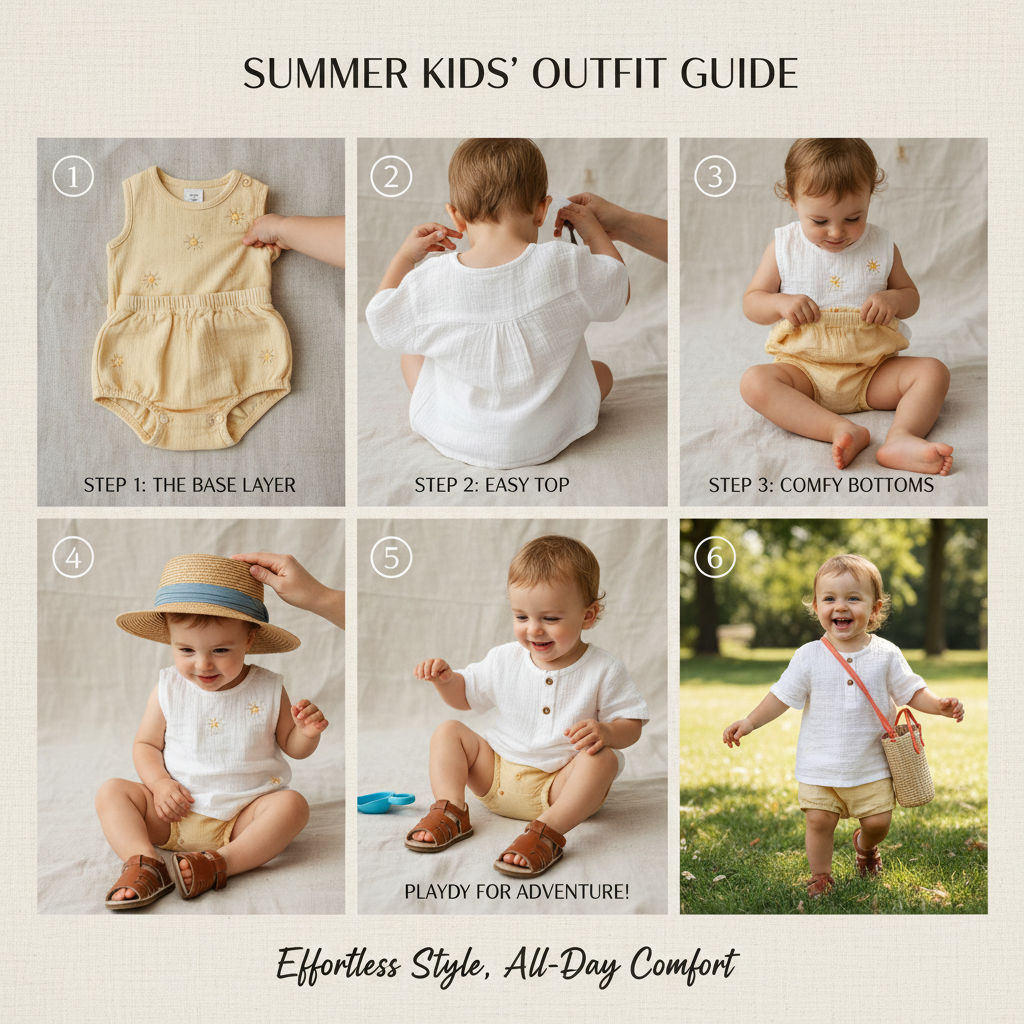
Essential Summer Wear for Kids Ensuring Comfort and Sun Protection

The Importance of Summer Wear for Kids
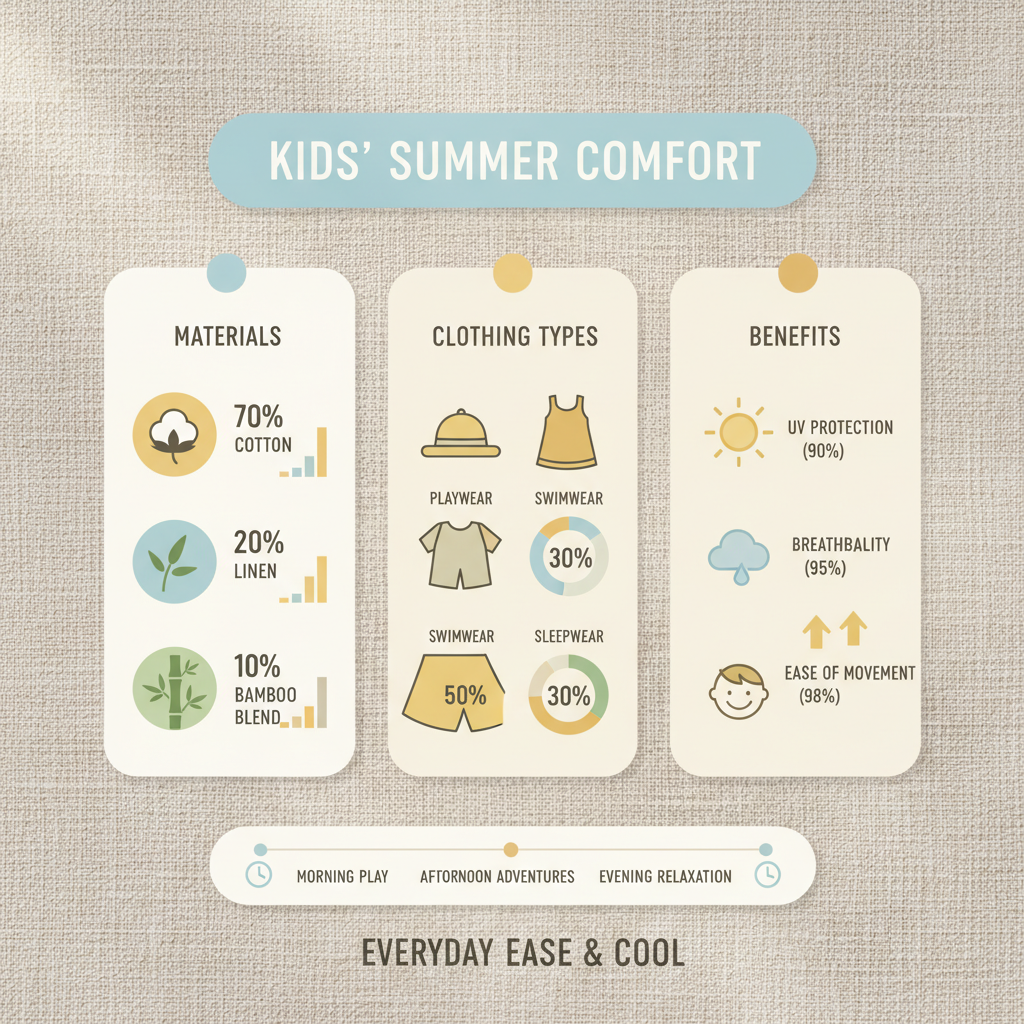
Essential Summer Wear for Kids Ensuring Comfort and Sun Protection

Summer wear for kids plays a vital role in their health and well-being during the hotter months. Children are more susceptible to the effects of heat and sun exposure, making appropriate clothing choices essential. The right fabrics can help regulate body temperature, prevent overheating, and minimize the risk of sunburn.

Beyond physical health, comfortable summer wear enables children to participate fully in outdoor activities, promoting physical development and a love for the outdoors. Ensuring that kids are dressed appropriately empowers them to explore, play, and learn without discomfort or worry.

Defining Summer Wear for Kids

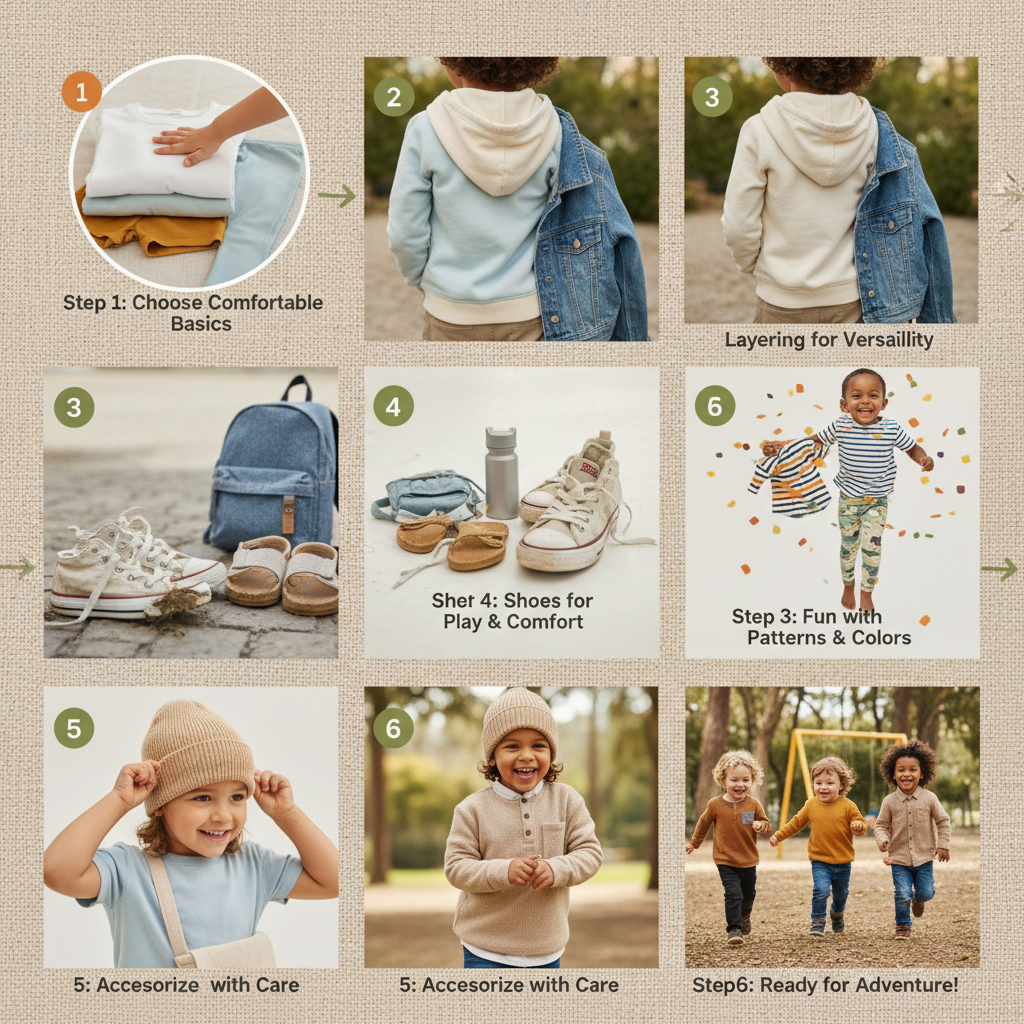
Summer wear for kids refers to clothing specifically designed to be worn during warm weather conditions. This typically includes lightweight, breathable fabrics such as cotton, linen, and moisture-wicking synthetics. Styles often prioritize comfort and freedom of movement, allowing children to play and be active without restriction.

This category encompasses a wide range of garments, from t-shirts, shorts, and dresses to swimwear, hats, and sunglasses. Sun-protective clothing, featuring UPF (Ultraviolet Protection Factor) ratings, is also becoming increasingly popular. The modern industry focuses on both style and functionality, offering a variety of trendy and practical options.

The connection to modern needs is significant, as climate change leads to more frequent and intense heatwaves. Access to affordable and effective summer wear for kids becomes crucial for protecting vulnerable populations, particularly in developing countries where access to healthcare may be limited.

Key Factors in Choosing Summer Wear

Fabric Breathability: Choosing fabrics that allow air circulation is paramount. Cotton, linen, and moisture-wicking materials are excellent choices, helping to keep children cool and dry, preventing heat rash and discomfort. This is particularly important during strenuous activities.

Sun Protection: Protecting children's delicate skin from harmful UV rays is crucial. Opt for clothing with UPF ratings or consider layering with lightweight long-sleeved shirts and hats. Darker colors generally offer more protection than lighter ones.

Comfort and Fit: Clothing should be comfortable and allow for a full range of motion. Avoid tight-fitting garments that can restrict movement and cause irritation. Loose-fitting clothes are ideal for hot weather.

Global Applications and Use Cases

Summer wear for kids is universally needed wherever warm weather prevails. However, specific applications vary based on cultural norms, climate, and economic conditions. In tropical regions, lightweight and breathable fabrics are essential for everyday wear, while in temperate climates, parents may opt for more versatile options.

In coastal areas, swimwear and rash guards are popular for water activities. Outdoor education programs and summer camps rely on durable and protective clothing to support active learning and exploration. Schools in hot climates often have uniform requirements that prioritize comfortable and breathable materials.

Organizations involved in disaster relief frequently distribute summer clothing to children affected by emergencies, providing essential comfort and protection. For example, after a hurricane, providing light, breathable clothing helps prevent secondary health issues related to heat exposure and infection.

Summer Wear for Kids: Fabric Preference Ratings


Advantages and Long-Term Value

Investing in quality summer wear for kids offers numerous benefits. Cost-effectively, durable fabrics reduce the need for frequent replacements, saving money over time. Sustainability is enhanced by choosing eco-friendly materials and supporting brands committed to ethical production practices.

From a social impact perspective, ensuring children have access to comfortable and protective clothing promotes their well-being and allows them to participate fully in educational and recreational activities. The emotional benefit of confidence and comfort should not be understated.

Future Trends and Innovations

The future of summer wear for kids will likely see increased integration of smart textiles with features like UV sensors and temperature regulation. Biodegradable and plant-based fabrics are gaining traction as sustainable alternatives to traditional synthetics.

Digital printing and customization technologies will enable personalized clothing designs and reduce textile waste. We're also seeing growing interest in circular fashion models, where clothing is designed for longevity and recyclability.

Challenges and Solutions

A major challenge is the affordability of high-quality, sustainable summer wear for kids, particularly for low-income families. Supply chain transparency and ethical labor practices are also ongoing concerns.

Solutions include government subsidies for eco-friendly clothing, collaborations between brands and non-profit organizations to provide clothing to those in need, and increased consumer awareness about the importance of sustainable fashion choices.

Innovation in textile recycling technologies can also help reduce waste and lower production costs.

Summary of Key Considerations for Summer Wear Fabric Choices

Fabric Type Breathability Score (1-10) Durability Rating (1-10) Cost (Low/Medium/High)
Cotton 9 6 Medium
Linen 10 7 Medium/High
Polyester 5 8 Low
Rayon 7 5 Medium
Bamboo 8 7 Medium/High
Microfiber 6 9 Low/Medium

FAQS

What is the best fabric for summer wear for kids?

For optimal comfort in the summer heat, cotton and linen are generally considered the best fabrics for kids' wear. They are both highly breathable, allowing air to circulate and keeping your child cool and dry. Lightweight polyester blends can also be a good option, especially for swimwear and activewear, due to their quick-drying properties. Bamboo fabric is another excellent eco-friendly choice.

How can I protect my child from the sun with clothing?

Beyond sunscreen, clothing offers a crucial layer of sun protection. Look for garments with a UPF (Ultraviolet Protection Factor) rating. Darker colors generally provide more protection than lighter ones. Long sleeves and pants can offer excellent coverage, but ensure the fabric is breathable to prevent overheating. Wide-brimmed hats and sunglasses are also essential.

What should I avoid when choosing summer clothing for my child?

Avoid heavy, dark-colored fabrics that absorb heat. Synthetic materials that don’t breathe well can lead to discomfort and heat rash. Tight-fitting clothing can restrict movement and exacerbate heat issues. Also, be mindful of embellishments or accessories that could pose a choking hazard for younger children.

How often should I wash summer clothes for kids?

Summer clothes for kids often require frequent washing due to sweat, dirt, and sunscreen residue. Wash after each wearing, especially if the child has been playing outdoors. Follow the care instructions on the garment label. Use a mild detergent to avoid irritating sensitive skin. Regularly cleaning clothes helps prevent skin irritation and bacterial growth.

What are some sustainable options for summer wear?

Choose clothing made from organic cotton, linen, bamboo, or recycled materials. Support brands that prioritize ethical production practices and fair labor standards. Consider buying second-hand clothing or participating in clothing swaps to reduce waste. Look for durable items that will last longer, reducing the need for frequent replacements.

Are there specific clothing requirements for water activities?

For water activities, choose swimwear made from chlorine-resistant materials like polyester or nylon. Rash guards with UPF protection are highly recommended to shield skin from the sun, even when wet. Consider water shoes to protect feet from sharp objects. Ensure swimwear fits snugly to prevent chafing and discomfort. Always supervise children closely during water activities.

Conclusion

In conclusion, choosing the right summer wear for kids is an investment in their comfort, health, and well-being. From prioritizing breathable fabrics and sun protection to considering sustainability and affordability, a thoughtful approach to clothing selection can significantly enhance a child’s summer experience. Remember, the ideal summer wardrobe enables children to explore, play, and learn freely, creating lasting memories.

Looking ahead, continued innovation in textile technology and a growing emphasis on sustainable practices will shape the future of summer wear for kids. By staying informed about the latest trends and making conscious choices, parents and caregivers can ensure that children are equipped for safe, comfortable, and enjoyable summers. Visit our website at www.softshell-clothing.com to explore our latest collection!
Robert Chen

Robert Chen

Robert Chen serves as the Quality Control Director at Hantex International. With a deep understanding of textile manufacturing and stringent quality standards, Robert oversees a team of five QC professionals – three in the trade department and two in each of Hantex's owned factories. His role is critical in ensuring
Previous Unmatched Comfort for Your Kids
Next Comprehensive Guide to Kids Athletic Wear for Active Lifestyles