Kids Snow Pants: Why They Matter More Than You Might Think
When the cold sets in and the snow starts falling, kids' snow pants become the unsung heroes of winter adventures. They’re more than just bulky winter wear; these garments play a crucial role in keeping children warm, dry, and safe. Globally, as winter sports, outdoor play, and cold climate living expand, understanding the role and design of kids snow pants grows increasingly important. Not only do they protect kids from frostbite and hypothermia, but they also enable freedom of movement during play, which supports healthy childhood development.
In regions across North America, Europe, and increasingly parts of Asia, access to proper winter gear is a necessity — not a luxury. According to the World Health Organization, exposure to cold weather without proper insulation is a health risk, particularly for children, whose insulation and thermoregulation aren't as developed as adults'. Snow pants address these risks by combining insulation, water resistance, and durability. But like any technical garment, there’s more lurking beneath their shiny exteriors.
Understanding Kids Snow Pants: What Exactly Are They?
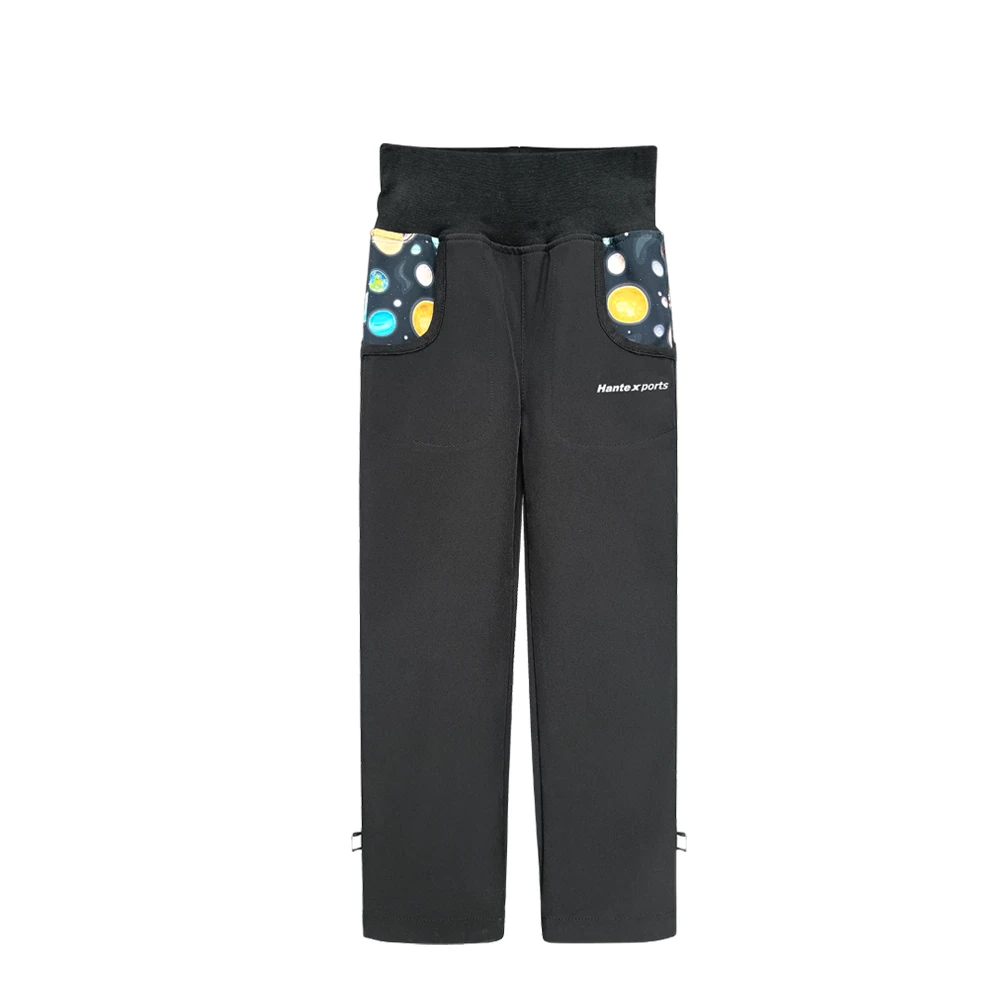
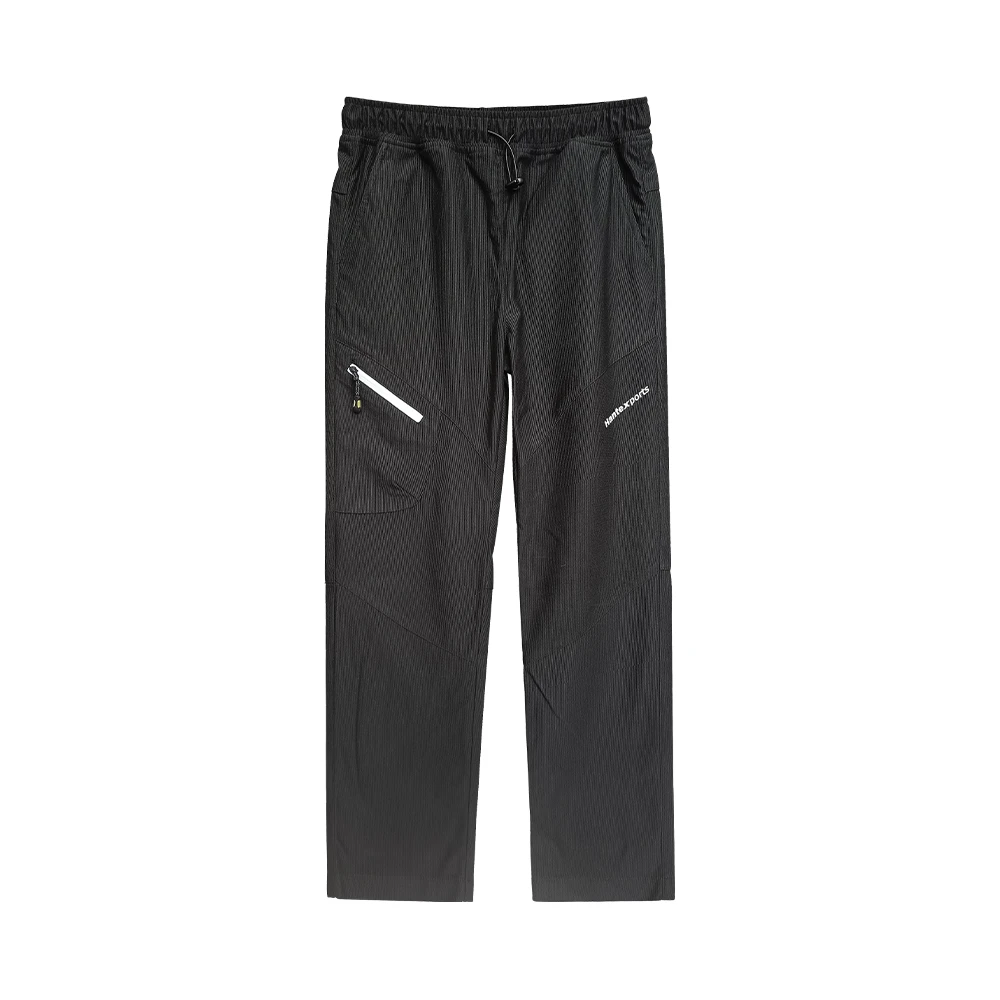
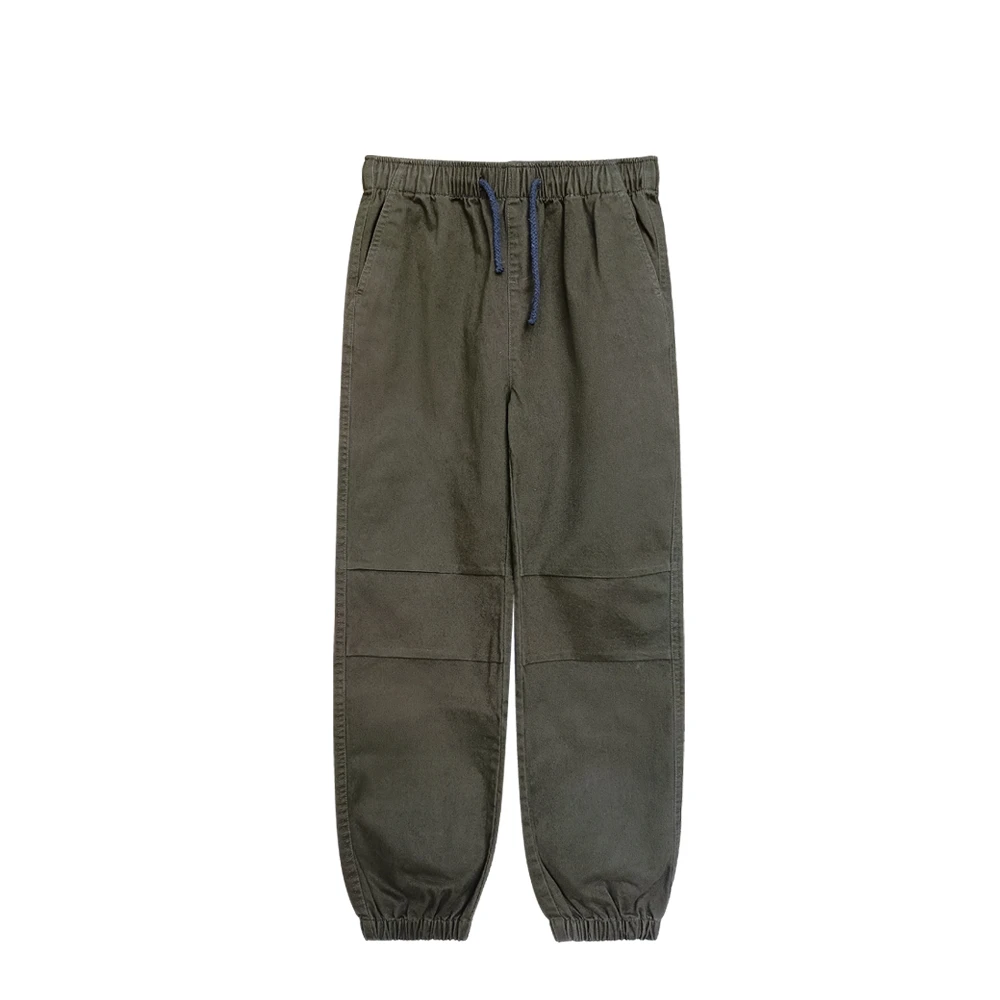
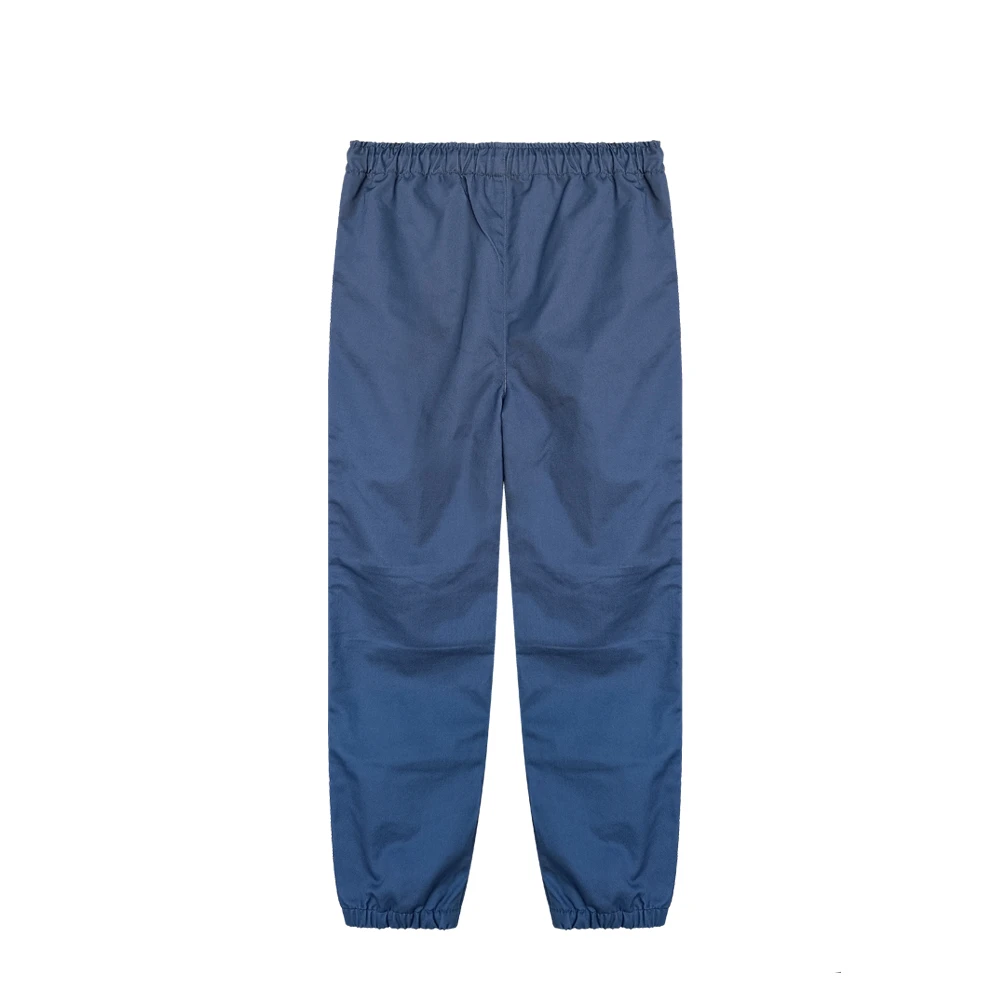
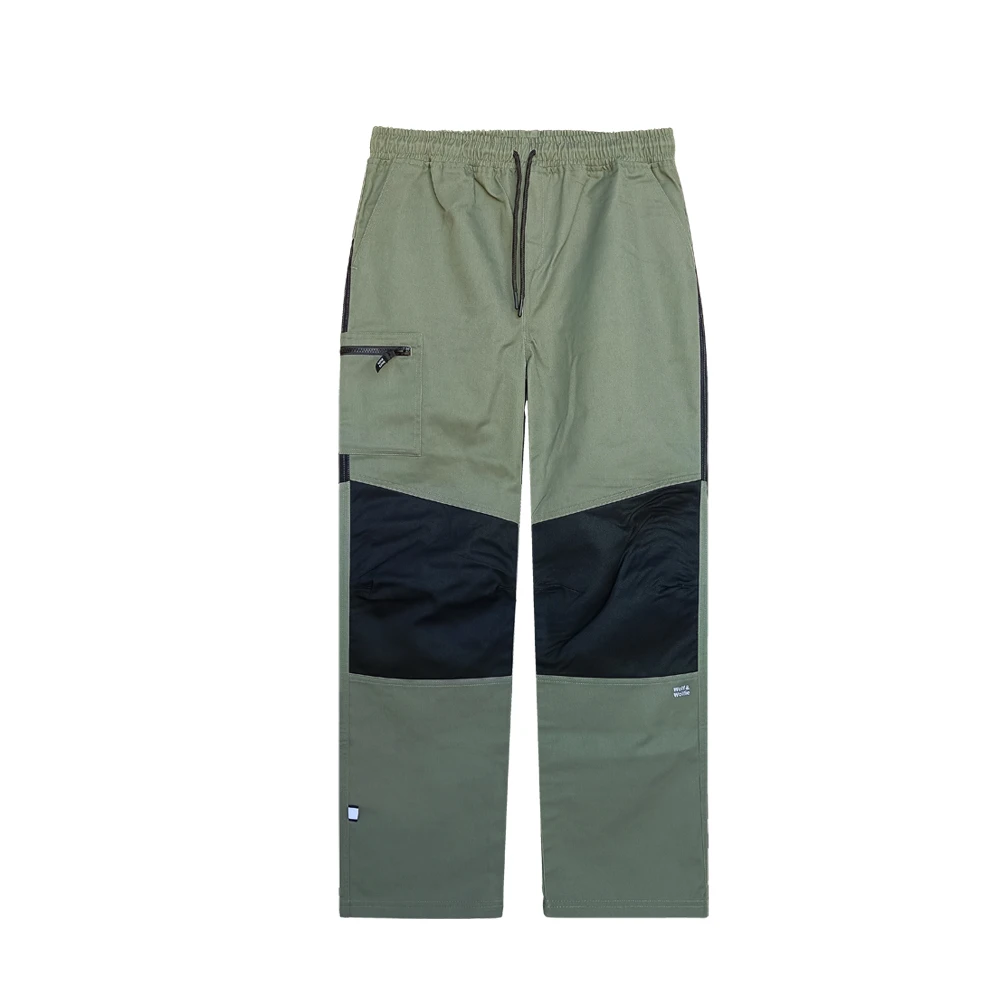
Put simply, kids snow pants are specially designed trousers intended for children to wear in snowy or icy conditions. They’re constructed with technical fabrics that repel moisture, insulate against the cold, and resist tears. The design usually features a reinforced seat, adjustable straps or waistbands, and sometimes gaiters to keep snow out of boots.
While they might seem like just “thicker pants,” these are actually products born from engineering focused on children’s unique needs—smaller frames, greater sensitivity to cold, and the boundless energy that leads to all kinds of roughhousing in the snow. From a humanitarian perspective, kids snow pants also help in disaster response scenarios where displaced populations face subzero temperatures and have children needing reliable outerwear.
Core Components That Make Kids Snow Pants Effective
1. Waterproofing and Breathability
It’s a delicate balance. If pants are waterproof but don’t “breathe,” kids sweat will soak the inner layers, making them cold once activity slows. Fabrics like Gore-Tex or proprietary blends seek to keep moisture out while allowing sweat vapor to escape. Many engineers agree this is the single most crucial fabric technology in snow pants.
2. Insulation
Insulation is what keeps kids warm between bursts of running or skiing down slopes. Synthetic insulation, such as Thinsulate, is preferred because it retains warmth even when wet. In low-budget options, fleece lining or quilted padding is common — less technical but still serviceable.
3. Durability
Kids can be, honestly, pretty rough on their gear. Reinforced knees, seat panels, and crotch areas prevent pants from ripping after a few snowy tumbles. Ripstop nylon fabrics or Cordura overlays are often utilized here.
4. Fit and Adjustability
Growing kids are a tough audience. Snow pants need adjustable waistbands, elastic or Velcro cuffs, and sometimes suspenders to get a good fit and extend the garment’s lifecycle — a bit of budget stretched over a chilly winter or two.
5. Safety Features
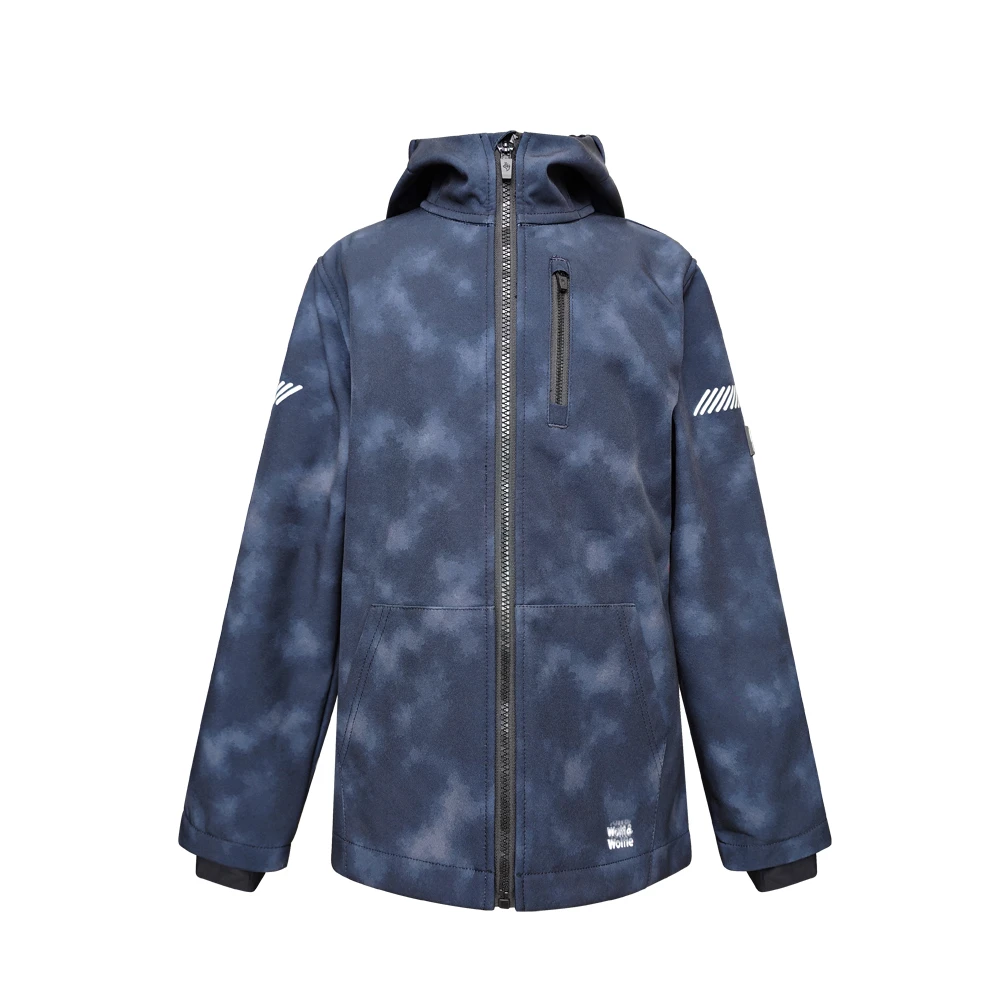
Reflective strips and bright color-blocking add a visibility factor to help parents and guardians spot their kids in the snow. Sometimes, small pockets or loops are added to hold safety devices like whistles.
Mini takeaway: Kids snow pants combine fabric tech, thoughtful fit, and durability — all balanced to keep young adventurers happy and safe outdoors.
How Kids Snow Pants Are Used Worldwide
From the ski slopes of the Alps to the snowy backyards of Canada and bustling winter festivals in Japan, kids snow pants are pivotal gear. In colder countries, they're everyday winter essentials for schooldays and playground breaks.
Interestingly, NGOs working in refugee camps in countries with harsh winters use insulated kids snow pants as part of their emergency relief cache — acknowledging the basic need to protect children from the cold, even in the toughest conditions. In remote mining towns up north or Arctic research stations, durable kids snow pants are standard wear, issued alongside heavy coats and boots to young family residents.
The apparel industry is also seeing subscription models wherein parents receive season-specific outerwear shipped annually, which includes kids snow pants. This reflects a growing awareness of sustainability by reducing waste and ensuring proper fit each year.
Advantages of Quality Kids Snow Pants
- Thermal Protection: Prevents cold-related illnesses by maintaining steady body temperatures.
- Waterproofing: Allows kids to play freely in wet snow without discomfort.
- Durability: Long-lasting wear saves families money and reduces waste.
- Safety: Reflective accents increase visibility in low light.
- Social & Emotional: Confidence in weather gear encourages outdoor activity and socialization.
It’s a mix of practical benefits and the trust parents feel when they know their kids won’t come in covered in snow or worse, hypothermic. Plus, there’s something charmingly nostalgic about kids romping around in snow gear — it’s like winter magic you can wear.
Looking Ahead: Trends and Innovations in Kids Snow Pants
Clothing technology never stands still. Sustainability is a huge buzzword, and many manufacturers now rely on recycled polyester and PFC-free durable water repellents to reduce ecological footprints. The ongoing digital transformation means producers integrate QR labels for parents to access care instructions or recycle info. Some brands experiment with embedded heating panels controlled by smartphone apps — though those remain pricey and niche for now.
Interestingly, automation in manufacturing is speeding up production while maintaining quality, making technical fabrics more affordable. Lastly, parents increasingly demand ethically made products, so social impact audits are becoming standard in the supply chain.
Common Challenges & Expert Solutions
One of the enduring issues with kids snow pants? Getting the balance right between breathability and waterproofing, especially for active kids. Too waterproof, and the kids get sweaty and cold eventually. Too breathable, and they get wet from outside snow.
Experts often recommend layering — pairing snow pants with technical base layers and moisture-wicking socks to mitigate this. Another challenge is proper fit: ill-fitting pants can cause discomfort or reduce insulation. Here, adjustable pants or modular systems with removable liners help extend usability.
Lastly, many families find cost restrictive. Affordable brands are catching up with technical features, and rental/hand-me-down systems are becoming popular—for obvious reasons of both budget and sustainability.
Product Specification Table
| Feature | Typical Specification | Manufacturer A | Manufacturer B |
|---|---|---|---|
| Waterproof Rating | 5,000 mm | 10,000 mm | 7,000 mm |
| Insulation | Thinsulate 100g | Thinsulate 150g | Fleece Lining |
| Fabric | Polyester Ripstop | Recycled Nylon | Polyester Ripstop |
| Adjustability | Elastic Waist & Cuffs | Velcro & Adjustable Suspenders | Elastic Waist Only |
| Reflective Details | Yes | Yes, with LED Trim | Minimal |
Vendor Comparison for Kids Snow Pants
| Vendor | Price Range | Eco-Friendly Options | Warranty Length | Customizability |
|---|---|---|---|---|
| SnowKids Co. | $40–$70 | Yes (Recycled fabrics) | 2 Years | Color & size options |
| Arctic Tykes | $60–$90 | Limited (Bluesign certified) | 3 Years | Suspender lengths |
| FrostGuard | $35–$65 | No | 1 Year | Standard options |
FAQ: Frequently Asked Questions About Kids Snow Pants
What materials make the best waterproof kids snow pants?
Look for fabrics featuring a durable water repellent (DWR) finish combined with a waterproof membrane like Gore-Tex or similar technology. These materials block snow and moisture but allow perspiration to escape, keeping kids dry inside and out. Polyester or nylon ripstop with insulation are typical.
How do I choose the right size for growing kids?
Opt for adjustable features such as elastic waistbands or suspenders. This flexibility extends the garment’s usefulness as children grow. Measure child’s waist, inseam, and height carefully and compare to brand sizing charts; when in doubt, size up slightly.
Are kids snow pants machine washable?
Yes, most are designed to be machine washed on gentle cycles. However, it’s important to follow manufacturer’s instructions, use appropriate detergents, and occasionally reapply a waterproofing spray to maintain efficacy.
Can kids snow pants be used in rainy conditions?
While primarily designed for snow, the waterproof properties make them equally suitable for rain. Their insulation might be overkill for mild rainy weather, so layering accordingly is advised.
What are the best brands known for sustainable kids snow pants?
Brands like SnowKids Co. and Arctic Tykes have made strides in using recycled materials and certifications like Bluesign and OEKO-TEX, ensuring both sustainability and child safety standards.
Final Thoughts: Why Investing in Quality Kids Snow Pants Pays Off
All things considered, kids snow pants are more than just winter wardrobes; they’re vital protective gear enabling safe, comfortable outdoor play and exploration. Investing in quality snow pants means better durability, safety, and comfort — and that you’re equipping the next generation for healthy winters. Whether for backyard sledding or international humanitarian work, these garments matter.
If you’re searching for expert-vetted, reliable kids snow pants, be sure to visit our curated collection at kids snow pants.
Until next time, keep those little feet warm and ready.
References:
1. World Health Organization – Cold Weather Health Risks (https://www.who.int)
2. ISO 11079 – Ergonomics of the thermal environment (https://www.iso.org)
3. Gore-Tex Technology Overview (https://www.gore.com)