Understanding Kids Rain Pants: Why They Matter Worldwide
If you’ve ever been caught in a sudden downpour with kids, you know the struggle is real. Kids rain pants might sound like a niche item, but they’re more important globally than many realize. Beyond just keeping children dry, these waterproof pants play a vital role in maintaining health, comfort, and even dignity for kids in varied environments — from rainy city streets to remote refugee camps. Understanding what makes kids rain pants essential can help parents, organizations, and industries worldwide make better choices that ensure kids stay dry and warm, regardless of where they live.
After all, rainwater often brings more than inconvenience − it spreads disease, chill, and sometimes limits a child’s ability to explore or attend school safely. So investing in effective rainwear is not just about convenience; it’s a global health and social issue in disguise.
The Global Scene: Where Kids Rain Pants Become a Practical Necessity
From the rainy monsoon regions of South Asia to temperate climates in Europe and North America, rain doesn’t discriminate. According to UNICEF, ensuring children have adequate protective clothing is crucial for their well-being. In many developing countries, where infrastructure to cope with heavy rains is limited, keeping kids dry prevents illnesses such as pneumonia and hypothermia.
Meanwhile, urban dwellers rely on kids rain pants for quick, reliable protection during unpredictable weather. The World Bank highlights that climate change is increasing extreme weather events globally, so waterproof children’s wear is becoming more important than ever — especially where outdoor play and travel are daily routines.
Oddly enough, in humanitarian contexts, kids rain pants also help maintain children’s dignity in refugee camps by providing a small but meaningful shield against the elements. So, a seemingly simple garment addresses complex, multi-layered global challenges.
What Exactly Are Kids Rain Pants?
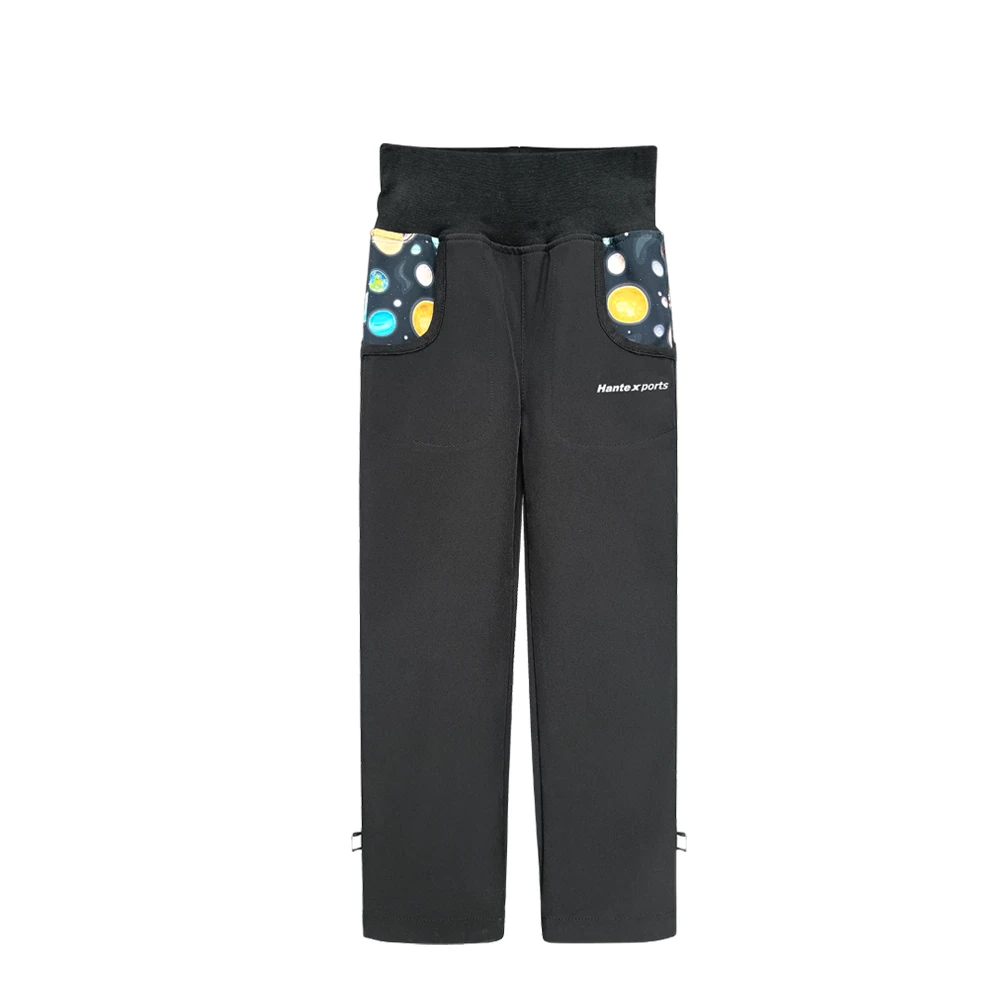
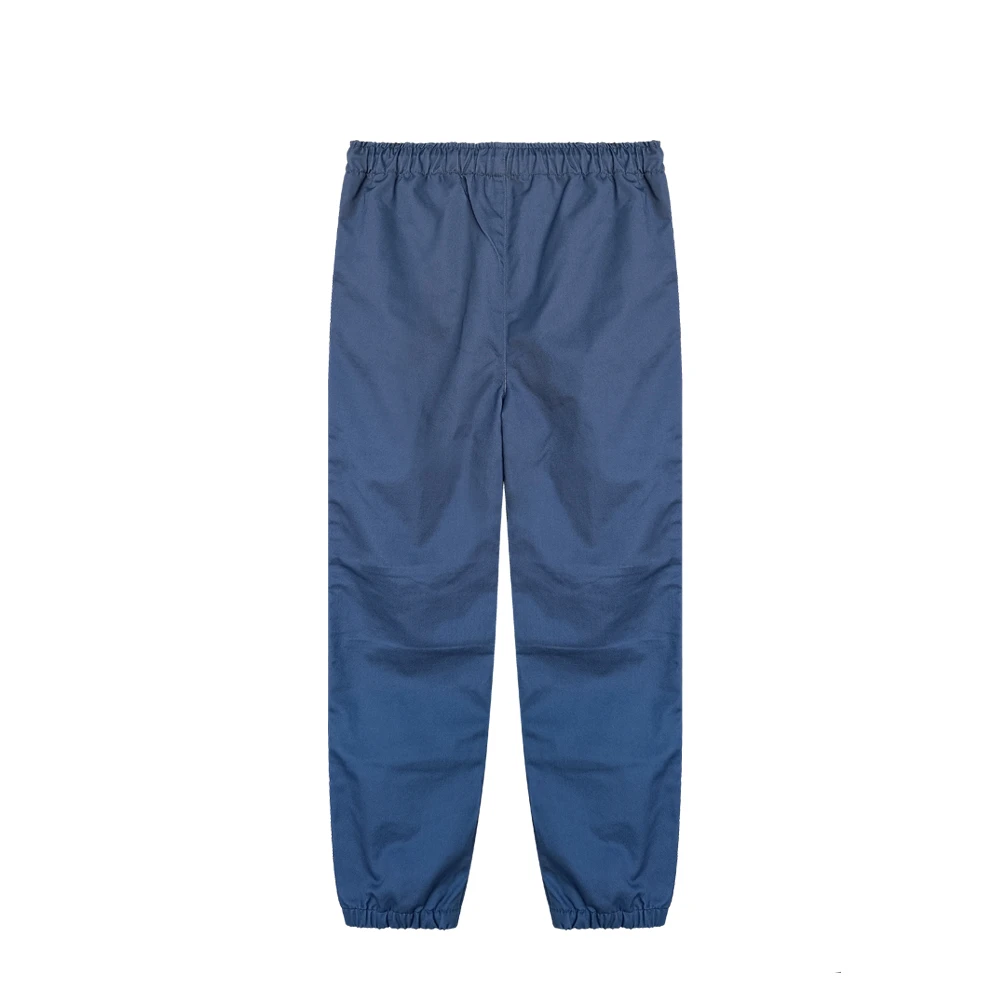
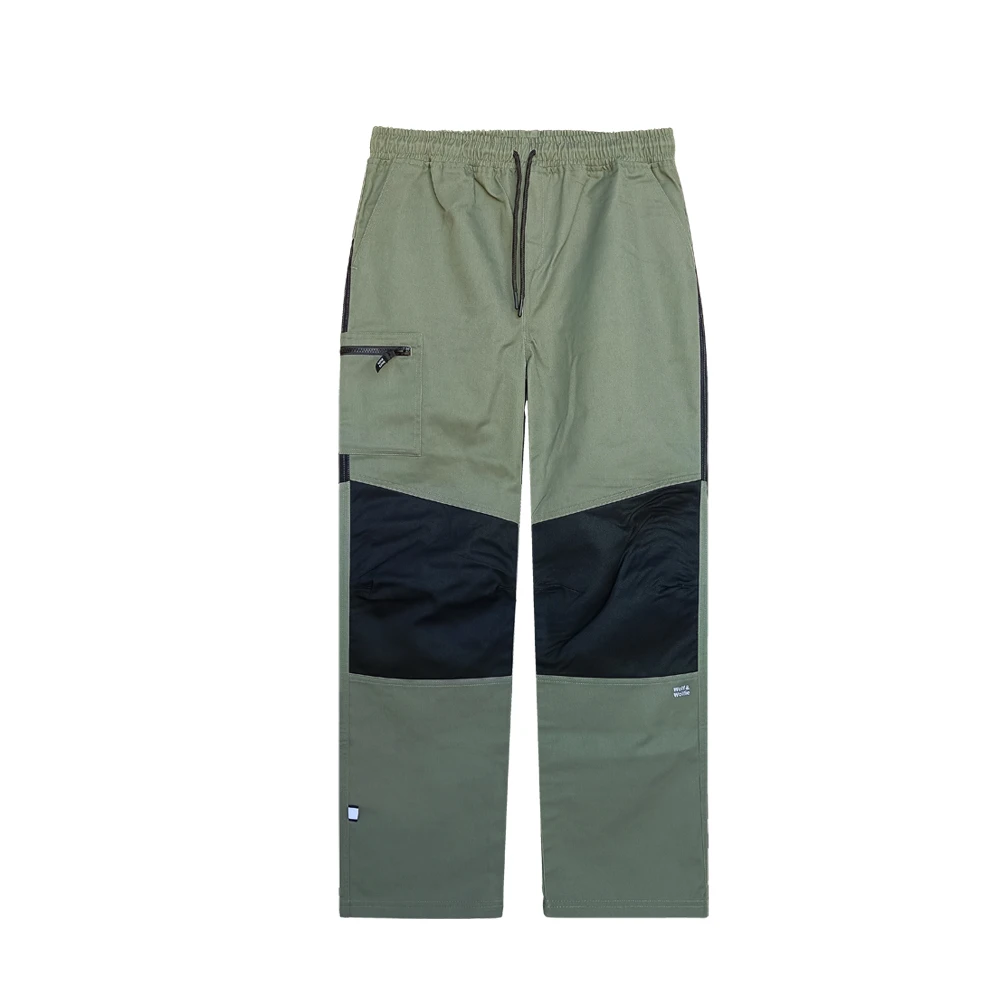
Simply put, kids rain pants are waterproof or water-resistant trousers designed specifically to keep children dry in wet conditions. Typically made from coated or laminated fabrics like polyurethane or PVC, these pants are light and flexible enough for kids to play, run, and explore freely without getting soaked.
From a broader perspective, kids rain pants tie into modern industry needs — especially in textiles and apparel — where innovation meets functionality. For NGOs and schools operating in rain-prone areas, these pants are more than garments; they’re tools for health and continuity in children’s education and social life.
Core Elements That Make Kids Rain Pants Work
1. Waterproof Durability
Durability is king here. Pants must withstand constant movement and rough outdoor play but still block out rain. Many manufacturers use multi-layered fabrics combining a waterproof membrane with abrasion-resistant outer layers to achieve this balance.
2. Breathability
Simply blocking rain isn’t enough — without breathability, kids sweat inside, which can quickly lead to chills. A good pair of rain pants allows moisture vapor to escape while keeping liquid water out, often through breathable membranes like Gore-Tex or proprietary fabrics.
3. Comfort & Fit
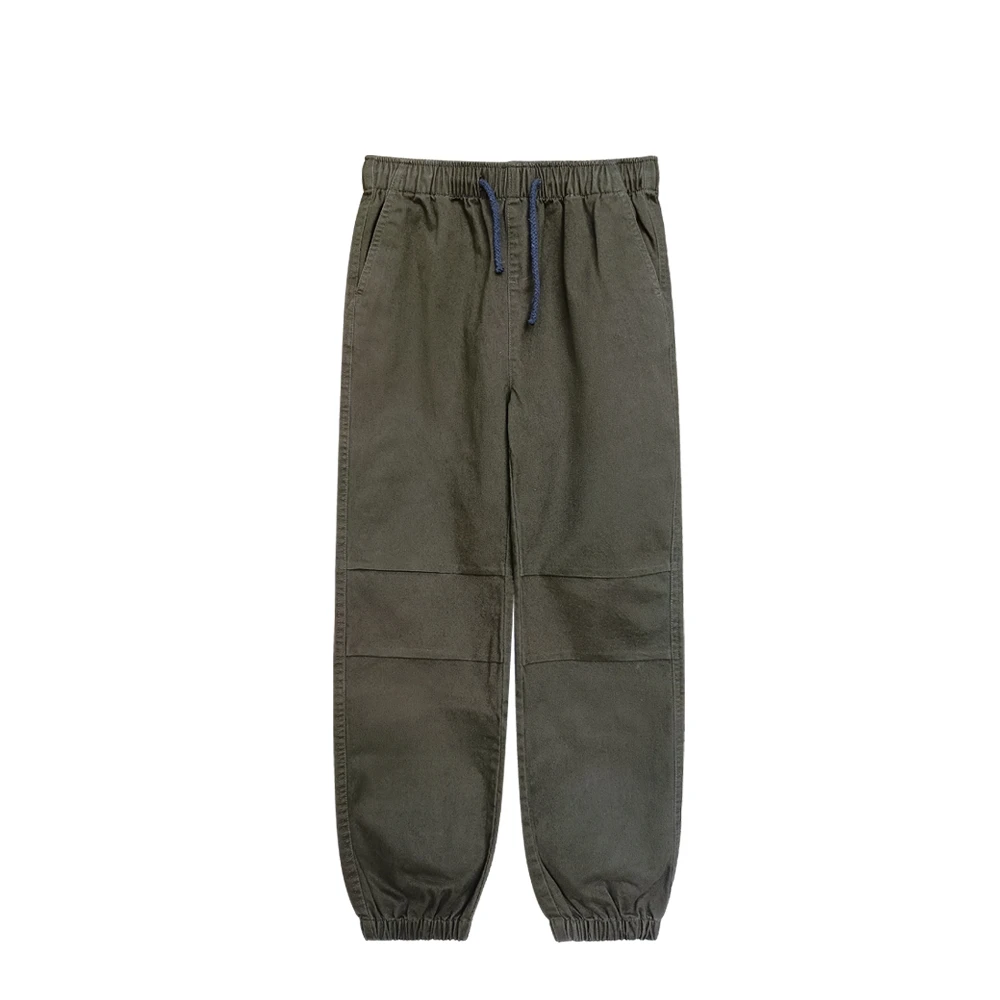
Kids aren’t tiny adults. Comfort features like adjustable waistbands, articulated knees, and elastic cuffs make a big difference, allowing freedom of movement and easy layering.
4. Safety Features
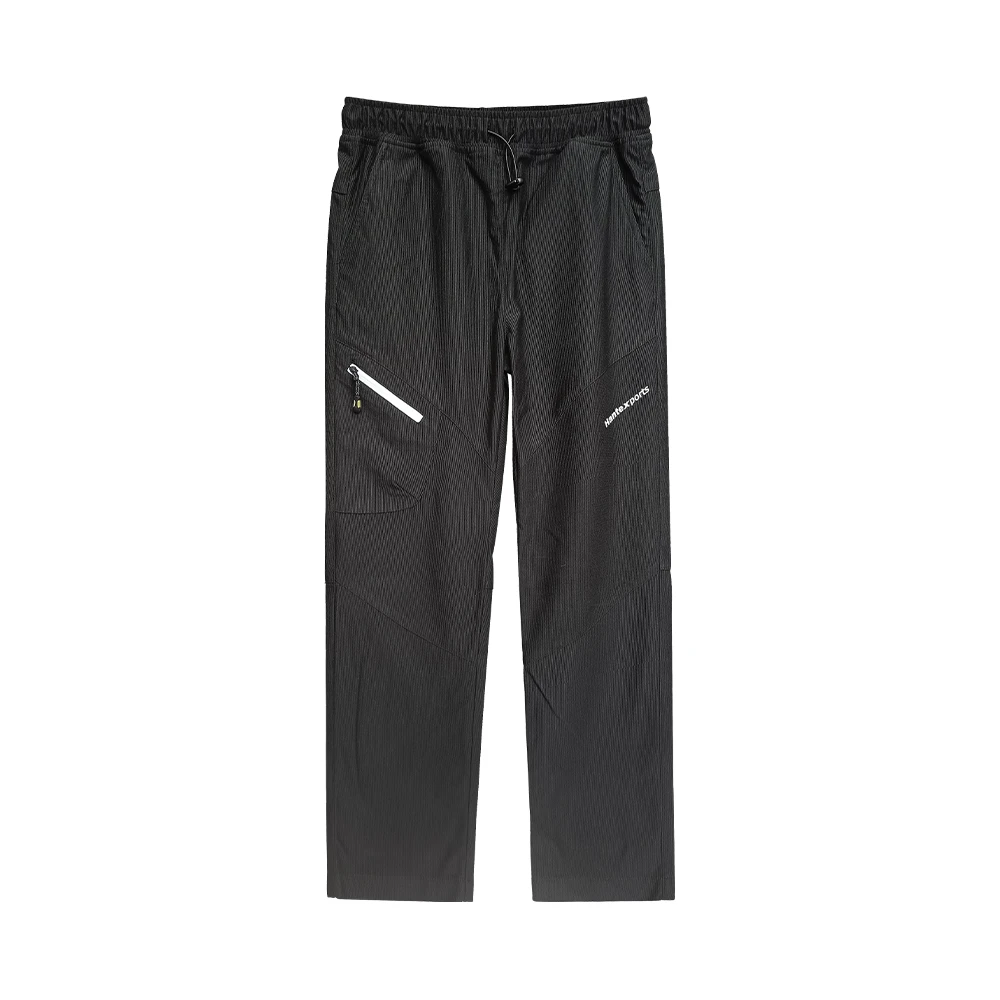
Reflective strips or bright colors are often added for extra visibility during gloomy weather. This practical touch aids safety, especially around busy streets or in low-light conditions.
5. Sustainability Considerations
It’s becoming increasingly clear that eco-friendly materials and production methods matter. Brands focusing on recycled fabrics and PFC-free waterproofing contribute positively to a greener future.
How Kids Rain Pants Are Used Across the Globe
Kids rain pants have wide-ranging applications, spanning:
- Education: Schools in rainy regions supply rain pants so children can stay dry walking to school or playing outside.
- Disaster Relief: Humanitarian agencies distribute them to displaced families after floods or hurricanes, providing essential protection.
- Outdoor Recreation: Parents and activity groups rely on them for camping, hiking, and sports during wet seasons.
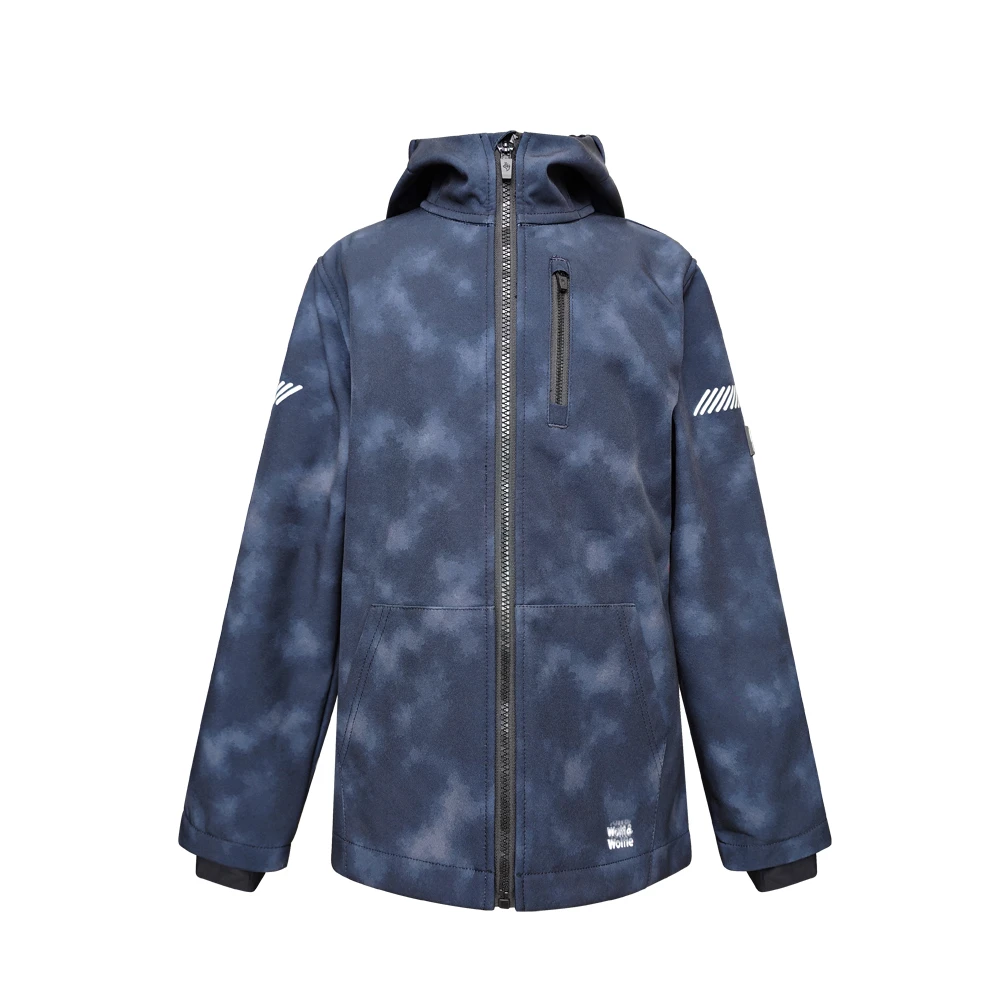
- Urban Daily Wear: In cities with unpredictable weather, kids rain pants pair with rain jackets and boots as standard gear.
For example, in Bangladesh—a country prone to monsoon floods—NGOs distribute kids rain pants widely to prevent illness and keep kids active despite the weather. Similarly, Nordic countries design technical rain pants combining insulation and waterproofing to tackle cold, wet winters.
Key Advantages and Long-Term Benefits
Kids rain pants provide more than just dry legs. Here’s why they’re invaluable:
- Health Protection: Prevent illnesses caused by wet and cold conditions, reducing medical expenses and absenteeism from school.
- Enhanced Safety: Visibility options reduce accident risks in poor weather.
- Longevity & Cost Efficiency: Durable pants reduce frequent replacements, saving families money long-term.
- Social & Emotional Impact: Children feel freer to explore and play, improving mental well-being and physical fitness.
- Environmental Responsibility: Innovations in sustainable materials reduce ecological footprints, which matter when buying for growing kids.
Frankly, there’s a trust that forms when you outfit a child properly — parents feel better, and kids often behave better when comfortable. It’s a pretty simple yet profound chain reaction.
Kids Rain Pants: Product Specifications
| Feature | Specification |
|---|---|
| Material | Polyurethane laminated nylon / recycled polyester |
| Waterproof Rating | 10,000 mm (standard for heavy rain) |
| Breathability | 5,000 g/m²/24h (moisture vapor transmission) |
| Weight | 250 grams (lightweight for mobility) |
| Safety Features | Reflective bands, bright colors option |
| Care Instructions | Machine washable, cold water, no fabric softener |
Comparing Top Vendors of Kids Rain Pants
| Brand | Price Range | Sustainability | Durability Rating | Special Features |
|---|---|---|---|---|
| RainKids Co. | $30 - $45 | Uses recycled fabrics | High (3-year warranty) | Adjustable waistband, reflective trims |
| PlayDry Apparel | $25 - $40 | PFC-free waterproofing | Medium (1.5 years typical use) | Bright neon colors, stretch panels |
| EcoPuddle Gear | $35 - $50 | 100% recycled polyester | High | Fully seam-sealed, organic dye |
The Future of Kids Rain Pants: What’s Next?
Sustainability remains the hot topic. More brands experiment with bio-based waterproof membranes and zero-waste production. Also emerging are digital customization platforms allowing parents to tailor designs and sizes more precisely, reducing returns and waste.
Innovations like self-cleaning fabrics and integrated solar chargers in outdoor gear look promising, though not mainstream yet for kids rain pants. Still, these advancements hint at a future where rainwear is smarter, greener, and utterly kid-friendly.
Facing Challenges Head-On: Common Issues and Solutions
Some hurdles remain:
- Cost Barrier: High-quality, sustainable kids rain pants often cost more, which can deter low-income families.
- Fit Problems: Kids grow fast, so sizing imprecision leads to frustration.
- Environmental Impact: Despite improvements, waterproof coatings often contain questionable chemicals.
Solutions include NGO subsidies, adjustable sizing designs, and pushing for stricter eco standards like ISO environmental certifications. Layering kids rain pants with other waterproof gear can extend usage seasons, too.
Frequently Asked Questions About Kids Rain Pants
Q1: How do kids rain pants differ from adult rain pants?
A: Kids rain pants are designed with flexibility, comfort, and fit tailored for children's unique body shapes and activity levels. They often include features like adjustable waistbands, elastic cuffs, and safety elements such as reflective strips that may be less common in adult styles.
Q2: Can kids rain pants be used for other outdoor activities besides rainy days?
A: Absolutely. These pants are excellent for muddy play, camping, hiking, and other outdoor adventures where protection from moisture or dirt is needed. Breathability and durability make them versatile beyond wet weather alone.
Q3: How should I care for kids rain pants to maximize lifespan?
A: Most kids rain pants should be machine washed cold with mild detergent, avoiding fabric softeners and bleach. Air drying is recommended to preserve waterproof coatings. Always check manufacturer care labels.
Q4: Are rain pants safe for prolonged wear indoors?
A: While water-resistant pants can be worn indoors briefly, prolonged wear might cause overheating or skin irritation due to reduced breathability, so it’s best to remove them once inside.
Q5: Where can I find eco-friendly kids rain pants?
A: Look for brands highlighting recycled materials, PFC-free finishes, and transparency about their supply chain. Some retailers specialize in sustainable children’s outdoor gear — worth exploring when shopping.
Wrapping Up: The Last Word on Kids Rain Pants
In real terms, kids rain pants are more than just weather gear — they’re a small piece in a big puzzle involving child health, global sustainability goals, and everyday practicality. Investing thoughtfully in quality, fit, and eco-consciousness means kids can enjoy the outdoors safely and comfortably, rain or shine.
Looking to explore our recommended kids rain pants selection? Visit kids rain pants for options that combine functionality, style, and consciousness.
References:
1. UNICEF - Child protection and clothing
2. World Bank - Climate Change and Adaptation
3. ISO Environmental Standards