Non-Woven Protective Face Masks: A Comprehensive Guide
In today's world, prioritizing health and safety is paramount, and non-woven protective face masks have become essential tools in safeguarding ourselves and others. From healthcare settings to everyday life, these masks offer a vital barrier against airborne particles and potential infections. This article provides an in-depth exploration of non-woven face masks, covering their features, benefits, applications, and what to look for when choosing the right mask for your needs. Understanding the quality and certifications is crucial for effective protection.
Understanding Non-Woven Fabric and Its Benefits
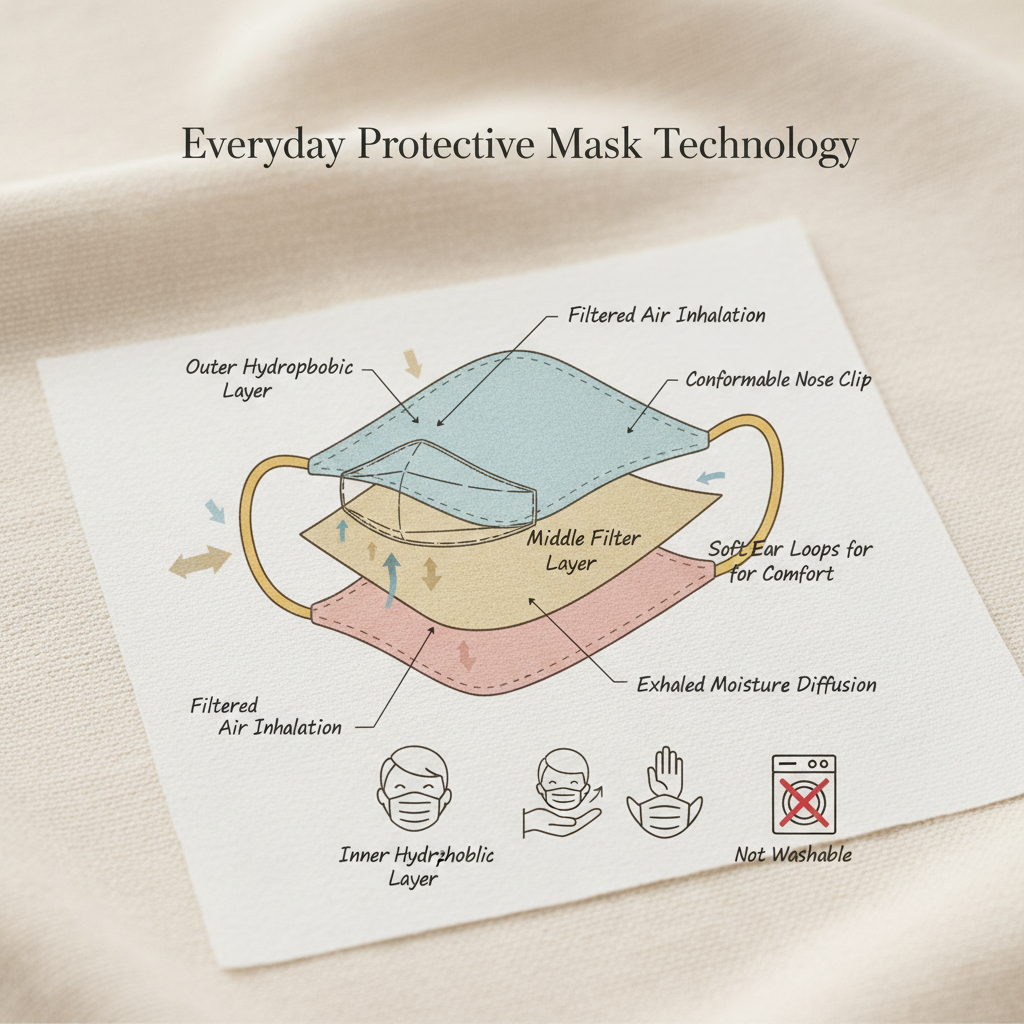
Non-woven fabrics are created by bonding fibers together through mechanical, thermal, chemical, or solvent means, rather than weaving or knitting. This unique construction provides several advantages for face mask production. They offer excellent filtration capabilities, are lightweight and breathable, and are cost-effective to manufacture. Different materials like polypropylene are commonly used due to their hypoallergenic properties and resistance to moisture. The porous nature of non-woven fabrics allows for airflow while effectively trapping airborne particles, making them ideal for respiratory protection. Softshell Clothing provides a range of high-quality non-woven masks designed for optimal comfort and protection.
Key Benefits of Non-Woven Masks: Excellent filtration, lightweight and breathable, cost-effective, hypoallergenic, and moisture-resistant.
Types of Non-Woven Face Masks and Their Applications
Non-woven face masks come in various types, each suited for different applications. Common types include:
- 3-Ply Masks: The most commonly used type, offering a good balance of filtration and breathability for general use.
- N95 Masks: Provide a higher level of filtration (95% of airborne particles) and are often used in healthcare settings and by individuals exposed to hazardous materials.
- KF94 Masks: Korean standard similar to N95, offering high filtration efficiency.
- Surgical Masks: Designed for use in surgical environments to prevent contamination.
Mask Type Comparison:
• 3-Ply: General Use, Everyday Protection
• N95/KF94: Healthcare, High-Risk Environments
• Surgical Masks: Operating Rooms, Medical Procedures
Non-Woven Protective Face Masks: Key Features & Specifications
When selecting non-woven protective face masks, consider the following key features and specifications. These details will ensure the product meets the required safety standards and offers adequate protection.
Comparing Non-Woven Masks: Performance and Cost
The price of non-woven face masks can vary significantly depending on the type, brand, and quantity purchased. Generally, 3-ply masks are the most affordable, while N95 and KF94 masks are considerably more expensive due to their higher filtration capabilities and manufacturing complexity. It's essential to balance cost with performance and ensure the chosen mask meets the required safety standards. Consider bulk purchasing for cost savings, especially for organizations requiring large quantities.
Proper Usage and Disposal of Non-Woven Face Masks
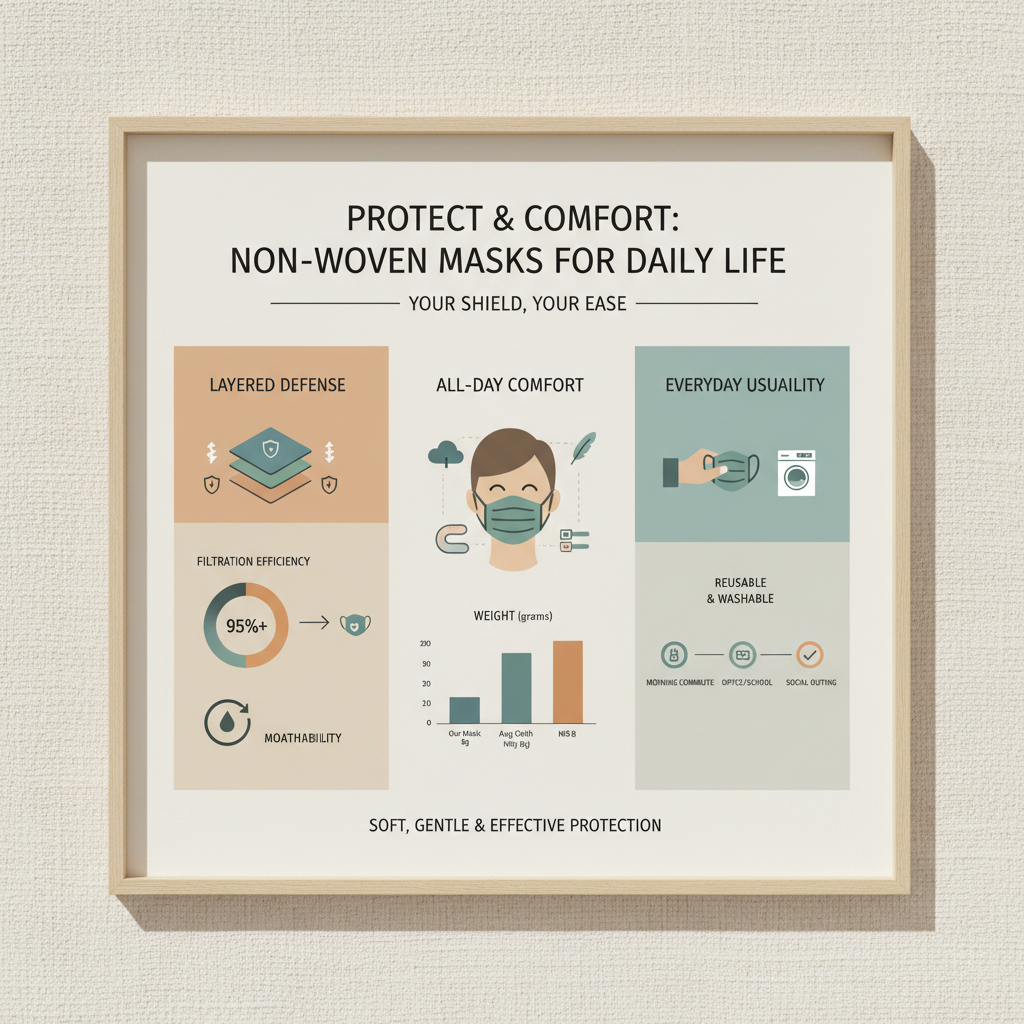
To maximize the effectiveness of non-woven face masks, proper usage and disposal are crucial. Ensure the mask fits snugly over your nose and mouth, with no gaps around the sides. Avoid touching the mask while wearing it. Discard used masks responsibly in a designated waste container. Do not reuse disposable masks. Regular hand hygiene, along with mask wearing, is essential for preventing the spread of infections. Following these guidelines will help ensure optimal protection for yourself and others.
Conclusion: Staying Protected with Quality Non-Woven Masks
Investing in high-quality non-woven protective face masks is a vital step in safeguarding your health and the health of those around you. Understanding the different types, features, and proper usage of these masks is key to maximizing their effectiveness. Softshell Clothing is committed to providing reliable and effective protection for all your needs.
Frequently Asked Questions (FAQs)
What is the difference between a surgical mask and an N95 mask?
Surgical masks are designed to protect against splashes and large droplets, primarily preventing the wearer from spreading infection. N95 masks, on the other hand, offer a higher level of filtration, blocking at least 95% of airborne particles, including very small droplets and aerosols. N95 masks require a tight seal to the face to be effective, and are generally used in situations where exposure to airborne hazards is likely. The primary difference lies in the level of filtration and the intended use case.
How often should I change my face mask?
You should change your face mask whenever it becomes visibly soiled, wet, or damaged. If you're using a disposable mask, it should be changed after each use. For reusable masks, follow the manufacturer's instructions for cleaning and disinfecting. Regular mask changes are crucial to maintain its effectiveness and prevent the buildup of contaminants. In high-risk environments, more frequent changes may be necessary.
Are non-woven masks breathable?
Yes, non-woven masks are designed to be breathable. The structure of the non-woven fabric allows for airflow while still providing effective filtration. However, breathability can vary depending on the number of layers and the density of the fabric. Choosing a mask with appropriate breathability is essential for comfortable and prolonged use, especially during physical activity.
What certifications should I look for when buying non-woven masks?
Look for certifications like CE marking (European Conformity), FDA approval (US Food and Drug Administration), and EN 14683 (European standard for medical face masks). These certifications indicate that the mask has been tested and meets specific safety and performance standards. Always choose masks from reputable suppliers that can provide documentation of these certifications.