Choosing the Right Safety Reflective Pant for Enhanced Visibility
In environments where low-light conditions or hazardous machinery are present, ensuring worker visibility is paramount. Safety reflective pants play a critical role in preventing accidents and promoting a safer work environment. This article provides a comprehensive guide to selecting the best safety reflective pants, covering key features, standards, applications, and considerations for optimal protection. Investing in quality reflective workwear is a vital step in prioritizing workplace safety and minimizing risks.

Understanding the Importance of Safety Reflective Pants
Safety reflective pants are designed to enhance the visibility of workers, particularly in low-light conditions, during nighttime work, or in environments with limited visibility. They achieve this through the incorporation of retroreflective materials that bounce light back to its source, making the wearer easily noticeable to drivers, equipment operators, and other personnel. This significantly reduces the risk of being struck by vehicles or machinery, leading to fewer workplace accidents. These pants are particularly important in industries like construction, road work, transportation, and emergency services where visibility is a crucial safety factor. Choosing the right pair of high-visibility pants can mean the difference between a safe workday and a preventable incident.
Key Benefits: Enhanced visibility in low-light conditions, reduced risk of accidents, improved worker safety, and compliance with safety regulations.
Key Features to Look for in Safety Reflective Pants
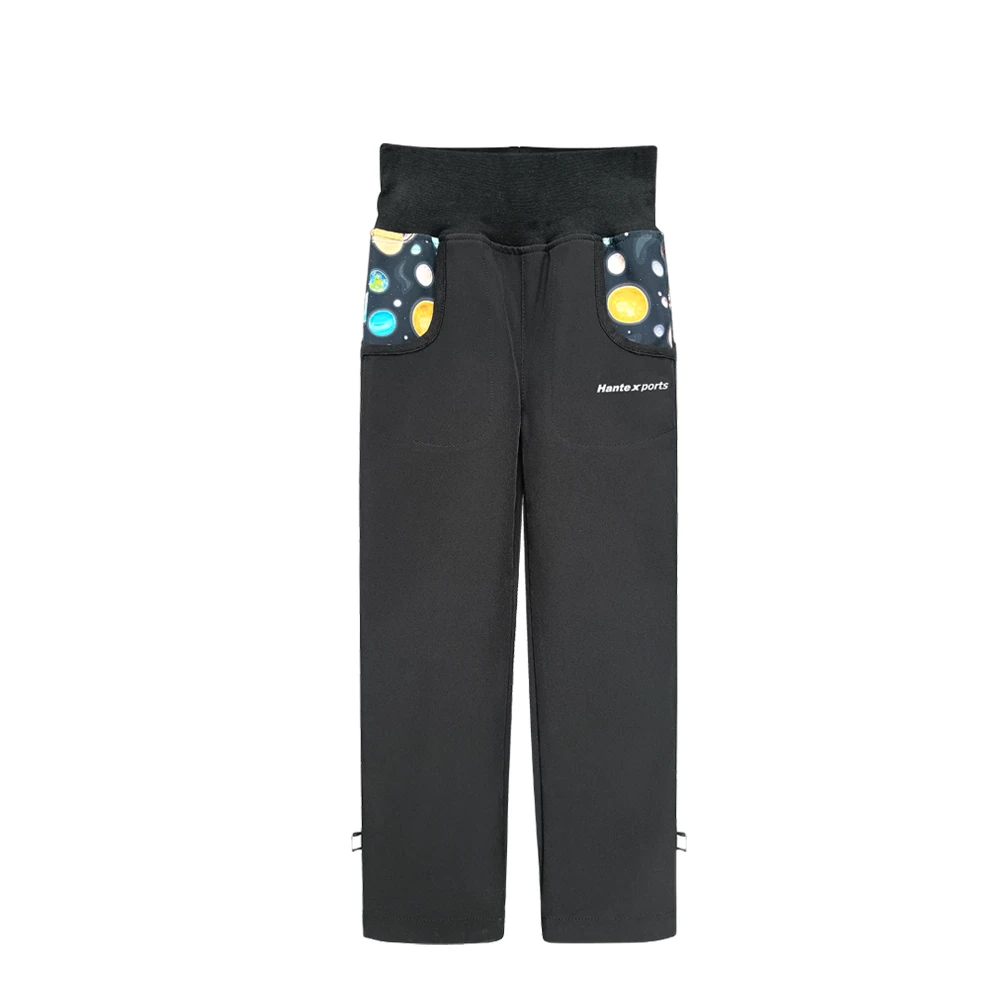
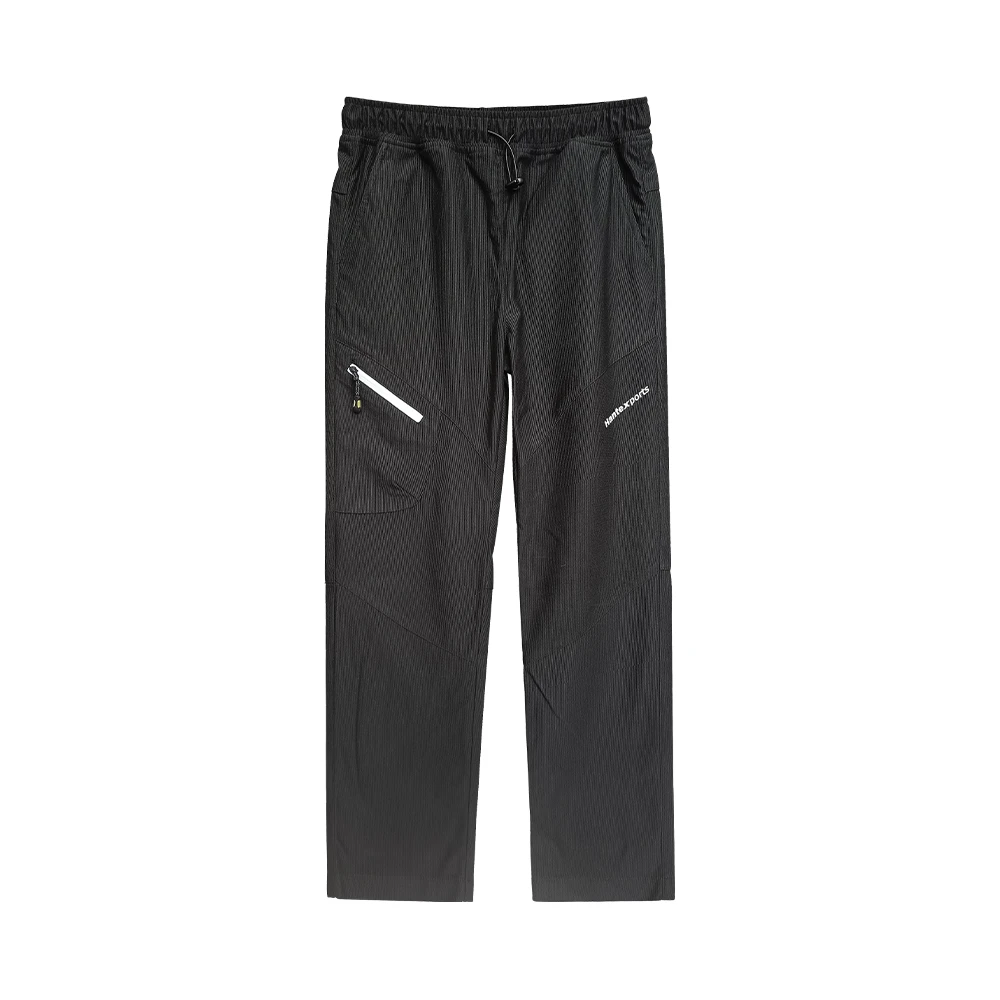
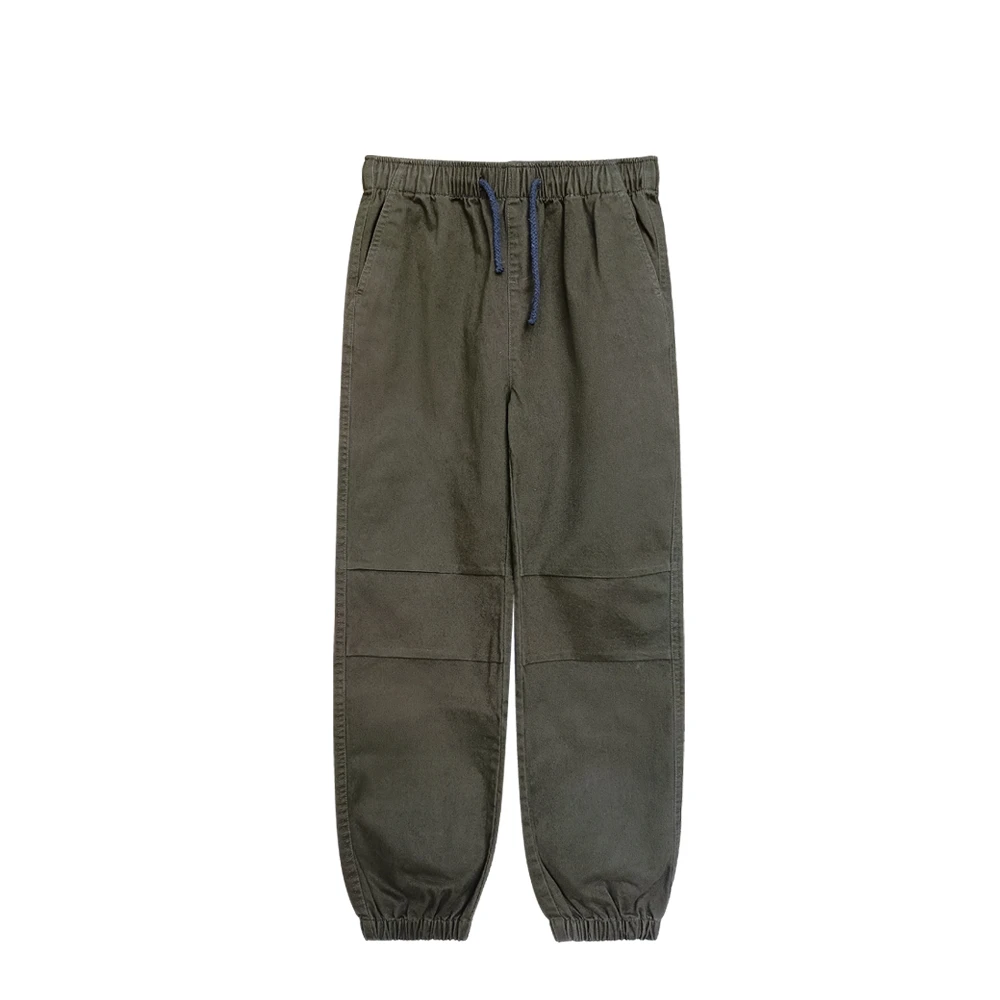
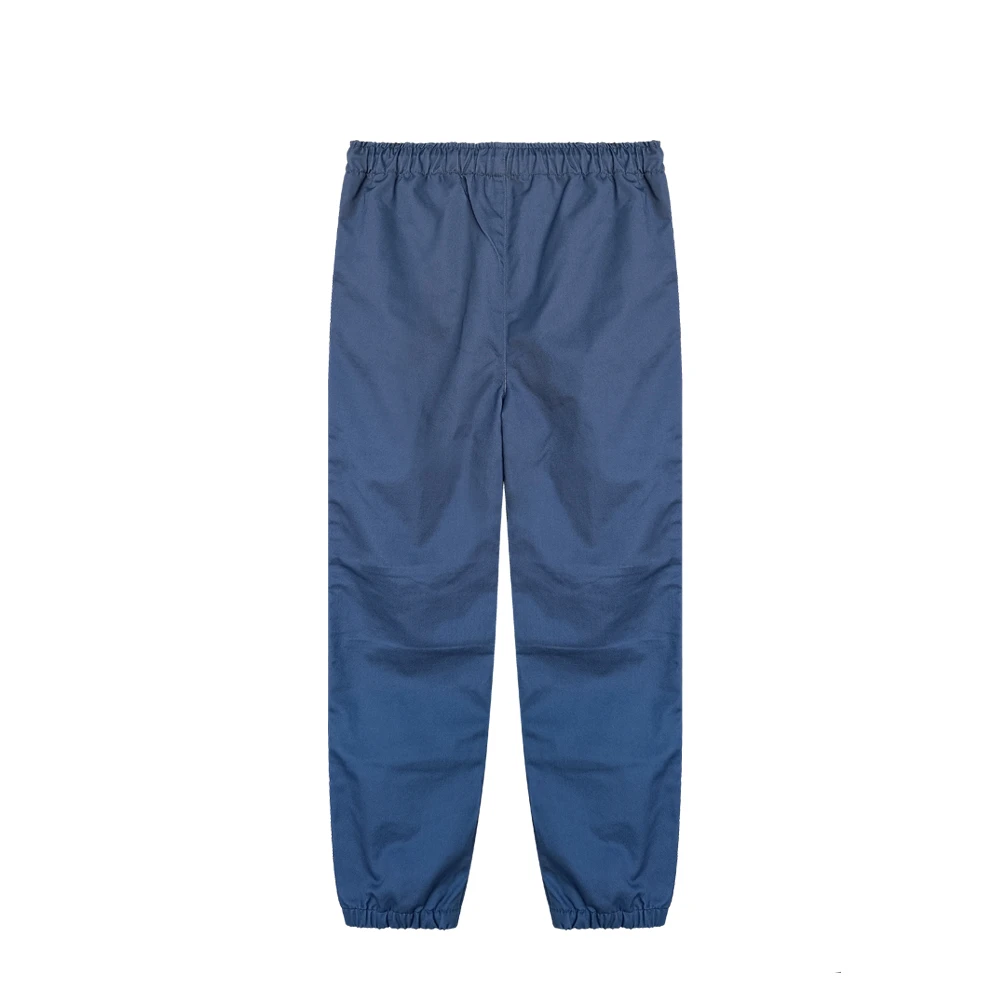
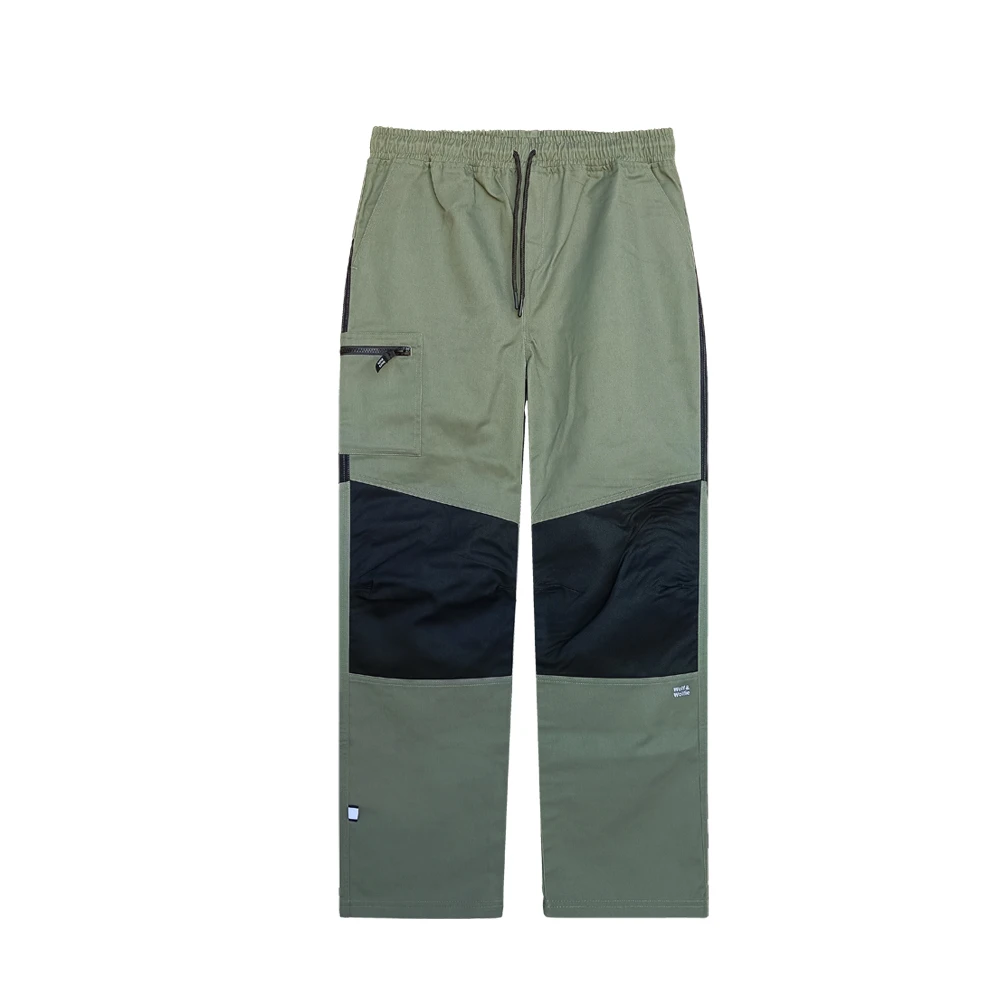
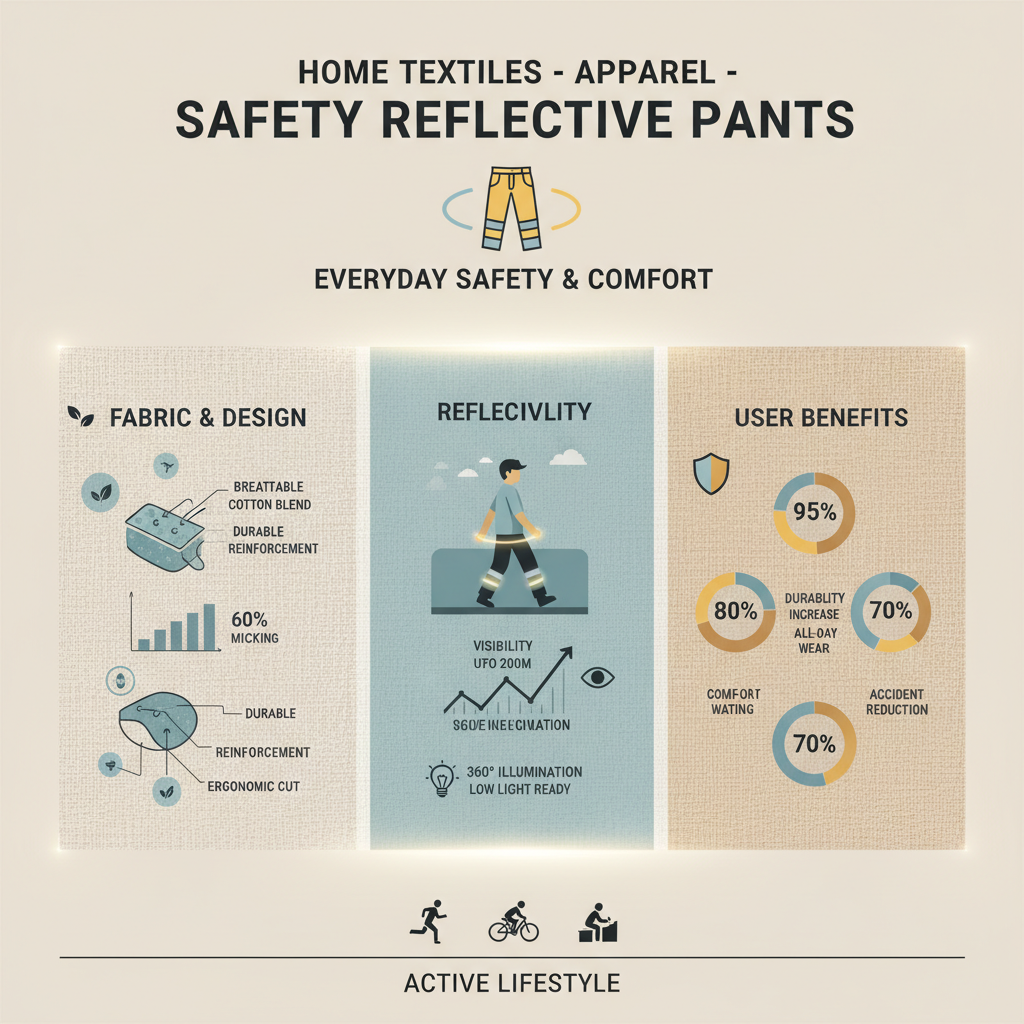
When selecting safety reflective pants, several key features should be considered. The amount and placement of reflective material are critical; look for pants with ample reflective tape around the legs and ankles. The type of fabric is also important – durable, comfortable, and breathable materials like polyester or a polyester blend are ideal. Consider features like reinforced knees for added durability, adjustable waistbands for a secure fit, and multiple pockets for convenient storage. Additionally, check for compliance with relevant safety standards such as ANSI/ISEA 107. Softshell Clothing offers a range of options with these features built in.
Essential Features Checklist:
• Ample reflective tape strategically placed
• Durable and comfortable fabric
• Reinforced knees for added protection
• Adjustable waistband for a secure fit
• Compliance with ANSI/ISEA 107 standards
Safety Reflective Pant Standards: ANSI/ISEA 107
The American National Standards Institute (ANSI) and the International Safety Equipment Association (ISEA) have established the ANSI/ISEA 107 standard to define performance requirements for high-visibility apparel. This standard classifies garments into three classes based on the amount of reflective material and the level of visibility they provide. Class 1 provides the lowest level of visibility and is suitable for low-risk environments. Class 2 offers moderate visibility and is commonly used in construction and road work. Class 3 provides the highest level of visibility and is recommended for high-risk environments such as highway construction and emergency response. When purchasing safety pants, ensure they meet the appropriate ANSI/ISEA 107 class for your specific work environment.
Choosing the Right Safety Reflective Pant for Your Industry
Different industries have unique safety requirements. Construction workers need durable pants with reinforced knees and ample reflective material for high visibility. Road crews require Class 3 visibility and water-resistant materials. Emergency responders may need pants with specific features like cargo pockets for carrying essential equipment. Carefully assess the specific hazards and risks in your work environment to determine the appropriate level of protection and features for your reflective work pants.
Proper Care and Maintenance of Safety Reflective Pants
To ensure the longevity and effectiveness of your safety reflective pants, proper care and maintenance are crucial. Follow the manufacturer's washing instructions carefully. Avoid using harsh detergents or bleach, as these can damage the reflective material. Regularly inspect the pants for any signs of wear and tear, such as tears, fading, or damage to the reflective tape. Replace the pants if they are damaged or no longer provide adequate visibility. Softshell Clothing’s pants are designed for durability, but proper care will extend their lifespan.
Conclusion: Prioritizing Visibility for a Safer Workplace
Investing in high-quality safety reflective pants is a proactive step towards creating a safer work environment. By understanding the key features, standards, and proper care guidelines, you can ensure that your workers are adequately protected and that your workplace remains compliant with safety regulations. Don't compromise on visibility – choose the right safety reflective pants for the job.
Frequently Asked Questions (FAQs)
What is the difference between reflective and fluorescent materials?
Reflective materials bounce light back to its source, making the wearer visible in low-light conditions. Fluorescent materials, on the other hand, absorb ultraviolet light and re-emit it as visible light, enhancing visibility in daylight conditions. Safety reflective pants often combine both reflective and fluorescent materials for maximum visibility in all lighting conditions. Fluorescent materials provide visibility during the day and twilight, while reflective materials excel at night or in dark environments.
How often should I replace my safety reflective pants?
The replacement frequency depends on the frequency of use and the level of wear and tear. Generally, safety reflective pants should be replaced every 1-2 years, or sooner if the reflective material is damaged, faded, or no longer provides adequate visibility. Regular inspection is crucial to identify any signs of degradation and ensure continued protection. If the pants have been subjected to a significant impact or exposure to harsh chemicals, they should be replaced immediately.
Are safety reflective pants suitable for all weather conditions?
While many safety reflective pants offer some level of water resistance, it's important to choose pants that are appropriate for the specific weather conditions. For rainy or wet environments, opt for pants made from waterproof or water-resistant materials. In cold weather, consider insulated pants to provide added warmth and comfort. Softshell Clothing offers options designed for various climates.
What sizes are available in safety reflective pants?
Safety reflective pants are typically available in a wide range of sizes, from small to extra-large, and sometimes even larger. It’s important to consult the size chart provided by the manufacturer to ensure you choose the correct fit. A proper fit is essential for comfort and ensuring the reflective material is positioned correctly for maximum visibility. Softshell Clothing provides detailed size guides for all its products.