Understanding Pants for Kids: Why It Matters Globally
Pants for kids might sound like a straightforward topic at first glance, but if you stop and think about it, it's actually a surprisingly rich subject with global importance. From the basic function of providing comfort and protection to the complexities of sustainable sourcing and affordability, these garments touch on many crucial aspects affecting children worldwide. Properly designed pants can safeguard against the elements, promote freedom of movement during play, and even boost children's confidence by fitting well and matching cultural styles.
On a larger scale, knowing the ins and outs of kids’ pants helps industries develop better products while enabling humanitarian organizations to provide essential clothing in crises—think displaced children in refugee camps or families hit by natural disasters. It all sounds simple, but pants for kids reflect intertwined issues of health, dignity, and equity.
Mini takeaway: Kids’ pants are more than just clothes — they’re a global issue integrating comfort, culture, and crisis response.
Global Context: The Role of Kids’ Pants Today
Globally, the children’s apparel market was estimated at over $200 billion as of 2023, with pants for kids occupying a significant slice of that pie.1 In regions like South Asia and Sub-Saharan Africa, up to 30% of children live under the poverty line, making access to adequate clothing far from guaranteed.2 Here, pants for kids aren’t just fashion — they’re a lifeline against harsh weather, insects, and hygiene risks.
From an industrial perspective, manufacturers face the challenge of balancing low cost, durability, and ecological considerations. Fast fashion’s environmental footprint has sparked calls for more sustainable fabrics and production methods, which directly impact how pants for kids get made and distributed worldwide.3
On a humanitarian front, organizations like UNICEF often supply robust, easy-care clothing for child refugees and disaster-affected populations—pants are a top priority item because they’re versatile and necessary all year round.
Mini takeaway: Kids’ pants straddle complex global issues—economic disparity, sustainability, and emergency aid.
Defining Pants for Kids: What Are We Talking About?
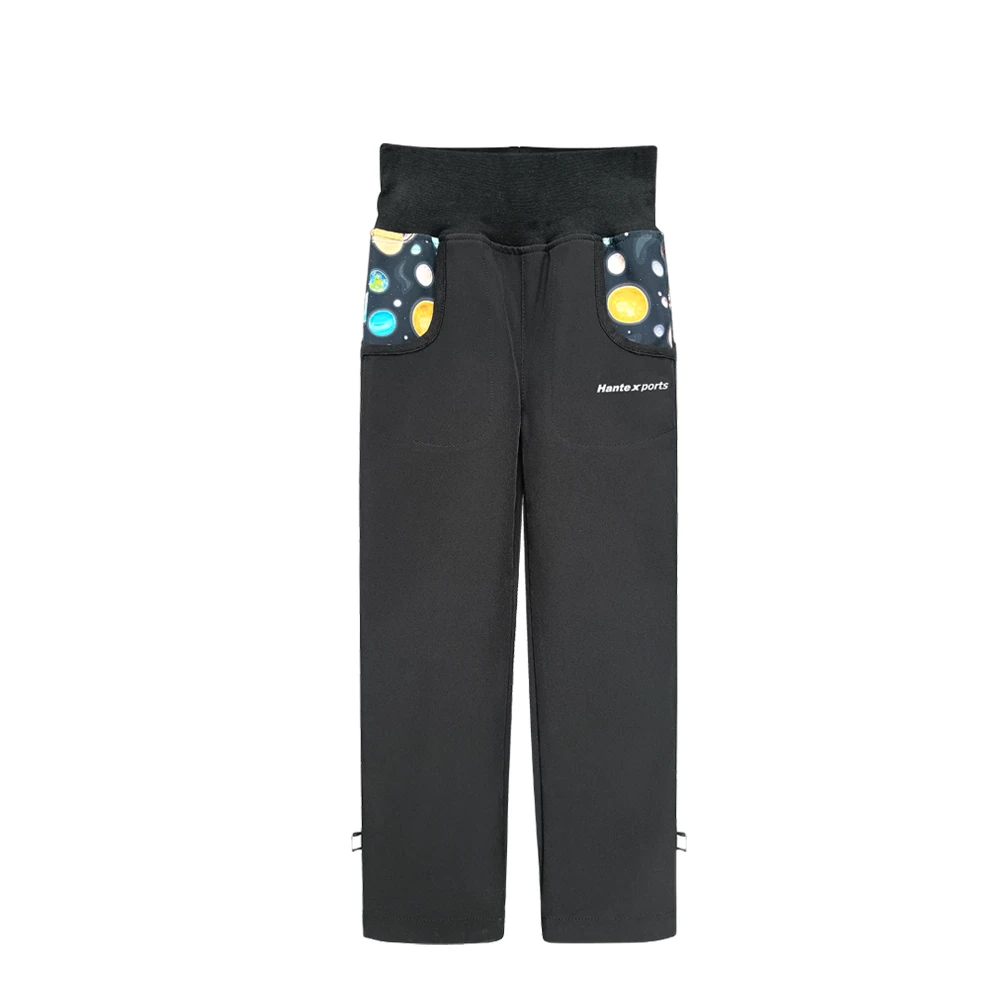
Simply put, “pants for kids” refers to any lower-body garments designed specifically for children, typically ranging from toddlers to preteens. These include jeans, leggings, trousers, shorts, and more specialized styles like snow pants.
In industry terms, kids’ pants often must meet stricter safety standards—no loose drawstrings, flame resistance in some markets, and non-toxic dyes—all of which connect to wider issues of child safety and product regulation.
Humanitarian organizations view pants for kids less as style statements and more as vital protective gear that reflects local climate needs and cultural norms — for example, lighter fabrics and looser cuts in tropical zones versus insulated, waterproof pants in colder climes.
Mini takeaway: Pants for kids vary widely but share core requirements around comfort, safety, and suitability.
Key Factors in Choosing and Producing Kids’ Pants
1. Durability
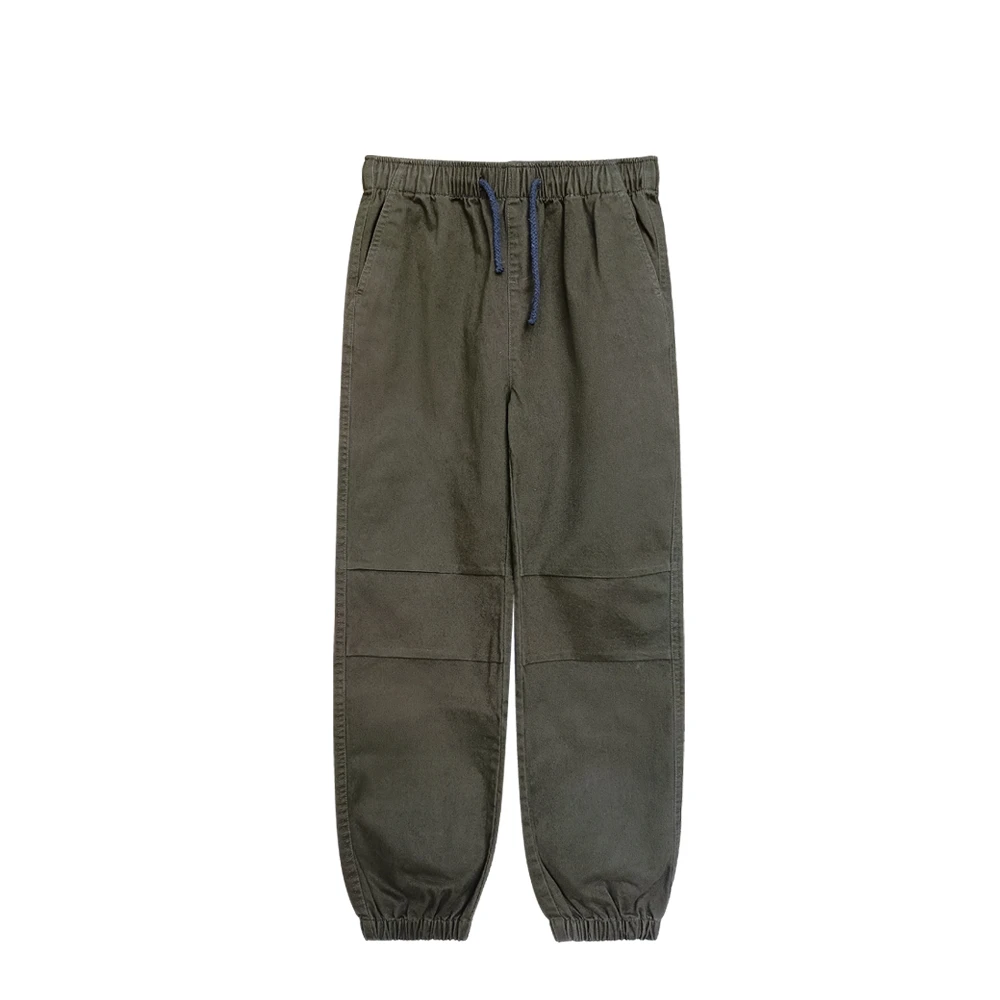
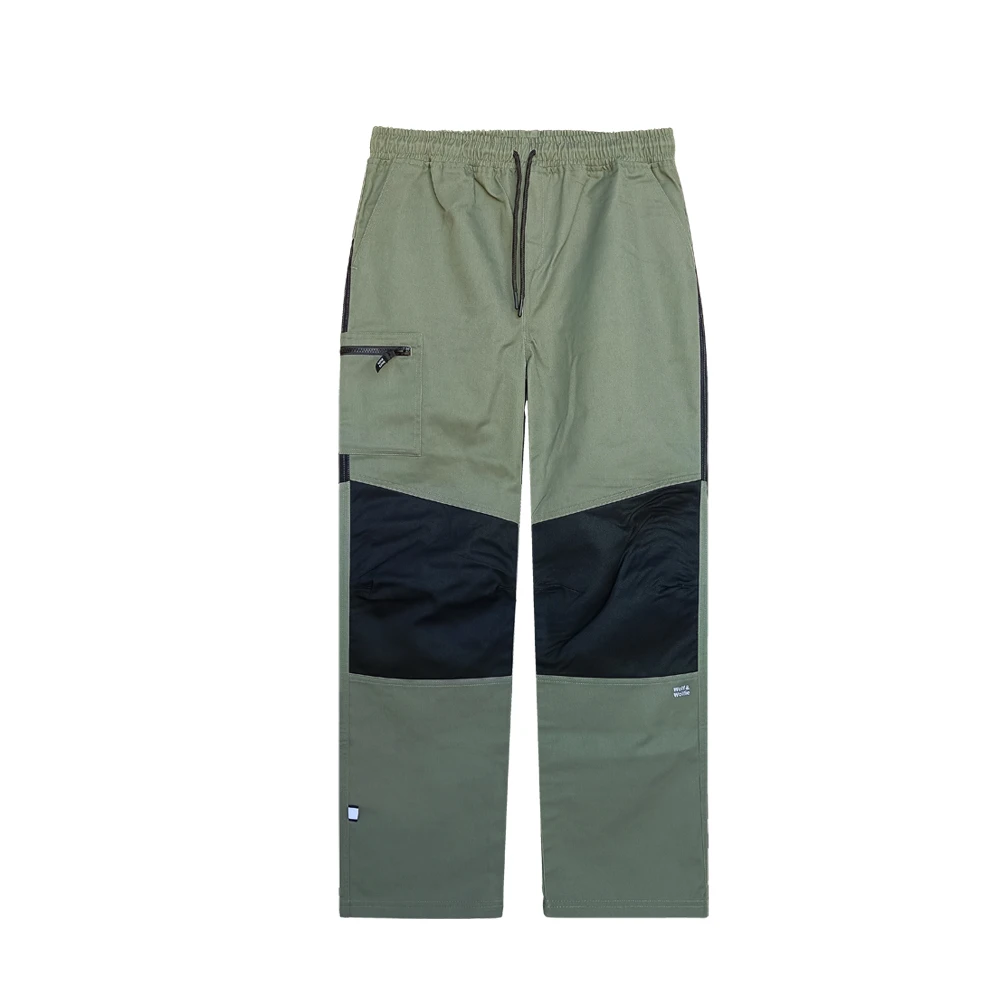
Kids tend to be endlessly enthusiastic with their clothes. Patches on knees aren’t just a fashion statement — they’re a sign of wear and tear. Durable fabrics like ripstop cotton blends or reinforced stitching extensions mean pants last longer and withstand rough play.
2. Comfort & Fit
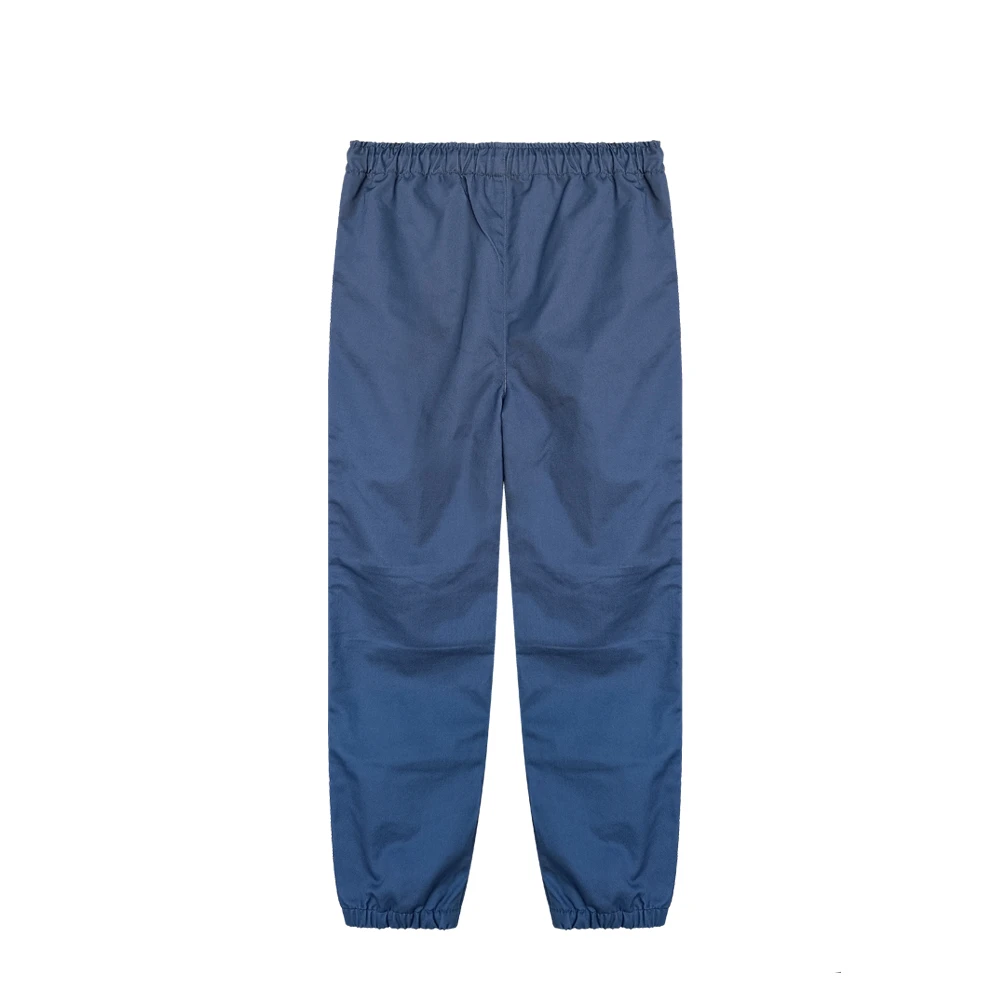
Elastic waistbands, adjustable cuffs, and breathable materials make a big difference. It’s not just about size—pants have to move with the child, not restrict, which also helps prevent chafing.
3. Safety Standards
Pants must pass regulatory tests, especially in developed markets—the absence of hazardous substances, flame retardance as per ISO standards, and design features that eliminate choking or entanglement risks.
4. Sustainability
More consumers and brands push for organic cotton, recycled polyester, and eco-friendly dyeing processes. This shift reduces water use and chemical pollution, which matter a lot in textile-heavy countries like Bangladesh.
5. Cost Efficiency
Making pants affordable without compromising quality or safety is a balancing act. Bulk production and innovations in fabric technology help, too, alongside ethical sourcing that avoids exploitation.
Mini takeaway: Durable, comfortable, safe, sustainable, and affordable — the five pillars shaping kids’ pants manufacturing.
Where Kids’ Pants Make a Real Difference Worldwide
The application of kids’ pants spans from everyday school uniforms to specialized outdoor gear. Here are some vivid examples:
- Post-disaster relief: After earthquakes or floods, quickly providing toddlers and older children with durable, protective pants helps prevent hypothermia, insect-borne diseases, and maintains dignity.
- Rural schooling: Programs in East Africa supply affordable, sturdy pants to increase school attendance — often kids refuse to go without suitable clothing.
- Urban markets: In cities across the US and Europe, pants for kids reflect fashion trends, seasonal weather, and pediatric recommendations for ergonomic design.
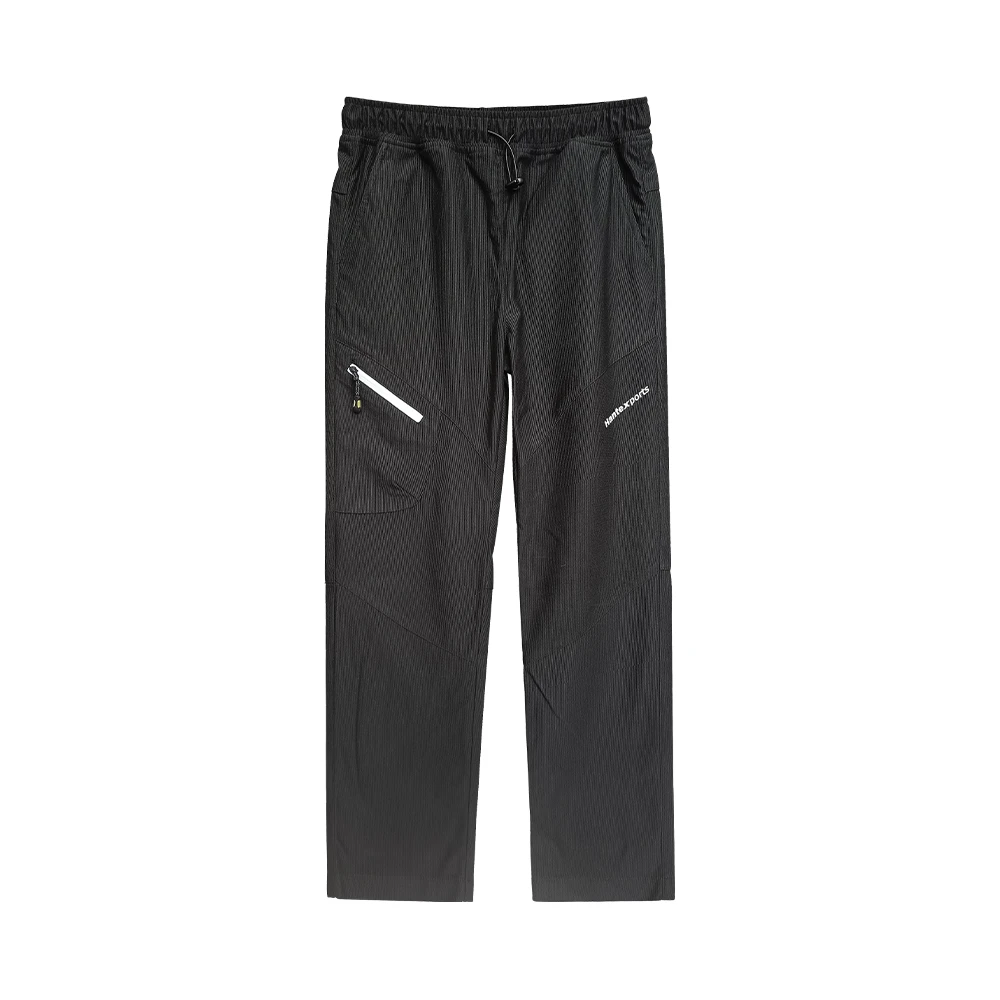
- Outdoor adventure and sports: Technical pants with water resistance and stretch fabrics are now standard for kids engaging in hiking or camping worldwide.
Mini takeaway: Whether as a vital relief item or stylish everyday wear, pants for kids are everywhere, serving diverse and crucial roles.
Advantages and Long-Term Value of Quality Kids’ Pants
Investing in well-made kids’ pants pays off beyond first impressions. Here’s why:
- Cost Savings: Durable pants stretch budgets further and reduce waste from frequent replacements.
- Environmental Benefit: Sustainable materials lower carbon footprints and resource drain.
- Health and Safety: Proper fit and fabric guard against rashes, infections, and exposure.
- Psychosocial Impact: Clothes that fit well and look good contribute to children’s confidence and sense of belonging.
- Trust in Brands & NGOs: Providing quality pants builds lasting reputations and goodwill.
Mini takeaway: Good kids’ pants serve kids well today, while contributing positively to the economy, environment, and society long term.
Product Specification Table for Popular Kids’ Pants
| Feature | Standard Jeans | Organic Cotton Pants | Water-Resistant Outdoor Pants |
|---|---|---|---|
| Material | Cotton-Denim Blend | 100% Organic Cotton | Polyester with PU Coating |
| Water Resistance | None | None | Yes (up to 5k mm) |
| Adjustable Waist | No | Yes | Yes |
| Sustainability | Conventional farming | Certified Organic | Recycled Polyester |
| Price Range (USD) | $15 - $30 | $25 - $40 | $30 - $50 |
Comparing Major Vendors of Kids’ Pants
| Vendor | Sustainability | Price | Product Range | Global Reach |
|---|---|---|---|---|
| GreenThreads | 100% organic, fair trade certified | $$$ (Premium) | Casual & outdoor pants | North America, Europe, Asia |
| KidFit Co. | Mixed materials, some recycled fabrics | $ (Budget-friendly) | School uniforms & casual | Global, with focus on developing markets |
| OutVentures | Recycled synthetics & durability focus | $$ (Mid-range) | Technical, adventure gear | Europe, Australia, US |
Emerging Trends & Innovations in Kids’ Pants
Some pretty exciting shifts are underway in pants for kids:
- Smart fabrics: Cotton blended with antimicrobial fibers to reduce odors and infections.
- Recyclability: Brands designing pants that can be fully recycled or biodegraded to cut textile waste.
- Adaptive sizing: Pants with adjustable lengths or expandable waistbands that grow with the child.
- 3D knitting: Seamless pants that minimize friction points and lower manufacturing waste.
These innovations tie directly into global goals around reducing the environmental impacts of fashion while enhancing user comfort and durability.
Challenges & Solutions in the Kids’ Pants Market
Of course, no topic like this is without hurdles. Manufacturers wrestle with:
- Material availability: Organic and recycled fabrics can be limited or costly.
- Price pressures: The demand for low-cost pants conflicts with sustainable and ethical production.
- Regulation compliance: Navigating varied global safety standards is complex.
- Supply chain transparency: Difficult to ensure fair labor practices throughout.
Solutions are emerging with better traceability via blockchain, investments in sustainable fiber farms, and consumer education driving demand toward responsible products.
FAQs: Common Questions About Pants for Kids
- Q: What is the best fabric for kids’ pants for all-day comfort?
A: Cotton blends with some elastane usually provide the most comfort and breathability, while synthetic blends help with durability and quick drying. - Q: How can parents ensure pants fit well and don’t restrict movement?
A: Look for adjustable waistbands, stretchy fabrics, and pants designed specifically for kids’ active lifestyles. Trying sizes and mobility tests in-store also help. - Q: Are organic cotton pants worth the extra price?
A: Often yes — they typically offer softer texture, fewer chemicals, and support better farming practices, which benefits both the child and the environment. - Q: How do NGOs source pants for kids for disaster relief efficiently?
A: NGOs usually collaborate with vetted suppliers who adhere to safety standards and can deliver quantities rapidly to affected regions, ensuring fabrics and sizes fit local climate and culture.
Conclusion: The Lasting Impact of Quality Pants for Kids
Ultimately, pants for kids encompass far more than their humble appearance. They’re part of a broader story of comfort, safety, sustainability, and social equality. Investing in good-quality children’s pants pays dividends not only for day-to-day wear but also for global environmental and humanitarian progress.
Explore a great selection of pants for kids that combine all these benefits by visiting our website. Because every child deserves pants that keep up with their adventures.
References:
1. Statista Report, 2023 - Children’s Apparel Market Size
2. UN Child Poverty Data, 2022
3. ISO Textile Manufacturing Standards, 2021