Bohemian kidswear isn't just about fleeting fashion trends; it's a growing global movement reflecting a desire for individuality, comfort, and connection to nature in children’s clothing. From the bustling markets of Marrakech to the eco-conscious nurseries of Scandinavia, parents are increasingly seeking alternatives to mass-produced, synthetic garments. This demand is fueled by a rising awareness of sustainable practices and a longing for clothes that allow children to express their unique personalities. Understanding this shift is vital for designers, manufacturers, and retailers alike, offering a significant opportunity to tap into a market driven by values as much as aesthetics.
The global textiles industry, valued at over $1 trillion USD annually (source: Statista, 2023), is under increasing scrutiny for its environmental impact and labor practices. Within this landscape, bohemian kidswear presents a counter-narrative – prioritizing natural fibers, ethical production, and handcrafted details. The United Nations Sustainable Development Goals (SDGs), particularly SDG 12 (Responsible Consumption and Production) and SDG 8 (Decent Work and Economic Growth), underscore the need for a more sustainable and equitable fashion industry. The burgeoning demand for bohemian styles in children’s wear signifies a consumer-driven push towards aligning purchasing choices with these broader global goals.
Simply put, bohemian kidswear embodies a free-spirited aesthetic in children's clothing. It typically features natural fabrics like cotton, linen, and hemp, often incorporating earthy tones, floral prints, embroidery, and relaxed silhouettes. Unlike fast fashion, the focus is on durability, comfort, and allowing freedom of movement – essential for active kids. More than just clothes, it’s a statement about values – a preference for slow fashion, ethical production, and a connection to a more natural lifestyle.
The Global Rise of Bohemian Kidswear
The growing appeal of bohemian kidswear reflects a broader societal trend towards conscious consumerism and a rejection of fast fashion’s disposable culture. It’s a movement driven by millennial and Gen Z parents who prioritize values like sustainability, ethical production, and individuality. We're seeing this play out in increased searches for organic cotton clothing, handmade items, and brands with transparent supply chains. This isn't just about aesthetics; it's about investing in pieces that are built to last and represent a set of beliefs.
Looking at market data, the global organic apparel market is projected to reach $4.87 billion by 2027 (Source: Grand View Research). While not solely comprised of bohemian styles, this growth indicates a significant consumer shift towards more sustainable options. Furthermore, the secondhand clothing market is booming, driven by a desire to reduce waste and find unique pieces – a sentiment that aligns perfectly with the bohemian ethos. This trend shows no sign of slowing down, suggesting a sustained demand for ethically produced, aesthetically unique kidswear.
Defining Bohemian Kidswear
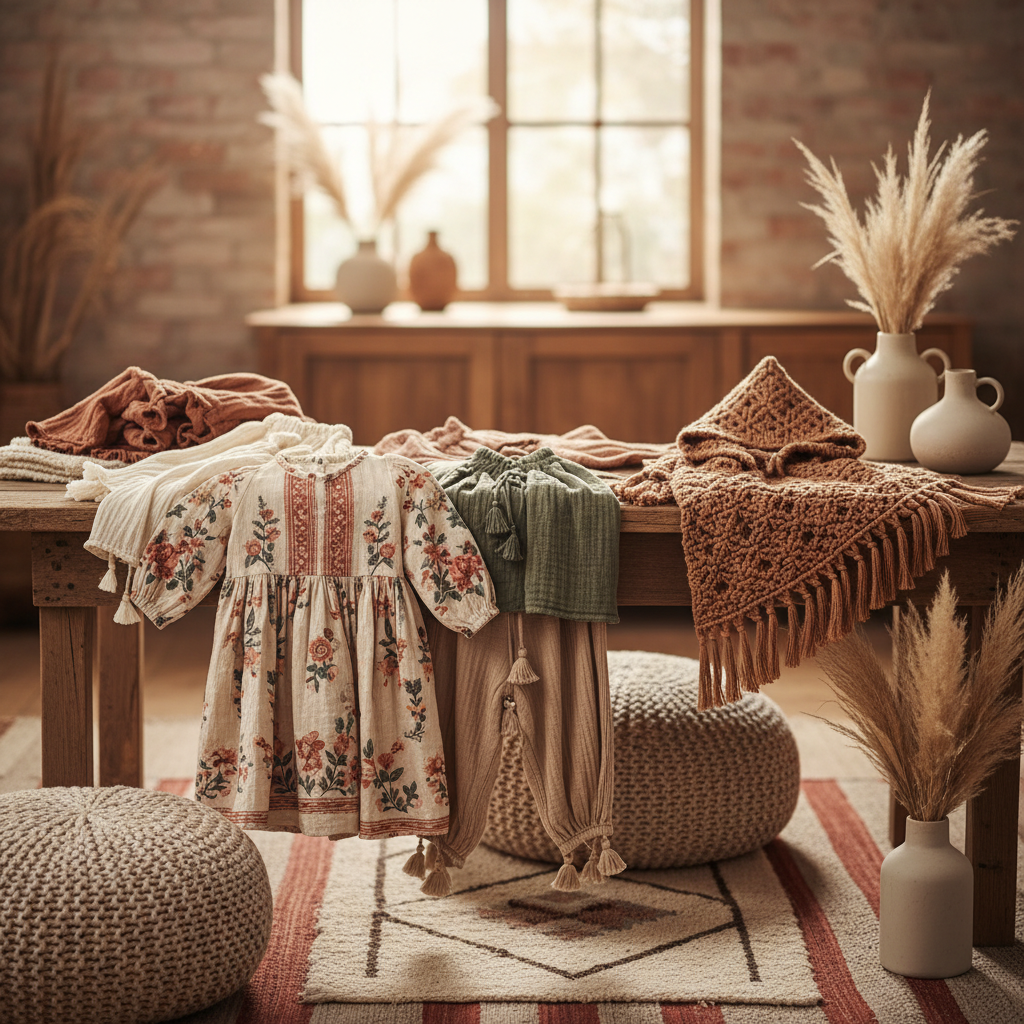
At its core, bohemian kidswear is about freedom, comfort, and self-expression. It's a rejection of rigid structures and conventional styles, favoring natural materials, relaxed fits, and whimsical details. Think flowing dresses, comfortable rompers, soft knit sweaters, and playful prints. The color palette leans towards earthy tones – ochre, rust, olive green, and indigo – often accented with pops of brighter hues. It's a look that’s both timeless and contemporary, blending vintage influences with modern sensibilities.
This style isn’t about perfectly coordinated outfits; it’s about mixing and matching, layering textures, and encouraging kids to develop their own individual style. A key characteristic is the use of artisanal techniques – embroidery, patchwork, tie-dye – adding a unique, handcrafted touch to each garment. It's a deliberate move away from mass production, celebrating the artistry and skill of the craftspeople involved.
In essence, bohemian kidswear prioritizes the child’s experience – allowing them to move freely, play comfortably, and express their personality through their clothing. It’s a style that celebrates individuality and encourages a connection to nature, fostering a sense of wonder and creativity.
Core Elements of Bohemian Kidswear Design
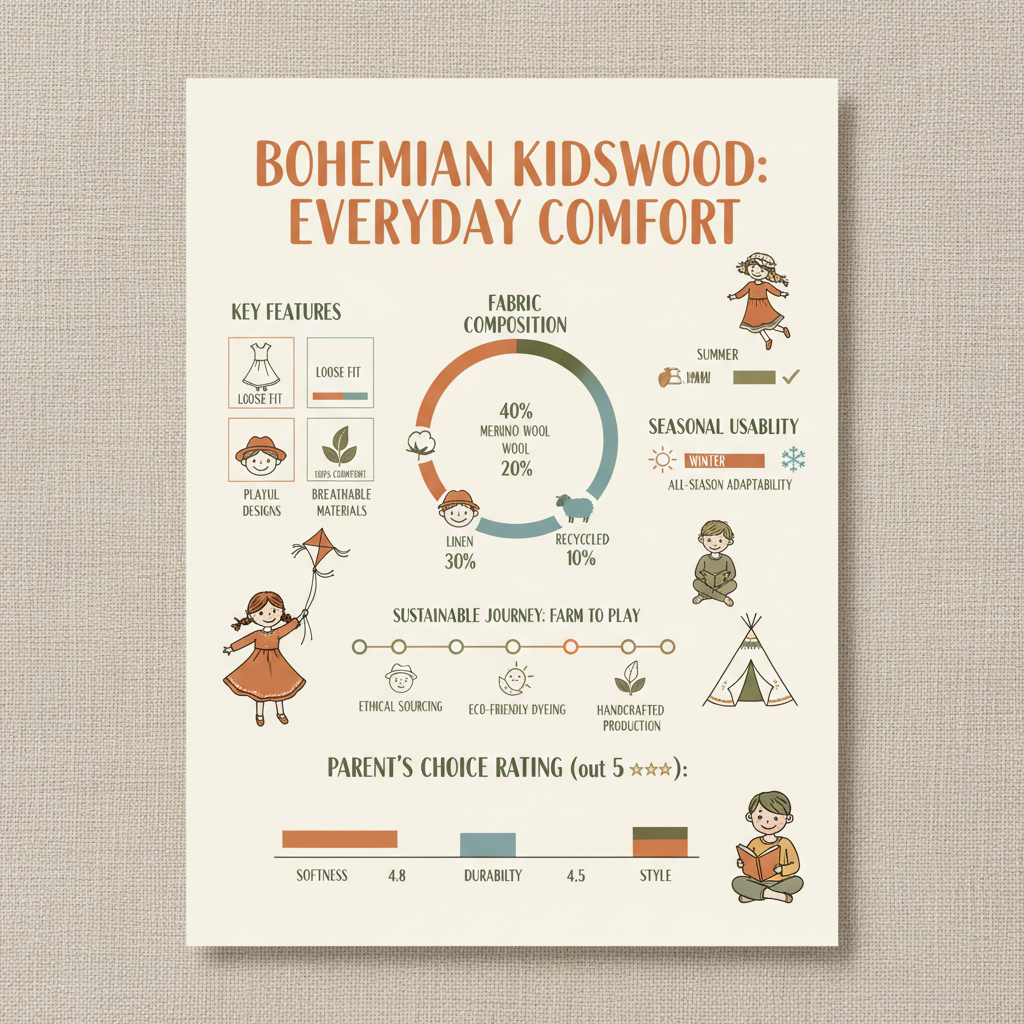
One of the fundamental elements is the choice of materials. Natural fibers like organic cotton, linen, hemp, and bamboo are preferred for their softness, breathability, and eco-friendliness. These fabrics are gentle on sensitive skin and minimize the use of harmful chemicals. The sourcing of these materials is also crucial, with a growing emphasis on fair trade practices and sustainable farming methods. Using recycled materials and upcycled fabrics further enhances the eco-credentials of bohemian kidswear.
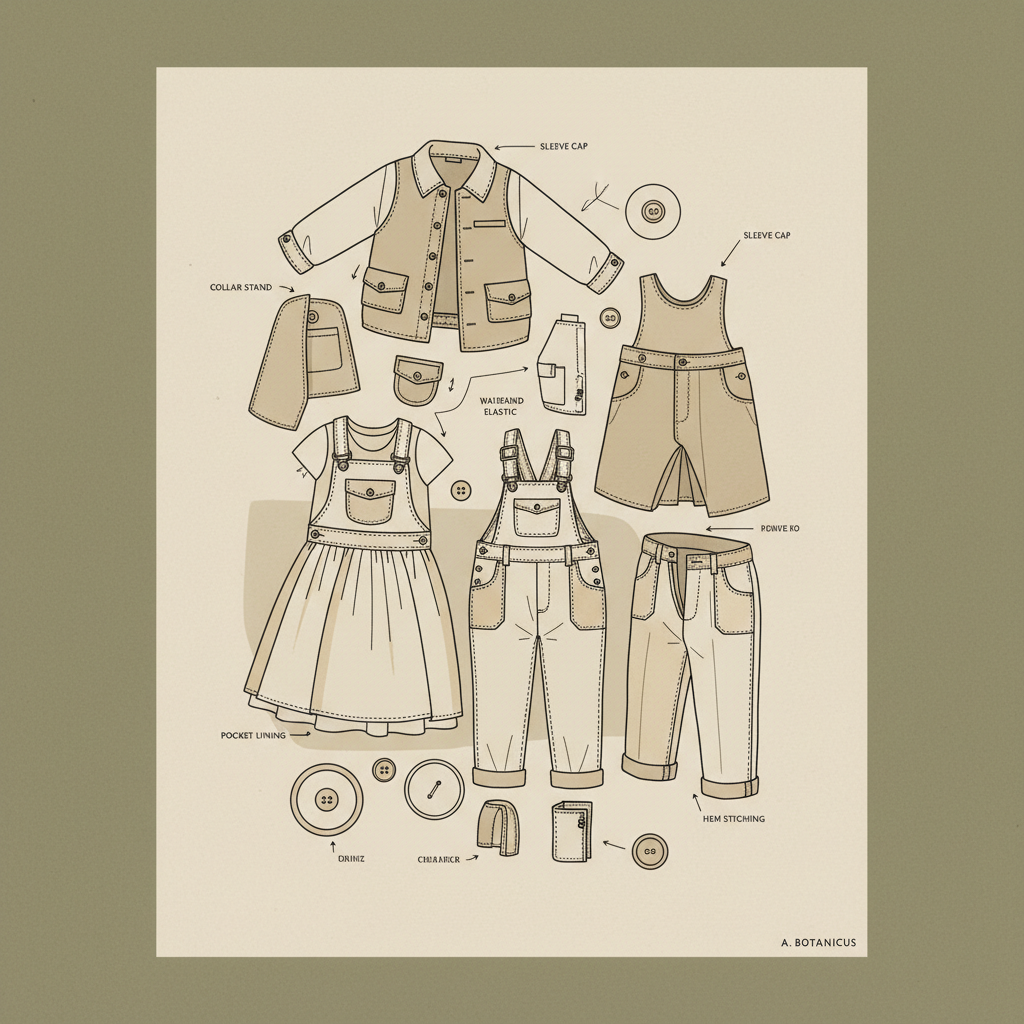
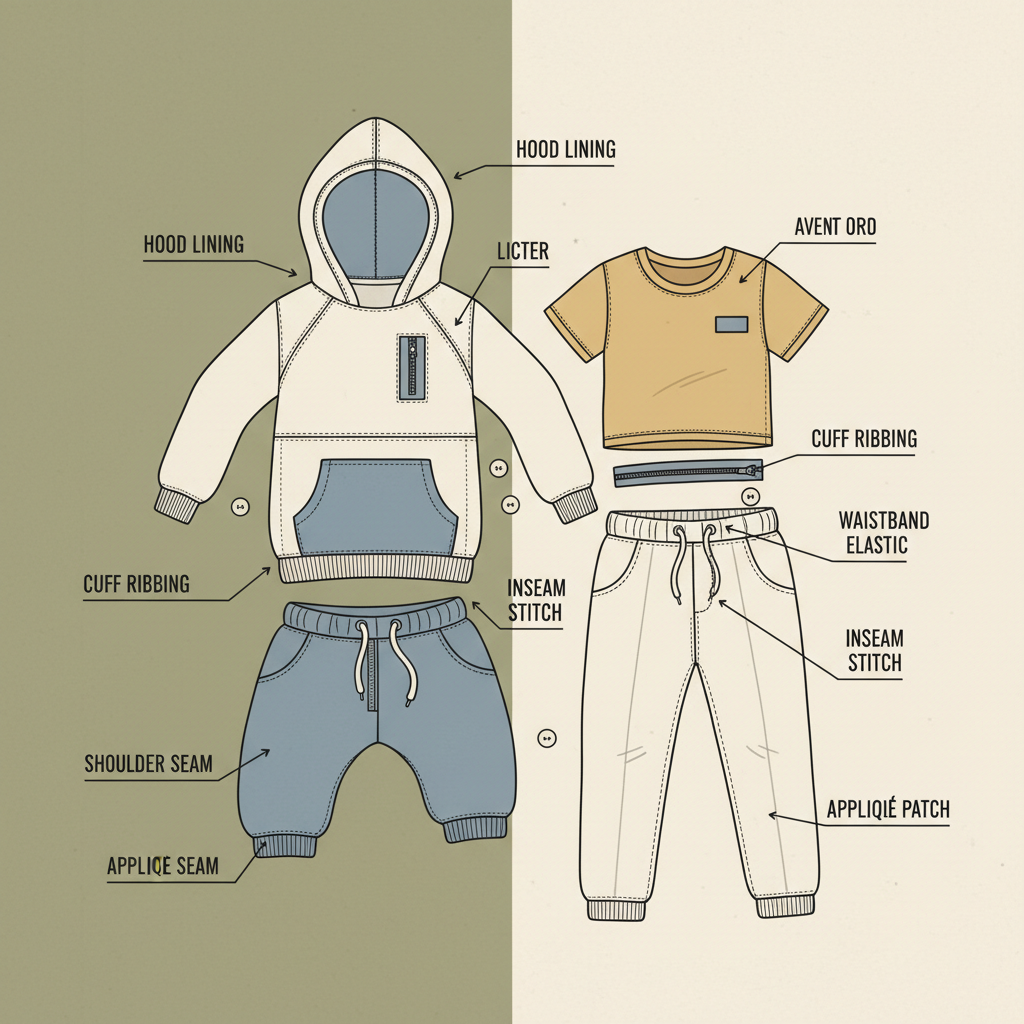
Another defining characteristic is the emphasis on comfort and functionality. Bohemian kidswear is designed for active kids, allowing them to move freely and explore their surroundings. Loose-fitting silhouettes, elastic waistbands, and soft, breathable fabrics contribute to overall comfort. Details like pockets and adjustable straps add to the practicality of the garments.
Finally, the aesthetic appeal of bohemian kidswear is heavily influenced by vintage styles, global textiles, and handcrafted details. Floral prints, paisley patterns, embroidery, lace, and fringe are common embellishments. The color palette is typically earthy and muted, with pops of vibrant color inspired by nature. These elements combine to create a whimsical and unique aesthetic that sets bohemian kidswear apart.
Practical Applications and Market Segments
The market for bohemian kidswear is diverse, encompassing several key segments. The "Eco-conscious Parent" segment seeks out sustainable and ethically produced clothing for their children, prioritizing natural materials and fair labor practices. The "Creative & Individualistic" segment values unique and expressive styles that allow their children to showcase their personalities. And the “Comfort-focused” segment prioritizes comfortable and practical clothing that allows kids to move freely and play without restriction.
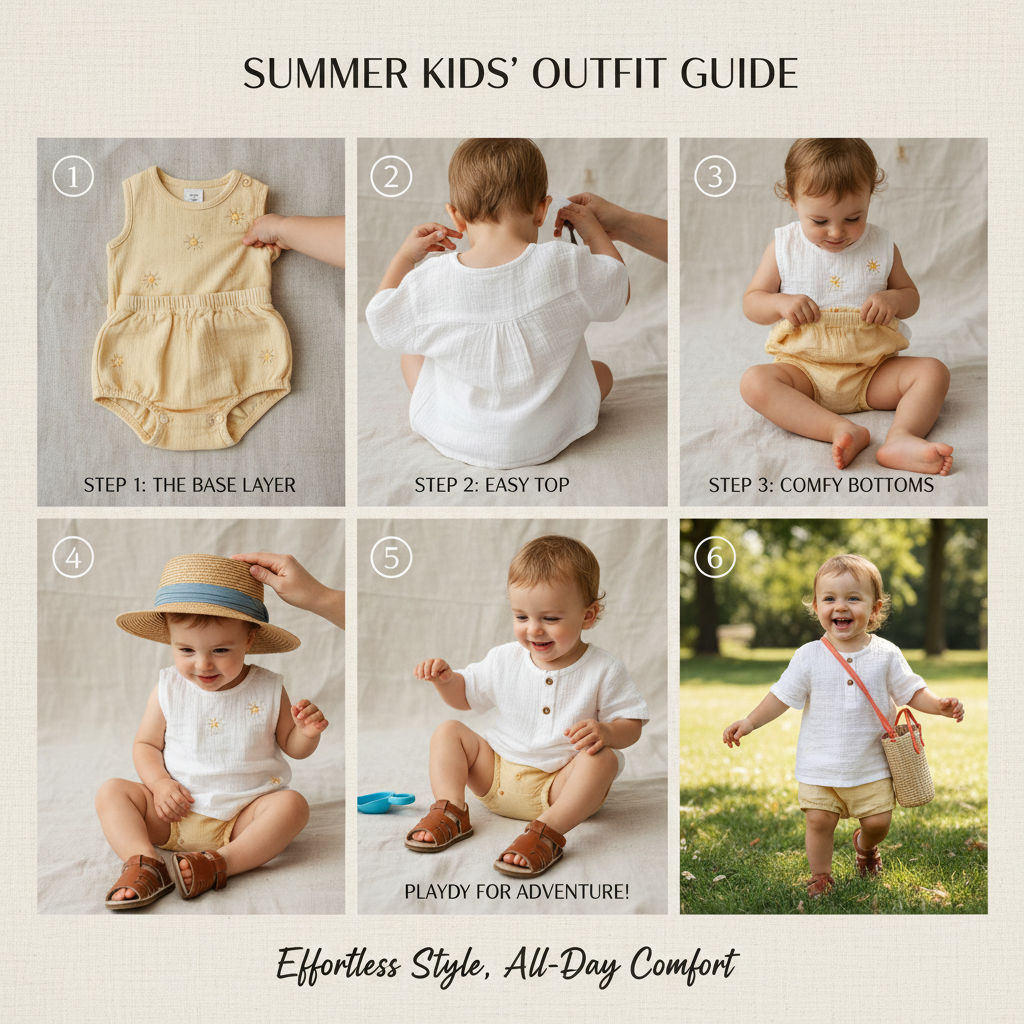
Applications range from everyday wear to special occasions. Bohemian-style dresses are popular for parties and events, while comfortable rompers and leggings are ideal for casual playdates and outdoor adventures. The versatility of the style allows it to be adapted to various settings and activities. We're also seeing a growing demand for bohemian-inspired accessories – hats, scarves, and shoes – to complete the look.
Bohemian Kidswear Market Share by Style
Global Applications and Use Cases
Bohemian kidswear finds application in diverse global settings. In Europe, particularly Scandinavia and the UK, it’s embraced by parents seeking sustainable and ethically made clothing options. In North America, the style resonates with those drawn to natural living and artistic expression. In countries like Morocco and India, where bohemian aesthetics have deep cultural roots, the style feels authentic and organic.
We see established brands integrating bohemian elements into their collections, while smaller independent designers specialize in creating unique, handcrafted pieces. Online marketplaces like Etsy and Instagram provide platforms for these designers to reach a wider audience. In post-disaster relief operations, lightweight and breathable bohemian-style clothing can provide comfort and dignity to displaced children.
Further afield, in remote communities prioritizing cultural preservation, incorporating traditional textile techniques into bohemian kidswear can support local artisans and preserve cultural heritage. The key is adapting the style to suit local tastes and needs while remaining true to its core values of sustainability, individuality, and comfort.
Advantages and Long-Term Value
The advantages of choosing bohemian kidswear extend beyond aesthetics. The use of natural fibers promotes healthier skin and reduces exposure to harmful chemicals. The durability of well-made garments reduces the need for frequent replacements, saving money and minimizing waste. The ethical production practices support fair labor standards and contribute to a more equitable fashion industry.
From a long-term perspective, investing in bohemian kidswear fosters a sense of appreciation for craftsmanship and sustainability. It encourages mindful consumption and teaches children about the importance of ethical choices. The style’s timeless appeal means that garments can be passed down through generations, becoming cherished heirlooms.
The emotional value is also significant. Bohemian kidswear allows children to express their individuality and creativity, fostering a sense of confidence and self-esteem. It creates a connection to nature and a feeling of freedom, promoting a sense of well-being.
Future Trends and Innovations
The future of bohemian kidswear is likely to be shaped by several key trends. We'll see increased innovation in sustainable materials – exploring options like seaweed fabrics, mushroom leather, and recycled ocean plastic. Digital printing technologies will allow for more intricate and customized designs. The rise of circular fashion models – renting, swapping, and repairing – will extend the lifespan of garments and reduce waste.
Personalization will become increasingly important, with brands offering options to customize garments with embroidery, patches, or unique prints. Augmented reality (AR) and virtual reality (VR) could be used to create immersive shopping experiences, allowing customers to visualize how clothes will look on their children.
Furthermore, blockchain technology could be used to enhance transparency in the supply chain, allowing consumers to trace the origin of materials and verify ethical production practices. These innovations will continue to push the boundaries of bohemian kidswear, making it even more sustainable, personalized, and ethically responsible.
Core Challenges and Solutions in Bohemian Kidswear Production
| Sourcing Sustainable Materials |
Maintaining Ethical Production |
Scaling Production While Staying Authentic |
Competing with Fast Fashion Prices |
| Limited Availability |
Ensuring Fair Wages & Safe Conditions |
Maintaining Handcrafted Quality |
Price Sensitivity of Target Market |
| High Costs Compared to Synthetics |
Difficulty in Verifying Supply Chains |
Balancing Automation & Artisan Skills |
Perceived Value vs. Actual Cost |
| Lack of Certification Standards |
Transparency & Traceability Challenges |
Risk of Diluting Brand Identity |
Consumer Willingness to Pay a Premium |
| Developing New Material Innovations (7/10) |
Implementing Blockchain for Supply Chain (8/10) |
Strategic Partnerships with Artisan Groups (9/10) |
Focusing on Value Proposition & Storytelling (7/10) |
| Building Relationships with Certified Suppliers (6/10) |
Third-Party Audits & Certifications (7/10) |
Small-Batch Production & Limited Editions (8/10) |
Highlighting Durability & Longevity (9/10) |
| Collaborative Research & Development (8/10) |
Worker Empowerment Programs (7/10) |
Maintaining a Strong Brand Identity (9/10) |
Emphasizing the Positive Social & Environmental Impact (8/10) |
FAQS
Bohemian kidswear stands out through its emphasis on natural fabrics like organic cotton and linen, relaxed fits prioritizing comfort and freedom of movement, and unique details like embroidery, prints, and fringe. It's a style that celebrates individuality and a connection to nature, rejecting the uniformity of fast fashion in favor of handcrafted, durable pieces that allow children to express their unique personalities.
Most bohemian kidswear is made from natural fibers and requires gentle care. We recommend washing in cold water on a delicate cycle, using a mild detergent. Avoid harsh chemicals and bleach. Line drying is best to preserve the colors and fabrics, but if using a dryer, opt for a low heat setting. Ironing on a low setting can help maintain the garment’s shape. Proper care will extend the life of your bohemian pieces.
Bohemian kidswear can sometimes be more expensive than fast fashion alternatives due to the use of high-quality, sustainable materials and ethical production practices. However, the durability and timeless style of these garments often make them a worthwhile investment in the long run. Choosing fewer, higher-quality pieces reduces waste and supports responsible consumption. Look for sales and consider secondhand options to find affordable pieces.
Several online retailers and independent boutiques specialize in ethically sourced bohemian kidswear. Look for brands that prioritize organic materials, fair labor practices, and transparent supply chains. Websites like bohemian kidswear often curate a selection of responsible brands. Etsy is also a great place to find handmade and vintage bohemian pieces.
Bohemian kidswear can be adapted to various climates. Natural fibers like cotton and linen are breathable and ideal for warmer weather. Layering with knit sweaters, cardigans, and jackets can provide warmth in cooler climates. Choosing garments made from heavier-weight materials like wool or fleece can also offer extra insulation. The versatility of the style allows it to be worn year-round.
Most bohemian kidswear brands offer a wide range of sizes, from newborn to pre-teen. However, sizing can vary between brands, so it's always best to check the size chart before making a purchase. Consider the child’s measurements and growth rate when selecting a size. Many brands also offer adjustable features like elastic waistbands and adjustable straps to ensure a comfortable fit.
Conclusion
Bohemian kidswear represents more than just a fashion trend; it’s a conscious choice reflecting a growing desire for sustainability, ethical production, and individuality. By prioritizing natural materials, comfortable designs, and handcrafted details, this style offers a compelling alternative to fast fashion. It’s a movement that empowers parents to make responsible purchasing decisions and allows children to express their unique personalities.
Looking ahead, the future of bohemian kidswear is bright. Continued innovation in sustainable materials, combined with advancements in ethical production practices, will further enhance its appeal. Embracing circular fashion models and promoting transparency in the supply chain will solidify its position as a leader in responsible fashion. Visit our website at www.softshell-clothing.com to explore our collection of ethically sourced bohemian kidswear and join the movement towards a more sustainable and stylish future for our children.