The global procurement landscape for industrial apparel is currently shifting toward a balance of cost-efficiency and technical durability. For many procurement managers, finding discount work wear is no longer just about the lowest price point, but about optimizing the total cost of ownership through material longevity and functional versatility.
This trend is driven by the rising cost of raw materials and the increasing demand for apparel that can transition between different operational environments. Whether it is heavy-duty outerwear or casual activewear used in light industrial settings, the industry is seeing a move toward multi-functional fabrics that maintain safety standards while reducing the need for frequent replacements.
This analysis examines the technical trade-offs involved in selecting budget-friendly professional attire, the impact of material selection on long-term utility, and how buyers can evaluate quality without compromising their budget.

Material Architecture in Cost-Effective Apparel

The structural integrity of industrial clothing depends heavily on the weave and fiber composition. In budget-oriented segments, the use of French terry and reinforced polyester blends allows for a balance between breathability and wear resistance.
By utilizing high-density knits, manufacturers can produce garments that provide necessary warmth and flexibility without the high cost of specialized technical membranes, making them suitable for low-risk industrial environments.
Evaluation Criteria for Durable Workwear
When evaluating budget options, procurement officers should prioritize mechanical properties over brand prestige. Key metrics include tensile strength, abrasion resistance, and the stability of the fabric under repeated machine washing, which ensures the garment does not shrink or lose shape.
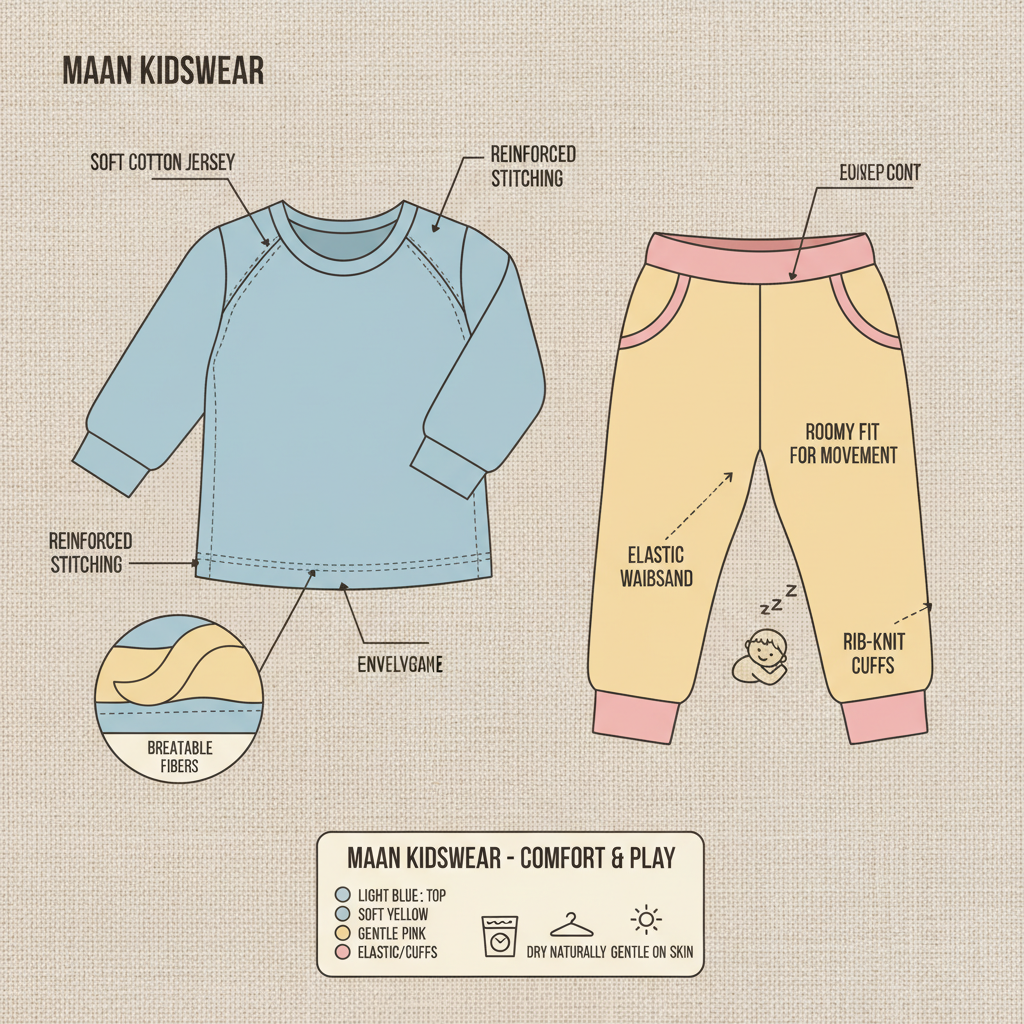
Functional details such as reinforced stitching at stress points and the quality of closures (such as full-zip systems) significantly impact the lifecycle of the clothing. A garment with a high-quality zip but a lower-cost fabric often outlasts a premium fabric garment with a failing closure.
Furthermore, the versatility of the fit—offering both skinny and relaxed options—ensures that employees have a range of motion, reducing the likelihood of fabric tearing during physical activity, which is a common failure point in poorly fitted industrial apparel.
The Performance Trade-off: Cost vs. Longevity
The primary engineering challenge in producing affordable industrial wear is the selection of a material that offers a competitive price point without sacrificing basic protection and comfort.
By focusing on "fit-for-purpose" specifications rather than "maximum-performance" specifications, companies can significantly reduce their annual apparel spend while maintaining employee satisfaction and safety.
Comparative Utility Metrics
To quantify the value of different apparel configurations, we can use a normalized assessment based on durability, comfort, and cost-efficiency. This helps in determining which fabric types are best suited for specific roles.
The following data represents a relative engineering rating of common fabric choices used in the professional and activewear sectors, focusing on their suitability for various work intensities.
Normalized Apparel Utility Assessment
Deployment Scenarios for Versatile Apparel
In typical deployment scenarios, a hooded tracksuit made of breathable French terry is ideal for personnel in climate-controlled logistics centers or those transitioning between indoor and outdoor environments. The addition of a drawstring hood and front pockets provides necessary utility for storing small tools or personal electronics without the bulk of heavy industrial gear.
For roles requiring higher visibility or weather protection, these garments can be paired with PU rain jackets or reflective outerwear. This modular approach allows companies to provide a comprehensive wardrobe that adapts to the specific risks and requirements of the job site while leveraging the cost benefits of standardized base layers.
Future Trends in Sustainable Industrial Fabrics
The future of professional apparel is moving toward "circularity," where the materials used in affordable workwear are designed for easier recycling. We are seeing an increase in the use of recycled polyester and organic cotton blends that maintain high durability standards while reducing environmental impact.
Technological advancements in fabric dyeing and finishing are also reducing water consumption during the manufacturing process. This allows producers to offer more competitive pricing by reducing operational overhead and waste, passing those savings on to the B2B buyer.
As the industry evolves, the integration of smart textiles—such as moisture-sensing fibers—into standard budget lines is expected to become more common, providing basic health and safety monitoring without the need for expensive external hardware.
Selection Framework for Procurement
To make an informed decision, buyers should utilize a selection matrix that weighs the specific environmental constraints of their workplace against the material properties of the apparel.
This framework prevents the common mistake of over-specifying clothing (buying high-cost gear for low-risk tasks) or under-specifying (buying gear that fails prematurely), both of which lead to increased long-term costs.
The table below provides a comparative overview of different configurations based on typical industrial needs.
| Configuration Type | Primary Material | Durability Rating | Recommended Use Case |
|---|---|---|---|
| Basic Comfort | French Terry Knit | Moderate | Indoor Logistics / Office |
| Standard Duty | Polyester-Cotton Blend | High | Light Manufacturing |
| High-Duty | Reinforced Nylon | Very High | Field Operations |
| Weather-Resistant | PU / Polyester | High | Outdoor Transit |
| Thermal-Focused | Down/Fleece Blend | Moderate | Cold Storage |
| Industry Baseline | Standard Jersey | Low-Moderate | General Purpose / Promo |
Industry Frequently Asked Questions
French terry is highly valued for its ability to provide warmth without excessive bulk. Its unique looped pile structure increases the surface area for moisture absorption and air trapping, making it an ideal material for employees who need a comfortable base layer during winter months or in chilled environments. It balances softness with a degree of durability that is sufficient for non-hazardous industrial settings.
Quality assurance should focus on three areas: fabric weight (GSM), seam strength, and closure reliability. Requesting samples to test for shrinkage and colorfastness after multiple machine washes is essential. Additionally, verifying that the manufacturer has a dedicated QC team to inspect batch consistency ensures that the "discount" price does not result in high failure rates in the field.
Yes, provided the environment is low-risk. Modern industrial design is moving toward "athleisure" for roles in logistics, technical support, and warehouse management. These garments offer superior flexibility and comfort, which can increase employee productivity and reduce fatigue. However, they should be paired with specific safety gear (like steel-toe boots or high-vis vests) when required by site regulations.
A skinny fit reduces the amount of loose fabric, which is critical in environments with rotating machinery to prevent snagging. A relaxed fit, on the other hand, provides better airflow and greater ease of movement for tasks involving heavy lifting or frequent bending. Providing both options allows a company to match the garment's fit to the specific safety and physical requirements of different job roles.
Materials like polyester blends and French terry are generally machine washable and quick-drying, which lowers the cost of maintenance compared to specialized technical fabrics that require dry cleaning or specific detergents. Choosing breathable, machine-washable fabrics ensures that the apparel can be maintained easily by the employees themselves, reducing the overall operational burden on the company.
When sourcing OEM/ODM, the most important factor is the manufacturer's transparency regarding their supply chain. Check if they have established partnerships for high-quality accessories (zips, buttons, drawstrings) and a proven track record of delivering on time. The ability to customize fit and fabric weight allows you to create a product that is precisely tuned to your operational needs without paying for unnecessary features.
Strategic Sourcing for Industrial Apparel
The procurement of discount work wear is a strategic exercise in balancing immediate cost savings with long-term utility. By focusing on material architecture—such as the use of breathable French terry and reinforced blends—and implementing a rigorous selection matrix, organizations can maintain a high standard of employee comfort and professional appearance without overextending their budgets.
Ultimately, the goal is to move away from a "lowest bid" mentality toward a "value-per-wear" approach. As industrial fabrics continue to evolve, the ability to source versatile, durable, and affordable apparel will remain a key advantage for companies looking to optimize their operational expenditures while supporting a productive and satisfied workforce.