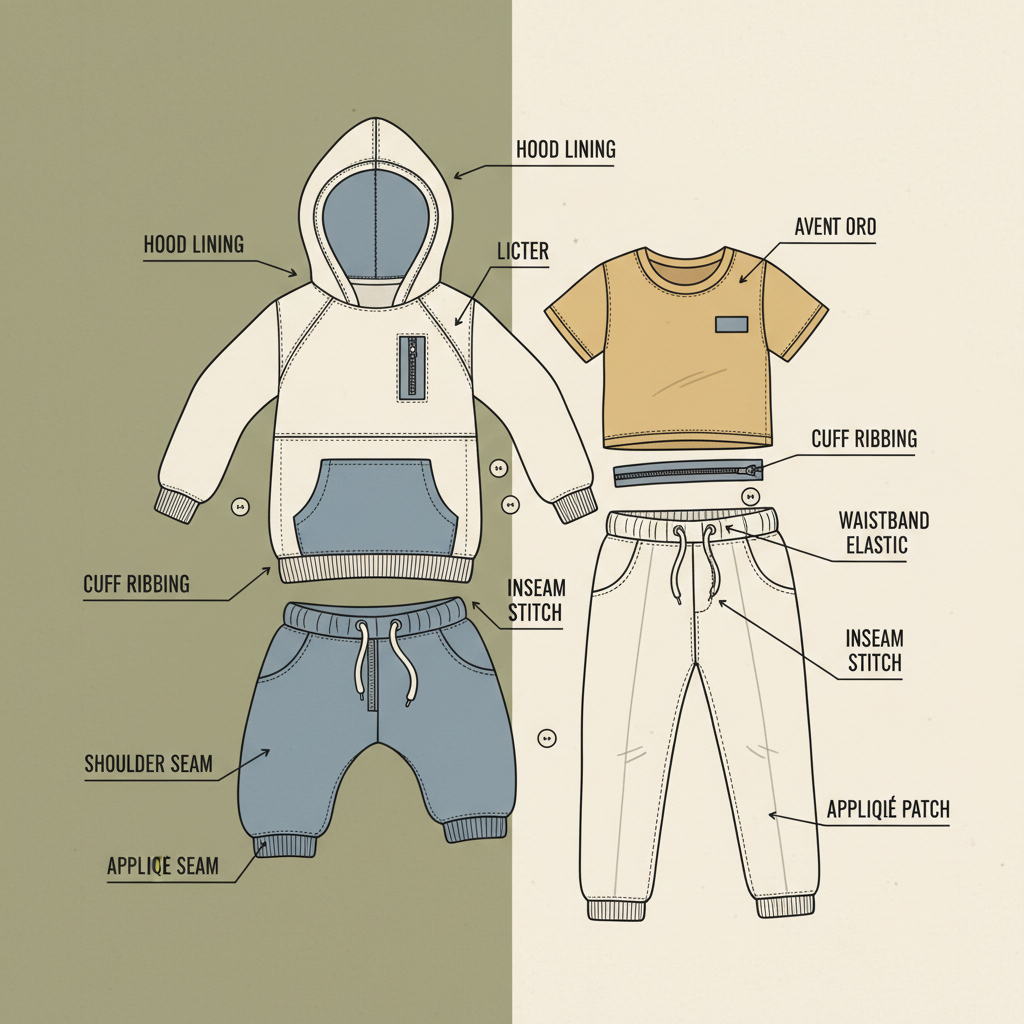
In the competitive landscape of modern apparel manufacturing, essa kidswear represents a synthesis of ergonomic design and high-performance textile engineering. For parents and distributors globally, the priority has shifted from simple aesthetics to a demand for clothing that supports a child's active growth while ensuring safety and thermal regulation.
The global shift toward sustainable production and non-toxic materials has placed essa kidswear at the forefront of the industry, addressing the critical need for durable, eco-friendly garments. By integrating advanced softshell technologies with child-specific anatomical patterns, this approach solves the common conflict between weather protection and freedom of movement.
Understanding the technical nuances of essa kidswear allows brands to reduce waste and increase product longevity, providing a tangible value proposition in an era of fast fashion. This comprehensive guide explores how precision manufacturing and material science combine to create the next generation of children's protective clothing.

The Global Context of essa kidswear

The global children's apparel market is currently undergoing a paradigm shift, driven by ISO standards for safety and a growing awareness of environmental impact. essa kidswear emerges as a response to this shift, bridging the gap between industrial-grade protection and the comfort required for early childhood development.
As climate volatility increases, the demand for versatile, all-weather garments has surged. The implementation of essa kidswear ensures that children remain protected from extreme elements without sacrificing the breathability essential for maintaining a healthy core body temperature during physical activity.
FAQS
Unlike traditional raincoats that often use a non-breathable plastic layer, essa kidswear utilizes a semi-permeable membrane. This allows sweat vapor to escape while blocking rain, preventing the "clammy" feeling children often get during active play. Additionally, it offers superior wind resistance and flexibility, ensuring that movement is not restricted.
Thanks to integrated "growth-friendly" features—such as adjustable hems, elasticized waists, and generous layering space—many essa kidswear pieces are designed to last 1.5 to 2 times longer than standard garments. When combined with high-abrasion resistant fabrics, these pieces often remain in excellent condition even after being passed down to siblings.
Yes, the highest standards of essa kidswear prioritize OEKO-TEX certification, ensuring the absence of harmful chemicals. We are also moving toward PFC-free water repellents and recycled polyester blends to reduce the plastic footprint. The inner linings are typically hypoallergenic and moisture-wicking, making them ideal for children with sensitive skin.
Most essa kidswear is machine washable on a gentle cycle. However, to maintain the longevity of the waterproof membrane and DWR coating, we recommend avoiding fabric softeners and using a specialized technical wash. Periodic heat-setting (following garment labels) can help reactivate the water-repellent properties of the outer shell.
For high-energy activities like hiking or sports, a "Lite" or "Active" version of essa kidswear is best as it prioritizes breathability. For stationary activities or extreme cold, the "Thermal" or "Arctic" lines provide the necessary insulation. For general daily use, a mid-weight softshell is the most versatile choice for layering.
Distributors can partner with our manufacturing hubs by providing specific regional sizing charts and compliance requirements. We offer scalable production runs and handle the technical documentation required for customs, ensuring that the high-performance standards of essa kidswear are maintained regardless of the destination market.
Conclusion
As the industry moves toward smarter, greener textiles, the adoption of high-performance standards will become the benchmark for all children's apparel. We encourage brands and parents to move away from the cycle of disposable fashion and embrace the long-term reliability of technical wear. To explore our full range of high-performance apparel, visit our website: www.softshell-clothing.com