Finding a balance between high-performance technical apparel and budget constraints is a primary challenge for procurement managers and sports retailers. The search for discount sportswear often leads to a trade-off between cost and durability, yet strategic sourcing can unlock professional-grade gear without the premium price tag.
Whether sourcing for corporate athletic events, school teams, or retail inventory, the objective is to find garments that maintain structural integrity under athletic stress while optimizing the unit cost. This requires a deep understanding of textile engineering, from the choice of PVC and PU materials to the precision of welded seams in rainwear.
By analyzing the supply chain from the heart of China's textile hubs, we can identify how vertical integration—combining raw material sourcing with dedicated manufacturing—allows for significant cost reductions without compromising safety standards or functional performance.

Decoding the Value Proposition of Budget Athletic Apparel

The term "discount" in the sportswear industry is often misunderstood as a synonym for "low quality." However, in a B2B context, genuine value is achieved through the removal of brand premiums and the optimization of manufacturing logistics. When a manufacturer vertically integrates its process—owning the factories for garments and plastic rainwear—the cost is reduced not by using inferior fabric, but by eliminating middleman margins.
For instance, in the production of specialized items like kids' reflective raincoats, the value is found in the combination of playful design and safety. Using soft PVC with welded seams instead of traditional stitching can provide superior waterproofing while keeping the production cost manageable through automated welding technology.
Ultimately, the goal for any buyer is to identify the "performance floor"—the minimum technical specification required for the intended use—and source products that meet this floor precisely, avoiding the "over-specification" that often drives up costs in premium brands.
Core Technical Indicators for Evaluating Sportswear Quality
Assessing the quality of budget-friendly sportswear requires a shift from brand recognition to technical verification. Key indicators include the tensile strength of the fabric, the breathability rating of the membrane, and the precision of the safety features, such as the placement of silicone reflective strips for low-light visibility.
In rainwear, the distinction between EVA, TPU, and PU leather is critical. PU (Polyurethane) generally offers a better balance of flexibility and waterproofing, making it ideal for active wear. The use of oversized snap buttons and rounded edges in children's wear is not just a design choice but a safety requirement that distinguishes professional manufacturing from generic low-cost production.
Furthermore, certification compliance—such as CE, EN470-1, and ASTM D6413—serves as the ultimate benchmark. When sourcing at a discount, ensuring that the factory maintains these certifications ensures that the "savings" are not coming at the expense of regulatory safety or wearer protection.
Strategic Application Scenarios for Cost-Effective Gear
Budget sportswear is most effective when matched to specific usage intensities. For high-frequency professional athletics, premium gear is necessary; however, for wide-scale distribution and specific environmental protection, cost-optimized solutions are superior.
One primary scenario is the educational sector, where schools require durable rainwear and athletic kits for students. In this context, products like reflective PVC raincoats with whimsical designs (such as animal or astronaut motifs) serve a dual purpose: encouraging child engagement while ensuring 360-degree safety during rainy-day outdoor activities.
Another critical application is in the corporate and industrial sector. Workwear, including aprons, coveralls, and parkas, needs to be replaceable and scalable. By sourcing high-quality work clothes that meet industrial safety standards but avoid luxury branding, companies can maintain a professional image and worker safety while significantly reducing annual operational expenditures.
Comparing Performance Metrics of Material Grade and Cost
When comparing different grades of sportswear, the relationship between material cost and functional performance is rarely linear. There is often a "sweet spot" where a modest increase in material quality leads to a disproportionate increase in the product's lifespan and utility.
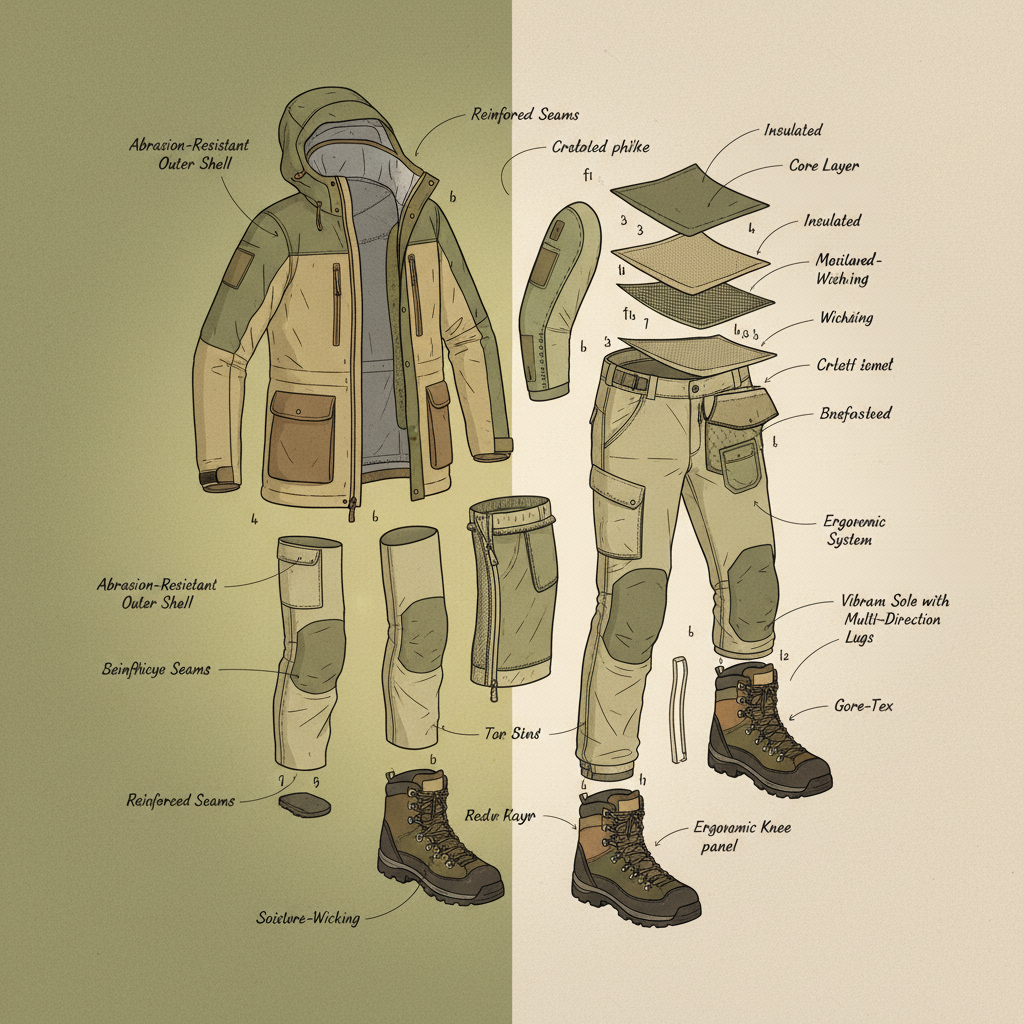
For example, switching from basic PVC to soft-shell fabrics for jackets increases the price slightly but drastically improves wind resistance and breathability, extending the garment's usability across multiple seasons. This efficiency is what professional sourcing agents look for when optimizing a product catalog.
discount sportswear Performance Metrics
The data indicates that while premium options offer the highest absolute performance, optimized budget options often achieve 80-90% of that performance at a fraction of the cost, making them the most logical choice for bulk procurement and promotional distributions.
Procurement Framework for Sourcing Bulk Sportswear
Effective procurement starts with a detailed Technical Requirement Document (TRD). Instead of asking for "cheap jackets," a professional buyer specifies the material (e.g., soft-shell vs. PU), the seam type (welded vs. stitched), and the necessary certifications (e.g., CE or NFPA2112).
Evaluating the supplier's vertical integration is the next step. A partner like Shijiazhuang Hantex International, which operates dedicated factories for garments and plastic rainwear, can offer tighter quality control and shorter lead times. In-house QC teams at both the trade and factory levels are essential to ensure that bulk orders maintain consistency across thousands of units.
Finally, buyers should consider the total landed cost, including logistics from hubs like Tianjin or Qingdao ports. A lower unit price can be quickly offset by inefficient shipping or high defect rates, making reliability and delivery punctuality as important as the initial quote.
Future Shifts in Sustainable Low-Cost Textile Production
The sportswear industry is moving toward a convergence of affordability and sustainability. The adoption of recycled polymers and biodegradable PVC alternatives is expected to lower the environmental footprint of budget apparel without significantly increasing the cost to the end-user.
Automation in the cutting and welding process is likely to further reduce labor costs, allowing manufacturers to offer higher-grade materials at previous "discount" price points. We may see an increase in "smart" low-cost gear, where basic reflective technologies are integrated more seamlessly into the fabric weave rather than applied as external strips.
Furthermore, the shift toward "on-demand" manufacturing could reduce the waste associated with overproduction. This allows suppliers to offer smaller minimum order quantities (MOQs) while maintaining competitive pricing, empowering smaller retailers to access professional-grade sportswear.
Comparative Analysis of Sportswear Sourcing Models
Choosing the right sourcing model depends on the volume, the required lead time, and the criticality of the garment's performance. The following table compares the primary approaches to acquiring athletic and protective apparel.
While brand-name procurement offers prestige, the direct-from-manufacturer model provides the highest ROI for organizations focusing on utility, scalability, and functional safety.
| Sourcing Model | Cost Structure | Quality Control | Best Use Case |
|---|---|---|---|
| Premium Brand Retail | High (Brand Markup) | Standardized | Individual High-End Use |
| Wholesale Distributors | Moderate | Variable | Small-Scale Retailers |
| Direct Factory (OEM) | Low (Unit Cost) | Customizable/Strict | Bulk Corporate/School |
| Generic Low-Cost Market | Lowest | Unpredictable | Single-Event Disposable |
| Vertically Integrated | Optimized | Integrated/High | Long-Term Supply Chain |
| Custom ODM Solution | Moderate-Low | Design-Specific | Specialized Workwear |
For those seeking a balance of professional certification and competitive pricing, visiting www.softshell-clothing.com can provide a comprehensive overview of how integrated manufacturing delivers value across diverse product categories.
Frequently Asked Questions
Conclusion
Strategic sourcing of sportswear is not about finding the lowest possible price, but about optimizing the ratio of performance to cost. By focusing on technical specifications, verifying certifications, and partnering with vertically integrated manufacturers, buyers can acquire professional-grade apparel that meets all safety and durability requirements.
Whether you are equipping a workforce with durable workwear or providing students with high-visibility rain gear, the key lies in precise specification and rigorous quality control. For more information on diverse product categories and manufacturing capabilities, readers can explore the resources available at www.softshell-clothing.com.