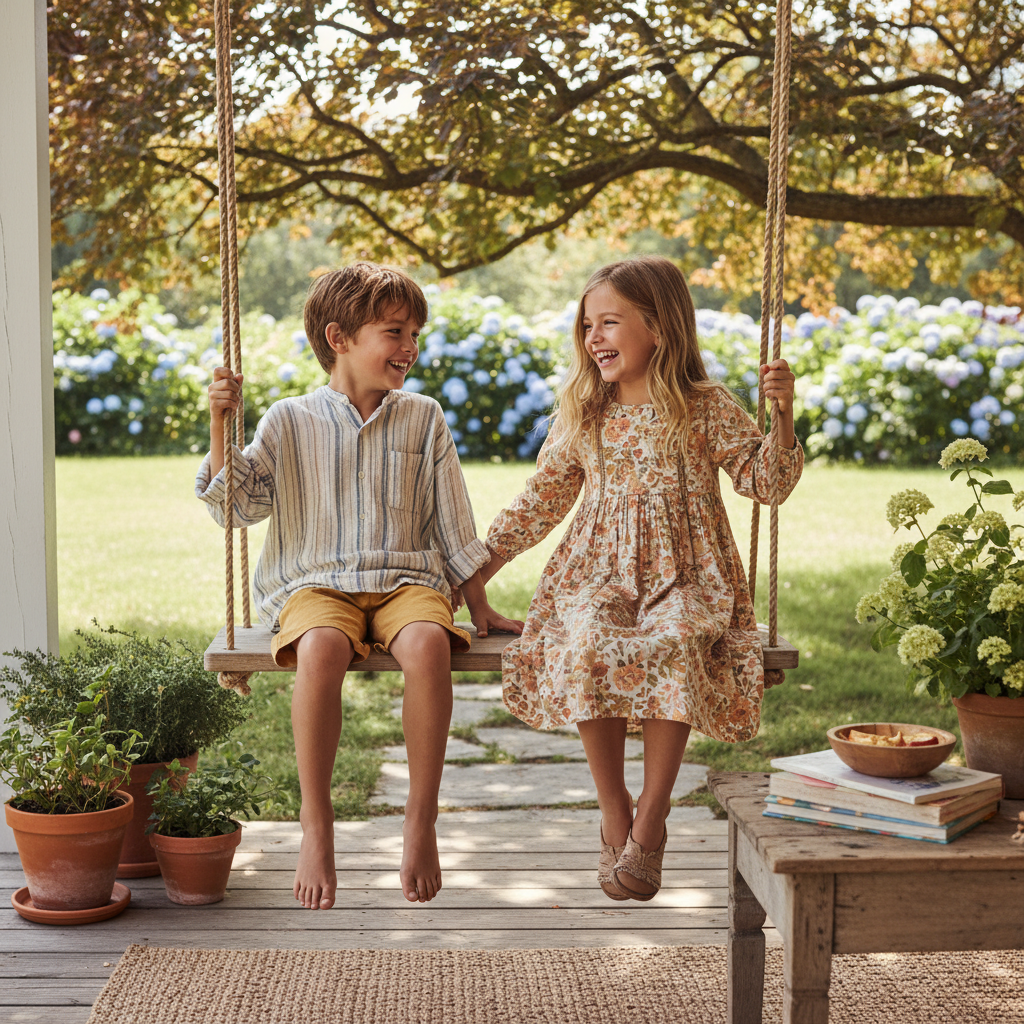
Designer kids wear represents more than just miniature versions of adult fashion; it’s a rapidly growing global industry driven by increasing parental disposable income, a heightened focus on children’s self-expression, and the influence of social media. This sector is experiencing significant innovation, blending style with functionality and sustainability, catering to a discerning market that demands both quality and ethical production. The demand for unique and high-quality apparel for children is consistently rising, making it a dynamic and competitive space.
The global market for kids wear, with designer options leading the charge, is estimated to be worth billions and continues to expand, particularly in emerging economies. Factors like urbanization and changing family structures contribute to this growth. The increasing brand awareness and online retail penetration also play pivotal roles, making designer kids wear accessible to a wider audience. This accessibility is fueling a demand for sophisticated styles and durable garments.
Understanding the nuances of designer kids wear is crucial for retailers, manufacturers, and consumers alike. It’s a market that balances aesthetic appeal with practical considerations like comfort, safety, and longevity. Investment in this sector requires a keen understanding of current trends, material innovations, and ethical sourcing – ultimately, it’s about creating clothing that children love to wear and parents feel good about purchasing.
The Global Significance of Designer Kids Wear
The global market for designer kids wear is a significant economic force, projected to reach substantial valuations in the coming years. According to reports from organizations like the World Bank and various market research firms, spending on children's apparel, particularly high-end and designer items, is steadily increasing worldwide, especially in rapidly developing economies. This reflects a shift in consumer behavior and increasing disposable incomes.
A key challenge the designer kids wear industry addresses is the demand for ethically produced and sustainable clothing. Concerns about labor practices and environmental impact are driving consumers to seek brands committed to responsible manufacturing. Meeting this demand requires transparency in supply chains and the adoption of eco-friendly materials, presenting both challenges and opportunities for growth within the sector.
Defining Designer Kids Wear
Designer kids wear encompasses apparel and accessories created by established fashion houses or independent designers specifically tailored for children. Unlike mass-produced children’s clothing, designer pieces often emphasize unique designs, higher-quality materials, and meticulous craftsmanship. It is a segment dedicated to bringing sophistication and style to the younger generation.
The connection to modern industry lies in its influence on broader fashion trends. Many adult collections draw inspiration from childrenswear, and vice versa, creating a symbiotic relationship. The industry also supports skilled artisans and contributes to the growth of the textile and manufacturing sectors.
Furthermore, designer kids wear responds to a fundamental human need for self-expression and identity formation. Clothing allows children to explore their personal style and develop a sense of individuality, fostering confidence and creativity. In an increasingly image-conscious world, well-designed clothing plays a role in how children perceive themselves and how they are perceived by others.
Core Components of Quality Designer Kids Wear
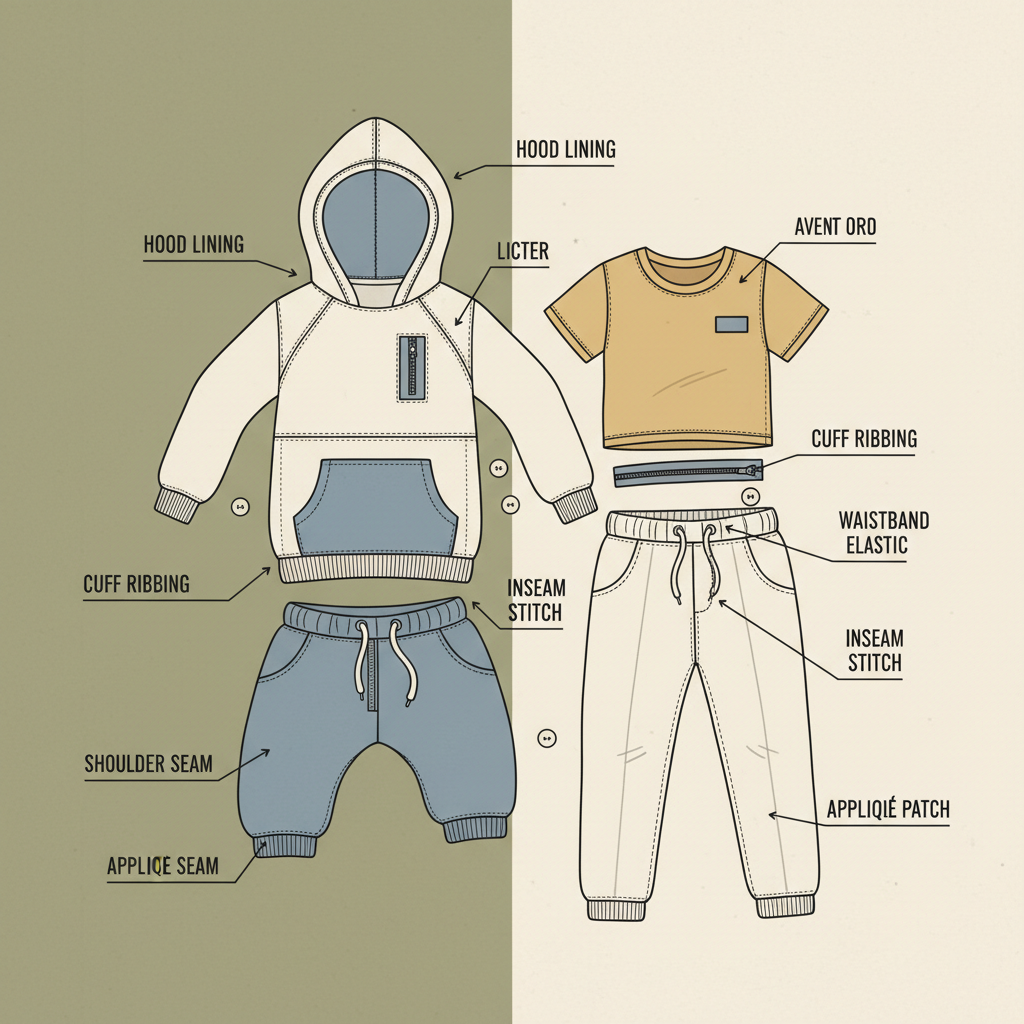
Durability is paramount in designer kids wear. Children are active and clothing needs to withstand frequent wear and washing. High-quality fabrics, reinforced stitching, and robust construction are essential. Choosing materials that can handle rough-and-tumble play ensures longevity and value.
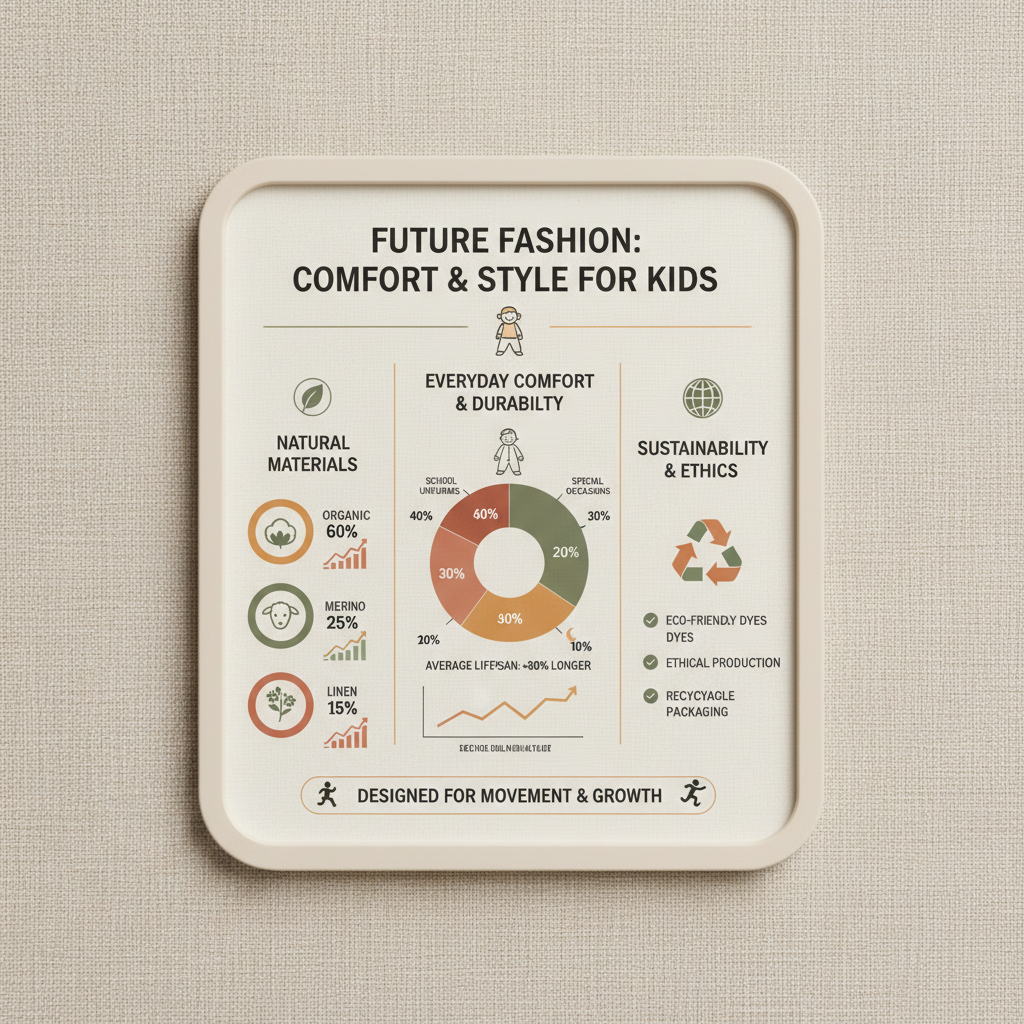
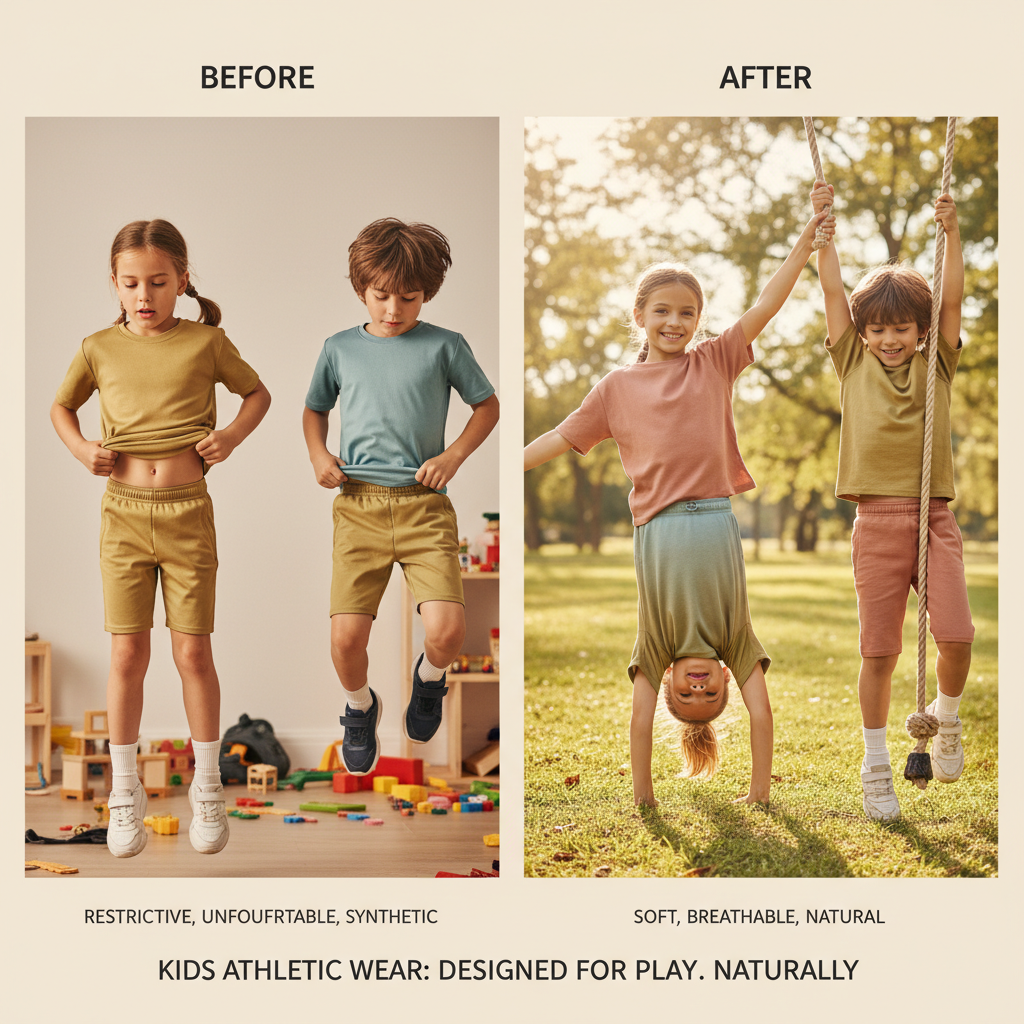
Comfort is another key component. Designer kids wear shouldn't just look good; it must feel good against a child’s skin. Soft, breathable fabrics like organic cotton, linen, and hypoallergenic materials are crucial, minimizing irritation and maximizing comfort. Properly designed cuts and fits also contribute to a comfortable experience.
Aesthetic appeal, naturally, is central to the definition of designer wear. Unique designs, attention to detail, and a sophisticated colour palette distinguish designer garments from mainstream options. This includes stylish cuts, interesting textures, and innovative embellishments.
Key Factors Influencing Designer Kids Wear Selection
Fabric quality is a major consideration. Parents often prioritize natural, breathable materials like organic cotton, which are gentle on sensitive skin and reduce the risk of allergic reactions. The origin and production processes of the fabric also matter, with a growing demand for sustainable and ethically sourced options.
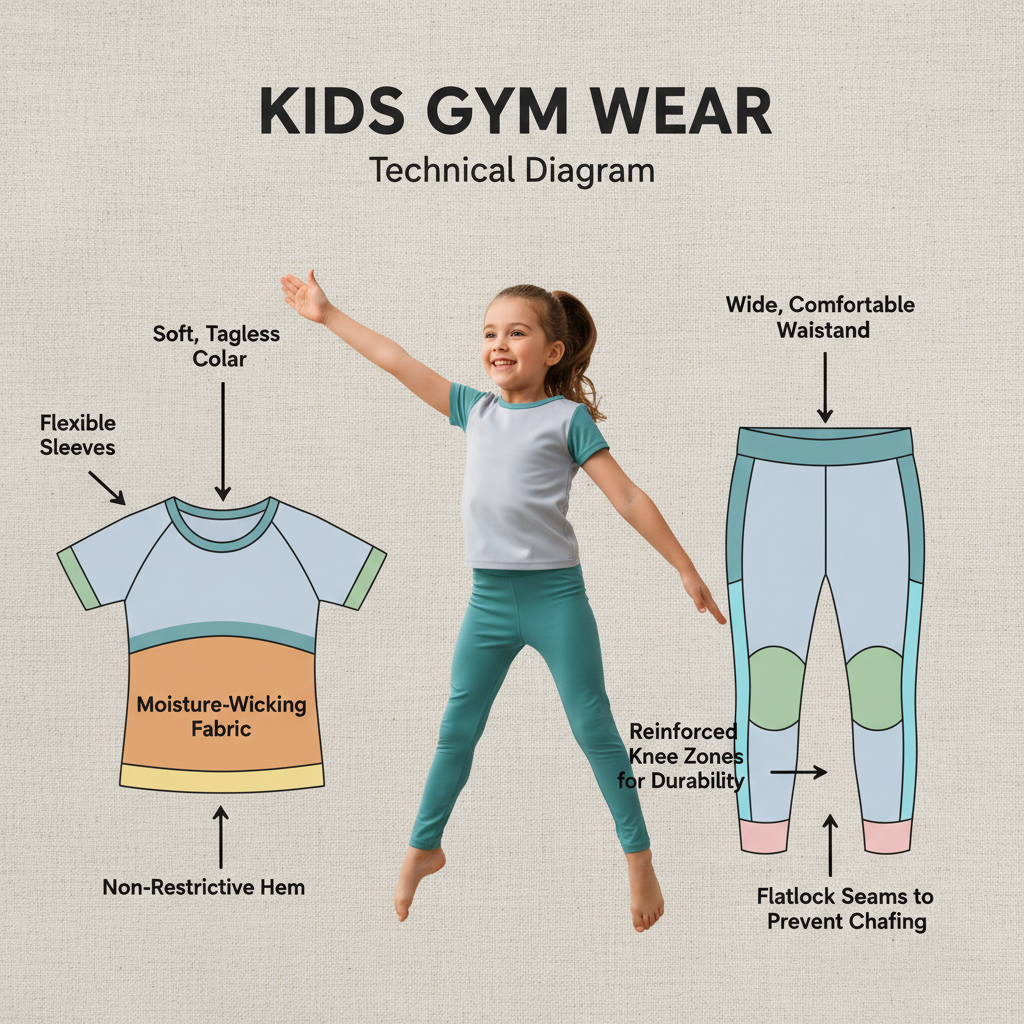
Fit and functionality play a vital role. Designer kids wear should allow for freedom of movement and accommodate a child's active lifestyle. Adjustable features, comfortable waistbands, and practical designs contribute to overall wearability.
Designer Kids Wear Purchase Influencers
Global Applications and Market Trends in Designer Kids Wear
In North America and Europe, the designer kids wear market is driven by a strong emphasis on brand identity and a willingness to spend on premium products. Online retail is dominant, with parents seeking convenience and a wider selection. Collaboration between luxury brands and childrenswear designers is a growing trend.
Asia-Pacific represents the fastest-growing market, fueled by rising disposable incomes and a preference for international brands. China and India are key players, with a growing middle class and an increasing demand for high-quality children’s apparel. The rise of social media influencers and celebrity endorsements also impacts purchasing decisions in this region.
Advantages of Investing in Premium Designer Kids Wear
Investing in high-quality designer kids wear offers several tangible benefits. The durability of these garments means they withstand repeated wear and washing, reducing the need for frequent replacements – representing long-term cost savings despite the initial higher price point.
Beyond cost-effectiveness, there's a significant emotional value. Designer clothes can boost a child's confidence and self-esteem, allowing them to express their individuality. For parents, it's about providing their children with the best possible quality and style, reflecting their own values and aesthetic preferences.
Furthermore, supporting designer brands often means supporting ethical production practices and sustainable materials, aligning with a growing consumer desire for responsible purchasing. This contributes to a more equitable and environmentally conscious fashion industry.
Future Trends and Innovations in Designer Kids Wear
Sustainability is set to be a defining trend. Expect to see increased use of organic, recycled, and biodegradable materials, along with a focus on minimizing waste in production processes. Circular fashion models, such as clothing rental and resale platforms, will also gain traction.
Digital transformation is reshaping the industry, with virtual try-on technologies and personalized shopping experiences becoming more common. Artificial intelligence (AI) is being used to predict trends and optimize inventory management.
Innovative materials, such as fabrics made from pineapple leaves or mushrooms, are emerging as viable alternatives to traditional textiles. 3D printing and on-demand manufacturing are also poised to revolutionize the way designer kids wear is produced, enabling greater customization and reducing lead times.
Summary of Trends and Challenges in Designer Kids Wear
| Trend/Challenge |
Impact on Designer Kids Wear |
Mitigation Strategy |
Severity (1-10) |
| Sustainability Concerns |
Increased demand for eco-friendly materials and production |
Invest in sustainable sourcing and manufacturing practices |
8 |
| Supply Chain Disruptions |
Delays in production and increased costs |
Diversify sourcing and build stronger relationships with suppliers |
7 |
| Fast Fashion Competition |
Price pressure and erosion of brand value |
Focus on unique design, quality, and ethical values |
6 |
| Digital Marketing Challenges |
Reaching target audience and standing out in a crowded online space |
Leverage social media, influencer marketing, and personalized advertising |
5 |
| Changing Consumer Preferences |
Need to adapt to evolving styles and trends |
Conduct market research and embrace innovation |
7 |
| Rising Material Costs |
Increased production costs and potential price increases |
Optimize material usage and explore alternative sourcing options |
6 |
FAQS
Designer kids wear distinguishes itself through superior quality materials, meticulous craftsmanship, and unique, trendsetting designs. Unlike mass-produced garments, designer pieces often utilize premium fabrics like organic cotton or silk, with attention paid to detail in stitching and embellishments. This translates to enhanced durability, comfort, and a more sophisticated aesthetic that reflects current fashion trends. It's a purchase prioritizing both style and longevity, often representing a parent’s investment in their child’s self-expression.
Look for brands that prioritize transparency in their supply chain and are certified by organizations like Fair Trade or GOTS (Global Organic Textile Standard). Check for information on their website regarding labor practices, material sourcing, and environmental impact. Supporting brands committed to ethical production ensures fair wages for workers and minimizes harm to the planet. Researching the brand’s values and commitment to sustainability is a crucial step.
Designer kids wear sizing can vary between brands, so it’s always best to consult the specific brand’s size chart. Measure your child’s chest, waist, and height accurately and compare those measurements to the chart. Consider whether you prefer a looser or more fitted style and adjust the size accordingly. Reading customer reviews can also provide insights into the fit of particular garments.
Always follow the care instructions on the garment label. Many designer kids wear pieces require gentle hand washing or machine washing on a delicate cycle. Avoid harsh detergents and fabric softeners. Air drying is often recommended to prevent shrinkage and maintain color vibrancy. Proper storage, such as folding or hanging on padded hangers, can also help preserve the garment’s shape and quality.
While the initial cost is higher, designer kids wear often proves to be a worthwhile investment due to its superior quality, durability, and timeless style. These garments are designed to withstand frequent wear and washing, reducing the need for frequent replacements. Furthermore, they often retain their value better, making them suitable for resale or hand-me-downs. It’s a quality-over-quantity approach.
Purchase from authorized retailers, directly from the designer’s website, or from reputable department stores. Be wary of heavily discounted prices or unfamiliar websites, as these may indicate counterfeit products. Checking for secure payment options and reading customer reviews can also help ensure a safe and authentic shopping experience. Reputable stores will typically offer excellent customer service and return policies.
Conclusion
Designer kids wear represents a dynamic intersection of fashion, quality, and ethics. From its global economic significance to its emphasis on sustainability and individual expression, this sector continues to evolve and innovate. Choosing designer pieces isn’t just about aesthetics; it’s an investment in durability, responsible production, and a child's confidence.
Looking ahead, we can expect to see even greater emphasis on eco-friendly materials, personalized shopping experiences, and the integration of technology into the design and manufacturing processes. By staying informed about these trends and prioritizing ethical sourcing, consumers and businesses can contribute to a more sustainable and stylish future for designer kids wear. Visit our website at designer kids wear to explore our collection.