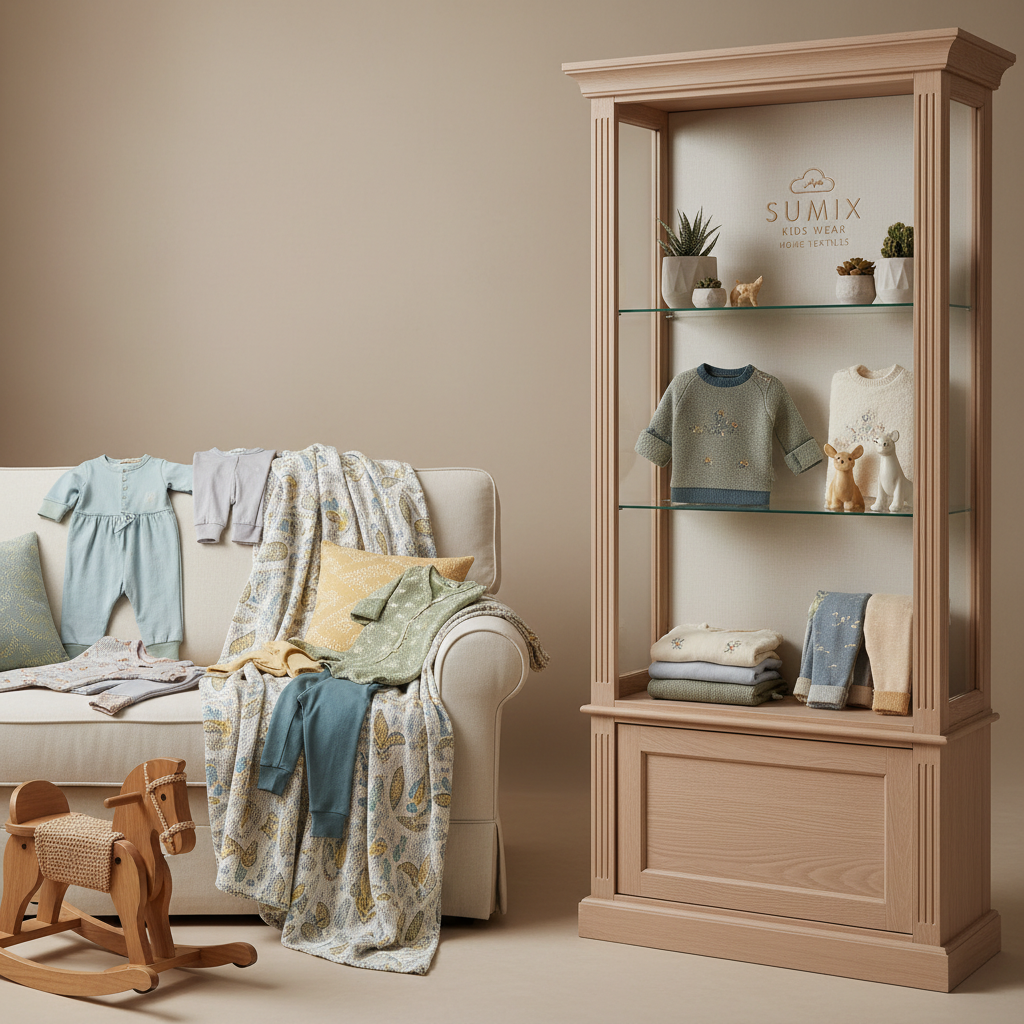
kidswear represents more than just clothing; it’s a rapidly evolving global industry deeply intertwined with cultural shifts, economic trends, and evolving parental priorities. From functional everyday wear to specialized garments for various activities, kidswear caters to a diverse and demanding market. Understanding the nuances of this sector is crucial for businesses seeking growth and innovation, as well as for policymakers aiming to ensure safety and ethical production standards.
The global kidswear market is a significant contributor to the broader apparel industry, projected to reach substantial figures in the coming years. This growth is fueled by increasing disposable incomes in developing nations, a rising awareness of fashion trends among younger consumers, and the growing emphasis on comfort and durability in children's clothing. The sector’s importance is underscored by its complex supply chains and the need for sustainable practices to minimize its environmental impact.
Ultimately, a thorough grasp of kidswear—its dynamics, challenges, and opportunities—is essential for anyone involved in the fashion industry, from designers and manufacturers to retailers and consumers. This understanding fosters responsible business practices, supports innovation, and ensures that children have access to safe, comfortable, and stylish clothing.
The Importance of Material Selection in kidswear
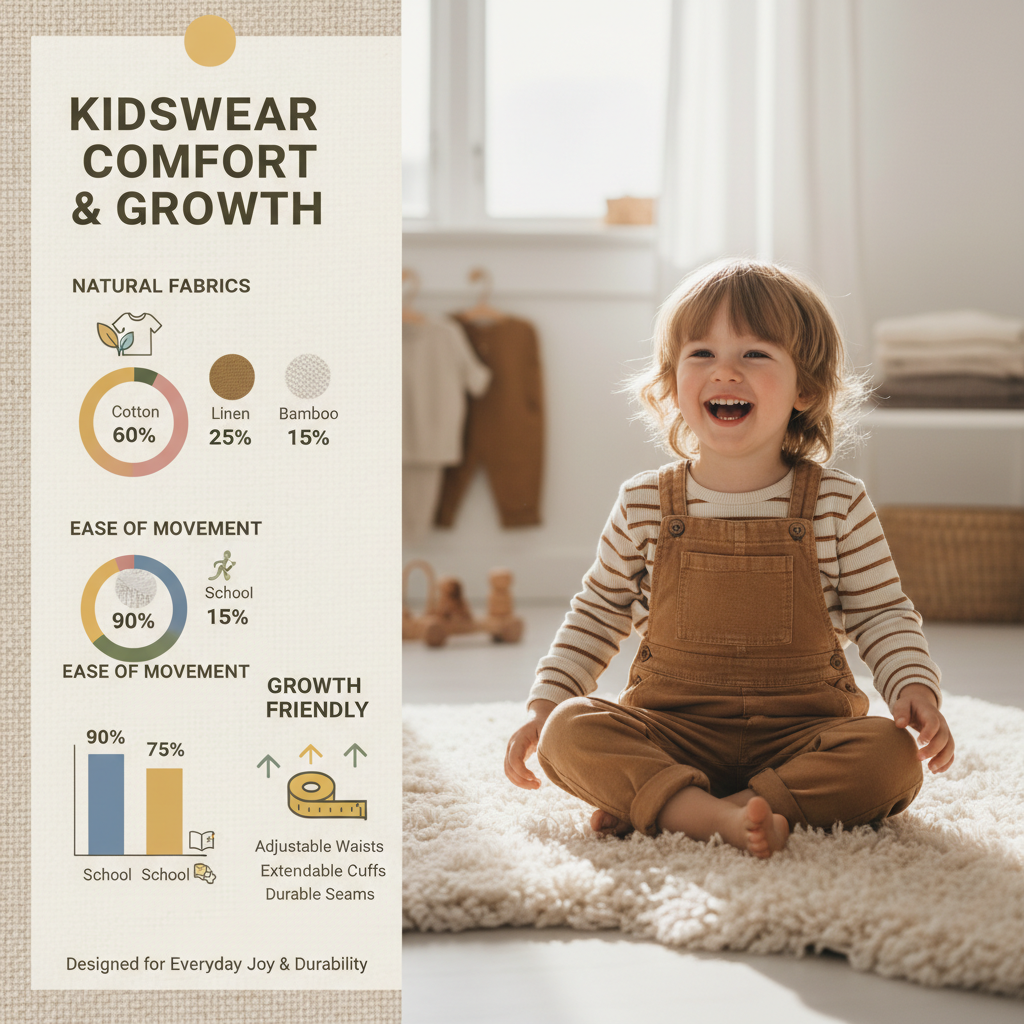
The selection of materials is paramount in kidswear, directly impacting comfort, safety, and durability. Materials like organic cotton, bamboo, and merino wool are gaining popularity due to their softness, breathability, and hypoallergenic properties, minimizing skin irritation for sensitive children. The focus is increasingly on natural and sustainable fibers, reducing reliance on synthetic materials that can contribute to environmental concerns.
Beyond comfort, material choice influences a garment’s ability to withstand frequent washing and active play. Reinforced fabrics and durable weaves are crucial for items intended for rugged use, while materials with inherent stain resistance can simplify parents’ lives. The blend of different fibers can also be strategically employed to maximize performance and longevity of kidswear items.
Trends in kidswear Design and Functionality
Current kidswear design trends reflect a broader shift towards comfort, practicality, and self-expression. Mini-me styles—where children’s clothing mirrors adult fashion—remain popular, as do designs inspired by street style and current pop culture. However, a growing emphasis on functionality is also evident, with features like adjustable waistbands, easy-to-manage closures, and built-in UV protection becoming increasingly common.
Gender-neutral kidswear is a rising trend, challenging traditional color palettes and garment styles. Brands are embracing inclusive designs that allow children to explore their individuality without conforming to gender stereotypes. This movement is driven by a desire for greater inclusivity and a rejection of limiting societal norms in children’s fashion.
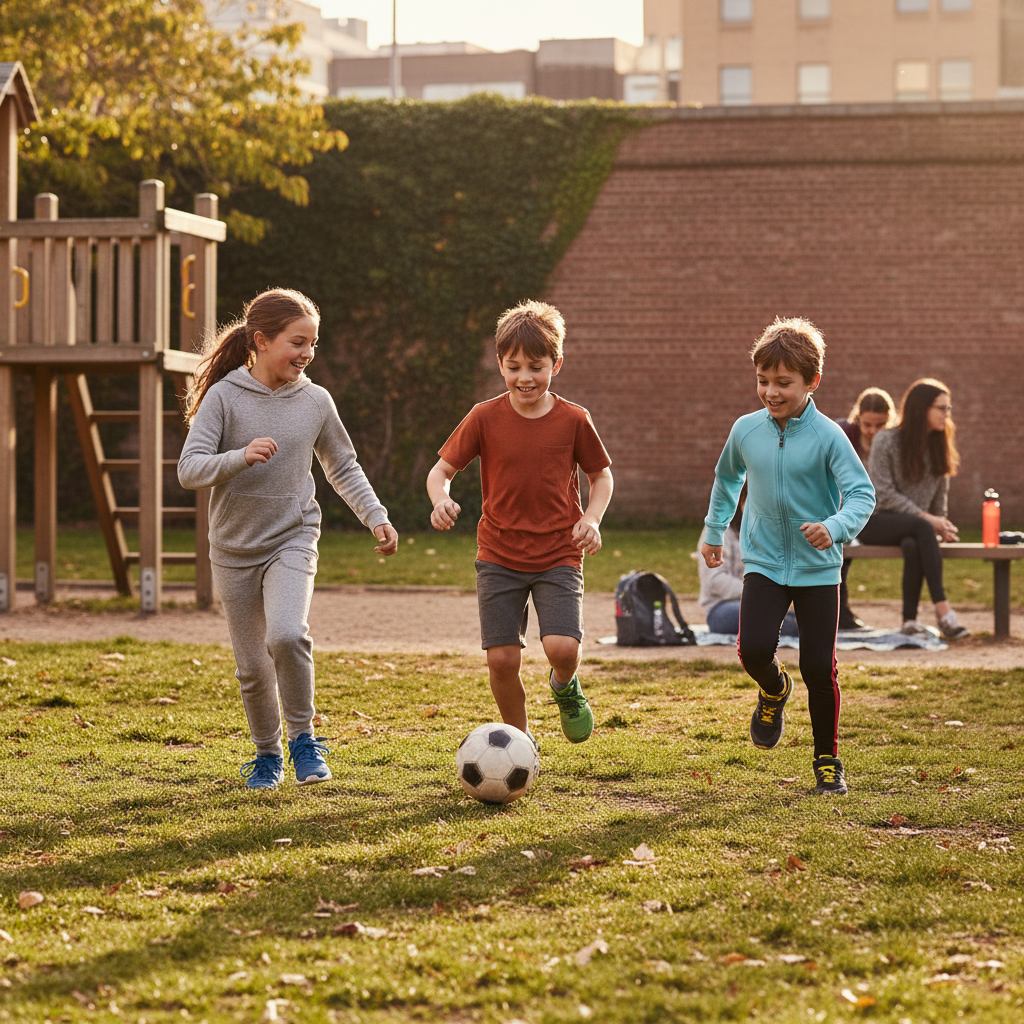
Furthermore, innovative designs are incorporating smart technologies, such as moisture-wicking fabrics and temperature-regulating materials, to enhance comfort and performance. The integration of these technologies reflects a growing demand for kidswear that not only looks good but also supports children’s active lifestyles.
The Role of Durability and Washability in kidswear
Durability and washability are non-negotiable aspects of high-quality kidswear. Children are notoriously hard on their clothes, subjecting them to constant wear and tear, spills, and stains. Garments must be able to withstand repeated washing cycles without losing their shape, color, or functionality, ensuring they can be passed down to younger siblings or resold.
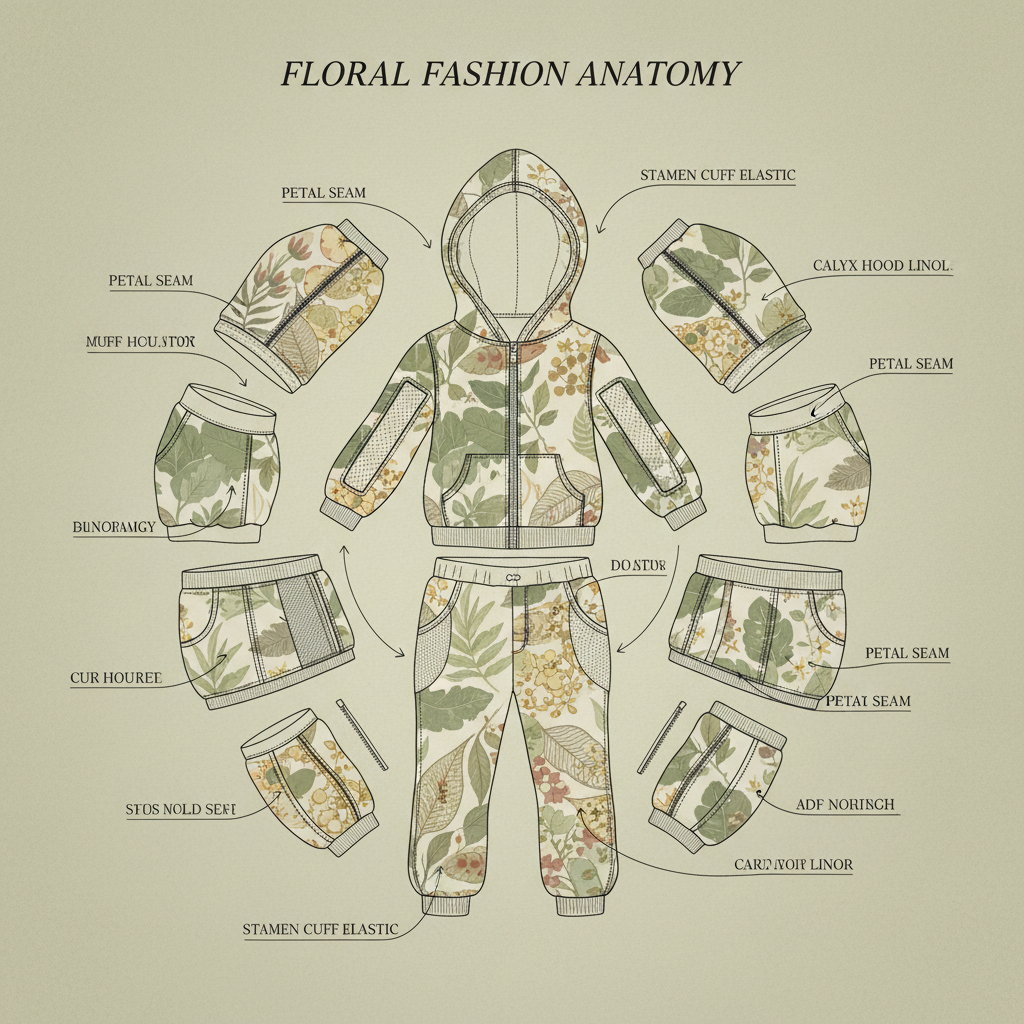
Testing for colorfastness, shrinkage, and seam strength are crucial quality control measures. Manufacturers employ various techniques, such as reinforcing seams, using high-quality zippers and buttons, and selecting durable fabrics, to enhance the longevity of kidswear items. Proper care instructions are also essential, guiding parents on how to wash and maintain garments to maximize their lifespan.
Investing in durable and washable kidswear not only saves parents money in the long run but also reduces textile waste, contributing to a more sustainable fashion industry. Prioritizing quality over quantity is a key principle in responsible kidswear consumption.
Size and Fit Standards in kidswear
Consistent and accurate sizing is a significant challenge in the kidswear industry. Children grow at different rates, and sizing standards can vary significantly between brands and even within the same brand. This inconsistency leads to frequent returns, customer frustration, and ultimately, textile waste.
Efforts are underway to standardize sizing across the industry, utilizing body measurements and age-based guidelines to create more reliable sizing charts. Some brands are embracing size inclusivity, offering a wider range of sizes to accommodate children of all body types. Detailed measurement guides and virtual fitting tools are also becoming increasingly popular, helping parents choose the right size online.
kidswear Size Accuracy Ratings by Brand
Safety Regulations and Compliance for kidswear
kidswear is subject to stringent safety regulations to protect children from hazards such as choking, flammability, and exposure to harmful chemicals. These regulations vary by country, but common requirements include limits on lead content, restrictions on small parts that could be swallowed, and flammability standards for fabrics.
Compliance with these regulations is crucial for manufacturers and retailers to avoid legal penalties and protect their brand reputation. Third-party testing and certification, such as OEKO-TEX and REACH, provide assurance of safety and environmental responsibility.
Sustainability and Ethical Production in kidswear
The demand for sustainable and ethically produced kidswear is growing rapidly, driven by increasing consumer awareness of the environmental and social impact of the fashion industry. This includes using organic and recycled materials, reducing water consumption, minimizing waste, and ensuring fair labor practices.
Brands are adopting various sustainable practices, such as implementing closed-loop production systems, partnering with ethical factories, and offering take-back programs for old clothing. Transparency in the supply chain is also essential, allowing consumers to trace the origin of their garments and make informed purchasing decisions.
The rise of the secondhand kidswear market further contributes to sustainability by extending the lifespan of garments and reducing the need for new production.
The Future of kidswear: Innovation and Technology
Innovation and technology are poised to revolutionize the kidswear industry. 3D printing is enabling customized garment creation, reducing waste and allowing for personalized designs. Smart textiles with embedded sensors can monitor children’s health and activity levels, providing valuable data for parents.
Artificial intelligence (AI) is being used to optimize sizing recommendations, predict fashion trends, and improve supply chain efficiency. Virtual and augmented reality (VR/AR) technologies are enhancing the shopping experience, allowing customers to virtually try on clothes and visualize different styles.
The future of kidswear will be characterized by greater personalization, sustainability, and technological integration, ultimately creating a more convenient, responsible, and enjoyable experience for both parents and children.
Core Factors in Evaluating Kidswear Sustainability
| Material Source |
Production Process |
Labor Standards |
End-of-Life Options |
| Organic Cotton |
Water-Efficient Dyeing |
Fair Trade Certified |
Recyclable/Compostable |
| Recycled Polyester |
Renewable Energy Powered |
Safe Working Conditions |
Donation/Resale Programs |
| Hemp |
Low-Impact Chemical Use |
Living Wage Guarantee |
Biodegradable Materials |
| Bamboo |
Closed-Loop Manufacturing |
Employee Empowerment |
Upcycling Initiatives |
| Lyocell (Tencel) |
Minimal Waste Production |
Transparency in Supply Chain |
Textile Recycling Partnerships |
| Recycled Cotton |
Reduced Carbon Footprint |
Worker Health & Safety |
Circular Economy Models |
FAQS
For babies, the safest materials are generally those that are soft, breathable, and hypoallergenic. Organic cotton is a top choice as it's grown without pesticides or harsh chemicals. Bamboo, merino wool, and Tencel are also excellent options due to their natural properties and reduced risk of irritation. Avoid synthetic fabrics like polyester, which can trap heat and cause discomfort. Always look for certifications like OEKO-TEX Standard 100 to ensure the fabric has been tested for harmful substances.
The frequency of washing kidswear depends on the activity level and how dirty the clothes get. Everyday clothes worn for short periods may only need washing after 2-3 wears. However, items worn during messy play or outdoor activities should be washed after each use. Always check the care label for specific washing instructions, and consider using a gentle, fragrance-free detergent to avoid irritating sensitive skin.
Act quickly! The sooner you treat a stain, the easier it is to remove. Start by blotting the stain with a clean cloth, then apply a stain remover specifically designed for fabrics. Gently rub the stain remover into the fabric and let it sit for a few minutes before washing. Avoid using harsh chemicals or abrasive cleaners, which can damage the fabric or irritate skin. For stubborn stains, repeat the process or try a different stain remover.
Look for brands that prioritize ethical production practices. Check if they have certifications like Fair Trade, which ensures fair wages and safe working conditions for garment workers. Research the brand's supply chain transparency – are they open about where their clothes are made and who makes them? Supporting brands committed to sustainability and ethical sourcing helps create a more responsible fashion industry.
Sizing can vary significantly between brands, so always refer to the brand's specific size chart. Measure your child's height, weight, and chest circumference, and compare these measurements to the chart. Pay attention to reviews – other customers may mention whether the items run small or large. When in doubt, it's often better to size up, as children grow quickly. Check if the retailer has a clear return policy in case you need to exchange the item for a different size.
Washing clothes inside out helps preserve the color and print. Avoid over-drying, as this can damage the fibers. Repair small tears or holes promptly to prevent them from getting larger. When storing clothes, use garment bags to protect them from dust and moths. Consider passing down clothes to younger siblings or friends, or donating them to charity to give them a new life.
Conclusion
In conclusion, understanding kidswear extends far beyond simply choosing cute outfits. It encompasses a complex interplay of material science, design innovation, safety regulations, and ethical considerations. Prioritizing sustainable practices, durable materials, and ethical production methods is not only beneficial for the environment and garment workers but also ensures children have access to comfortable, safe, and long-lasting clothing.
As technology continues to evolve, the future of kidswear promises even greater personalization, functionality, and sustainability. By staying informed about emerging trends and supporting responsible brands, consumers can play a vital role in shaping a more positive and impactful kidswear industry. Visit our website at www.softshell-clothing.com to explore our collection of high-quality, ethically sourced kidswear.