Sports wear for kids is more than just clothing; it's an investment in their active lifestyles, health, and development. From playground adventures to organized sports, the right apparel supports their movement, protects them from the elements, and fosters a positive attitude towards physical activity. Understanding the nuances of children’s sports wear, including fabric technology, fit, and safety features, is crucial for parents and caregivers alike.
The global market for sports wear for kids is experiencing significant growth, driven by increasing awareness of the benefits of exercise and a rising participation in youth sports. According to recent reports, the children’s activewear market is projected to reach billions of dollars in the coming years, indicating a strong demand for high-quality, comfortable, and durable clothing. This demand necessitates a focus on sustainable and ethical production practices within the industry.
Choosing appropriate sports wear for kids enhances their performance, reduces the risk of injury, and boosts their confidence. It's a vital aspect of supporting their physical wellbeing, setting them up for a lifetime of healthy habits and enjoyment of sports and outdoor activities. Investing in quality sports wear translates into a better experience for children and peace of mind for parents.
The Importance of Sports Wear for Kids
Providing kids with appropriate sports wear is a cornerstone of encouraging an active and healthy lifestyle. It’s not just about aesthetics; it’s about safety, performance, and comfort. Children are constantly moving, and their clothing needs to keep up with their energy. Proper athletic wear allows for a full range of motion without restriction.
Beyond functionality, sports wear for kids fosters a sense of belonging and enthusiasm for physical activities. When children feel good in their clothes, they are more likely to participate confidently and enjoyably. From soccer jerseys to basketball shorts, the right apparel can boost their self-esteem and inspire a passion for sports.
Defining Sports Wear for Kids
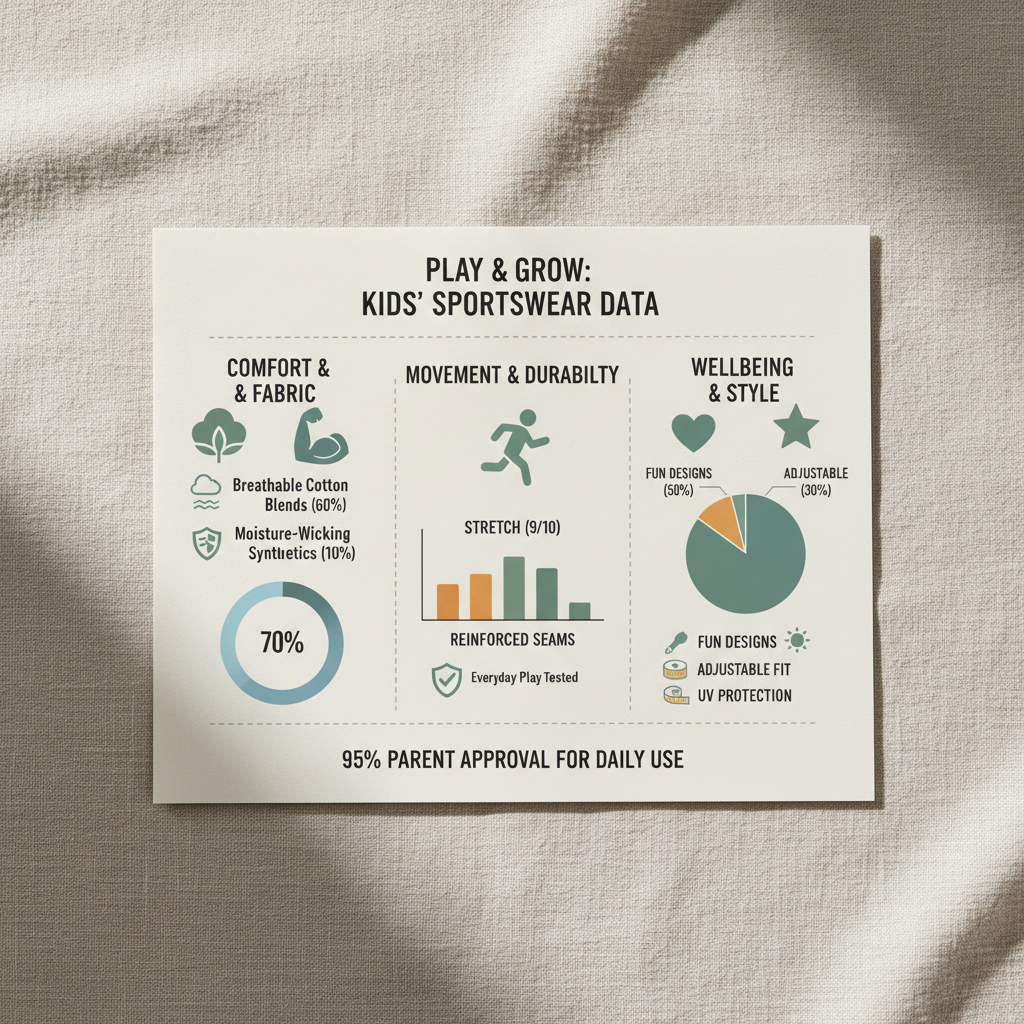
Sports wear for kids encompasses a wide range of clothing designed specifically for physical activity. This includes items like t-shirts, shorts, leggings, tracksuits, jackets, and specialized garments for specific sports like swimsuits or baseball uniforms. The key characteristic is functionality – materials are chosen for their breathability, moisture-wicking properties, and durability.
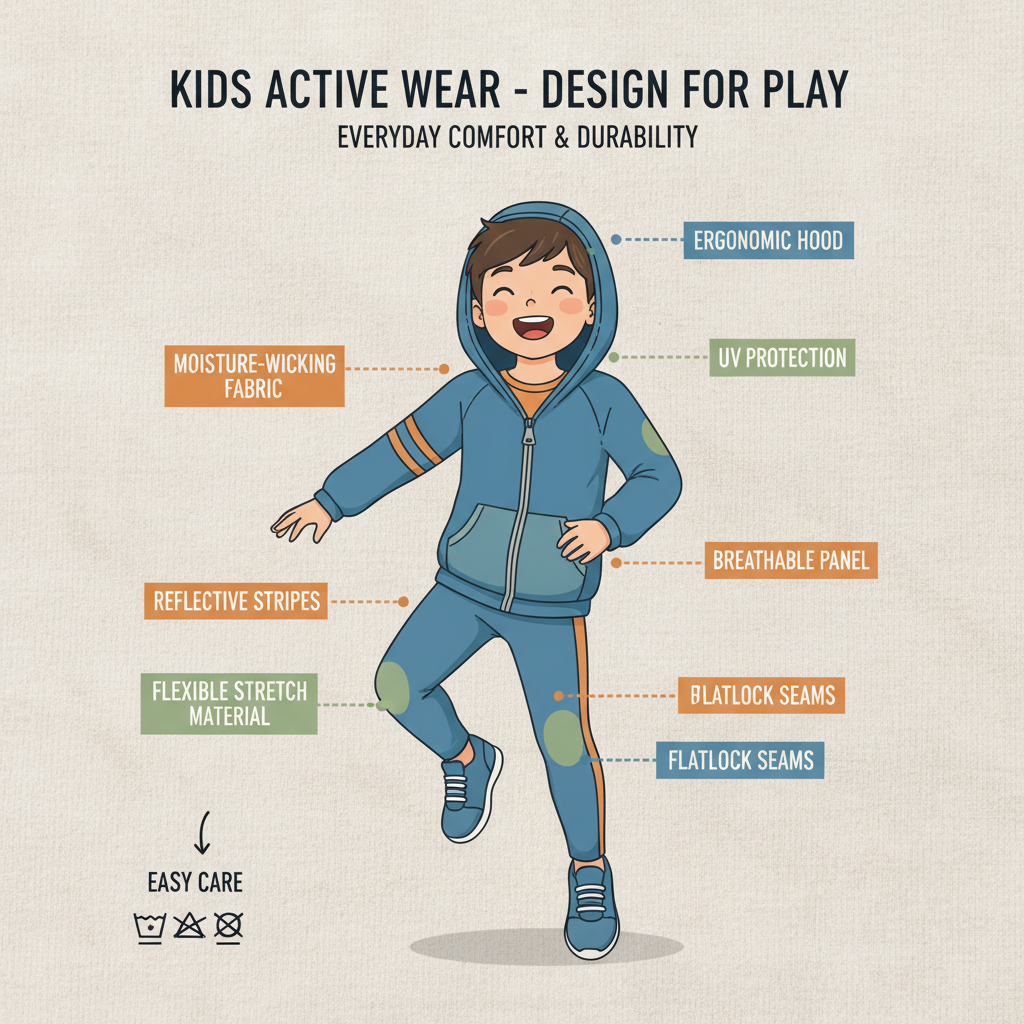
Unlike everyday clothing, sports wear for kids prioritizes performance and safety. Features like reinforced stitching, protective padding, and UV protection are common. This distinction is crucial because children’s bodies are still developing and require extra support during physical exertion. It’s about providing clothing that allows them to move freely and safely.
The modern sports wear industry acknowledges the need for comfortable, stylish, and sustainable options. Increasingly, brands are utilizing recycled materials and ethical manufacturing processes to create sports wear for kids that’s both good for their bodies and good for the planet. sports wear for kids are now designed with a focus on environmental responsibility.
Key Factors in Choosing Kids' Sports Apparel
Durability is paramount when selecting sports wear for kids. Children are tough on their clothes, and active wear needs to withstand frequent washing, rough play, and potential abrasions. Look for fabrics and construction that are built to last, resisting tears and maintaining their shape.
Comfort is equally essential. Ill-fitting or uncomfortable clothing can distract children from their activity and even cause chafing or irritation. Prioritize soft, breathable fabrics that allow for a full range of motion. Ensure the clothing isn’t too tight or restrictive.
Moisture-Wicking Properties are vital for regulating body temperature. During physical activity, children sweat, and moisture-wicking fabrics help to draw sweat away from the skin, keeping them dry and comfortable. This reduces the risk of overheating and discomfort.
Safety Features, such as reflective elements for visibility in low-light conditions and UV protection, are important considerations. Depending on the sport, consider features like padding or reinforced areas for added protection.
Proper Fit ensures optimal performance and comfort. Clothing that is too loose can be a tripping hazard, while clothing that is too tight can restrict movement. Pay attention to size charts and consider the child’s growth rate.
Fabric Technology plays a crucial role. Look for materials like polyester, nylon, and spandex blends that offer durability, breathability, and stretch.
Global Applications of Children’s Active Wear
Sports wear for kids is utilized globally across various settings, from school physical education classes to competitive youth sports leagues. In North America and Europe, there's a strong emphasis on branded athletic wear and performance-enhancing apparel. In developing nations, access to quality sports wear may be limited, but the demand for comfortable and durable clothing for active play remains high.
International sporting events, like the Youth Olympic Games, showcase the latest innovations in kids’ sports wear. Manufacturers often collaborate with athletes and coaches to develop apparel that optimizes performance and provides maximum comfort. These innovations then trickle down to consumer products.
Organizations dedicated to promoting youth sports in underserved communities often rely on donations of sports wear for kids to ensure that all children have the opportunity to participate. These initiatives highlight the importance of accessibility and inclusivity in youth sports.
Comparative Performance of Kids’ Sports Wear Materials
Advantages of High-Quality Sports Wear for Kids
Investing in high-quality sports wear for kids offers numerous tangible benefits. Increased durability translates to fewer replacements, saving money in the long run. Moisture-wicking fabrics contribute to better hygiene and reduce the risk of skin irritation.
Beyond practical advantages, good sports wear promotes a positive self-image and encourages active participation. When children feel comfortable and confident in their clothing, they’re more likely to engage in physical activity and develop healthy habits. This can foster a lifelong love of sports and fitness.
Future Trends in Kids’ Sports Wear
The future of kids’ sports wear is focused on sustainability and technological innovation. Expect to see more apparel made from recycled materials, such as ocean plastic and repurposed fabrics. Brands are also exploring biodegradable materials and eco-friendly dyes.
Smart fabrics with built-in sensors are another emerging trend. These fabrics can track a child’s heart rate, movement, and other physiological data, providing valuable insights for coaches and parents. Personalized fit and performance optimization are also likely to become more prevalent.
Digital printing technologies will allow for more customized and creative designs, catering to individual preferences and team branding. Furthermore, enhanced UV protection and antimicrobial properties will continue to be prioritized in the development of new sports wear.
Challenges and Sustainable Solutions
One of the main challenges in the sports wear for kids industry is the fast-fashion cycle, which leads to significant textile waste. Fast turnover rates and constantly changing trends contribute to a throwaway culture.
A sustainable solution involves promoting durability and timeless designs. Encouraging consumers to invest in fewer, higher-quality pieces that can be worn for multiple seasons can reduce waste. Supporting brands committed to ethical manufacturing and responsible sourcing is also crucial.
Implementing circular economy models, such as clothing rental and resale programs, can further minimize environmental impact. Educating consumers about the importance of proper garment care and recycling can also contribute to a more sustainable future for sports wear for kids.
Summary of Sustainable Solutions for Sports Wear for Kids
| Solution Category |
Implementation Strategy |
Impact on Sustainability |
Cost Considerations |
| Recycled Materials |
Utilize recycled polyester and nylon in fabric production |
Reduces reliance on virgin resources and landfill waste |
Moderate – slightly higher material cost |
| Durable Design |
Focus on reinforced stitching and timeless styles |
Extends product lifespan and reduces replacement frequency |
Low – primarily design and manufacturing adjustments |
| Ethical Manufacturing |
Partner with factories that prioritize fair labor practices |
Ensures social responsibility and improves working conditions |
Moderate – potential for increased labor costs |
| Clothing Rental |
Offer rental services for kids' sports wear |
Reduces consumption and promotes shared resource utilization |
High – requires logistics and cleaning infrastructure |
| Resale Programs |
Facilitate the resale of used sports wear |
Extends product lifecycle and reduces waste |
Low – requires platform development and marketing |
| Consumer Education |
Raise awareness about sustainable practices |
Encourages responsible consumption and promotes circularity |
Low – primarily marketing and communication efforts |
FAQS
For optimal performance and comfort, look for blends of polyester, spandex, and nylon. Polyester provides durability and moisture-wicking capabilities, while spandex offers stretch and freedom of movement. Nylon is strong and abrasion-resistant. Avoid 100% cotton, as it retains moisture and can become heavy and uncomfortable during activity. Always prioritize breathable fabrics to regulate body temperature and prevent overheating.
Proper fit is essential for safety and performance. Measure your child’s chest, waist, and inseam and compare these measurements to the brand’s size chart. Avoid clothing that is too tight, restricting movement, or too loose, posing a tripping hazard. Allow for a bit of growing room, but don't purchase sizes drastically larger than necessary. When in doubt, it’s best to err on the side of slightly larger, as clothing can be adjusted.
Moisture-wicking fabrics are crucial for keeping kids comfortable during physical activity. These fabrics draw sweat away from the skin, allowing it to evaporate quickly. This helps regulate body temperature, prevents overheating, and reduces the risk of chafing and skin irritation. Without moisture-wicking properties, clothing can become heavy, clingy, and uncomfortable, hindering performance.
Wash kids' sports wear after each use to remove sweat, dirt, and bacteria. Turn the clothing inside out and use a mild detergent. Avoid fabric softeners, as they can clog the moisture-wicking fibers. Wash in cold water and tumble dry on low heat or hang to dry. Avoid ironing, as it can damage the fabric.
Yes! Many brands are now offering eco-friendly sports wear for kids made from recycled materials like plastic bottles or organic cotton. Look for certifications like GOTS (Global Organic Textile Standard) or OEKO-TEX Standard 100. Also, consider brands that prioritize ethical manufacturing practices and reduce their carbon footprint. Supporting these brands contributes to a more sustainable future.
Check for reinforced stitching, especially in high-stress areas like knees and elbows. Look at the fabric weight – a higher GSM (grams per square meter) usually indicates a more durable material. Read customer reviews to get feedback on the product’s longevity. Finally, consider the brand’s reputation for quality and durability. Investing a little more upfront can save you money in the long run.
Conclusion
In conclusion, sports wear for kids is a vital aspect of supporting their active lifestyles, promoting their health, and fostering a positive relationship with physical activity. By prioritizing durability, comfort, safety, and sustainability, parents and caregivers can ensure that children have the apparel they need to perform their best and enjoy their favorite sports and activities. Choosing the right sports wear is an investment in their wellbeing.
Looking ahead, continued innovation in materials, design, and manufacturing will drive the future of the kids’ sports wear industry. Embracing sustainable practices and prioritizing ethical production will be crucial for creating a more responsible and environmentally friendly sector. Visit our website at www.softshell-clothing.com to explore our range of high-quality sports wear for kids.