Choosing the Right Reflective Overall for Enhanced Safety
When working in low-light conditions or hazardous environments, visibility is paramount. A high-quality reflective overall is an essential piece of personal protective equipment (PPE). These garments dramatically increase your visibility to others, minimizing the risk of accidents. This article will explore the benefits of reflective overalls, the key features to look for, different types available, and how to choose the best one for your specific needs. Investing in the right reflective overall is a proactive step towards workplace safety.

Why Choose a Reflective Overall?
Reflective overalls are more than just clothing; they're a critical safety measure. They enhance visibility in various conditions, including dusk, dawn, nighttime, and inclement weather. This is especially crucial for workers in industries such as construction, road maintenance, emergency services, and logistics. The reflective material bounces light back to its source, making the wearer highly visible to drivers, machinery operators, and other personnel. This significantly reduces the likelihood of being overlooked, preventing potential collisions and injuries. A well-chosen reflective overall can literally save lives.
Key Benefits: Enhanced visibility, reduced accident risk, compliance with safety regulations, increased worker confidence, and durability for demanding work environments.
Understanding Reflective Material Standards
Not all reflective materials are created equal. Different standards define the level of reflectivity and durability. Common standards include ANSI/ISEA 107 in the US and EN ISO 20471 in Europe. These standards classify garments into three classes based on the amount of reflective material used. Class 2 provides a moderate level of reflectivity, suitable for general work environments. Class 3 offers the highest level, ideal for high-risk situations and nighttime work. Always ensure the reflective overall you choose meets the relevant safety standards for your industry and location. Understanding these classifications is crucial for selecting the appropriate level of protection.
Reflectivity Classifications:
• Class 1: Basic reflectivity, for low-risk situations.
• Class 2: Moderate reflectivity, suitable for general work environments.
• Class 3: High reflectivity, for high-risk situations and nighttime work.
Reflective Overall Features to Consider
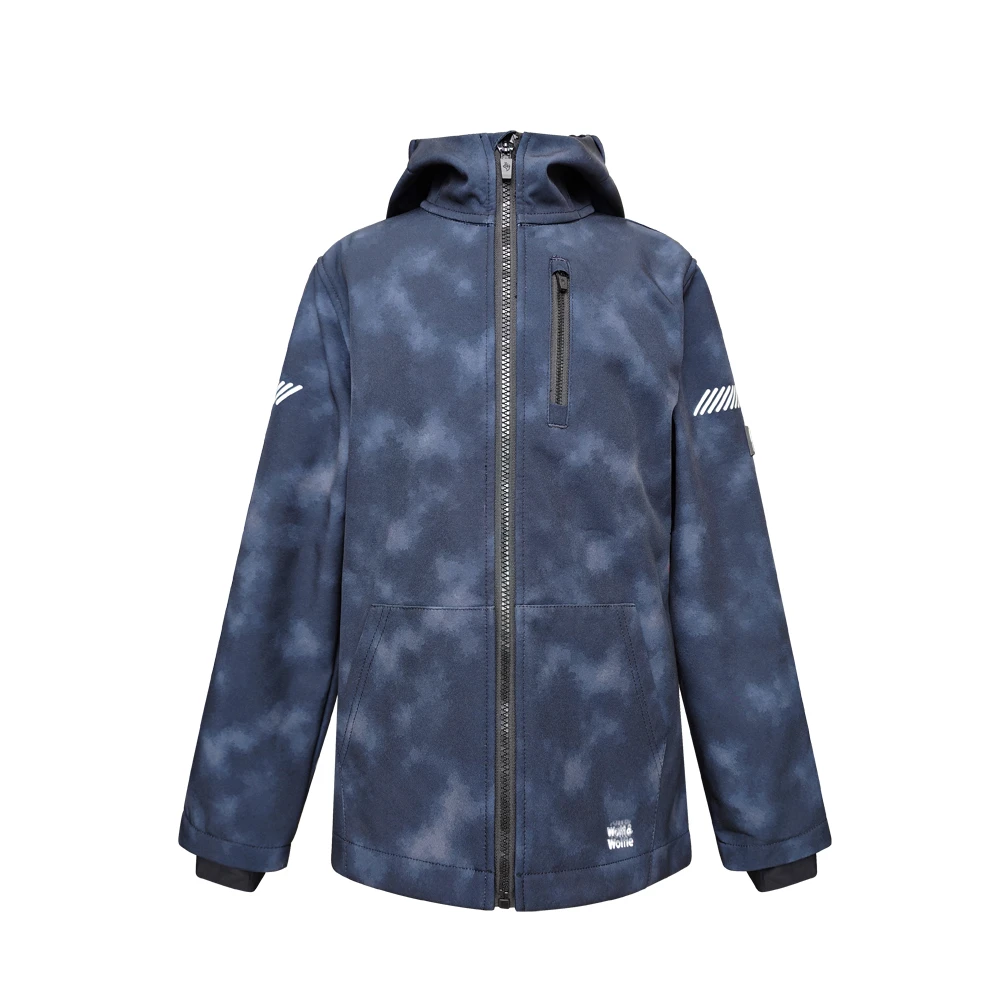
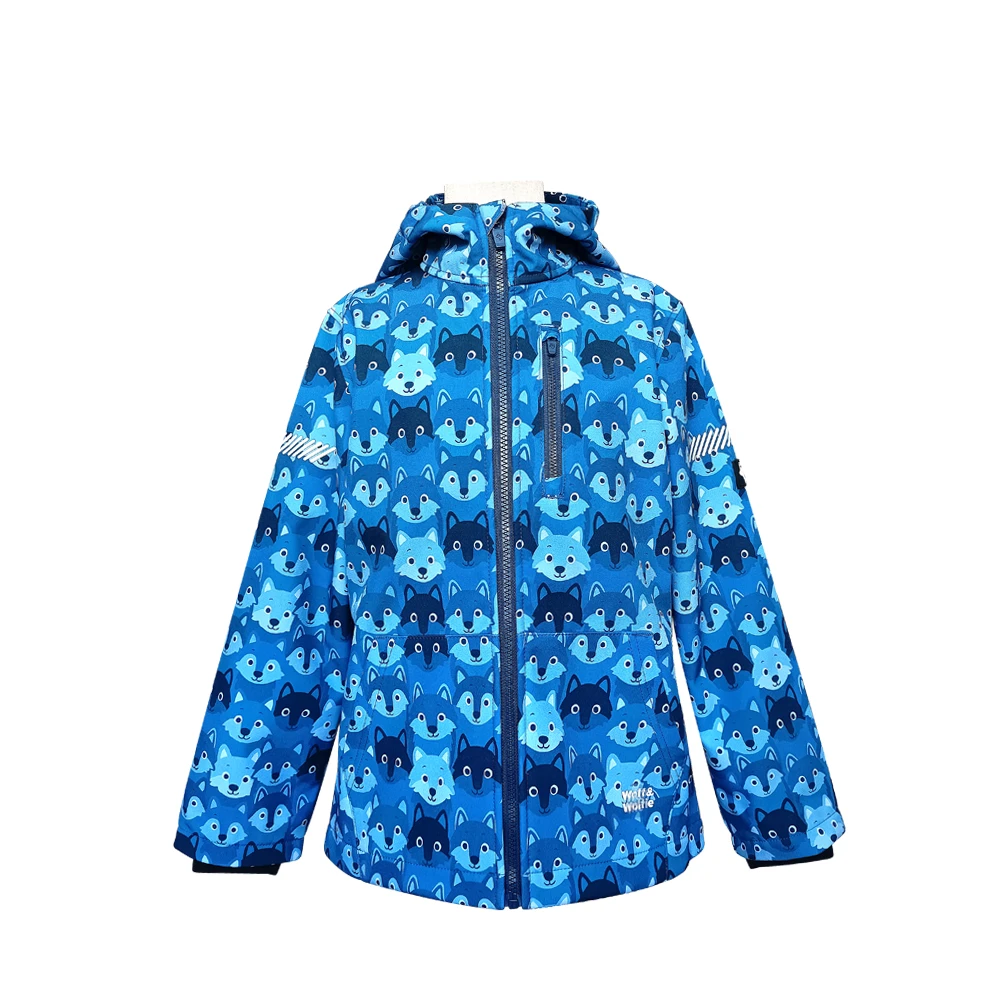
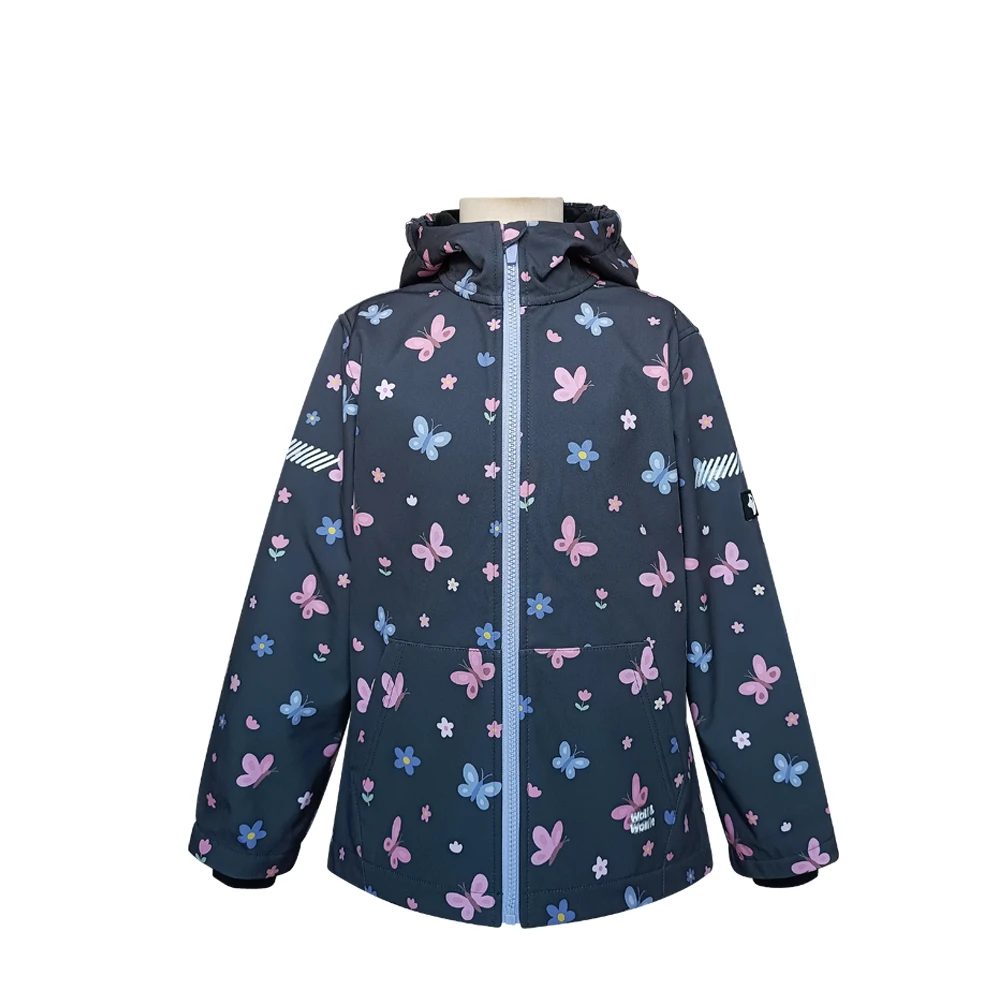
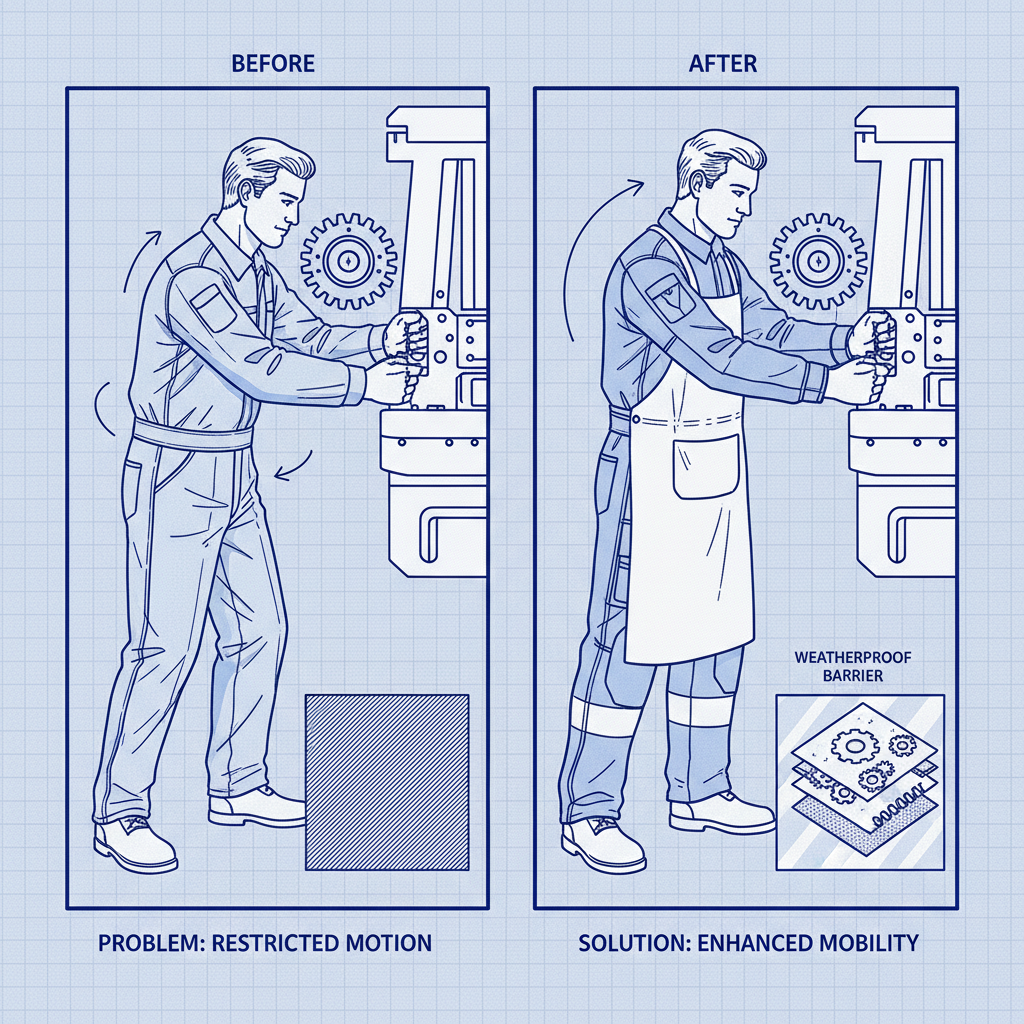
Beyond reflectivity, consider several features when selecting a reflective overall. Material composition is crucial – look for durable, water-resistant, and breathable fabrics. Comfort is also important, especially for long workdays. Features like adjustable cuffs, a hooded design, and reinforced knees can enhance both comfort and protection. Additionally, consider the overall’s design. Some overalls offer additional pockets for tools and personal items. The quality of the reflective tape itself matters - ensure it's securely attached and maintains its reflectivity even after multiple washes. Choosing the right combination of features will ensure you get a garment that provides both safety and functionality.
Types of Reflective Overalls
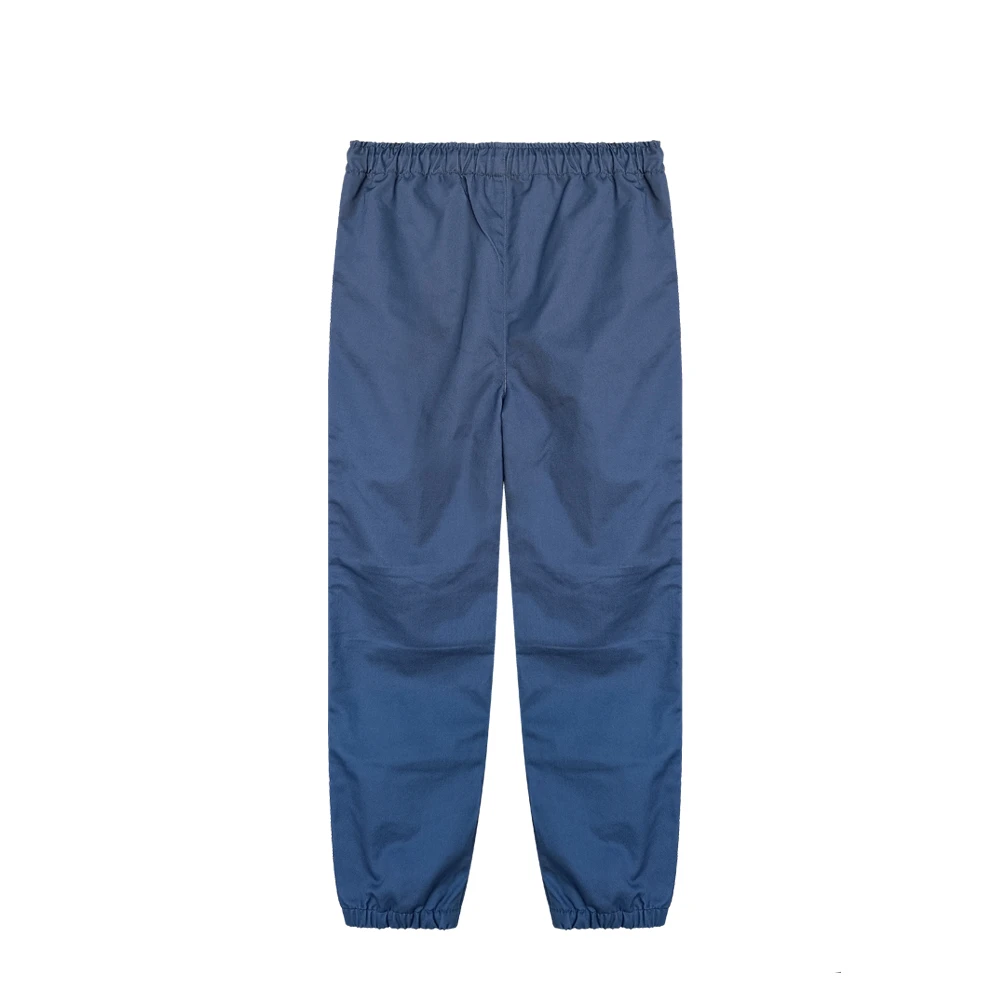
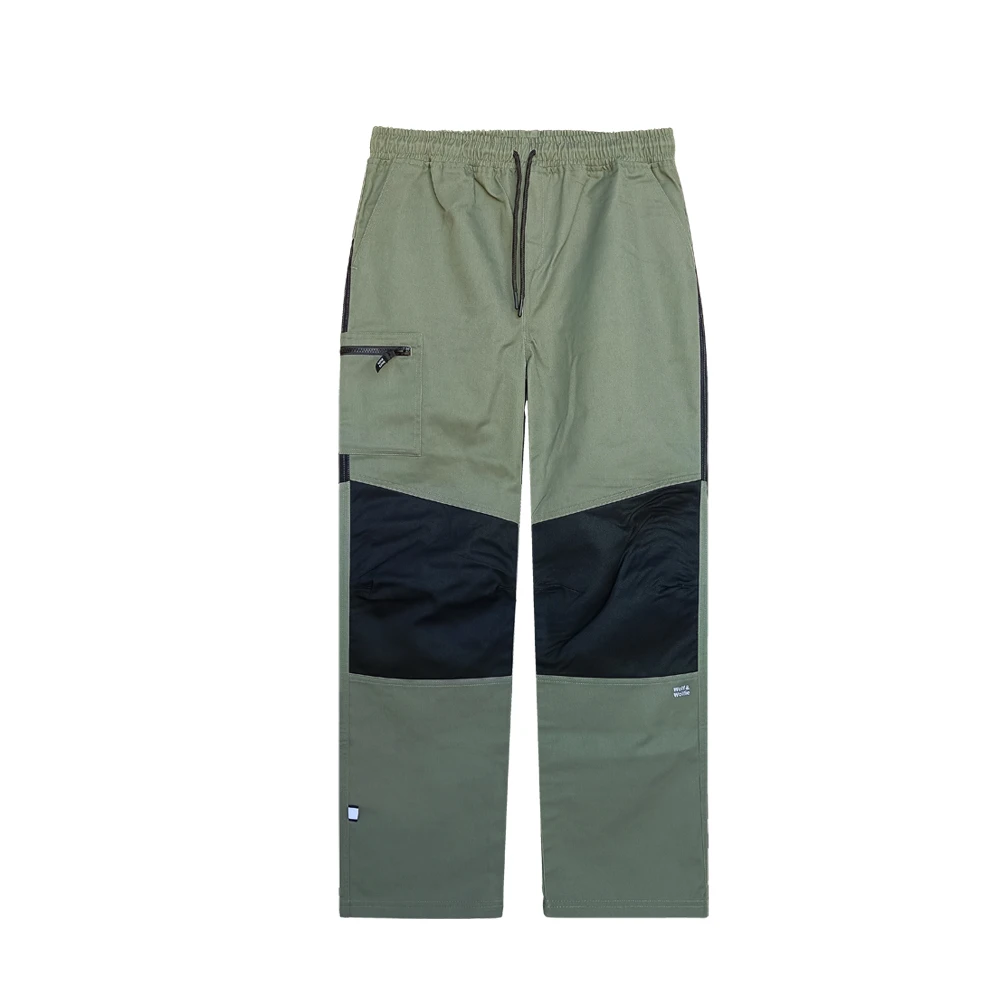
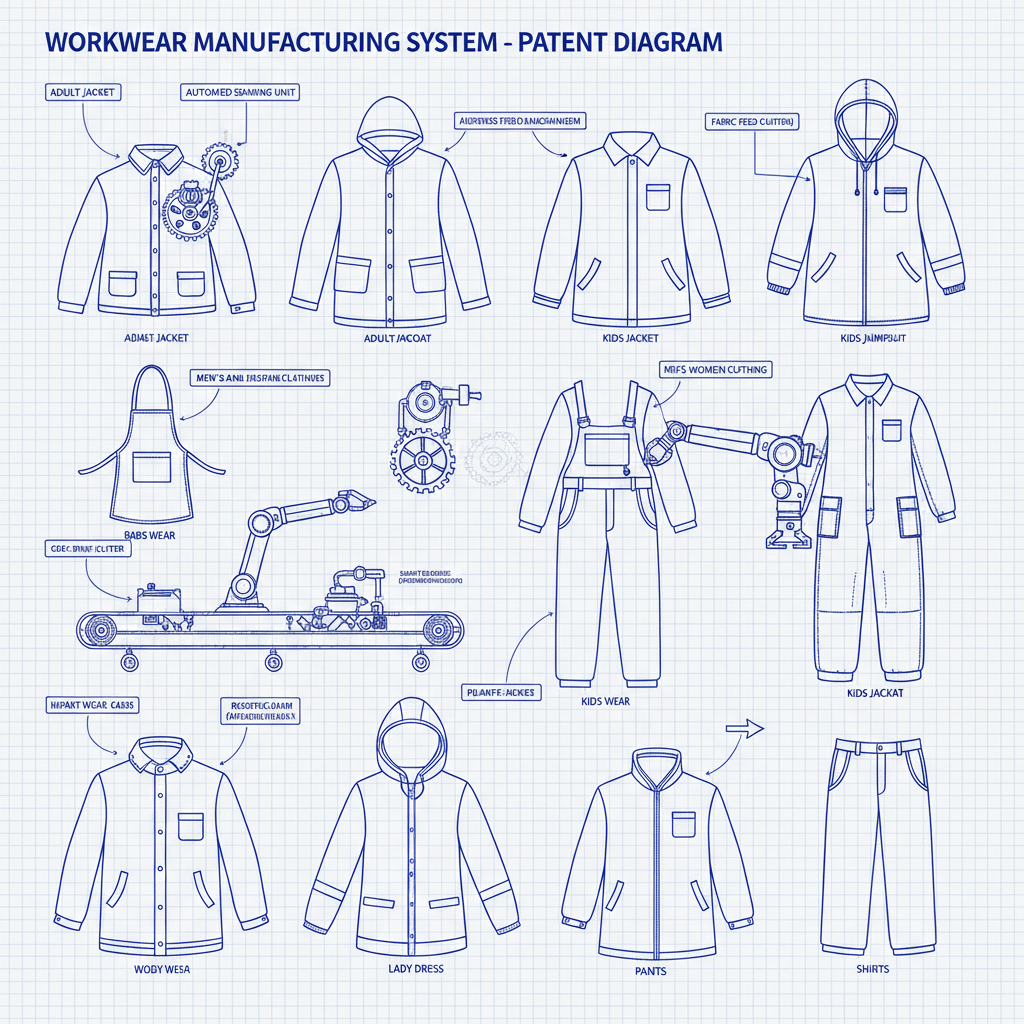
Reflective overalls come in various styles to suit different needs. Standard overalls provide full-body coverage. Bib and brace overalls offer added comfort and freedom of movement. Coveralls with detachable sleeves provide versatility for changing weather conditions. High-visibility jackets worn over regular clothing can be a cost-effective alternative for lower-risk environments. Selecting the appropriate style depends on the specific tasks performed and the level of protection required. At Softshell Clothing, we offer a wide variety of options to choose from.

Caring for Your Reflective Overall
To ensure the longevity and effectiveness of your reflective overall, proper care is essential. Always follow the manufacturer's washing instructions. Typically, machine washing on a gentle cycle with mild detergent is recommended. Avoid using bleach or harsh chemicals, as these can damage the reflective material. Air drying is preferred over tumble drying, as high heat can also compromise reflectivity. Regular inspection for signs of wear and tear is crucial. Replace the overall if the reflective tape is cracked, peeling, or damaged in any way. Proper maintenance will maximize the safety and value of your investment.
Conclusion: Prioritizing Safety with Reflective Overalls
Investing in a high-quality reflective overall is a proactive step towards creating a safer work environment. By understanding the different types of reflective materials, features to consider, and proper care instructions, you can make an informed decision and ensure optimal protection for yourself or your team. Don't compromise on safety – choose a reflective overall that meets your specific needs and provides reliable visibility in all conditions.
Frequently Asked Questions (FAQs)
How often should I replace my reflective overall?
The replacement frequency depends on usage and wear. Generally, reflective overalls should be replaced every 1-3 years, or sooner if the reflective tape shows signs of damage (cracking, peeling, fading). Frequent washing, exposure to harsh chemicals, and heavy use will shorten the lifespan. Regular inspection is key to identifying when a replacement is needed. Always prioritize safety and replace any garment that compromises visibility.
Are reflective overalls waterproof?
Many reflective overalls offer water resistance, but they are not typically fully waterproof. Water-resistant materials will repel light rain and splashes, but prolonged exposure to heavy rain can lead to saturation. If working in consistently wet conditions, consider a waterproof reflective overall or layering with waterproof outerwear. Check the product specifications to determine the level of water resistance offered.
What is the best way to wash a reflective overall?
Machine wash on a gentle cycle with mild detergent. Avoid bleach, fabric softeners, and harsh chemicals. Wash with similar colors. Air drying is preferred to tumble drying. Do not iron directly on the reflective tape. Following these guidelines will help maintain the reflectivity and durability of the garment. Consult the manufacturer’s care label for specific instructions.
How does the reflective tape work?
Reflective tape contains tiny glass beads or microprismatic structures that bounce light back to its source. This phenomenon, known as retroreflection, makes the wearer highly visible even in low-light conditions. The effectiveness of the reflective tape depends on its quality and condition. Regular inspection and replacement when damaged are crucial for maintaining optimal visibility.