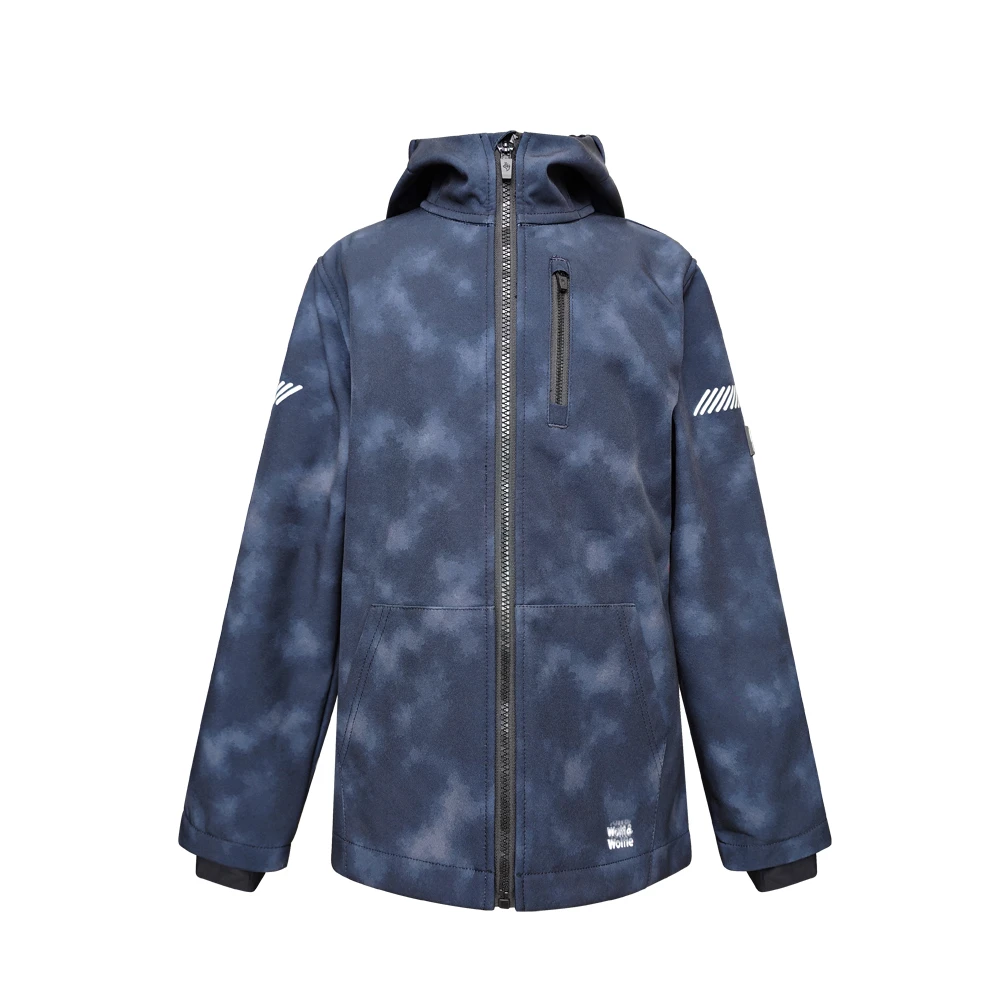
Understanding the Cotton Padded Jacket: Durable Comfort in a Global Context
Whether you’re trekking in chilly mountain ranges or braving the chilly winds in urban winters, a cotton padded jacket often stands out as a practical, comfortable, and eco-friendlier choice in the world of outerwear. But why does this humble piece of clothing matter beyond just keeping us warm? Globally, its design and production touch on sustainable practices, fair trade labor, and rising consumer demand for comfort mixed with responsibility. In real terms, grasping what makes these jackets so special helps consumers, manufacturers, and relief workers alike choose gear that’s reliable, cost-effective, and environmentally conscious.
Introduction: The Global Reach of the Cotton Padded Jacket
The global textile market is projected to reach a staggering $1.2 trillion by 2027, with sustainable fabrics and functional clothing seeing accelerated growth (source: Statista). Cotton, a natural fiber, continues to be favored for its breathability, biodegradability, and comfort. Padded jackets utilizing cotton blends or pure cotton fill cater to consumers who want warmth without synthetic polyester fillers. Interestingly, international organizations working in disaster relief frequently turn to this type of jacket because of its durability and adaptability.
Despite the widespread use of synthetic alternatives, cotton padded jackets offer an antidote to the global plastic pollution problem in the fashion and outdoor gear industries—oddly enough, a jacket can be part of a bigger solution.
Defining the Cotton Padded Jacket
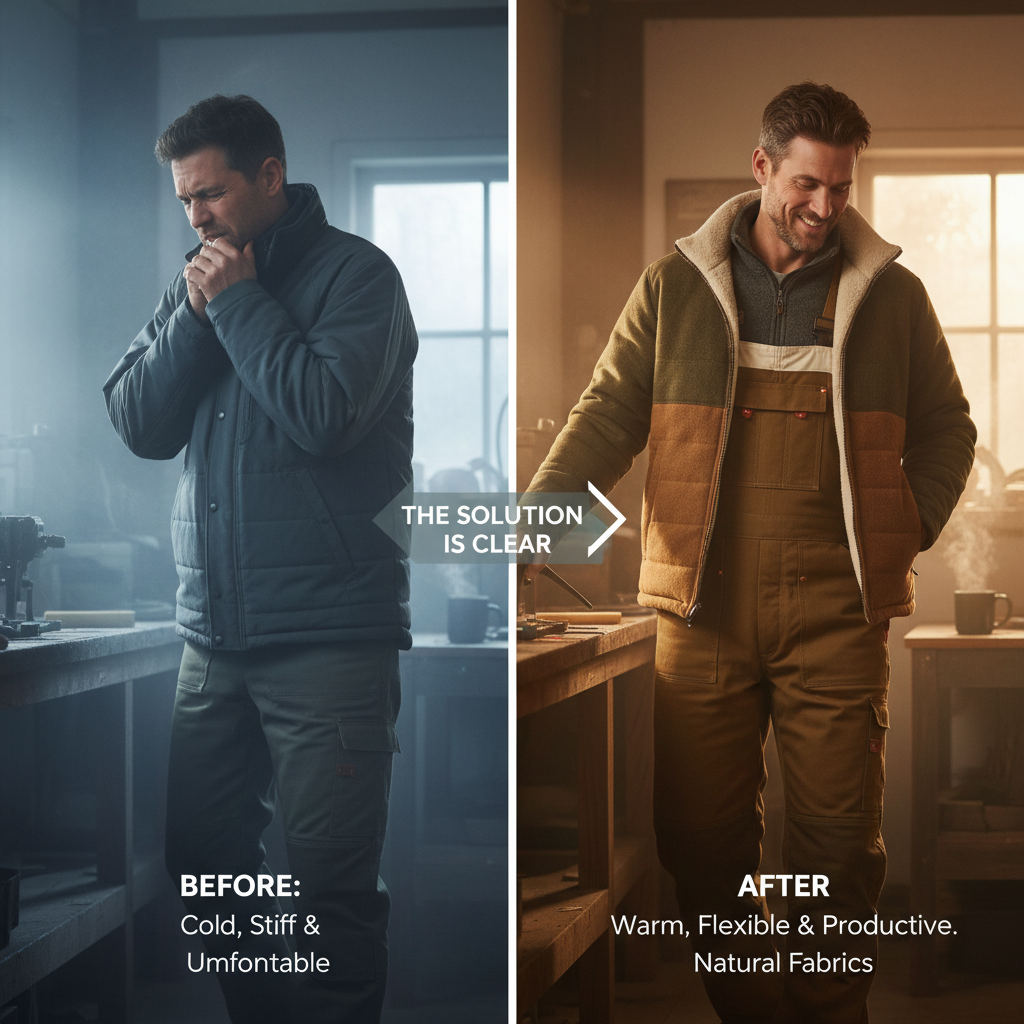
At its core, a cotton padded jacket is an insulated outer garment, where the insulation typically involves cotton fibers or cotton-based materials sandwiched between layers of fabric. This is distinct from fleece or down jackets, which often rely on synthetic or feather-filled padding. Cotton padding offers a combination of softness, eco-friendliness, and excellent moisture-wicking properties, making it valuable in many climates and settings.
More than just a fashion item, this jacket plays a role in humanitarian contexts where warmth and durability are critical, especially in harsh environments where synthetic alternatives may degrade or cause allergic reactions.
Key Components That Make Cotton Padded Jackets Stand Out
1. Durability and Breathability
The natural fibers in cotton provide a longer lifespan for padded jackets since cotton withstands repeated washing and wear while allowing airflow — this helps regulate body temperature better than many synthetic counterparts.
2. Sustainability and Environmental Impact
Cotton is biodegradable and can be produced under fair trade conditions, reducing ecological footprints. Cotton padded jackets often have fewer microplastics shed into waterways, a growing concern with synthetic insulation materials.
3. Thermal Insulation
Though cotton padding isn’t as lofty as down, it traps enough warmth for moderate cold weather, and when combined with water-resistant outer fabrics, it offers a balanced performance in wet and chilly environments.
4. Cost Efficiency
Cotton padded jackets are generally more affordable than premium down or specialized synthetic alternatives, making them accessible to a wider range of users including organizations supplying relief aid or outdoor workers.
5. Comfort & Skin Health
Since cotton is hypoallergenic and breathable, it reduces skin irritation, an important factor for prolonged wear in sensitive populations, such as children or disaster victims.
Global Applications & Use Cases
- Disaster Relief and Humanitarian Aid: NGOs operating in colder regions, such as northern Asia and parts of Europe, often include cotton padded jackets in emergency supply kits due to their balance of warmth and durability.
- Outdoor Apparel Industry: Outdoor workers, hikers, and urban commuters appreciate these jackets for their casual style and practical warmth without excessive bulk.
- Industrial and Remote Work Zones: In sectors like mining or remote manufacturing, comfort combined with ruggedness helps workers maintain safety and flexibility.
In fact, I once spoke with relief coordinators based in Mongolia who cited cotton padded jackets as a “go-to” for harsh winters where synthetics would freeze or lose integrity over time.
Advantages & Long-Term Value
Let’s break down why cotton padded jackets remain a worthwhile investment:
- Cost Savings: Lower production costs translate to competitive pricing without sacrificing quality.
- Environmental Benefits: Cotton biodegrades, runs cleaner in manufacturing, and supports sustainable farming practices — not to mention reduced microplastic pollution.
- Social Impact: Many producers emphasize ethical labor and fair wages, which is reassuring to socially conscious consumers.
- Reliability: They perform well in a variety of climates and tasks, fostering trust among users who rely on them daily.
Emotionally, a warm, breathable jacket nurtures a sense of safety and dignity—sometimes overlooked but deeply human elements.
Future Trends & Innovations
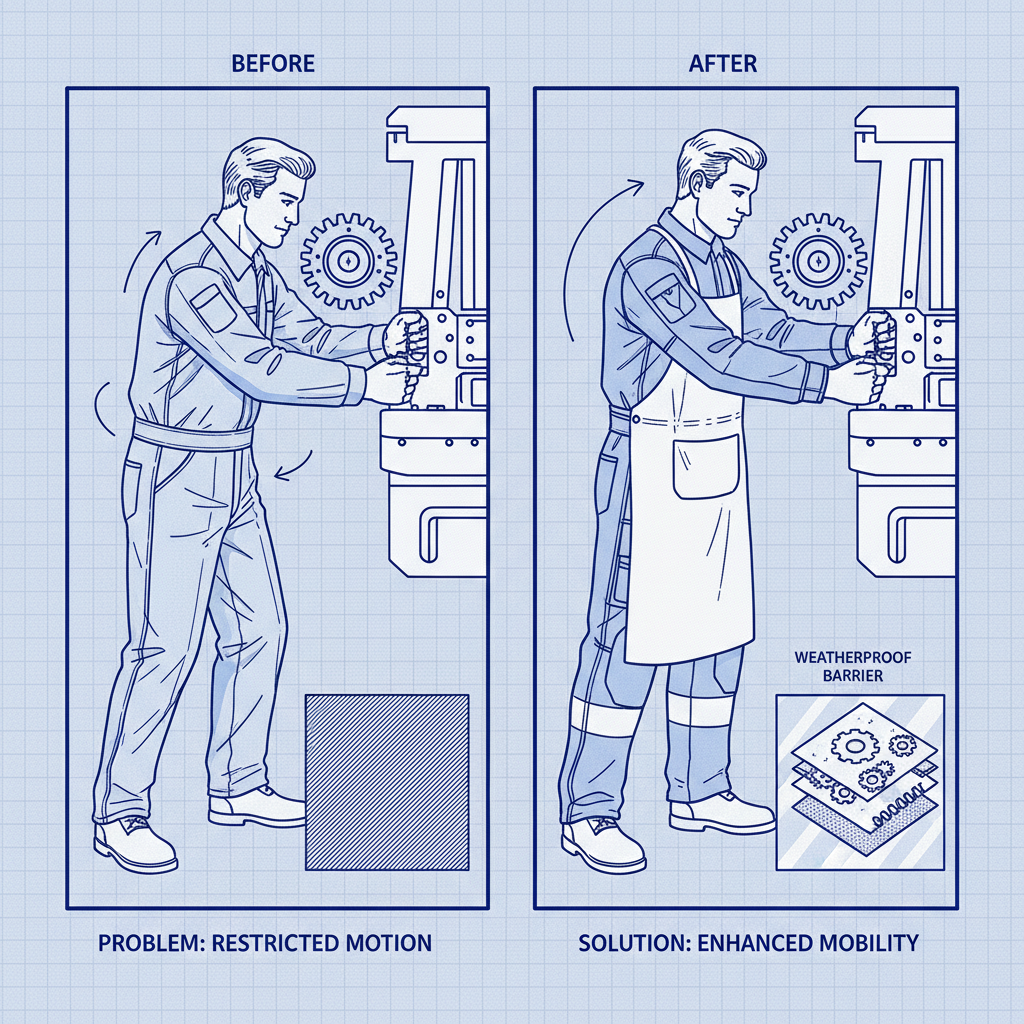
The future looks promising. New blends of organic cotton with recycled fibers are emerging, enhancing durability and water resistance without sacrificing softness. Innovations in natural wax coatings are making cotton jackets more weatherproof, bridging the gap to waterproof synthetics.
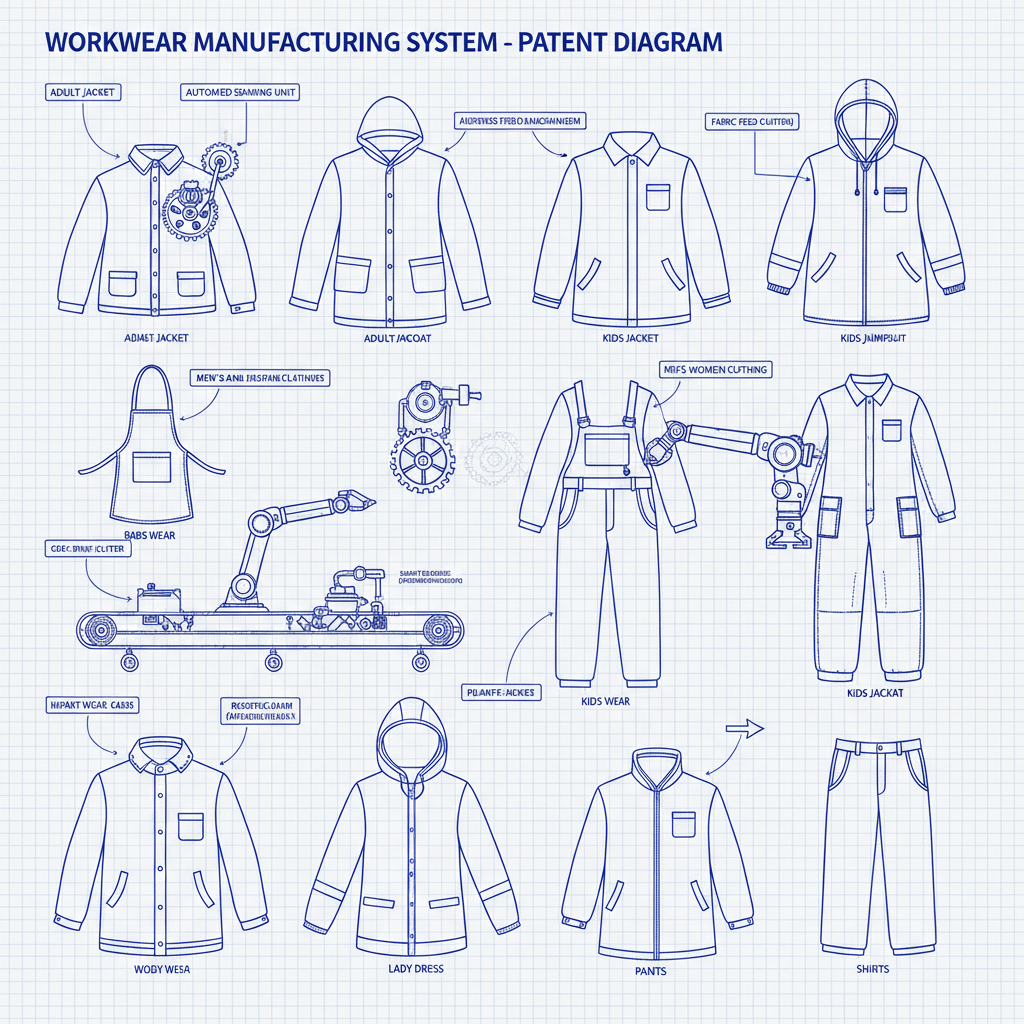
Furthermore, digital manufacturing and automation are improving sizing and customization, tailoring jackets to specific consumer needs or relief efforts faster than ever. Sustainability policies worldwide are pushing textile brands to adopt cleaner production processes — a trend that bodes well for cotton padded jackets’ eco-friendly reputation.
Challenges & Innovative Solutions
Of course, cotton padded jackets aren’t perfect. Pure cotton insulation tends to absorb moisture, which reduces warmth if exposed to wet conditions. However, blending cotton with hydrophobic fibers or applying eco-friendly water-resistant treatments can mitigate this.
Additionally, scaling fair-trade cotton production remains challenging due to costs and supply chain complexities. Industry collaboration and transparent certification programs are pivotal to overcoming these hurdles.
FAQ: Frequently Asked Questions About Cotton Padded Jackets
- Q: How does cotton padding compare to down in terms of warmth?
- A: While down offers superior insulation by trapping more air, cotton padding provides moderate warmth with added benefits like breathability and hypoallergenic properties, making it suitable for transitional or milder cold weather.
- Q: Are cotton padded jackets suitable for wet climates?
- A: Pure cotton absorbs water, which can reduce insulation value. However, modern jackets often feature water-resistant coatings or blended fabrics to improve performance in rain or snow.
- Q: How can NGOs effectively source cotton padded jackets for relief efforts?
- A: Partnering with reputable manufacturers who provide fair-trade certifications and focusing on durable, well-reviewed designs helps NGOs ensure quality supply tailored to target climates.
- Q: How sustainable is cotton used in padded jackets?
- A: Organic and fair-trade cotton varieties emphasize reduced pesticide use and ethical labor, significantly lowering environmental impact compared to conventional cotton or synthetic materials.
Product Specification Table: Typical Cotton Padded Jacket
| Feature | Description |
|---|---|
| Outer Fabric | 100% Organic Cotton Twill or Cotton Blend |
| Padding | Natural Cotton Batting 150-200 g/m² |
| Lining | Soft Cotton Poplin or Polyester Blend |
| Water Resistance | Eco-friendly Wax or Durable Water Repellent (DWR) Coating |
| Weight | Approx. 700-900 grams |
| Care Instructions | Machine Wash Cold, Hang Dry |
Vendor Comparison: Cotton Padded Jacket Suppliers
| Supplier | Country | Certifications | Price Range (USD) | Lead Time |
|---|---|---|---|---|
| EcoWear Textiles | India | GOTS, Fair Trade | $35 - $50 | 3-5 weeks |
| GreenFibers Ltd | Turkey | OEKO-TEX, Organic Certified | $40 - $55 | 2-4 weeks |
| PureComfort Apparel | Bangladesh | Fair Trade, WRAP | $32 - $48 | 4-6 weeks |
Conclusion & Call to Action
Long-term, choosing a cotton padded jacket isn’t just about warmth. It’s about supporting sustainable agriculture, ethical manufacturing, and reliable, natural comfort. These jackets serve both everyday needs and crucial humanitarian roles worldwide. If you’re curious to explore options or purchase, feel free to visit our website for curated collections and expert advice.
To wrap up, the cotton padded jacket is sort of a quiet hero in the apparel world—breathing new life into natural fiber usage and offering warmth with a conscience.
1. Global Textile Market Data - Statista
2. Sustainable Cotton Standards - GOTS
3. Environmental Impacts of Synthetic vs Natural Fibers - Wikipedia