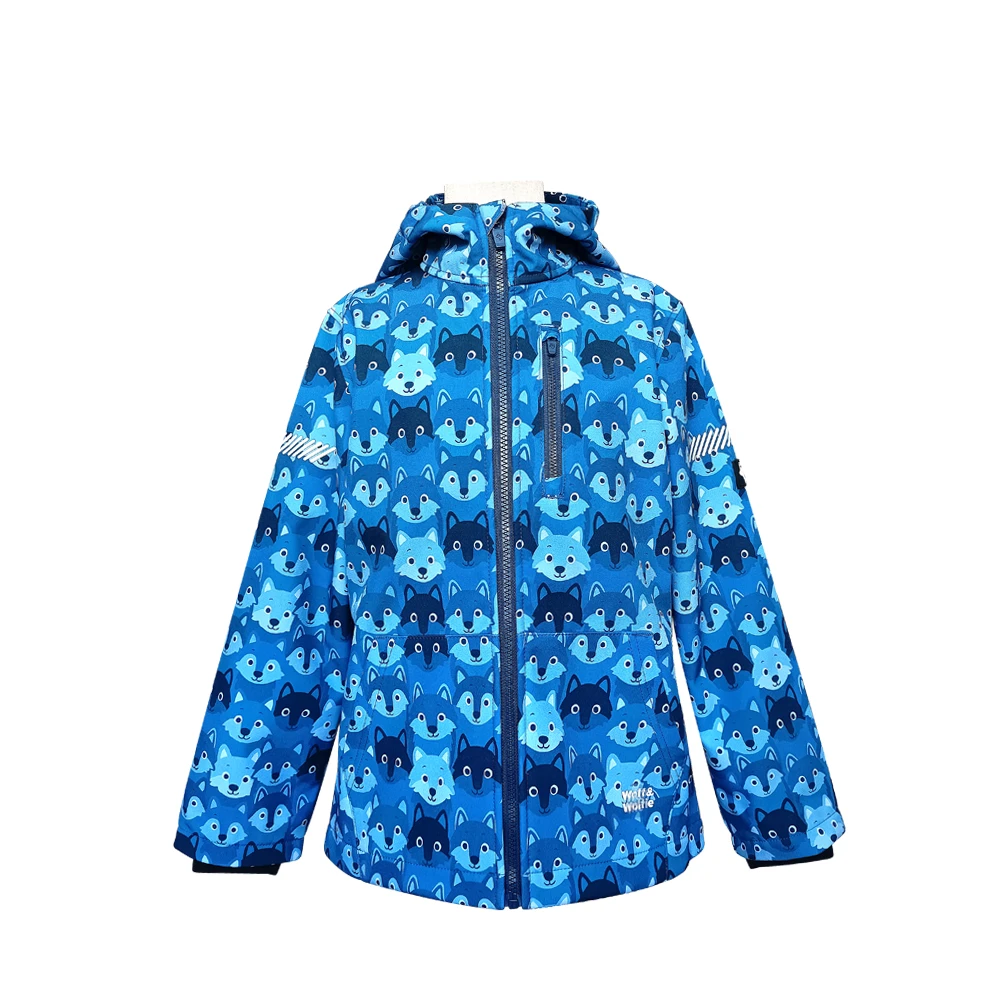
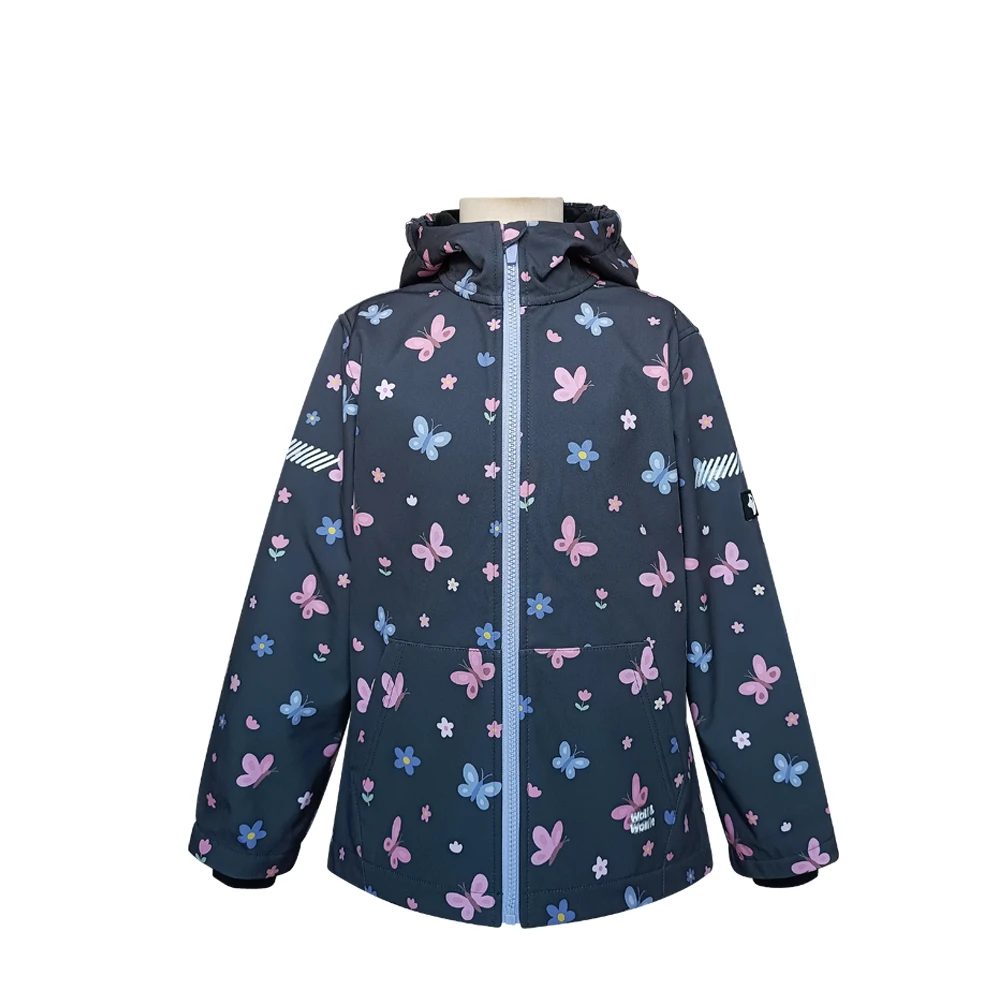
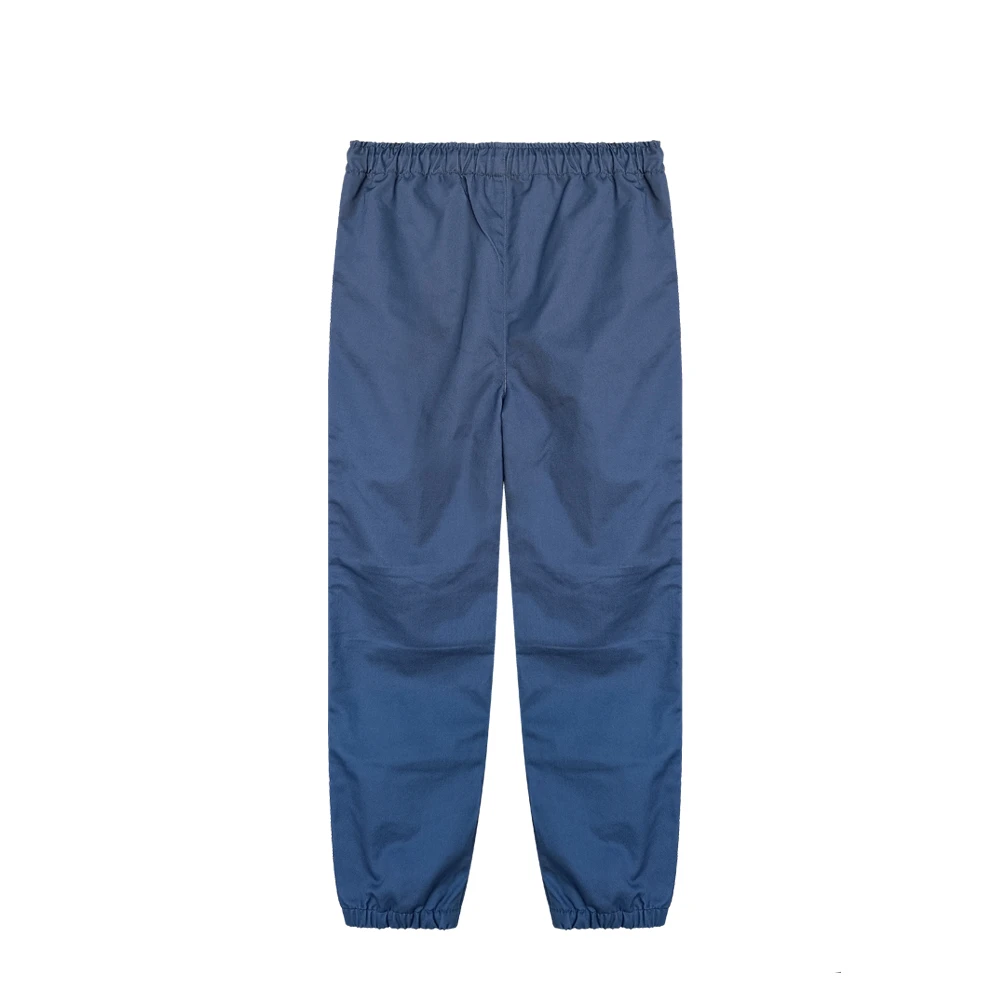
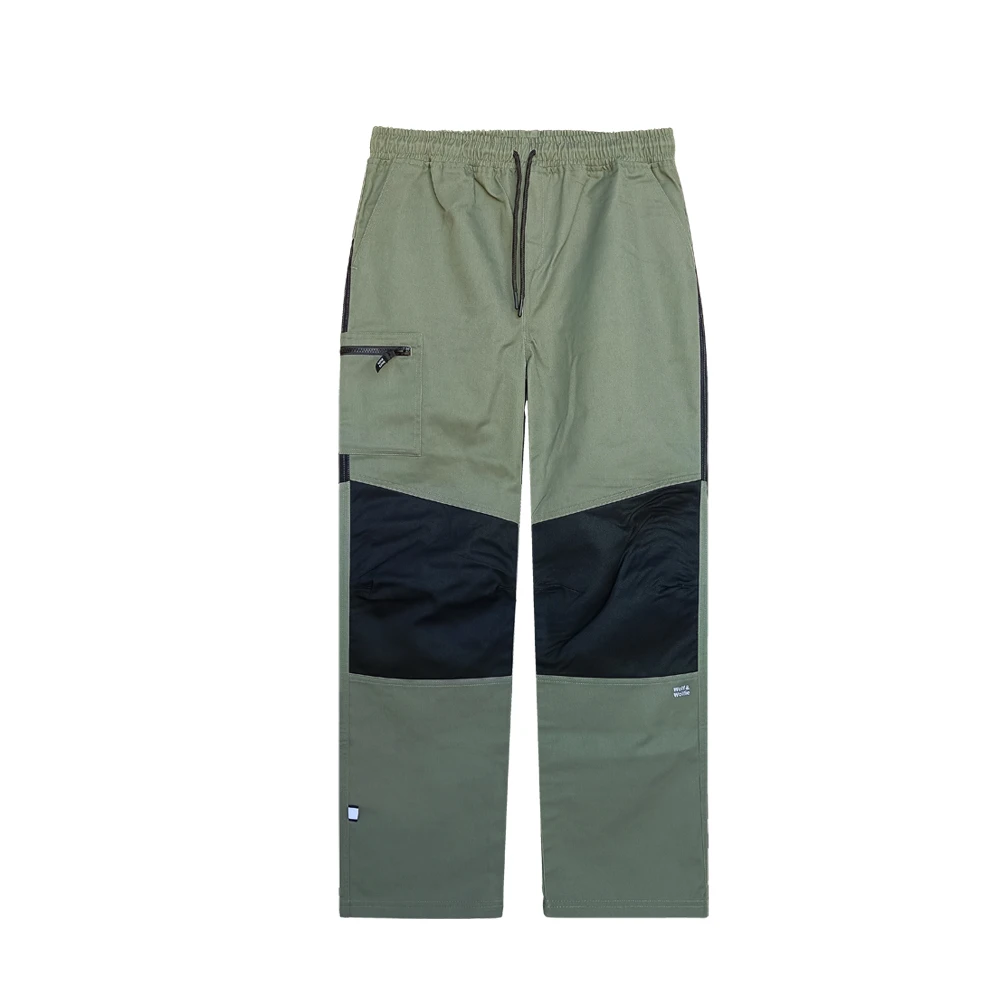
The Cotton Jacket: More Than Just A Wardrobe Staple
At first glance, a cotton jacket might appear to be a simple, timeless garment — a casual outer layer for unpredictable weather. But if you zoom out, this product threads through industries, impacts economies, and even plays a subtle part in humanitarian efforts worldwide. Why? Because cotton jackets epitomize a crossroads of sustainability, comfort, versatility, and cultural resonance. Understanding the cotton jacket isn’t just about fashion; it’s about recognizing a product that’s quietly woven into the fabric of global trade and environmental conversations.
Why Should We Care About Cotton Jackets Globally?
Cotton is the world’s leading natural fiber, cultivated across more than 80 countries and supporting roughly 250 million people in the supply chain (World Bank, 2023). Some 27 million hectares are planted globally each year, making cotton a major agricultural product with significant social and environmental footprints. More tellingly, the textile industry accounts for approximately 10% of global carbon emissions (UN Environment Programme, 2022). Cotton jackets—due to their natural material base and functional design—find themselves at an interesting intersection of tradition and innovation to tackle these challenges.
Yet, despite cotton’s extensive use, the apparel segment — especially cotton jackets — faces challenges like water consumption, chemical usage, and labor issues. The humble cotton jacket, however, serves as a prototype for how sustainability and durability can go hand-in-hand. It’s a product that, if done thoughtfully, offers a refreshing blend of usability and ecological mindfulness.
Defining the Cotton Jacket in Simple Terms
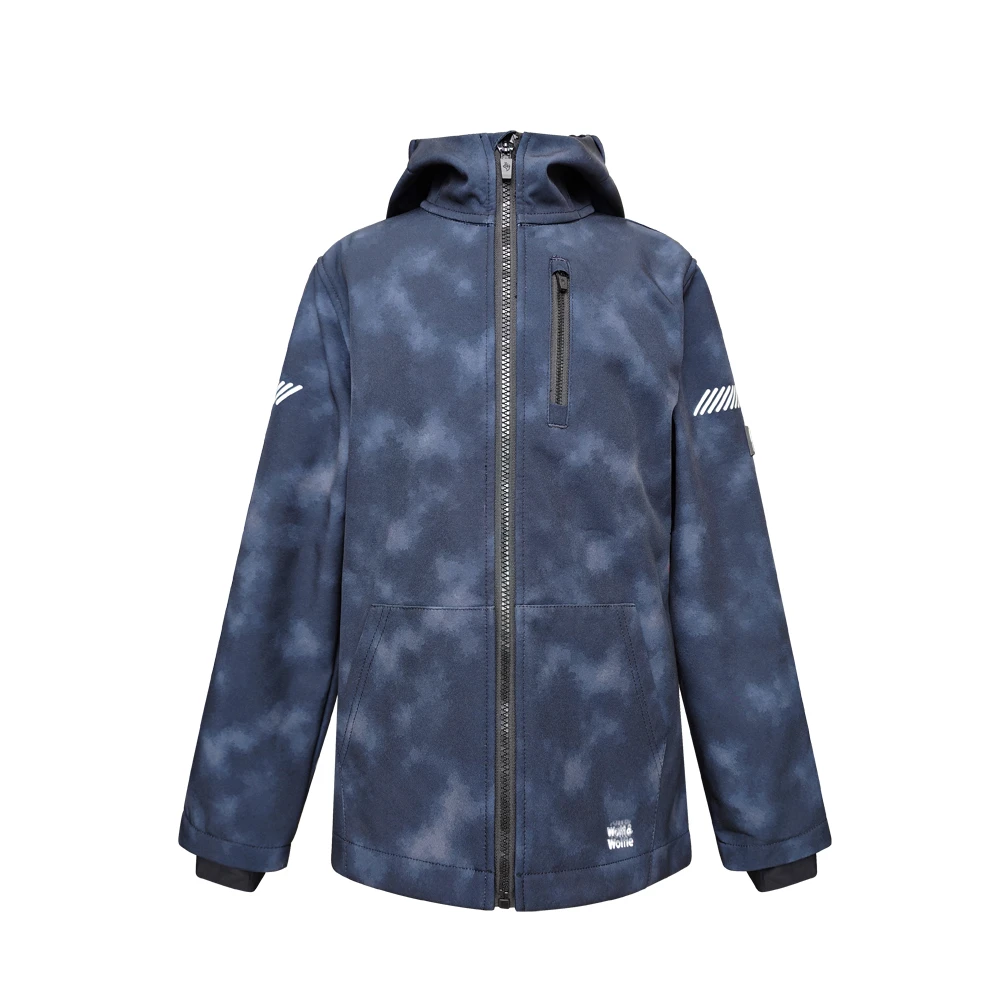
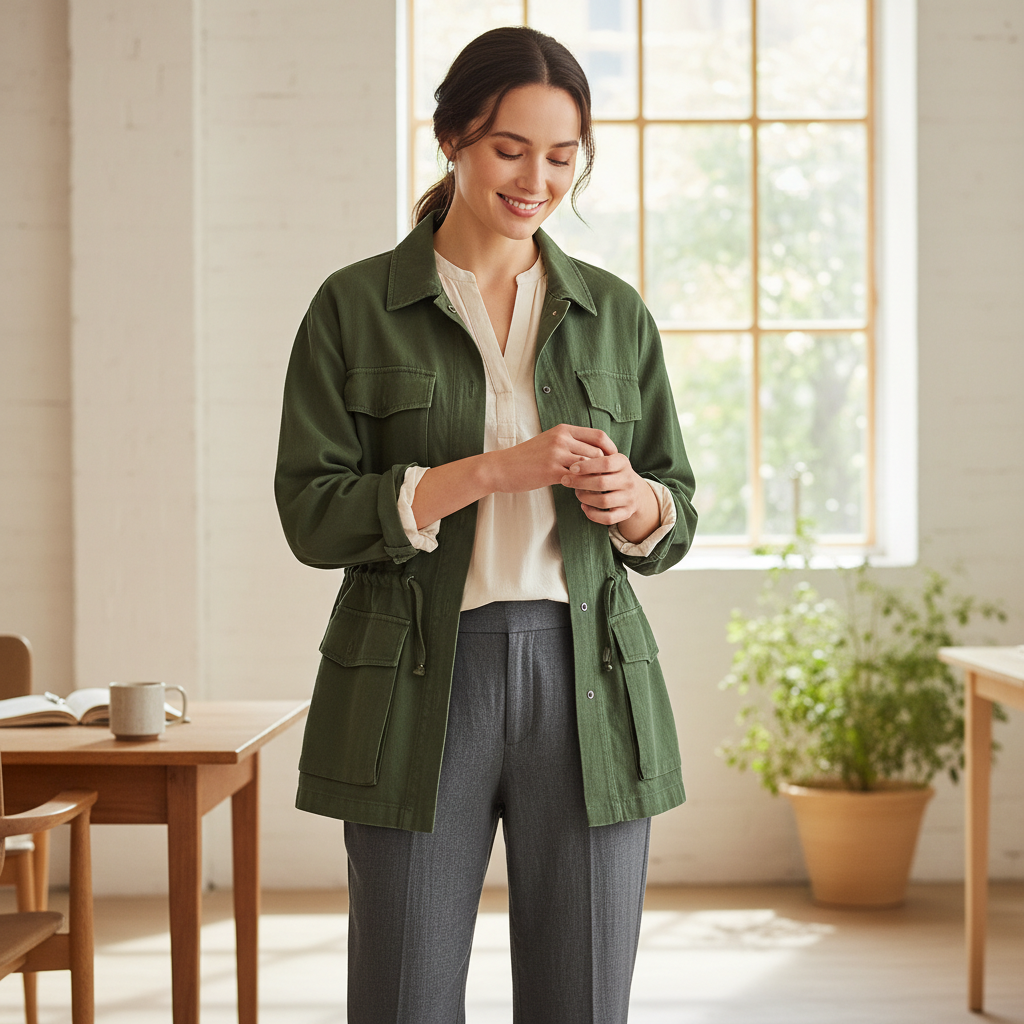
So, what exactly is a cotton jacket? In practical terms, it’s an outerwear garment primarily constructed from cotton fibers. These fibers can be woven or knitted into various fabric types like denim, canvas, twill, or brushed cotton to achieve different textures and insulation properties. Cotton jackets range from lightweight windbreakers for spring to heavier varieties layered with insulation or water-resistant coatings for colder climates.
In industry, the cotton jacket is more than attire. It’s a canvas for innovation: incorporating performance finishes, sustainable dyes, and even recycled cotton blends. On the humanitarian front, cotton jackets are routinely included in relief kits distributed after natural disasters, owing to their breathability and comfort — vital in settings where dignity and health depend on clothing quality.
Key Features That Make Cotton Jackets Stand Out
1. Durability
One of cotton’s biggest strengths is its durability. While synthetic fibers sometimes outperform cotton on tensile strength, well-made cotton jackets can last years with proper care. The fabric breathes yet resists wear and tear, which is why many outdoor and workwear brands lean heavily on cotton blends.
2. Comfort and Breathability
Anyone who’s worn a cotton jacket on a warm day knows the comfort factor. Cotton’s natural fibers wick moisture and allow air circulation, reducing overheating. This makes cotton jackets ideal for layered dressing, especially in temperate regions.
3. Environmental Impact
Cotton is biodegradable and renewable, which sets it apart from petrochemical-based fabrics. That said, conventional cotton farming is water-intensive. Innovations like organic cotton or Better Cotton Initiative (BCI)-certified fabrics aim to counterbalance this with more sustainable farming and production methods.
4. Style Versatility
Cotton jackets occupy a unique spot in fashion—effortlessly bridging the gap between casual wear and practical gear. Their natural look and feel blend easily with diverse cultural aesthetics, from urban streetwear to rural laborwear.
Global Applications: How Cotton Jackets Shape Lives Around the World
Out in the field, cotton jackets take on roles far beyond your local mall rack. In Southeast Asia, cotton jackets made with thin, breathable fabric protect farmers from sun and insect bites during long workdays. In northern Europe and North America, heavier cotton jackets serve as layering essentials for chilly spring or fall weather.
Meanwhile, humanitarian agencies often opt for cotton jackets when preparing emergency kits — especially in zones where synthetic layers might trap heat or irritate sensitive skin. For example, after the 2023 flooding in Bangladesh, NGOs distributed thousands of cotton jackets to help maintain warmth and skin health amid damp conditions.
| Feature | Specification |
|---|---|
| Material | 100% Organic Cotton or Cotton-Poly Blend |
| Weight | 250 - 400 g/m² |
| Weight Range (Jacket) | 450 - 900 grams |
| Water Resistance | Durable Water Repellent (DWR) Optional |
| Color Options | Natural shades, dyed variants |
| Certifications | GOTS, OEKO-TEX, BCI |
Advantages of Cotton Jackets: Practical Benefits and Emotional Appeal
- Cost-Efficient: Cotton clothes generally provide great value for money, especially when durability is factored in.
- Health-Friendly: Natural fibers reduce allergy risks and allow skin to breathe.
- Environmentally Sound: Cotton is biodegradable and recyclable, supporting circular economy models in fashion.
- Trustworthy Comfort: Wearing cotton feels familiar, comforting — perhaps why many return to the cotton jacket time and again.
In short, investing in a cotton jacket often means opting for a product that blends tradition with thoughtful innovation, benefitting the wearer and the planet alike.
What’s Next: The Future of Cotton Jackets
The industry is rapidly embracing innovations like:
- Recycled cotton fibers: Closing product loops and reducing waste.
- Advanced eco-friendly dyes: Eliminating toxic effluents.
- Bio-based fabric finishes: Making cotton jackets water and stain-resistant without synthetic chemicals.
- Digital customizations: On-demand manufacturing reducing excess inventory.
Many brands also experiment with hybrid designs—combining cotton with other fibers for better durability or stretch, responding to both consumer desires and climate needs. It’s an exciting time where heritage meets high-tech.
Overcoming Challenges
Water usage and pesticide application remain thorny issues. But certifications like GOTS (Global Organic Textile Standard) and programs such as BCI are helping by enforcing best practices and traceability in cotton production. Plus, greener dyeing techniques and cotton recycling initiatives show promise. A few manufacturers are even piloting cotton sourced from regenerative farms that enrich soil health over time. The cotton jacket is more than just a garment; it’s a flagbearer for responsible manufacturing.
Vendor Comparison: Cotton Jacket Manufacturers
| Vendor | Sustainability Level | Price Range (USD) | Customization Options | Lead Time |
|---|---|---|---|---|
| GreenThread Co. | High (Organic cotton + recycled blends) | $75 - $150 | Color, Size, Logo Print | 4-6 weeks |
| EcoWear Ltd. | Moderate (BCI) cotton core | $55 - $120 | Size, Patch Placement | 3-5 weeks |
| TradForm Apparel | Low-to-Moderate (Conventional cotton) | $40 - $90 | Color Only | 2-4 weeks |
Frequently Asked Questions About Cotton Jackets
- Q: How do I choose a cotton jacket for varying weather conditions?
- A: Look for weight and layering potential. Lightweight cotton jackets are breathable and easy to layer, while heavier cotton or those with insulation suit cooler climates. Features like DWR coatings can add weather resistance without losing the natural feel.
- Q: Is a cotton jacket sustainable if conventional cotton uses a lot of water?
- A: Good question! Conventional cotton does consume water, but opting for organic or BCI-certified cotton jackets reduces environmental impact. Additionally, many brands now source recycled cotton or blend fibers to improve sustainability.
- Q: Can cotton jackets be waterproof?
- A: Pure cotton isn’t inherently waterproof—it absorbs water easily. However, many cotton jackets are treated with durable water repellent (DWR) coatings or combined with weatherproof membranes to enhance water resistance.
- Q: How should I care for my cotton jacket to maximize lifespan?
- A: Gentle machine washing in cold water and air drying will prolong cotton's life. Avoid harsh bleaching or tumble drying at high heat. Also, reapply any water-repellent finishes after washing if applicable.
- Q: Can I customize cotton jackets for my organization or event?
- A: Absolutely. Many vendors offer customization options such as color, logos, patches, and embroidery. Lead times vary, so planning ahead helps.
Final Thoughts and Next Steps
Cotton jackets quietly combine comfort, utility, and growing eco-consciousness in a way that few garments manage. Their wide-reaching impact—from global agricultural economies to disaster relief programs—makes them more than just a piece of clothing. As technology and sustainability advance, cotton jackets will surely continue evolving, blending old-world charm with new-world responsibility.
If you’re curious to explore cotton jackets that strike the best balance between style, comfort, and sustainability, take a peek at our collections here: cotton jacket.
Quick Takeaway:
Choosing the right cotton jacket isn’t just about fashion; it’s an investment in quality, comfort, and the planet’s future. Plus, it feels good to wear something that’s thoughtfully made.