Why the Cotton Bomber Jacket Remains a Global Wardrobe Staple
At first glance, a cotton bomber jacket might seem like just another piece of outerwear. But dive a little deeper, and it’s clear this classic garment holds a unique place — both culturally and practically — across continents and climates. More than just style, understanding the cotton bomber jacket taps into larger questions about sustainability, fashion evolution, and functional clothing that continues to serve a diverse and global population.
Globally, the apparel industry contributes roughly 10% of carbon emissions, according to the United Nations Environment Programme (UNEP), making fabric choices more critical than ever. Cotton — a natural fiber — often stands out as an eco-friendlier choice compared to synthetic blends. Bomber jackets made of cotton offer a compelling blend: durability, breathability, and comfort, while also being versatile enough for different industries and lifestyles around the world.
As we explore the cotton bomber jacket’s relevance, it’s fascinating to see how it addresses the twin challenges of fashion appeal and responsible manufacturing — something global consumers increasingly demand.
Defining the Cotton Bomber Jacket in Today’s Industry
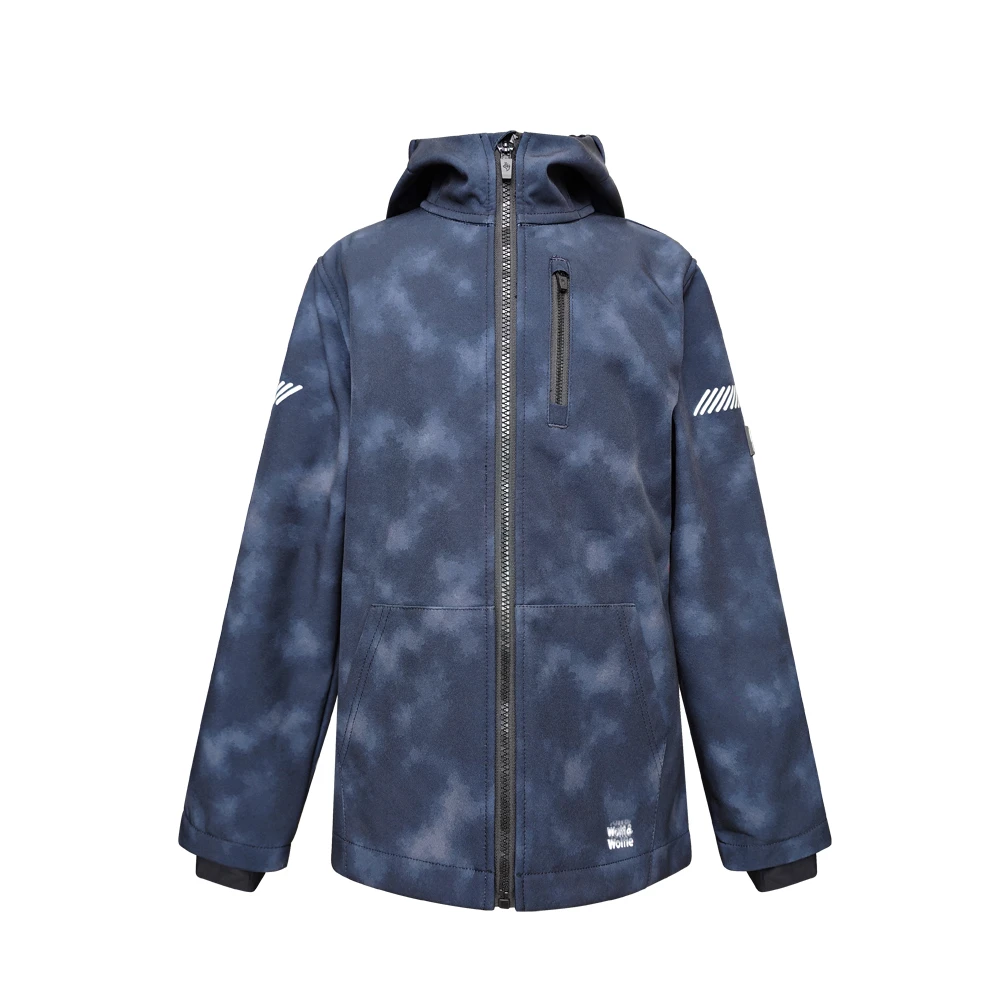
Simply put, a cotton bomber jacket is a waist-length coat characterized by a fitted waistband and cuffs, a front zipper, and typically a soft, breathable cotton exterior. The style originated in military apparel during World War II, designed for pilots needing warmth but flexibility — but has since transcended its utility roots to become a lifestyle icon.
In modern clothing and humanitarian needs, the cotton bomber jacket’s design merges form and function. It’s favored in industries where workers may require light protection and breathability without sacrificing mobility — construction sites, logistics hubs, even relief work zones in hotter climates. The cotton material ensures comfort in these scenarios, unlike heavier or synthetic fabrics that can trap heat or cause irritation.
Core Components of the Cotton Bomber Jacket
Durability
One of the biggest selling points is the jacket’s robust cotton weave, often paired with reinforced stitching for high wear-and-tear resistance. This means these jackets last longer in tough environments, reducing the need for frequent replacements — a subtle but important sustainability win.
Breathability and Comfort
Cotton, being a natural fiber, naturally wicks moisture away and allows air circulation better than synthetic options. In real terms, that means less sweat buildup, which is critical for jobs that demand physical exertion in fluctuating temperatures.
Style Flexibility
Oddly enough, the bomber jacket’s design balances ruggedness with style, making it popular not just in workplaces but also in casual, urban wear. Many manufacturers offer customizable options, from colors to linings, appealing to a broad audience without compromising on practicality.
Cost-Efficiency
Compared to leather or high-tech synthetics, cotton bomber jackets fall somewhere in the middle price-wise. They present an affordable option for companies outfitting staff or individuals looking for reliable seasonal outerwear.
Environmental Impact
Choosing cotton over synthetic fibers generally means less environmental damage — cotton is biodegradable and comes from renewable agriculture, although it’s worth noting cotton farming has its challenges too. That said, organic and sustainably farmed cotton options are increasingly available, which helps reduce water usage and pesticide dependency.
Insulation & Lining Options
Many cotton bomber jackets include quilted or fleece linings to extend their seasonality into cooler months without adding bulk. This adaptability is crucial for regions with variable weather patterns.
Product Specification Table: Typical Cotton Bomber Jacket
| Feature | Details |
|---|---|
| Material | 100% Cotton Twill / Canvas |
| Lining | Optional Polyester Quilt or Cotton Fleece |
| Closure | Heavy-duty Nylon Zipper |
| Fit | Regular to Slim |
| Sizes | XS to XXL |
| Care Instructions | Machine Wash Cold, Tumble Dry Low |
| Colors | Classic Olive, Navy, Black, Khaki |
Global Applications & Real-World Use Cases
The cotton bomber jacket’s usage spans far beyond just casual wear. For instance:
- Post-disaster relief: NGOs supply cotton bomber jackets to volunteers and locally affected populations in regions where lightweight protection from dust and cold evenings is needed.
- Industrial sites in warm climates: Workers appreciate cotton’s breathability during summer months while still relying on the bomber style’s wind resistance.
- Military & law enforcement: Versions of the cotton bomber retain their roots in tactical gear — favored for silent movement and comfort.
- Urban streetwear markets: Especially in Europe and North America, the cotton bomber jacket is a fashion statement, showing how it bridges performance and aesthetics.
In all these contexts, the jacket serves both practical and symbolic purposes — protecting bodies while enabling freedom of movement or conveying a rugged, reliable identity.
Vendor Comparison Table: Cotton Bomber Jackets
| Brand | Material Quality | Price Range | Customization Options | Sustainability Certification |
|---|---|---|---|---|
| Alpha Industries | Premium 100% Cotton Canvas | $130-$160 | Limited (Colors/Logos) | No |
| Carhartt WIP | Durable Cotton Twill with Water-Repellent Finish | $120-$150 | Moderate (Patches, Colors) | No |
| Patagonia | Organic Cotton Blend | $180-$220 | High (Colors, Linings, Recycled Materials) | Yes (Fair Trade, Organic) |
| Levi’s | Heavyweight Cotton with Vintage Finish | $100-$140 | Moderate (Colors, Embroidery) | No |
Advantages & The Long-Term Value of a Cotton Bomber Jacket
There’s a layered set of benefits here. Practically speaking, cotton bomber jackets offer great value for money, especially when their longevity and comfort factor in. Many engineers and textile experts will vouch that comfort leads to better performance on the job site, which then translates to productivity gains — an underrated angle.
From a sustainability viewpoint, the biodegradability of cotton imparts a lower lifecycle environmental burden, especially when compared to polyester or nylon-heavy alternatives. Socially, jackets that keep wearers comfortable and protected effectively maintain dignity—whether it’s in a humanitarian aid camp or a chilly city sidewalk.
Emotionally, there’s the trust factor. A good cotton bomber isn’t just a jacket; it’s a reliable companion piece that many recall fondly across years, seasons, and scenarios. It’s the kind of apparel that can feel like a quiet reassurance.
Future Trends & Innovations to Watch For
The cotton bomber jacket industry is far from stagnant. Innovations are trickling in from various fronts:
- Sustainable cotton farming: New ISO-certified practices reduce water and chemical use significantly, helping the raw material side become greener.
- Blended fabrics: Introducing recycled and organic materials without losing the classic “feel” of cotton looks promising.
- Smart textiles: Embedded sensors for temperature regulation or moisture monitoring are on the horizon, especially for workwear versions.
- Customization through digital printing: Allowing on-demand patterning that minimizes waste while maximizing style adaptability.
If you love your classic cotton bomber jacket, you’ll likely see it evolve in ways that stay true but also embrace the green wave. Notably, companies are aligning product development with the ISO 26000 Social Responsibility Standard, ensuring ethical sourcing and manufacturing.
Common Challenges & Expert Solutions
Of course, no product is without its quirks. Cotton bomber jackets tend to wrinkle easier than synthetics, and untreated cotton may absorb moisture quickly, which sometimes complicates use in rainy climates. Plus, cotton farming’s high water footprint can’t be ignored.
However, manufacturers have started using water-repellent but breathable coatings, and organic cotton sourced from more sustainable regions addresses the environmental impact. Users often combine these jackets with moisture-wicking bases layers to offset comfort concerns in humid environments. Ultimately, innovation here feels ongoing, balanced between tradition and technology.
FAQ: Your Cotton Bomber Jacket Questions Answered
Q1: How do I properly care for my cotton bomber jacket to maximize lifespan?
A: Machine wash it cold and avoid bleach or harsh detergents. Tumble dry on low or hang dry to preserve fabric integrity. Frequent washing isn’t necessary unless soiled, as over-washing wears down fibers.
Q2: Is a cotton bomber jacket suitable for all seasons?
A: Generally, yes — lightweight versions work well in spring and fall, while quilted or fleece-lined types extend usability into winter. However, in extreme heat or cold, layering or alternative materials might be better choices.
Q3: Can I customize cotton bomber jackets for business or team uniforms?
A: Absolutely. Many vendors offer options for embroidery, patches, or color variations — perfect for branding or uniform needs.
Q4: How environmentally friendly is organic cotton compared to conventional cotton?
A: Organic cotton uses less water and avoids synthetic pesticides, making it significantly better for the environment. It also supports biodiversity and reduces soil depletion.
Q5: Are cotton bomber jackets a good choice for outdoor workers in hot climates?
A: Yes, their breathability helps keep wearers cool while providing some physical protection. But pairing with moisture-wicking underlayers is recommended in very humid environments.
Wrapping It Up: Your Next Jacket, a Thoughtful Choice
The cotton bomber jacket isn’t just a “nice-to-have.” It’s a practical, stylish, and increasingly sustainable outerwear option with staying power. Whether you’re outfitting a team, refreshing your wardrobe, or looking for comfortable protection in varied climates, this jacket punches above its weight.
Curious to explore quality cotton bomber jackets or see the latest innovations? Visit our website: https://www.softshell-clothing.com and discover styles that blend heritage with smart modern design.