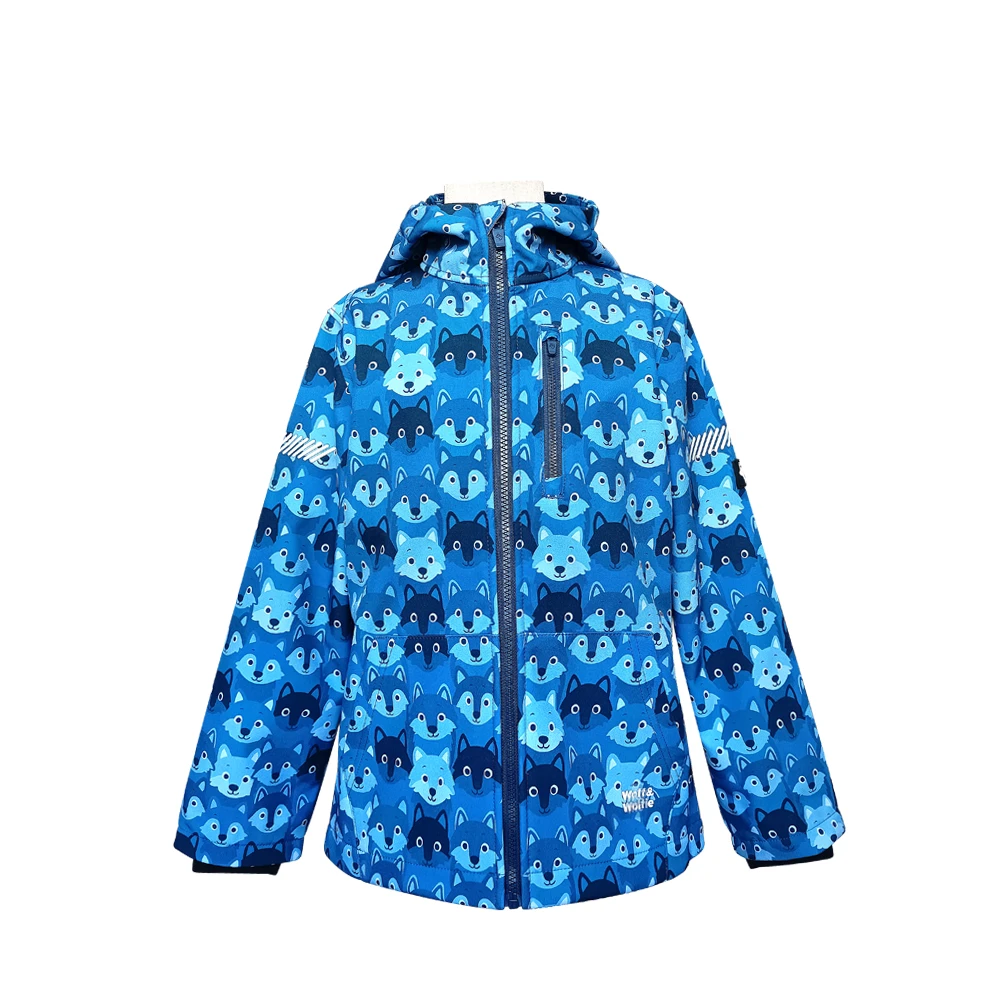
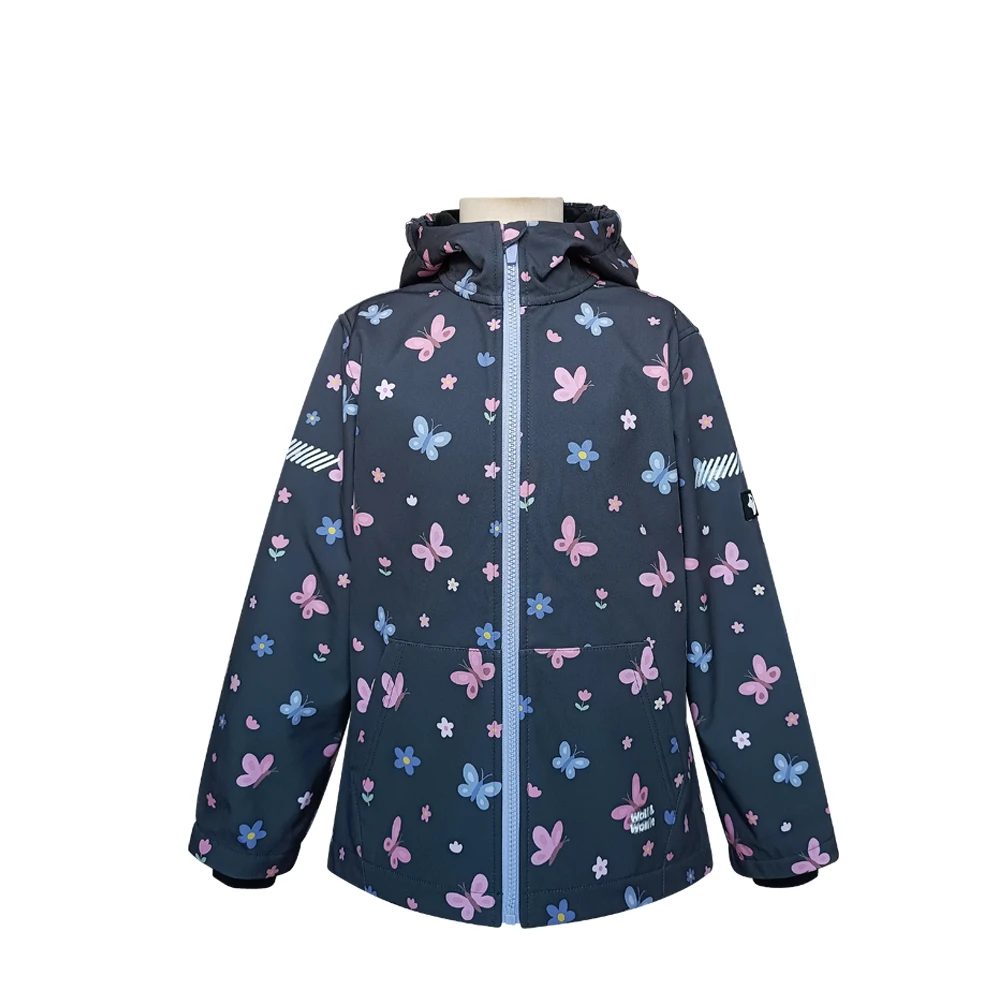
Why a Kids Waterproof Coat Is More Than Just Rain Gear
It might sound simple: a kids waterproof coat is just a jacket that keeps a child dry in the rain. But when you think about it, this simple piece of apparel plays a far bigger role globally than just blocking showers. In places where rainfall patterns are shifting unpredictably because of climate change, or in communities prone to sudden storms and flooding, having reliable waterproof clothing isn’t just convenience — it’s necessity. Keeping children dry safeguards their health, comfort, and even emotional well-being. And for parents, it provides peace of mind that their little ones can play outside without risk.
Understanding the key components and benefits of kids waterproof coats unlocks not only the value in everyday life but also how industries from outdoor sports to humanitarian aid rely on such gear to meet practical challenges worldwide.
Global Context: Why Kids Waterproof Coats Matter More Than Ever
Worldwide, children spend a substantial amount of time outdoors—whether at school, playgrounds, or just running about. According to the World Health Organization (WHO), exposure to cold and damp conditions can increase the risk of respiratory infections, which remain the leading cause of childhood morbidity globally. Meanwhile, changes in precipitation patterns linked to climate change (as reported by the UN’s climate panels) mean more unpredictable rain seasons and flooding in vulnerable areas.
But there’s a problem: many families, especially in low-income regions or disaster zones, don’t have access to reliable waterproof clothing. Take refugee camps or remote rural communities; children often lack appropriate gear to protect them during the rainy season. This absence can contribute to illness and even prevents kids from attending school on wet days.
Hence, the kids waterproof coat is a piece of technical and social armor, with an impact that echoes beyond aesthetics or fashion.
Defining the Kids Waterproof Coat
Simply put, a kids waterproof coat is a type of outerwear specially designed to keep children dry from rain, snow, and moisture. Unlike a regular jacket, it combines water-resistant materials—often with membranes such as Gore-Tex or proprietary hydrophobic coatings—with thoughtful design features like sealed seams, hoods, and breathable fabrics.
In modern industries and humanitarian sectors, these coats are essential gear for children exposed to outdoor elements. They improve resilience by allowing kids to stay active and protected, which can be vital in disaster relief settings, or even in everyday urban environments where weather is unpredictable.
Key Features That Matter
- Waterproofing: This is the obvious one. Achieved through membrane technology or advanced coatings that repel water while allowing sweat to escape.
- Breathability: Crucial for comfort — if a coat traps sweat inside, it becomes uncomfortable and may lead to chilling.
- Durability: Kids are tough on clothes, so abrasion resistance and strong stitching matter.
- Weight & Flexibility: Heavy coats limit play and movement. Lightweight yet robust materials are the sweet spot.
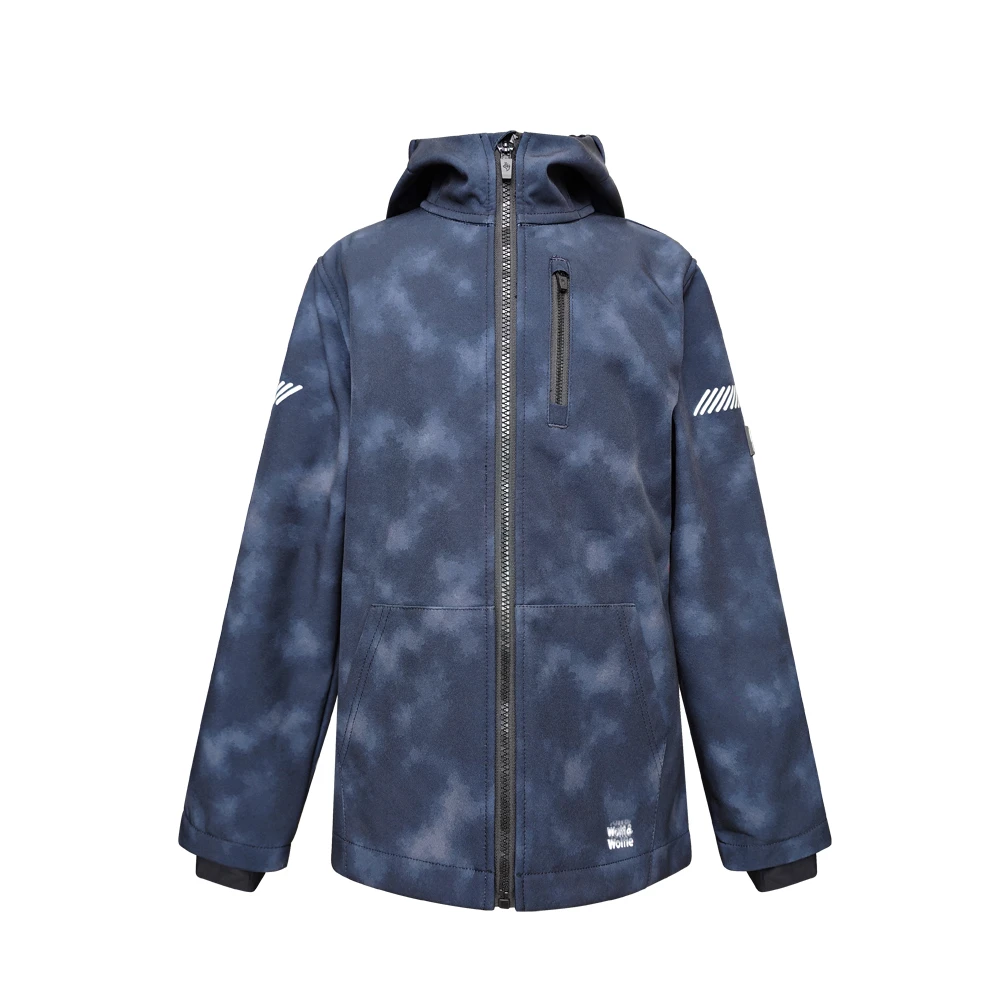
- Safety Reflectors: Many waterproof kids coats include reflective strips for visibility on gloomy days.
- Sustainability: Increasingly popular are eco-friendly fabrics or recycled materials, responding to growing consumer demand.
Mini takeaway:
Not all waterproof coats are created equal—durability and breathability, alongside the waterproof rating, separate winner from wannabe.
Real-World Applications of Kids Waterproof Coats
From the muddy schoolyard in England to tropical monsoon countries in Southeast Asia, kids waterproof coats are a staple in diverse climates. Humanitarian organizations supplying emergency kits for displaced families often include waterproof coats for children because they’re inexpensive yet life-saving.
Schools in northern Europe frequently require kids to have reliable waterproof outerwear, enabling outdoor learning despite weather. Adventure camps and youth hiking groups swear by top-quality waterproof coats to keep young trekkers safe and comfortable through all weather conditions.
In resource-challenged regions, governments and NGOs have piloted distribution programs of rugged waterproof coats made from recycled materials, cutting waste while boosting children’s health outcomes.
Mini takeaway:
A kids waterproof coat isn’t just a garment — it’s part of an essential kit enabling education, safety, and activity worldwide.
Benefits That Go Beyond Keeping Dry
- Health Protection: Waterproof coats reduce exposure to cold dampness, lowering illness risk.
- Comfort & Mobility: Lightweight, breathable fabrics mean kids move freely and stay cozy.
- Parent and Teacher Peace of Mind: Knowing kids are protected means less worry and disruption.
- Sustainability Impact: Durable, eco-friendly coats reduce waste and ecological footprint.
- Social Dignity: Wearing functional, well-fitted coats supports kids' confidence in social settings.
Specifications: What To Look For in a Kids Waterproof Coat
| Feature | Typical Range/Example | Why It Matters |
|---|---|---|
| Waterproof Rating (mm) | 5,000 - 20,000 mm | Higher rating means better water resistance under pressure |
| Breathability (g/m²/24 h) | 5,000 - 15,000+ | Lets sweat escape, preventing clamminess and chills |
| Material | Polyester, nylon with membrane tech (e.g., Gore-Tex) | Lightweight, durable, and water-resistant |
| Seam Finish | Taped, welded seams | Prevents water ingress through stitching holes |
| Weight | 200 - 400 grams | Comfortable for kids to wear all day |
| Eco Credentials | Recycled polyester, bluesign® approved | Lower environmental impact |
Comparing Leading Kids Waterproof Coat Vendors
| Brand | Waterproof Rating (mm) |
Sustainability | Price Range | Notable Features |
|---|---|---|---|---|
| NorthWind Kids | 15,000 | 50% recycled polyester | $50-$80 | Adjustable hood, reflective strips |
| HydroBuddy | 20,000 | bluesign® certified fabrics | $70-$110 | Windproof, ultralight |
| EcoTot | 10,000 | 100% recycled materials | $45-$65 | Organic cotton lining, minimalist design |
Looking Ahead: Trends and Innovations in Kids Waterproof Coats
The kids waterproof coat industry is evolving, and honestly, it's pretty exciting (at least for those of us a bit obsessed with fabric tech). Advances in bio-based waterproof membranes — think plant-derived polymers — promise coatings with less ecological footprint. Meanwhile, some brands are integrating smart textiles that can notify parents if a child is too cold or damp, which feels futuristic but actually makes sense.
On the policy front, more governments are mandating kids’ outdoor gear standards for schools and daycares, pushing manufacturers towards safer, better-certified products. Overall, sustainability is the name of the game: recycled yarns, minimal waste manufacturing, and circular economy design approaches will define the next generation of kids waterproof coats.
Common Challenges and How They’re Tackled
Despite all the good progress, challenges remain. Waterproof fabrics can sometimes sacrifice breathability, which leads to sweaty discomfort. Many affordable coats skimp on seam sealing, leading to leaks after some use. And sizing for kids is tricky — rapid growth means coats are either too tight or bulky.
Innovators have responded with adjustable designs — like extendable sleeves or modular lining layers — so coats grow with the child. Membrane technology is improving breathability without compromising waterproofness. Manufacturers are also focusing on transparency and certifications, so buyers know exactly what they get.
FAQ: What Parents and Caregivers Ask About Kids Waterproof Coats
- Q1: How do I choose the right waterproof rating for my child’s coat?
- A waterproof rating between 5,000 and 10,000 mm is suitable for typical rain exposure in urban settings. For more intense outdoor activities or heavy rain, look for coats rated 15,000 mm or higher. Remember, ratings indicate pressure the fabric can resist before leaking — higher means better protection.
- Q2: Can a kids waterproof coat be washed regularly without losing protection?
- Yes, but it requires proper care. Use detergents designed for waterproof fabrics and avoid fabric softeners, which can degrade the water-repellent coating. Re-applying a durable water repellent (DWR) spray after washing can maintain performance over time.
- Q3: Are waterproof coats breathable enough for active kids?
- Modern kids waterproof coats are designed with membranes or fabrics that balance waterproofing with breathability, allowing sweat vapor to escape. This prevents discomfort and overheating during play, but cheaper coats may lack this feature.
- Q4: Are there sustainable options for kids waterproof coats?
- Absolutely. Many brands now offer options made from recycled polyester or organic materials and use eco-friendly coatings. Look for certifications like bluesign® or GOTS for genuine sustainable credentials.
In Closing: Why Investing in a Good Kids Waterproof Coat Pays Off
In the end, a kids waterproof coat is an unsung hero in a child’s wardrobe. It enables joyful outdoor play, safeguards health, and can even support emotional well-being. With ongoing innovation making these coats lighter, smarter, and greener, there’s really no excuse for kids to be caught unprepared by weather anymore.
If you want to see the latest styles and tech in kids waterproof outerwear, why not take a peek at kids waterproof coat collections online? Who knows, you might find the perfect coat that lasts through all seasons—and all adventures.