Breathable Jackets: Why They Matter in a Changing World
Imagine hiking up a trail, the sun beating down, or sprinting through a busy city street on a chilly autumn morning. Your jacket isn’t just about keeping warm—it’s about feeling comfortable, dry, and unrestricted. That’s where the magic of the breathable jacket comes in. Globally, demand for smart outdoor gear that adapts to various climates and activities has surged, especially with the rise in eco-conscious consumerism and outdoor recreation. Breathable jackets, distinctively designed to allow moisture vapor to escape while keeping external elements at bay, have gone from niche technical apparel to wardrobe essentials. They not only enhance comfort but also promote sustainability by reducing the need for multiple layers or replacing damp clothing frequently. Whether you’re a worker on a remote oil rig, a relief volunteer in a flood zone, or simply someone who enjoys weekend hikes, understanding the value of breathable jackets is key—not just for comfort but for health and safety worldwide. ---The Global Context: Why Breathability in Outerwear is More Than Fashion
Outdoor apparel isn’t just a market trend; it’s a global industry influenced by climate patterns, economic growth in emerging markets, and urgent humanitarian needs. According to the UN Environment Programme, climate change has led to more extreme weather events globally, pushing demand for adaptive clothing solutions up by roughly 12% year-over-year in some regions. Beyond just personal use, breathable jackets are instrumental in disaster relief contexts, helping workers and volunteers stay protected and efficient. Sadly, many traditional jackets fail when wet or when activities intensify, trapping sweat and causing chills and discomfort. This problem is more than minor inconvenience—it affects worker productivity, health, and even survival in harsh environments. This is why the breathable jacket, combining science with practical design, offers a timely solution to a widespread challenge. ---What Exactly Is a Breathable Jacket?
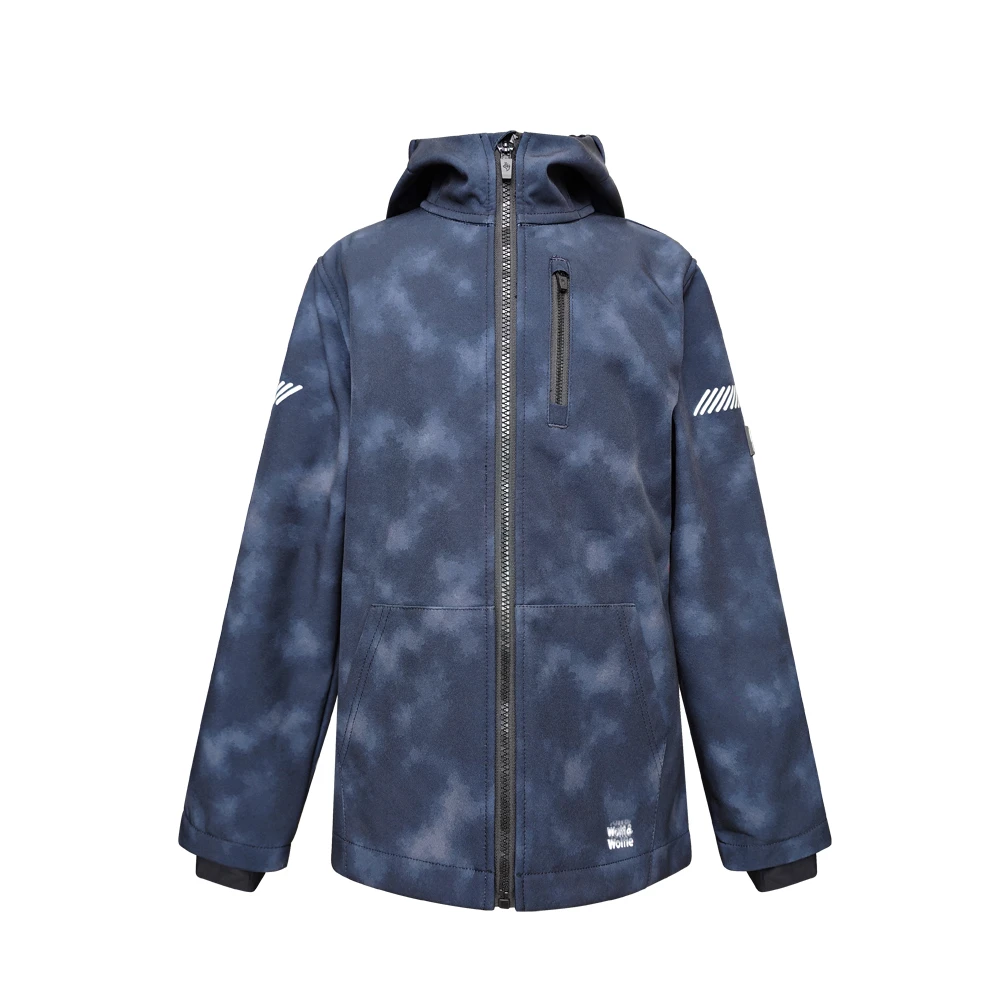
Simply put, a breathable jacket is a type of outerwear engineered to allow perspiration (water vapor) to escape through its fabric while blocking rain, wind, or snow from entering. Picture it as a one-way valve for moisture: you’re kept dry inside from external wetness, but sweat doesn't turn your comfort layer into a soggy mess. Technically, these jackets use membranes or coatings—like Gore-Tex, eVent, or proprietary blends—which have microscopic pores smaller than water droplets but larger than vapor molecules. This subtlety means moisture from body heat can pass out, but not the outside elements going in. Industries—from mountaineering to remote mining operations—rely heavily on breathable jackets because they balance protection with ventilation. Humanitarian groups, especially in regions prone to flooding or chilly wet seasons, benefit too, since dry, comfortable volunteers can serve better and longer. ---Core Components of Breathable Jackets
1. Waterproofing and Wind Resistance
The key to these jackets is blocking rain and wind effectively without suffocating the wearer. Many manufacturers use layered fabrics and coatings to achieve this balance, critical in unpredictable climates.2. Breathability Ratings and MVTR
MVTR (Moisture Vapor Transmission Rate) measures how much moisture can escape per square meter in 24 hours—think of this as the jacket’s “breathability score.” Higher MVTR numbers typically mean better comfort during intense physical activities.3. Durability and Abrasion Resistance
Given their use in harsh environments, breathable jackets are often designed with ripstop fabrics or reinforced panels, allowing users to move through rugged terrain or work settings without fretting over damage.4. Lightweight and Packability
Many designs focus on compressibility and low weight, so users can stow the jacket easily during hotter conditions or travel, expanding its utility.5. Sustainability of Materials
Increasingly, brands incorporate recycled fabrics or eco-friendly treatments, reflecting the larger global shift toward sustainable outdoor gear. ---Real-World Uses: From Mountains to Emergency Relief Zones
The versatility of breathable jackets is quite remarkable. High-altitude climbers rely on them to stay dry and at safe body temperature despite extreme wind chill and sweat from strenuous climbs. In cold, wet industrial sites—for instance, offshore rigs in the North Sea—workers depend on breathable jackets to regulate temperature and prevent hypothermia. But one of the most striking applications is in humanitarian aid. NGOs operating in flood-affected areas of Southeast Asia or subarctic regions of Canada provide breathable outerwear for their teams to ensure efficiency and health during relief missions. In fact, organizations have reported that breathable jackets cut sick days among field workers by up to 30%, largely because users avoid prolonged damp chill—a testament to how a simple piece of gear can influence global well-being. ---Takeaway:
The breathable jacket isn’t just fashion—it’s a performance necessity across industries and geographies, dramatically impacting health, safety, and comfort. ---Advantages & Long-Term Value: Comfort Meets Sustainability
One of the most obvious benefits is improved comfort, but the impact runs deeper. Breathable jackets reduce the risk of skin conditions or hypothermia by keeping moisture off your skin. From a logical standpoint, this also means less washing and better garment longevity, saving money over time. From a social perspective, these jackets bring dignity to workers and volunteers exposed to challenging climates: being dry and comfortable respects their well-being and boosts morale. Brands that invest in sustainable materials also appeal to consumers who care about planetary health, forging trust and loyalty. ---| Feature | Specification |
|---|---|
| Fabric | 3-Layer Gore-Tex Membrane |
| MVTR | 25,000 g/m²/24h |
| Waterproof Rating | 28,000 mm |
| Weight | 450 grams (Men's M) |
| Material Sustainability | 50% Recycled Polyester |
Future Trends: What’s Next for Breathable Jackets?
Materials science marches forward rapidly. We’re seeing innovations like biodegradable membranes that keep performance high but degrade safely after use. Nanotechnology-enhanced fabrics promise even better moisture control with less weight. Digital transformation is also making an appearance—imagine jackets that adjust their breathability dynamically using sensors linked to your body temperature, all controlled from your phone. Sustainability efforts continue to accelerate—think cleaner production methods with ISO 14001 certifications becoming standard. Automation in manufacturing reduces waste and improves consistency, so you get better gear at competitive prices. The breathable jacket is evolving from simple three-layer construction to an intelligent product embedded with tech, which is exciting if you’re geeks like me. ---Facing the Challenges
Breathable jackets are not without drawbacks. For example, extreme wearers sometimes complain about coating delamination over time affecting breathability. Also, cost can be a barrier; quality breathable jackets often carry a premium price point. However, many brands now offer repair services or lifetime guarantees to ease concerns about durability. There’s also a growing push for open-source designs to make breathable tech accessible globally, especially in humanitarian distribution. ---| Brand | Technology Used | Sustainability Focus | Average Price (USD) |
|---|---|---|---|
| AlphaOutdoor | eVent Membrane | Uses 40% recycled fabrics | $280 |
| EcoShell Gear | Proprietary BreathTech | 100% biodegradable membrane | $320 |
| TrueDry | Gore-Tex | 50% recycled materials + Fair Trade certified | $350 |
FAQs About Breathable Jackets
Q1: How does a breathable jacket differ from a regular waterproof jacket?
A breathable jacket not only blocks rain and wind but also allows sweat vapor to escape. This reduces internal dampness and overheating—something a typical waterproof jacket without breathable membranes can’t do efficiently.
Q2: Are breathable jackets suitable for all outdoor activities?
Mostly yes, though the level of breathability you need can vary. High-intensity activities, like trail running, benefit from higher MVTR ratings, while casual walking might be fine with moderate breathability.
Q3: How do I care for my breathable jacket to maintain its functionality?
Regular washing with specialized detergent and avoiding fabric softeners helps maintain water repellency. Also, reapplying durable water repellent (DWR) treatments periodically keeps the jacket effective.
Q4: Can breathable jackets be affordable for humanitarian use?
Yes, many manufacturers now produce models focusing on cost-efficiency without sacrificing essential breathability. NGOs often collaborate with brands for bulk pricing or donations.
Q5: What’s the typical lifespan of a breathable jacket?
With proper care, 3 to 5 years is common, though some high-end models last longer. Durability depends on usage intensity and maintenance.
---