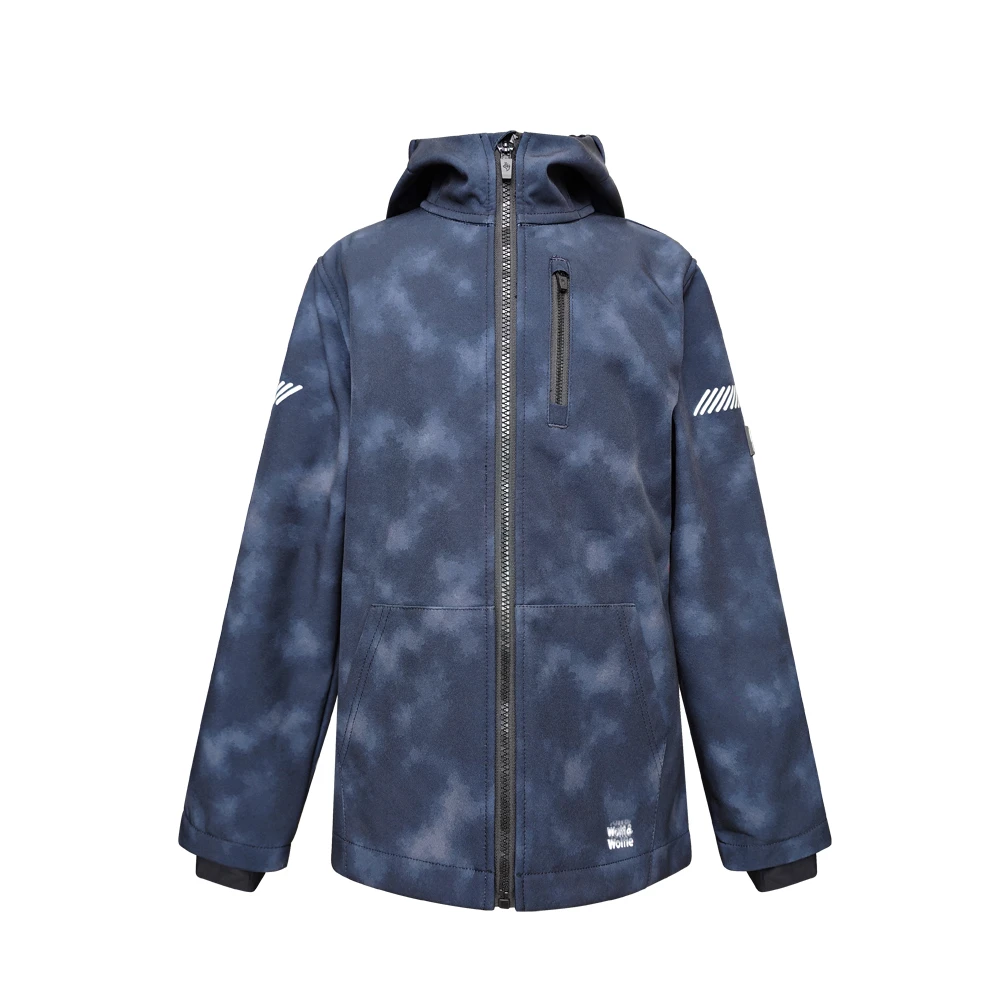
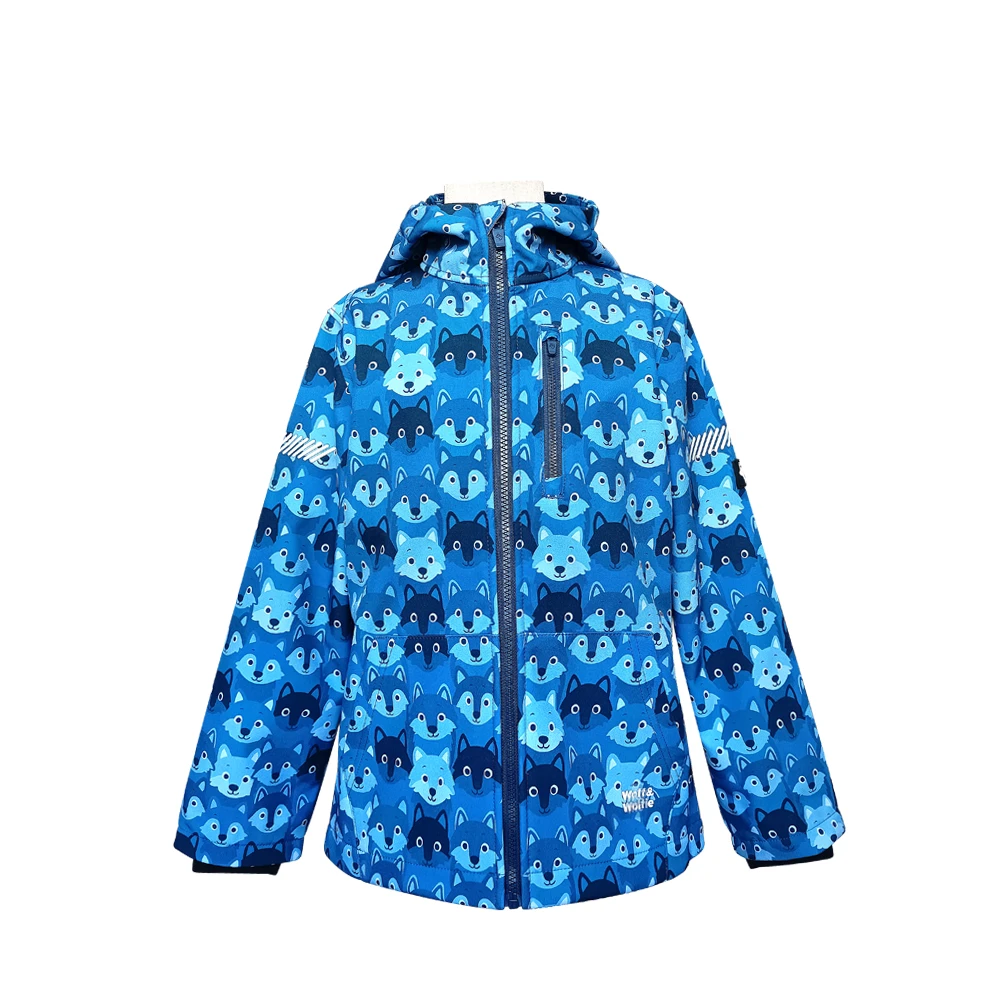
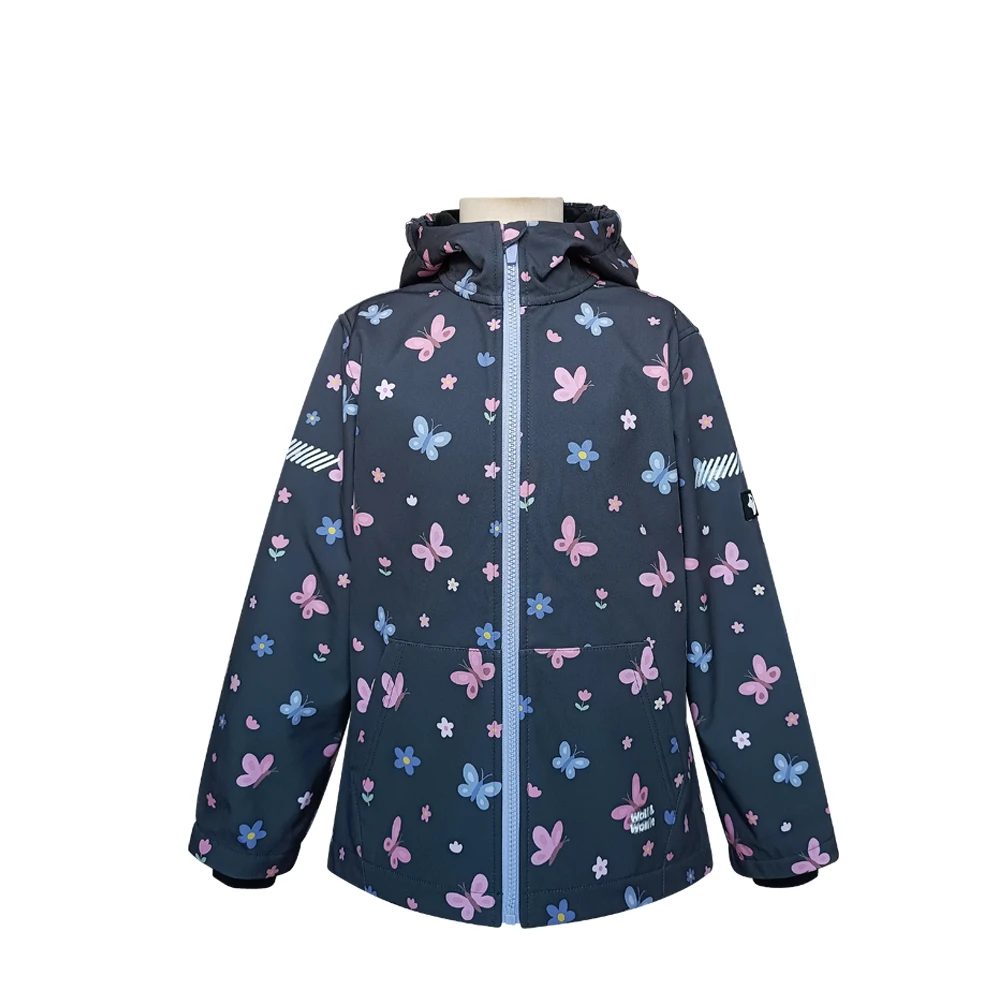
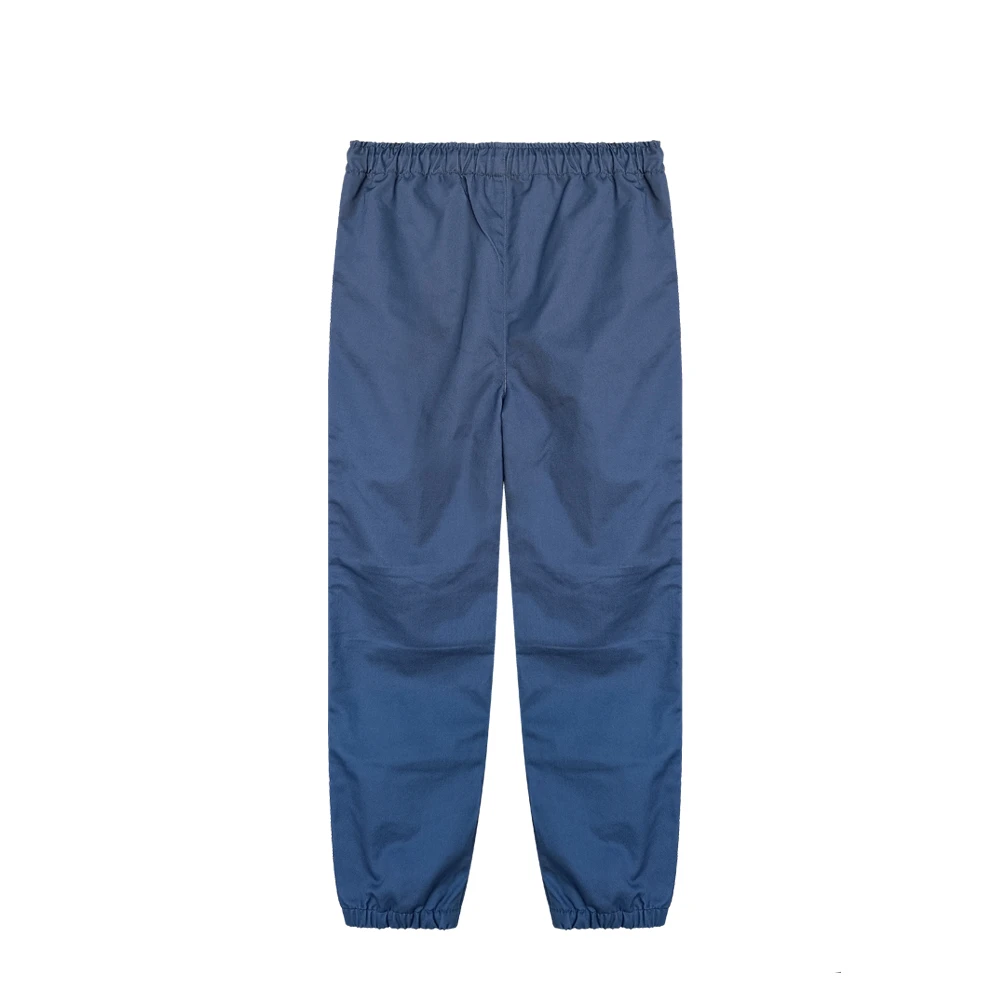
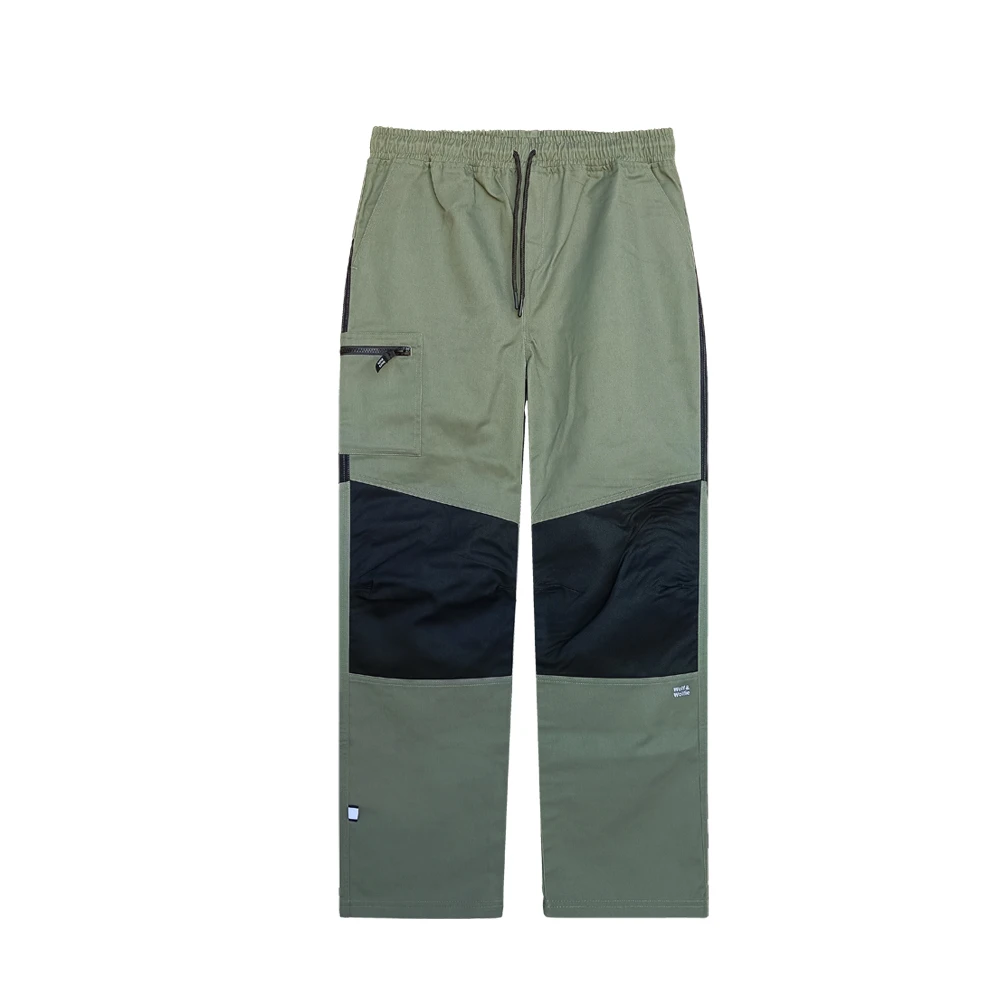
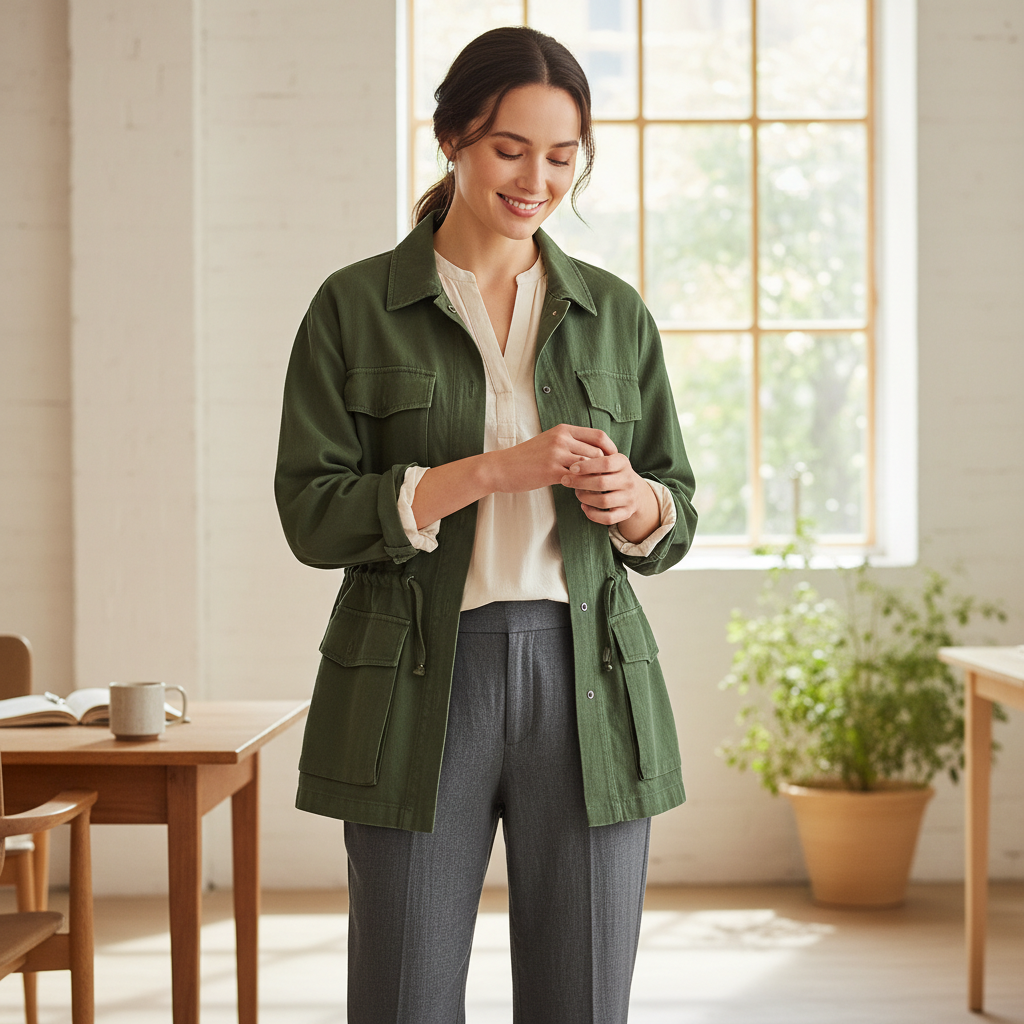
Cotton Jacket for Summer: A Lightweight Essential for Warm Weather
When the temperature starts rising, finding the right clothing that balances comfort, breathability, and style becomes more than just a fashion matter—it’s about practicality, health, and even sustainability. The cotton jacket for summer is an understated solution that’s been gaining attention globally for good reasons.
Why should we care about summer jackets—aren’t they kind of contradictory? Well, as global temperatures fluctuate and sun exposure intensifies, a lightweight cotton jacket offers vital protection against UV rays, sudden weather changes, and air-conditioned environments. Beyond personal comfort, understanding this clothing item touches on crucial global trends: sustainable textiles, climate adaptation, and functional fashion that respects both people and planet.
So, this topic is more than just “what to wear in summer.” It intersects with industrial sustainability, fabric engineering, and even global health concerns.
Introduction: Why a Cotton Jacket for Summer Matters Globally
Cotton remains the world’s most widely consumed natural fiber, with the International Cotton Advisory Committee (ICAC) reporting annual global production exceeding 27 million metric tons. Its breathability and moisture absorption make it ideal for summer garments. Yet, the fashion industry faces challenges linked to energy-intensive synthetics and fast fashion waste, pushing cotton back into the spotlight.
Oddly enough, in many regions, summer clothing must also offer a layer of protection. According to the World Health Organization (WHO), overexposure to UV rays contributes significantly to skin-related health problems worldwide. Lightweight cotton jackets serve as a simple yet effective barrier. Additionally, in urban settings where air-conditioning is prevalent, a light layer helps regulate comfort, preventing chills without overheating.
What Exactly Is a Cotton Jacket for Summer?
At its core, a cotton jacket for summer is a garment designed from lightweight, breathable cotton fabrics tailored to offer moderate coverage without the heat retention of thicker materials. Unlike heavy winter jackets, these are thin, often unlined or minimally lined, meant for layering on breezy evenings or shaded outdoor activities.
From a practical industry perspective, summer cotton jackets align with eco-friendly manufacturing goals—they typically require less energy and water than synthetic counterparts and biodegrade more easily. Humanitarian organizations, for example, often prefer cotton outerwear for relief workers because of comfort during strenuous summer conditions.
Key Factors in Choosing Your Summer Cotton Jacket
Durability & Fabric Quality
Not all cotton jackets are made equal. The weave, thread count, and processing methods significantly influence durability. A jacket made from combed cotton with a tight weave will last seasons and maintain its breathability. Many engineers and designers push for organic or sustainable cotton, which avoids harmful chemicals yet retains strength.
Breathability & Comfort
Breathability is critical here—it’s what separates a cotton jacket for summer from one meant for cool autumn days. Perforations, mesh inserts, or lightweight poplin weaves increase air circulation, making the jacket practically a second skin.
UV Protection
Some manufacturers treat cotton with special UV-resistant coatings or blend the fabric with fibers that block rays without sacrificing softness. This ties back to health, especially in regions with intense sun.
Style & Versatility
Versatility is why cotton jackets remain a staple. From casual walks to business-casual summer events, their simple designs fit many settings. Pockets, collars, and closures are tailored for convenience without bulk.
Cost Efficiency & Sustainability
Unlike synthetic jackets that depend on fossil fuels, cotton jackets often offer better long-term value. Their biodegradability and renewable source appeal greatly to eco-conscious buyers. Although initial prices may be slightly higher, reduced environmental costs balance that out.
Global Applications & Use Cases
Cotton jackets for summer find practical use far beyond your average wardrobe. Consider:
- Humanitarian Relief: NGOs working in disaster zones deploy cotton jackets for volunteers exposed to harsh sun, helping reduce heat stroke risks.
- Urban Commuters: Thanks to their light layer properties, city workers appreciate them against hot sun or humid subway rides filled with air-conditioned blasts.
- Agricultural Workers: In countries like India and Brazil, cotton jackets protect laborers from dust and sun rays while keeping the skin cool.
- Outdoor Enthusiasts: Lightweight cotton jackets allow hikers or campers to maintain comfort without overheating, adding weather-resilience optically.
Advantages & Long-Term Value
It feels like cotton jackets hit a sweet spot between nature and technology. They’re biodegradable, renewable, and soft—ticking emotional boxes for safety and trust—but also logical for durability and economy.
Socially, wearing cotton supports farms worldwide that rely on natural fibers, generating employment with a lighter environmental footprint than oil-based textiles.
Product Specifications
| Specification | Details |
|---|---|
| Material | 100% Organic Cotton |
| Weight | 150 - 180 g/m² (lightweight) |
| UV Protection | UPF 30+ with eco-friendly treatment |
| Care Instructions | Machine wash cold, tumble dry low |
| Sizes Available | XS to XXL |
Vendor Comparison: Leading Brands of Summer Cotton Jackets
| Brand | Price Range | Sustainability | Style Variety |
|---|---|---|---|
| EcoWear Co. | $50 - $100 | 100% organic cotton, Fair Trade certified | Casual & business casual |
| Naturtex Apparel | $40 - $90 | Blends recycled cotton & hemp | Outdoor-focused designs |
| SunShield Outfitters | $60 - $120 | UPF-treated cotton, eco-friendly dyes | Urban & lifestyle options |
Emerging Trends & Innovations in Summer Cotton Jackets
Sustainability and tech integration are pushing cotton jackets into new territory. Scientists are refining bio-based UV coatings to enhance protection without adding plastic residues. Plus, digital printing on cotton minimizes water waste compared to traditional dyeing.
Automation in textile manufacturing also means faster production of custom sizes and styles, reducing overstock waste. Strangely enough, combining a beloved natural fabric with 21st-century tech feels like the best of both worlds.
Challenges & Solutions
Of course, cotton jackets are not perfect. Cotton farming still consumes water and can involve pesticides if not organic, posing environmental concerns. Balancing cost with genuinely sustainable sourcing is tricky for brands and consumers alike.
Thankfully, innovations in drip irrigation, organic pest control, and recycling cotton fibers promise improvement. From a use perspective, some users find cotton less water-resistant; however, eco-friendly water-repellent finishes are emerging to counter this.
FAQ: Frequently Asked Questions About Cotton Jackets for Summer
- Q: Is a cotton jacket suitable for hot and humid summer climates?
A: Yes! Lightweight cotton jackets, especially those with open weaves or mesh panels, provide breathability that helps skin stay cool. They offer sun protection without trapping heat, unlike synthetic fabrics. - Q: How should I care for my summer cotton jacket to prolong its life?
A: Wash in cold water with mild detergent and avoid high-temperature drying. Iron inside-out if needed. Proper care helps maintain fabric strength and UV-treated finishes. - Q: Are cotton jackets better than synthetic summer jackets from an environmental perspective?
A: Generally, yes—cotton is renewable and biodegradable, while synthetics rely on petrochemicals and shed microplastics. But organic certifications and sustainable farming practices are key to ensuring cotton’s environmental advantage. - Q: Can cotton jackets be treated for water resistance?
A: Absolutely. Many brands now use eco-friendly, fluorocarbon-free water repellents to protect cotton jackets from light rain without compromising breathability or environmental integrity.
Conclusion
In real terms, a cotton jacket for summer combines comfort, health protection, sustainability, and style. It solves practical challenges of warm-weather layering while fitting neatly into global efforts to reduce environmental impacts of fashion. Whether you’re commuting through busy urban streets or working outdoors in humid heat, choosing a cotton jacket brings long-term benefits that resonate with both logic and conscience.
If you’re curious to explore more about lightweight summer outerwear options, visit our website: cotton jacket for summer.
Mini takeaway: Cotton jackets for summer aren’t just a fashion choice—they’re a thoughtful response to climate, comfort, and sustainability challenges worldwide.
References:
1. International Cotton Advisory Committee, ICAC.org
2. World Health Organization, UV Radiation and Health Report 2022
3. Textile Exchange Organic Cotton Market Report 2023