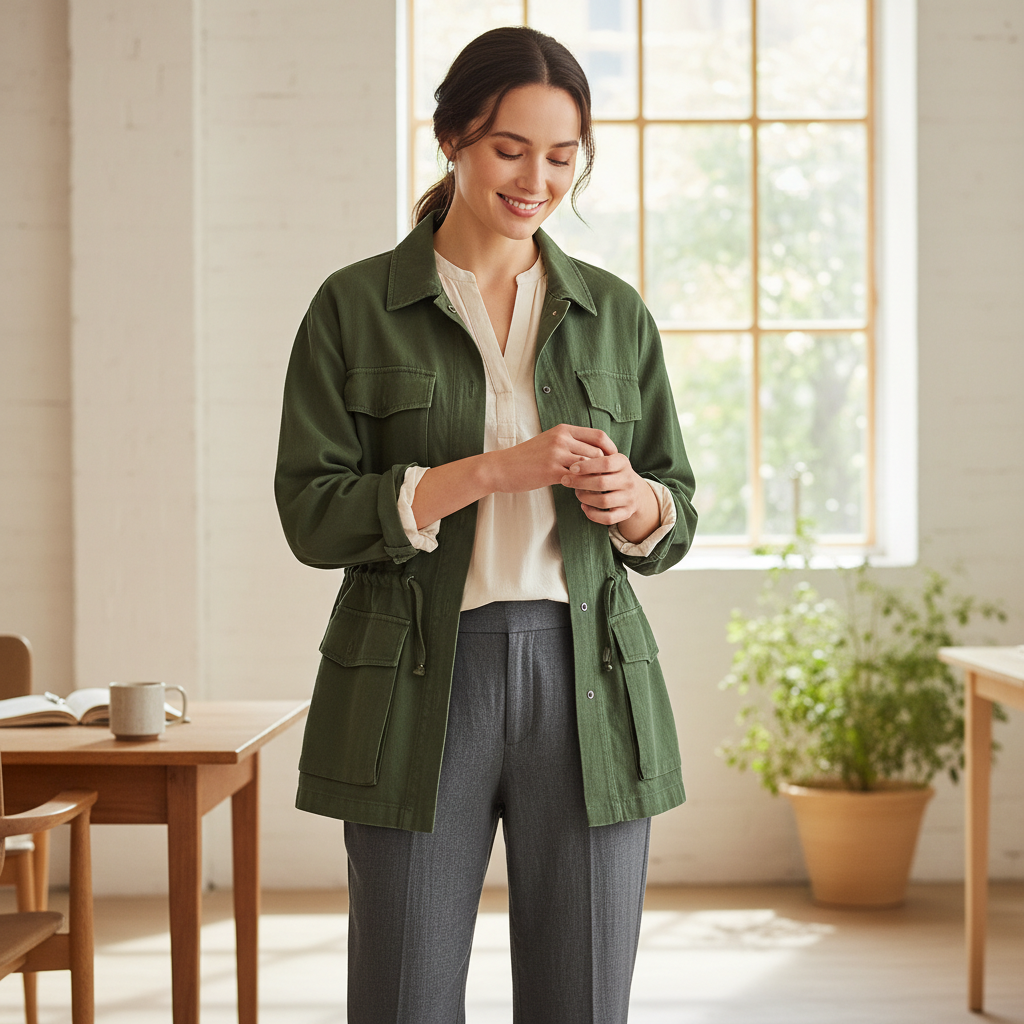
The Ultimate Guide to Long Sleeve Shirts
When it comes to versatile wardrobe staples, the long sleeve shirt reigns supreme. From casual everyday wear to layering pieces for cooler weather, a well-chosen long sleeve shirt is an essential for any style. This article explores the different types, materials, styling options, and how to choose the perfect long sleeve shirt for your needs. Whether you're looking for comfort, durability, or a particular aesthetic, we'll cover everything you need to know. Discover why this classic garment deserves a prime spot in your closet.
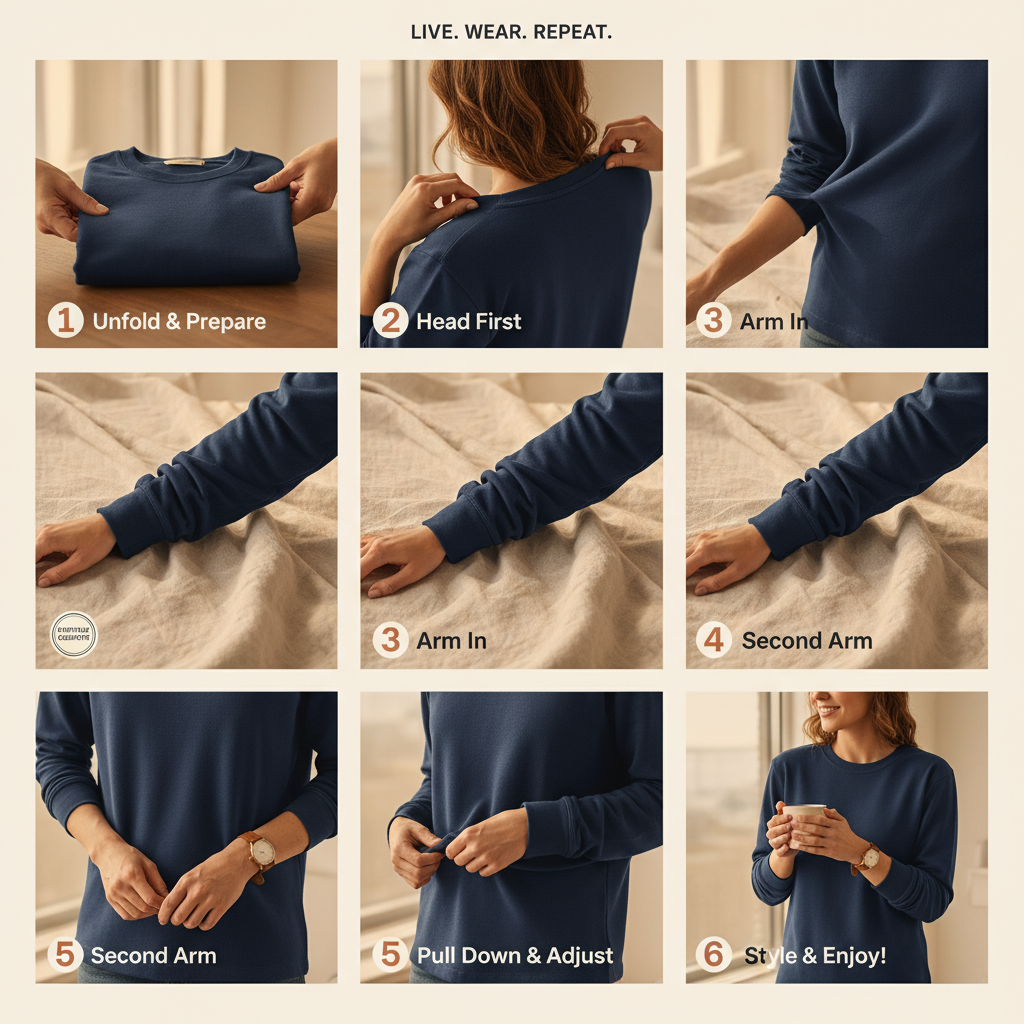
Types of Long Sleeve Shirts
The world of long sleeve shirts is surprisingly diverse. Beyond just the length of the sleeves, there's a wide variety of styles to choose from. Here are some of the most common types:
- Crew Neck: A classic, rounded neckline that’s perfect for layering.
- V-Neck: Creates a lengthening effect and is flattering for many body types.
- Henley: Features a placket with a few buttons, adding a touch of casual style.
- Button-Down: More formal than other types, often made from woven fabrics like Oxford cloth.
- Raglan Sleeve: Characterized by a diagonal seam from the underarm to the collar, providing increased range of motion.
Understanding these variations allows you to select a shirt that suits your personal style and intended use. Visit Softshell Clothing to explore a wide selection of styles.
Key Takeaway: Choosing the right style of long sleeve shirt is about more than just aesthetics; it impacts comfort, functionality, and how easily it integrates with your existing wardrobe.
Materials Matter: Choosing the Right Fabric
The material of your long sleeve shirt significantly impacts its feel, durability, and care requirements. Here's a breakdown of popular choices:
- Cotton: Soft, breathable, and affordable, making it a popular everyday option.
- Polyester: Durable, wrinkle-resistant, and moisture-wicking, ideal for athletic wear.
- Blends (Cotton/Polyester): Combines the benefits of both materials, offering comfort and durability.
- Linen: Lightweight and breathable, perfect for warmer weather, but prone to wrinkling.
- Merino Wool: Soft, warm, and naturally odor-resistant, making it a great choice for layering.
Consider your climate and intended use when selecting a fabric. For example, a long sleeve shirt made from merino wool is excellent for cold weather, while linen is ideal for hot summer days.
Fabric Comparison:
• Cotton: Breathable, comfortable, affordable.
• Polyester: Durable, wrinkle-resistant, moisture-wicking.
• Linen: Lightweight, breathable, prone to wrinkling.
• Merino Wool: Soft, warm, odor-resistant.
Long Sleeve Shirts: Style & Versatility
One of the greatest strengths of the long sleeve shirt is its versatility. It can be dressed up or down depending on the occasion. Pair a button-down long sleeve shirt with chinos and a blazer for a smart-casual look, or team a cotton crew neck with jeans and sneakers for a relaxed vibe. Layering a long sleeve shirt under a jacket or sweater adds warmth and dimension to your outfit. Don't be afraid to experiment with different colors and patterns to express your personal style.
Choosing the Right Fit for a Long Sleeve Shirt
A well-fitting long sleeve shirt is crucial for both comfort and style. Consider these factors when selecting the right size:
- Shoulder Seams: Should lie flat and align with the edge of your shoulders.
- Sleeve Length: Ideally, the cuff should end at your wrist bone.
- Body Length: Should cover your hips without being too long or too short.
- Chest and Waist: The shirt should be comfortable without being too tight or too loose.
Don't hesitate to try on different sizes and styles to find the perfect fit. The team at Softshell Clothing can assist you in finding the ideal fit for your body type.
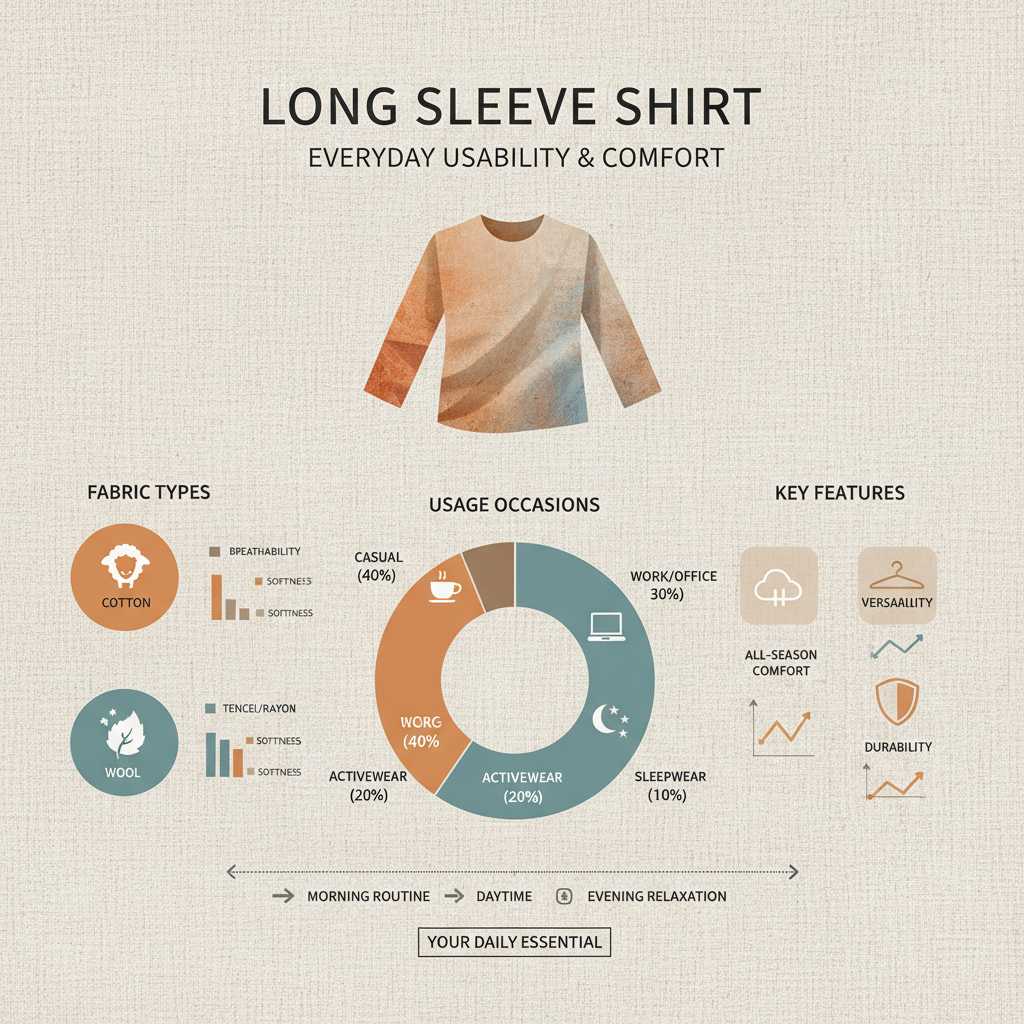
Caring for Your Long Sleeve Shirts
Proper care will extend the life of your long sleeve shirts. Always check the care label for specific instructions. Here are some general guidelines:
- Washing: Wash in cold water with similar colors.
- Drying: Tumble dry on low heat or hang to dry.
- Ironing: Iron on a low setting if needed.
- Storage: Fold or hang neatly to prevent wrinkles.
By following these simple steps, you can keep your long sleeve shirts looking their best for years to come.
Conclusion: The Timeless Appeal of the Long Sleeve Shirt
The long sleeve shirt is a true wardrobe essential. Its versatility, comfort, and style make it a valuable addition to any closet. By understanding the different types, materials, and care requirements, you can choose and maintain shirts that will last for years. Invest in quality long sleeve shirts and enjoy the endless styling possibilities!
Frequently Asked Questions (FAQs)
What is the best material for a long sleeve shirt for hot weather?
For hot weather, linen and lightweight cotton are excellent choices. Linen is incredibly breathable and allows air to circulate, keeping you cool. Lightweight cotton offers similar benefits, although it may wrinkle more easily. Avoid heavier fabrics like wool or thick polyester blends, as they can trap heat and make you uncomfortable. Consider a moisture-wicking cotton blend for increased comfort during activity.
How can I style a long sleeve shirt for a more formal look?
To elevate a long sleeve shirt for a more formal occasion, opt for a button-down style made from a quality fabric like Oxford cloth or poplin. Pair it with tailored trousers, a blazer, and dress shoes. Consider a solid color or a subtle pattern like stripes or checks. A well-fitted shirt and careful attention to details like a tie or pocket square can complete the look.
Are long sleeve shirts suitable for layering?
Absolutely! Long sleeve shirts are ideal for layering. They provide an extra layer of warmth under jackets, sweaters, or vests. A lightweight cotton or merino wool long sleeve shirt can be worn comfortably under heavier outerwear. Experiment with different colors and textures to create a stylish and functional layered look.
How do I choose the right sleeve length?
The ideal sleeve length depends on your personal preference and style. Generally, the cuff should end at your wrist bone. If you prefer a more relaxed look, you can opt for slightly longer sleeves that gather at the wrist. For a more tailored appearance, choose sleeves that end neatly at the wrist. When trying on shirts, make sure you can comfortably move your arms without the sleeves feeling too tight or restrictive.