Choosing the Right Flame Retardant Jacket: A Comprehensive Guide
When working in environments with potential fire hazards, wearing appropriate protective clothing is paramount. A flame retardant jacket is a crucial piece of Personal Protective Equipment (PPE). This article will delve into the importance of flame retardant jackets, the different types available, key features to consider, and how to choose the best jacket for your specific needs. We’ll also explore the standards and regulations surrounding these vital safety garments.
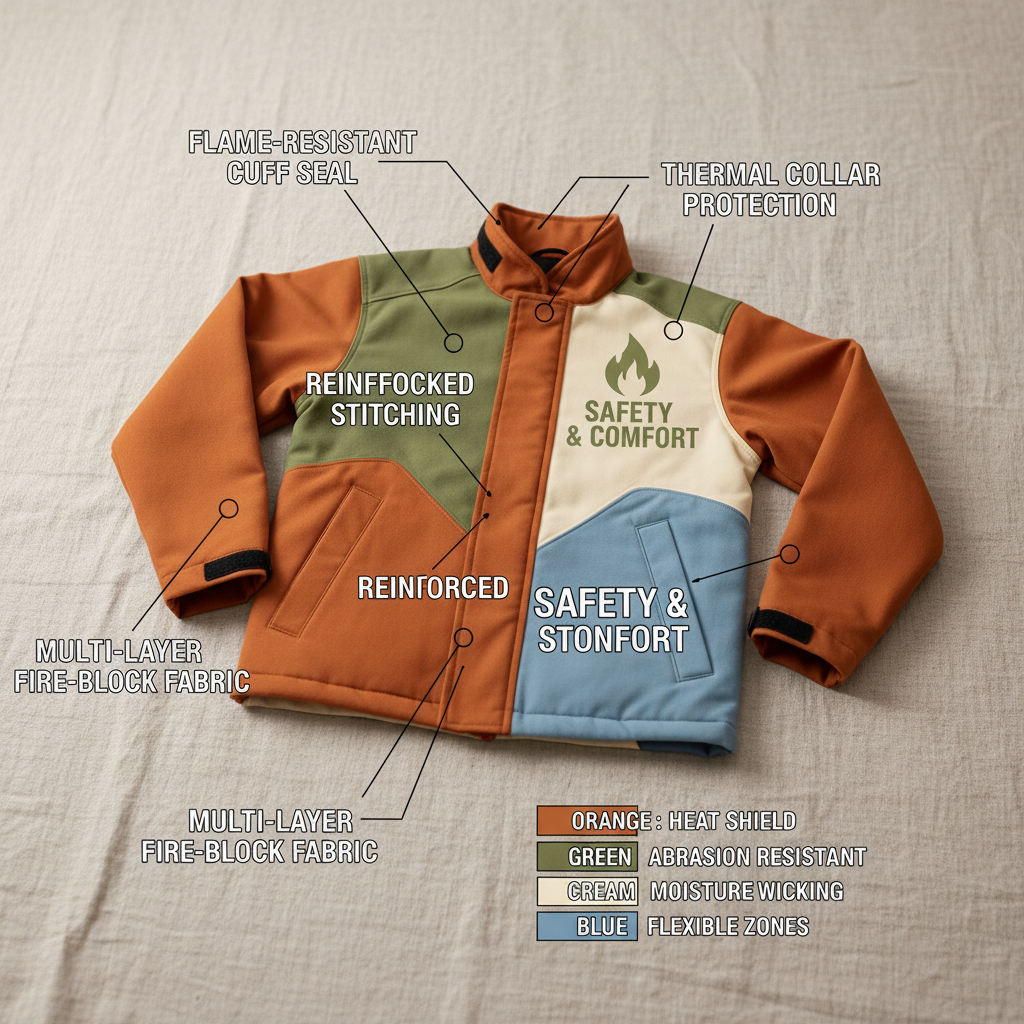
Understanding Flame Retardancy: Protecting Yourself from Fire Hazards
Flame retardancy isn’t about making clothing fireproof; it’s about slowing down the combustion process. Flame retardant jackets are treated with chemicals that inhibit ignition and slow the spread of flames. This crucial delay allows individuals time to escape a hazardous situation. Different levels of protection are available, depending on the specific hazard and exposure risk. Understanding these levels – and the materials used to achieve them – is essential when selecting the right jacket. Softshell Clothing offers a range of jackets designed to meet various safety standards.
Key Takeaway: Flame retardant jackets buy you valuable time in a fire emergency by slowing down combustion.
Types of Flame Retardant Jackets
Flame retardant jackets come in various materials and constructions, each suited for different applications. Common types include:
- Nomex® Jackets: Known for their excellent heat and flame resistance, commonly used in electrical and industrial settings.
- Modacrylic Jackets: Lightweight and comfortable, offering good flame resistance and often used in welding and oil & gas industries.
- FR Cotton Jackets: Durable and breathable, providing good flame protection for general industrial use.
- Treated Polyester Jackets: A cost-effective option offering a decent level of flame retardancy, suitable for lower-risk environments.
The choice of material depends on the level of protection required, the working environment, and personal comfort preferences.
Material Comparison:
• Nomex®: Excellent heat & flame resistance, premium price.
• Modacrylic: Lightweight, good flame resistance, mid-range price.
• FR Cotton: Durable, breathable, affordable.
• Treated Polyester: Cost-effective, lower-risk environments.
Key Features to Look for in a Flame Retardant Jacket
Beyond the material, several features contribute to a jacket’s overall effectiveness and usability. These include:
- Arc Rating (ATPv): Indicates the jacket’s ability to withstand electrical arc flash hazards. A higher ATPv rating provides greater protection.
- Layering Options: The ability to layer the jacket over other clothing without compromising flame retardancy is crucial for colder environments.
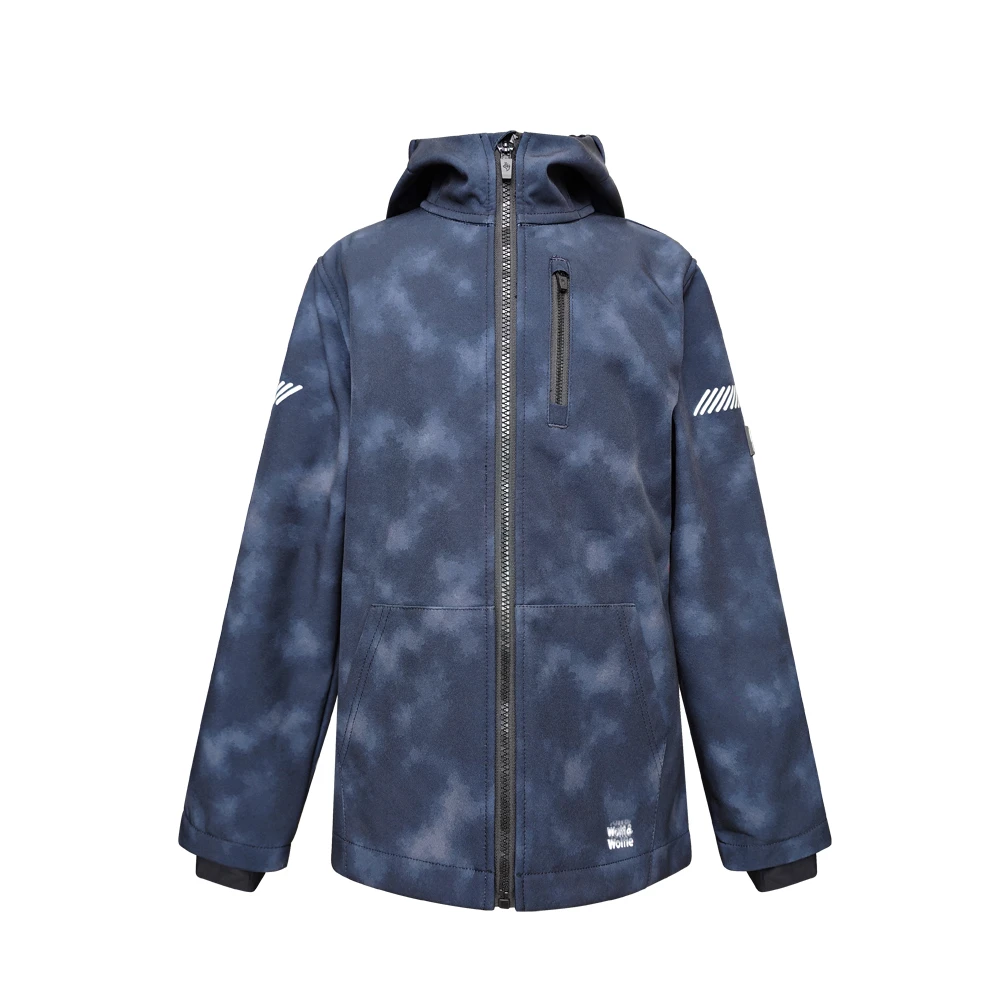
- Reflective Elements: Enhanced visibility in low-light conditions improves safety.
- Pockets and Storage: Convenient pockets for tools and personal items increase practicality.
- Comfort and Breathability: A comfortable jacket is more likely to be worn consistently, maximizing protection.
Consider the specific demands of your work environment when prioritizing these features. Explore the range of jackets at Softshell Clothing to find options with the features you need.
Flame Retardant Jacket Standards and Certifications
Several standards and certifications ensure flame retardant jackets meet specific safety requirements. Some common ones include:
| Standard | Description | Applicable Industries |
|---|---|---|
| NFPA 2112 | Standard on Flame-Resistant Clothing for Protection Against Flash Fire. | Oil & Gas, Petrochemical, Manufacturing |
| ASTM F1506 | Standard Performance Specification for Flame-Resistant Upholstery Fabrics and Clothing. | Various Industrial Applications |
| IEC 61482 | Protective clothing against the thermal hazards of an electric arc. | Electrical Workers, Utilities |
Maintaining and Caring for Your Flame Retardant Jacket
Proper care and maintenance are essential to preserving a flame retardant jacket’s effectiveness. Always follow the manufacturer’s instructions for washing and drying. Avoid using harsh detergents or bleach, as these can degrade the flame retardant treatment. Regularly inspect the jacket for damage, such as tears or worn areas, and replace it if necessary. Proper storage—away from direct sunlight and contaminants—will also extend its lifespan.
Conclusion: Invest in Your Safety with a Quality Flame Retardant Jacket
Choosing the right flame retardant jacket is a critical investment in your safety and well-being. By understanding the different types of jackets, key features, and relevant standards, you can select a garment that provides the appropriate level of protection for your specific work environment. Don't compromise on safety – prioritize quality and ensure you're adequately protected from fire hazards.
Frequently Asked Questions (FAQs)
What is the difference between flame-resistant and flame-retardant?
While often used interchangeably, there’s a key difference. Flame-retardant materials are treated to resist ignition and slow the spread of flames. Flame-resistant materials are inherently non-combustible and won't burn. Most workwear utilizes flame-retardant treatments, as achieving complete flame resistance can be impractical and costly. The goal is to provide enough time for escape and minimize burn injuries.
How often should I replace my flame retardant jacket?
The replacement frequency depends on usage and exposure. Generally, a jacket should be replaced every 1-3 years, or sooner if it shows signs of damage or has been exposed to significant heat or chemicals. Even if it looks fine, the flame retardant treatment can degrade over time. Following the manufacturer’s guidelines is crucial.
Can I wash a flame retardant jacket with regular laundry detergent?
No, you should never wash a flame retardant jacket with regular laundry detergent, bleach, or fabric softeners. These chemicals can break down the flame retardant treatment and compromise its effectiveness. Always use a detergent specifically designed for flame retardant clothing and follow the manufacturer’s washing instructions carefully.
What arc rating (ATPv) do I need for my jacket?
The required ATPv rating depends on the potential arc flash hazard in your workplace. An arc flash risk assessment should be conducted to determine the appropriate level of protection. Higher ATPv ratings offer greater protection but may also come with a higher cost and reduced comfort. Consult with a safety professional to determine the correct ATPv rating for your specific needs.