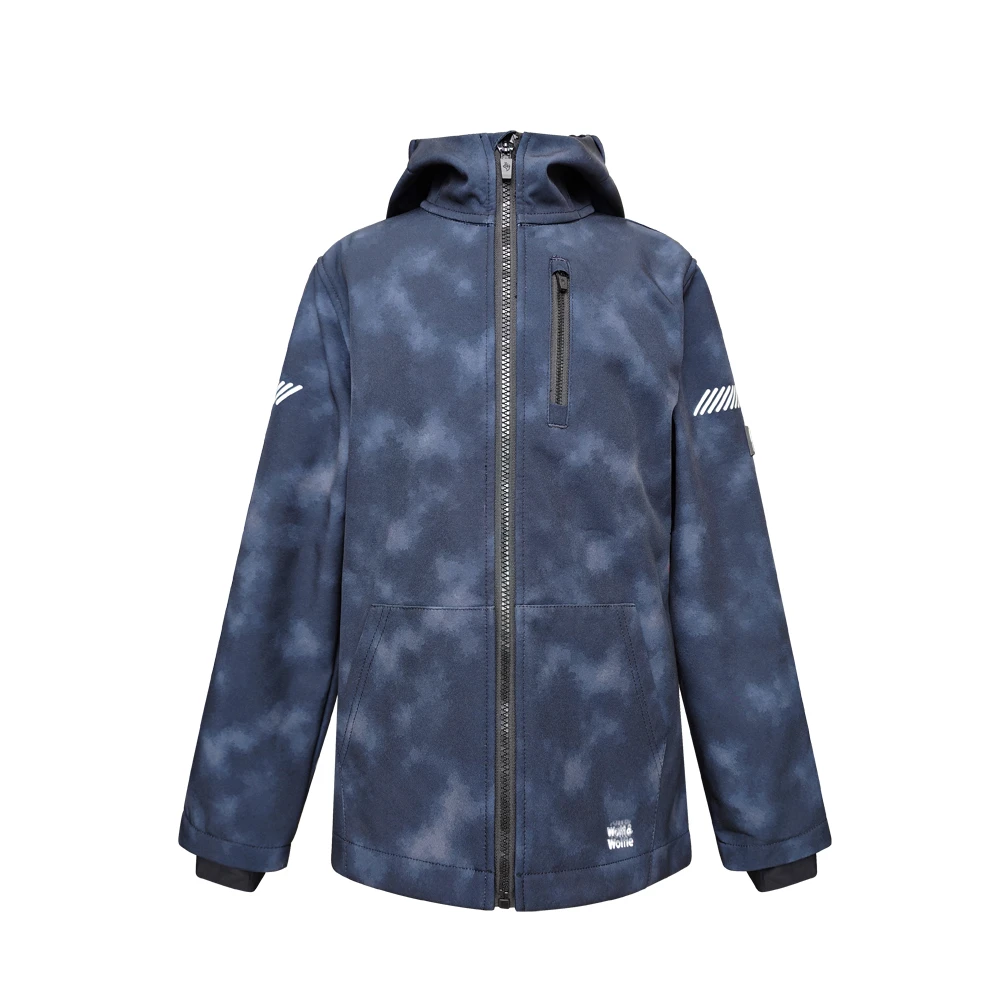
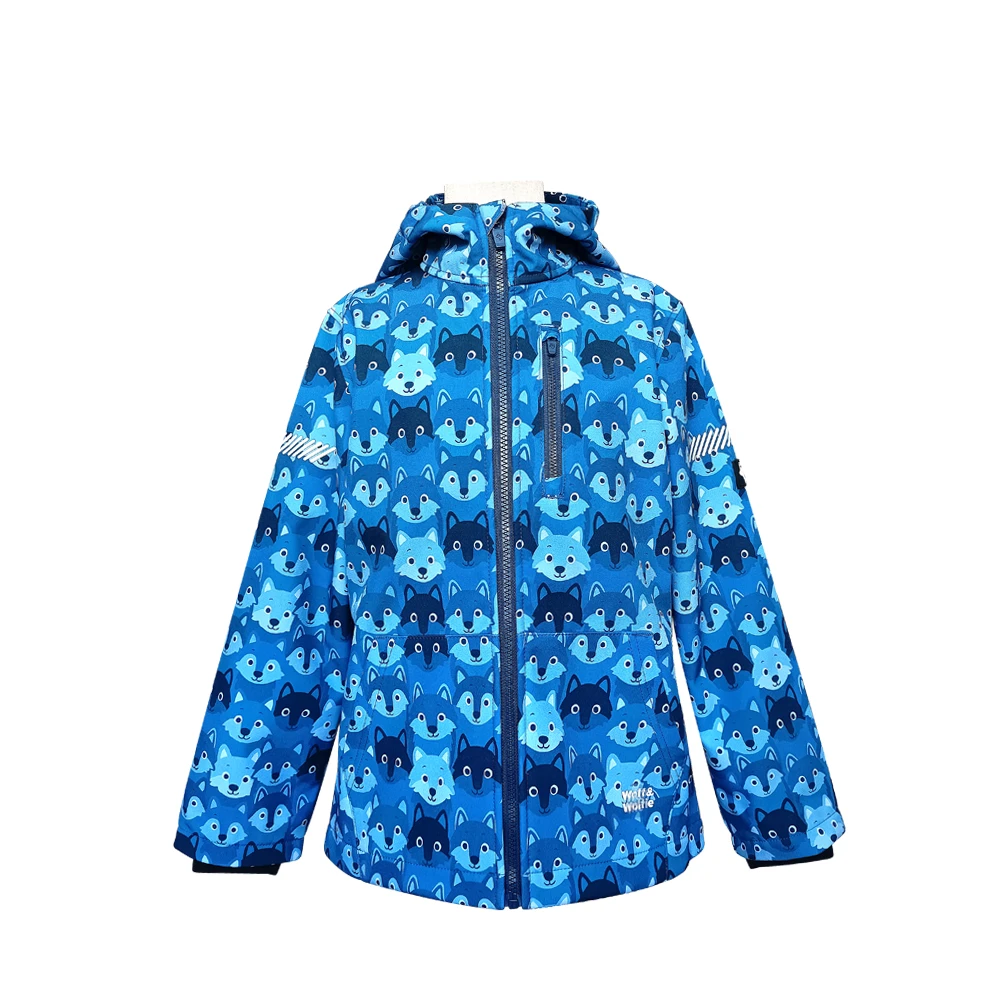
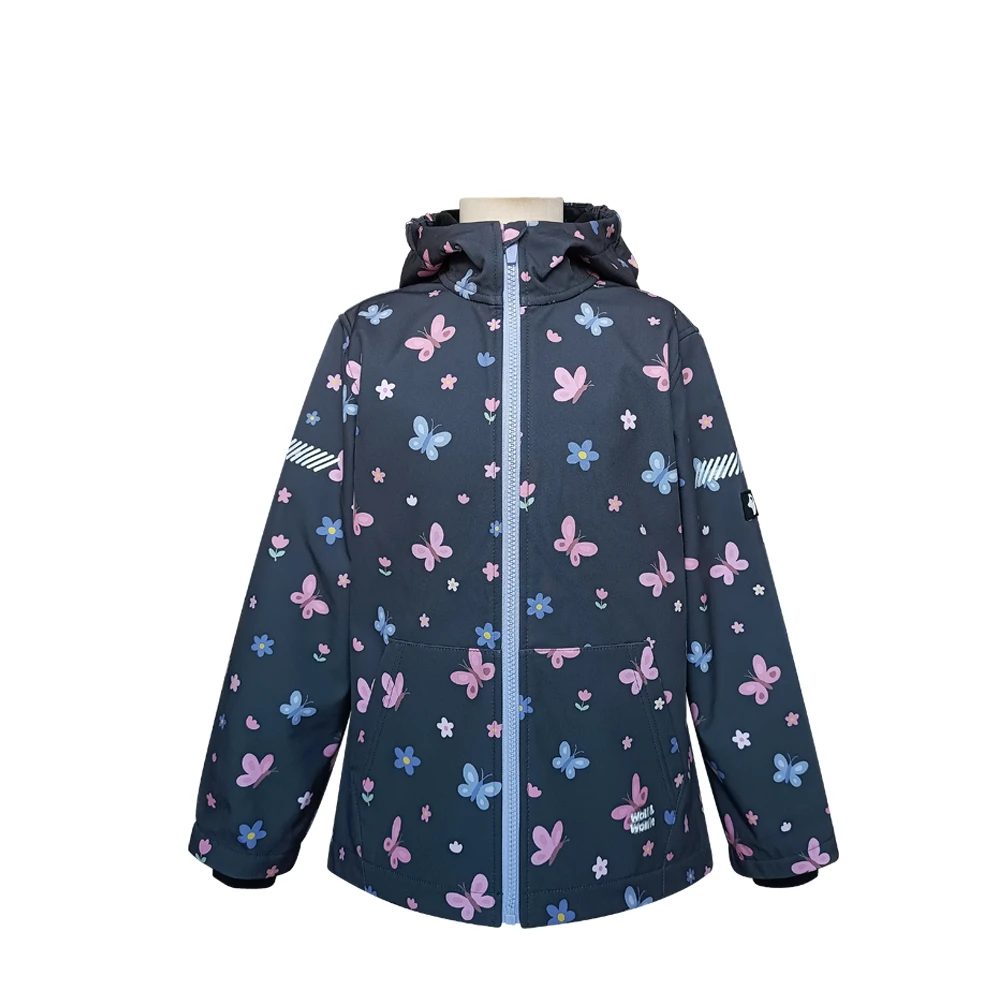
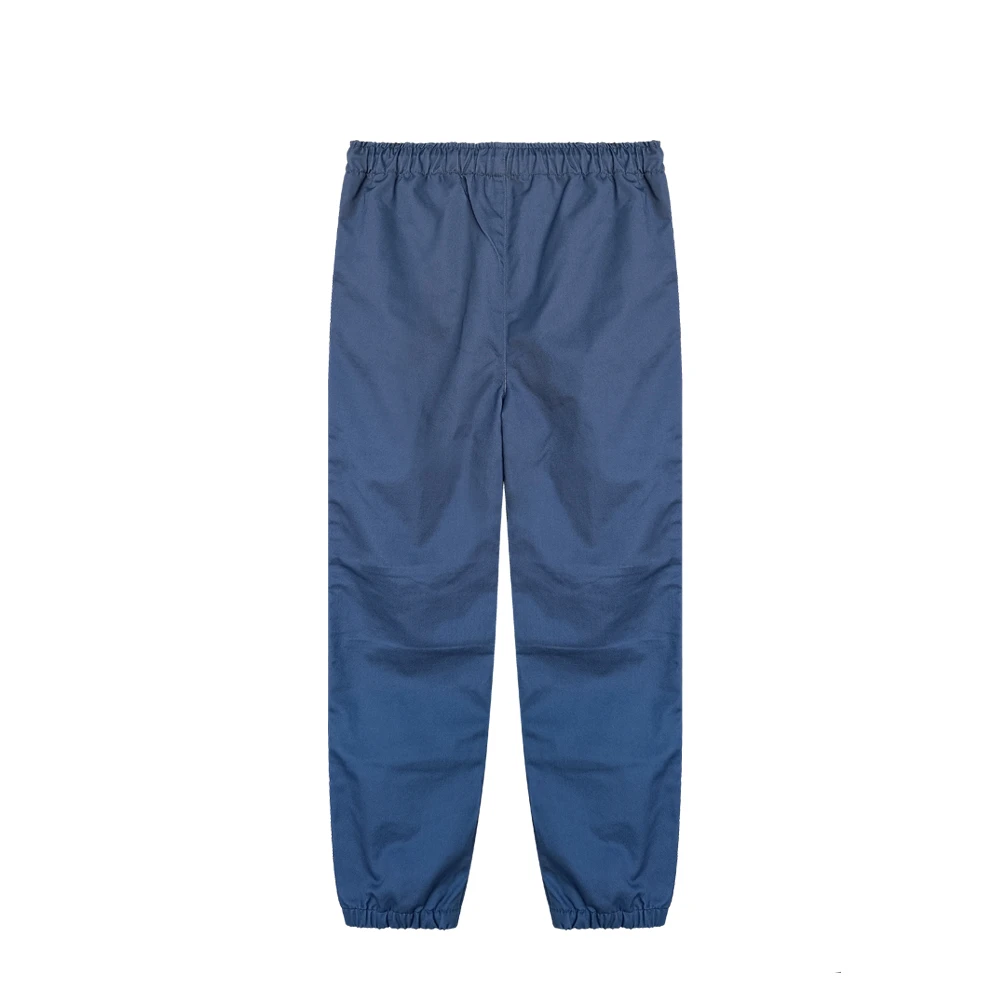
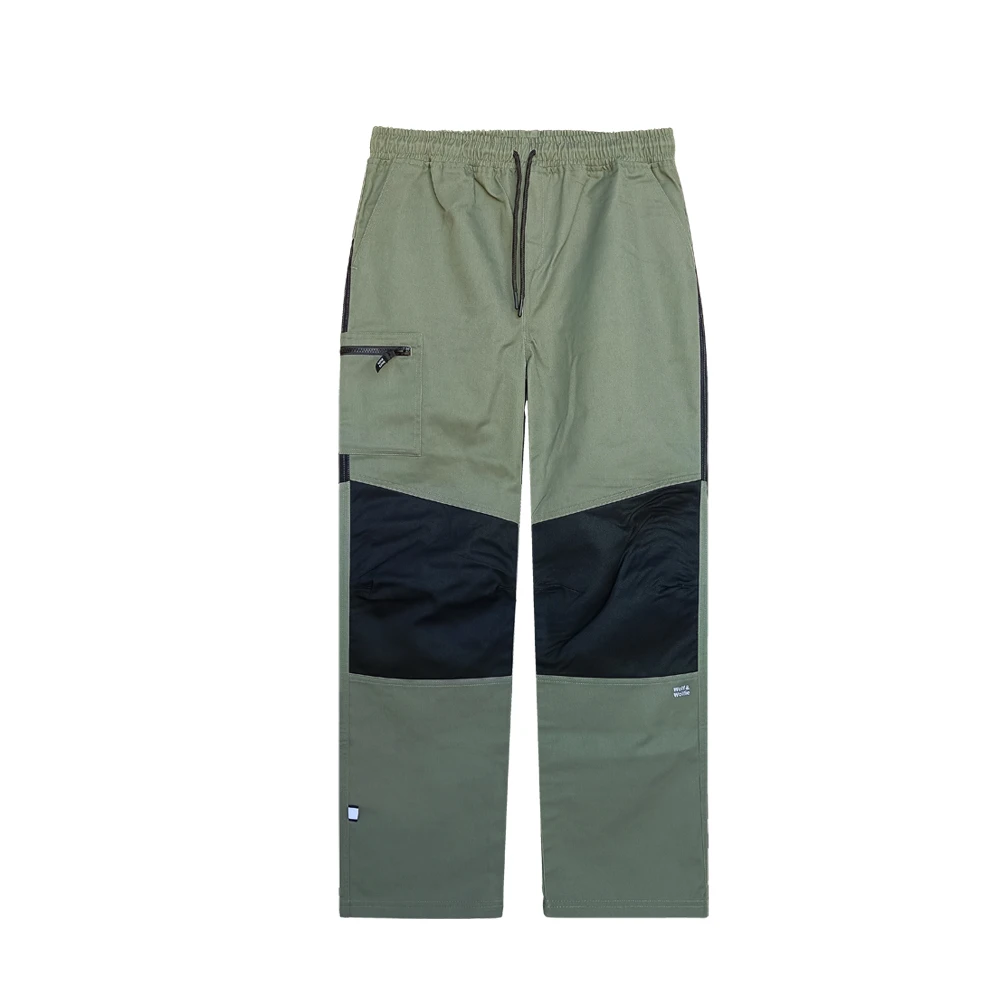
Understanding Men's Waterproof Coats & Jackets: Why They Matter Globally
Whether you're trekking through a rain-soaked city or navigating unpredictable weather on a remote work site, men's waterproof coats & jackets are more than just clothing; they are essential gear that combines functionality with protection. Globally, these garments serve millions, from urban commuters in London to aid workers in monsoon-hit Southeast Asia. The key benefits of grasping their design and application? Well, better comfort, increased safety, and longer wearability—things that matter both in everyday life and specialized industries.
Introduction: The Global Context of Men's Waterproof Coats & Jackets
The demand for waterproof outerwear is booming — and this isn't just a trend driven by fashion. The UN reports that climate change has increased the frequency of extreme weather events by nearly 40% over the last decades, necessitating reliable protection in all corners of the globe.[1] Industrial workers, emergency responders, and outdoor enthusiasts alike depend on durable gear to stay dry and safe. Yet, it’s not just about staying comfortable: failure to shield oneself from harsh precipitation can lead to illnesses and operational delays, especially in sectors where timing is vital.
Oddly enough, while technology in other apparel categories advances quickly, many waterproof coats & jackets are still manufactured in ways that don’t fully harness available innovations — which means there's a lot to explore about these garments.
Definition & Meaning
Simply put, men's waterproof coats & jackets are outerwear specifically designed to prevent water penetration while maintaining breathability and comfort. They're engineered using layered fabrics, waterproof membranes, and sealed seams to keep users dry in wet conditions. These garments are not only fashion statements but critical tools for industrial safety, humanitarian efforts, and everyday convenience. For example, aid organizations distributing waterproof clothing during floods help maintain dignity and health among displaced populations, something that goes beyond mere protection—it restores hope.
Key Factors & Core Components of Waterproof Coats & Jackets
Waterproofing Technologies
At the core is the membrane or coating—materials like Gore-Tex or PU coatings—that act as barriers to rain. Breathability standards, following ISO 9237, ensure moisture from sweat escapes, preventing clamminess.
Durability & Fabric Quality
Ripstop nylons and polyester blends with high denier counts provide abrasion resistance, helping coats survive rough use in industrial or expedition environments.
Seam Sealing & Construction
Taped seams block water entry where fabrics meet—simple but crucial. Poor seam sealing is often the weak point in waterproof jackets.
Fit & Ergonomics
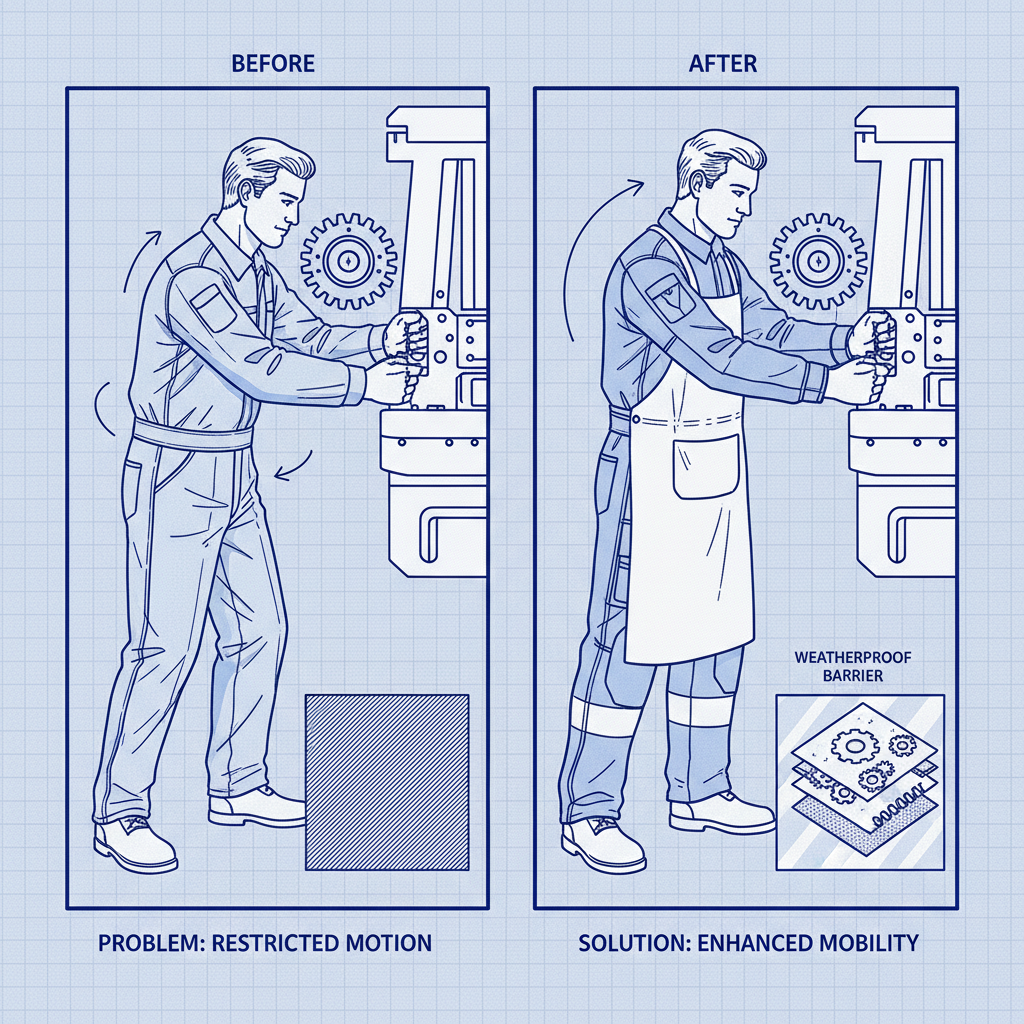
A jacket that’s too tight or bulky compromises movement, so adjustable cuffs, articulated sleeves, and storm flaps enhance performance.
Sustainability Considerations
With sustainability gaining traction, many brands opt for recycled materials, PFC-free waterproofing, and biodegradable components to reduce environmental impact.
Global Applications & Use Cases
- Industrial Workers: In offshore oil fields or remote mining sites, waterproof jackets are crucial to protect personnel in harsh rain and wind conditions.
- Humanitarian Missions: NGOs distribute waterproof gear during flood relief to maintain health and dignity.
- Outdoor Sports & Recreation: Hiking in Patagonia or cycling through rainy cities demands gear that withstands continuous exposure.
- Military & Law Enforcement: Tactical coats often feature waterproofing combined with camouflage and thermal protection.
For instance, in Southeast Asia’s flood-prone regions, aid workers rely heavily on specialized waterproof jackets to function effectively despite monsoon downpours — an application of gear that literally saves lives in gruelling conditions.
Advantages & Long-Term Value
You might think a waterproof jacket is just a piece of gear, but it’s so much more. Beyond the obvious protection from rain, these coats reduce the risk of cold-related illnesses, increasing worker productivity and morale. Emotionally, there's comfort in knowing your clothing won’t betray you mid-storm. Socially, distributing reliable waterproof gear signals care and trustworthiness in corporate and humanitarian sectors. Such strategic investments extend garment lifespan, lowering replacement costs and environmental waste.
| Feature | Specification |
|---|---|
| Waterproof Rating | 20,000 mm H2O |
| Breathability | 10,000 g/m²/24hr (ISO 9237) |
| Material | 100% Recycled Polyester Ripstop |
| Seam Sealing | 100% Fully Taped |
| Weight | 450g |
| Sustainability Features | PFC-Free Durable Water Repellent (DWR) finish |
Future Trends & Innovations
Looking ahead, the future of men's waterproof coats & jackets hinges on sustainability and smart tech. Biodegradable waterproof membranes and entirely PFC-free chemical treatments are gaining ground to reduce environmental harm. Imagine jackets that adjust their breathability in real-time via embedded sensors — some brands are experimenting with that kind of digital transformation. Lightweight, packable designs with ultra-durable fabrics—helpful for explorers and relief workers alike—will continue evolving, too.
Challenges & Solutions
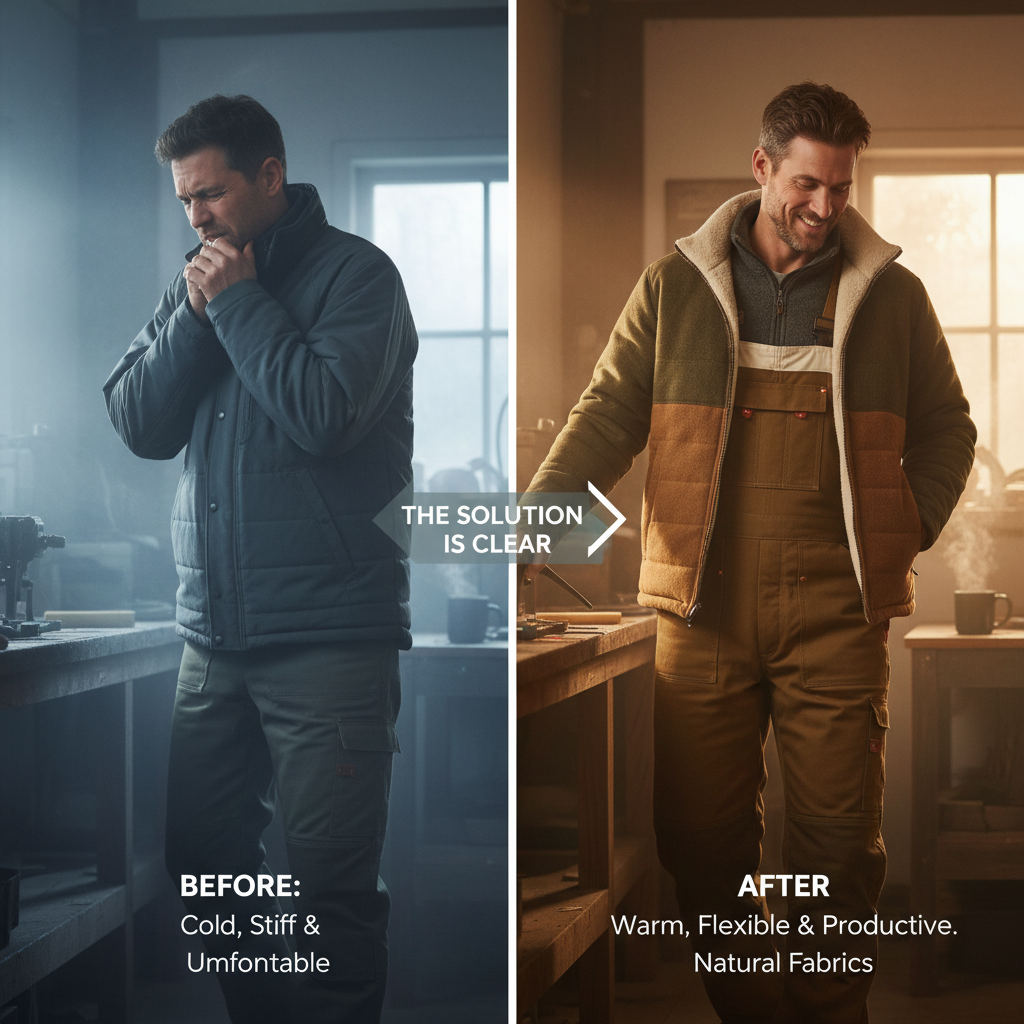
Despite advancements, challenges persist. Waterproof materials sometimes sacrifice breathability, causing discomfort during intense physical activity. Also, the environmental footprint of chemically intensive waterproofing remains a concern. Industry experts suggest a multi-layer approach, combining different technology layers and natural fibers, to optimize both performance and sustainability. Plus, ongoing third-party certifications like ISO standards help consumers trust claims made by brands.
| Brand | Waterproof Rating | Sustainability | Average Price | Typical Use |
|---|---|---|---|---|
| Northway | 15,000 mm | PFC-Free coatings | $180 | General outdoor, casual wear |
| AquaGuard | 20,000 mm | Recycled fabric | $250 | Industrial, professional use |
| EcoTrace | 10,000 mm | Fully biodegradable | $230 | Environmentally-conscious customers |
FAQ: Frequently Asked Questions About Men's Waterproof Coats & Jackets
- What should I look for in a men's waterproof coat for heavy rain?
- Focus on a high waterproof rating (above 15,000mm H2O), fully taped seams, and materials with good breathability to avoid sweat buildup. Features like adjustable hoods and cuffs add to protection.
- How can I maintain my waterproof jacket’s effectiveness?
- Regular cleaning with specialized detergents and reapplying durable water repellent (DWR) treatments help the jacket retain its waterproof properties over time.
- Are waterproof jackets sustainable?
- Many newer lines use recycled fabrics and PFC-free coatings reducing environmental impact, but checking certifications and brand transparency is important to ensure sustainability claims.
- Can I use waterproof jackets in cold weather?
- Yes, but layering is key. Many jackets are designed as shells to be worn over insulating mid-layers—offering flexibility across different climates.
Conclusion & Call to Action
To sum up, men's waterproof coats & jackets are indispensable globally—offering much-needed protection, comfort, and peace of mind in wet weather. Their thoughtful design blends technology with sustainability and real-world practicality, serving workers, adventurers, and humanitarian efforts alike. If you're ready to explore high-quality, reliable waterproof jackets that perform in any scenario, why not browse our collection of men's waterproof coats & jackets today? Your next adventure—or workday—probably depends on it.
Thanks for sticking with me through this overview. Waterproof gear might seem straightforward, but the more you dig, the more fascinating it becomes, especially as new tech and ecological demands reshape the marketplace.
References:
- United Nations Office for Disaster Risk Reduction (UNDRR), "Climate Change and Disaster Risk," 2023: undrr.org
- ISO 9237:1995, "Textiles — Determination of permeability of fabrics to air," International Organization for Standardization
- Environmental Protection Agency (EPA), “Reducing the Environmental Impact of Outdoor Clothing,” 2022