The Humble Hoody: More Than Just a Wardrobe Staple
At first glance, a hoody might just look like a casual piece of clothing — a comfy sweatshirt with that nifty hood to pull over your head on chilly days. But globally, the hoody represents much more than leisurewear. It’s a versatile garment that blends comfort, function, and cultural style while fitting into an impressive range of industries and social contexts. From urban fashion streets to cold-weather workers braving harsh environments, the hoody plays a quiet yet essential role.
Understanding the significance of the hoody means appreciating how a simple garment meets diverse needs: protection, practicality, sustainability, and even identity. If you haven’t thought much about hoodies beyond your morning coffee runs, this article will shed light on why the hoody stands out around the world.
Why Hoody Matters Globally: The Industry and Cultural Context
According to the World Bank, the global textile and apparel market represents nearly 2% of the world’s GDP, with casual wear and functional garments driving much of this growth. The hoody, as a key component, taps into this surge — blending utility with versatility. In colder climates, where temperatures around the globe can plunge below freezing for months at a time, the hoody provides a vital layer of warmth without sacrificing mobility.
Surprisingly, the hoody also addresses socio-economic challenges. For instance, NGOs report that lightweight, durable hooded garments are often distributed in disaster relief efforts to provide essential warmth to displaced populations. Oddly enough, this simple piece of clothing can help restore dignity and ease harsh living conditions.
That said, the challenge remains: how do manufacturers balance affordability, sustainability, and durability for a garment worn by millions worldwide? It’s a question that industry players grapple with, especially with growing awareness of environmental impact and ethical sourcing.
What Exactly Is a Hoody?
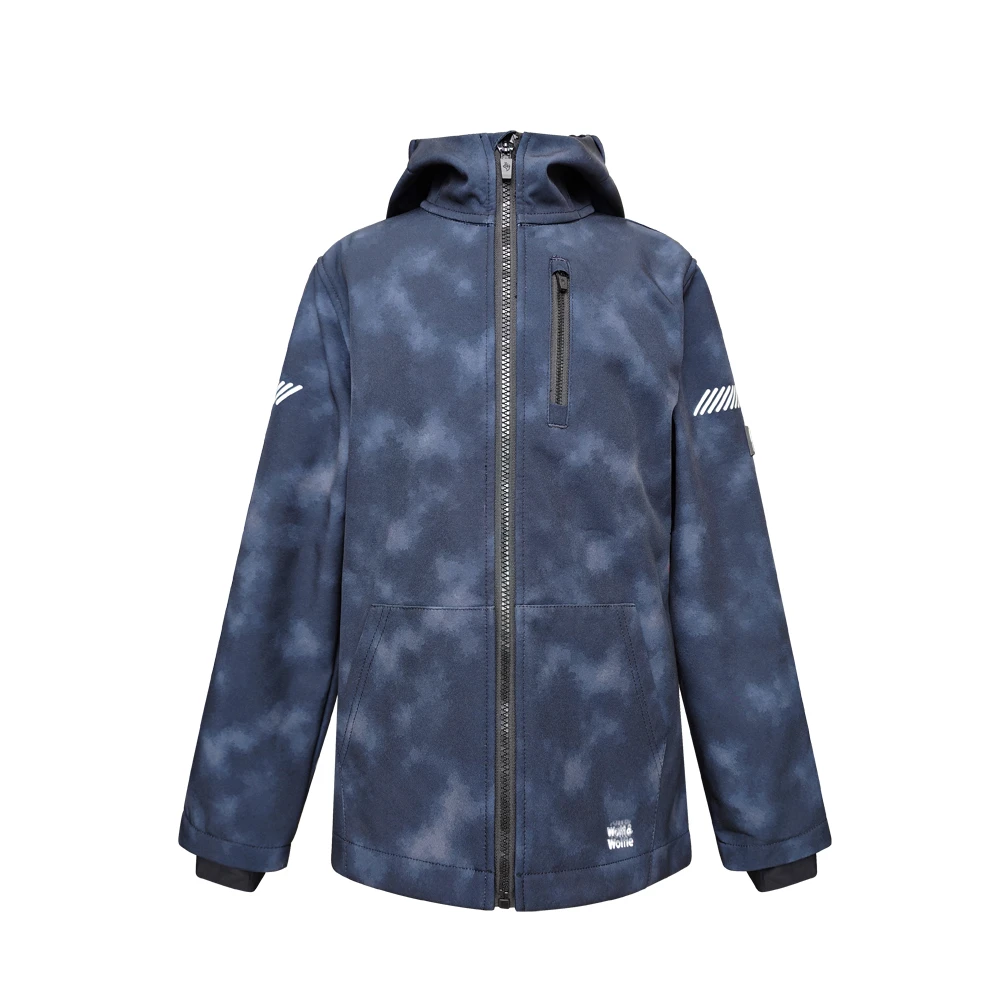
In plain terms, a hoody is a sweatshirt typically made of cotton or blended fabrics featuring a hood. It may also have a front pocket, known as a kangaroo pocket. But here’s where it gets interesting: the hoody has evolved from basic sportswear to a symbol of youth culture, streetwear, and functional gear for tradespeople, outdoors enthusiasts, and even humanitarian workers.
Its simple design masks a variety of manufacturing innovations — moisture-wicking fabrics, reinforced seams, and insulated linings are just a few examples. These adaptations help the hoody serve modern needs, in both industry and daily life, making it practically indispensable in many contexts.
Key Elements That Make the Hoody a Go-To Garment
1. Material Durability
A hoody’s fabric must withstand repeated wear and washing. Cotton-polyester blends or recycled fibers are increasingly used to enhance strength and reduce environmental footprint.
2. Comfort and Fit
A good hoody balances snugness with freedom of movement. Adjustable drawstrings and ribbed cuffs add a personal touch while improving functionality.
3. Weather Protection
Water-resistant coatings and thermal linings turn hoodies into versatile outerwear, vital for outdoor workers and adventurers.
4. Cost Efficiency
Affordable production, especially in emerging markets, allows hoody makers to keep prices accessible without compromising quality.
5. Sustainability
Innovations in sustainable fibers and eco-friendly dyes respond to industry calls for greener clothing options.
Mini takeaway: These core factors make the hoody not just a fashion statement but a practical, durable, and environmentally conscious choice in clothing.
Global Hoody Applications: From City Streets to Crisis Zones
The universality of the hoody’s design lends itself to diverse applications around the world:
- Urban Lifestyle: Young adults and professionals alike choose hoodies for comfort and casual style in cities worldwide, from London to Tokyo.
- Industrial Wear: In harsh environments such as construction sites in Canada or the cold mines of Scandinavia, hoodies equipped with extra insulation are essential.
- Humanitarian Aid: Organizations like the UN and Red Cross distribute hooded sweatshirts to refugees and disaster-affected populations as a quick way to provide warmth.
- Outdoor Sports: Athletes and outdoor enthusiasts rely on hoodies optimized for breathability and moisture control during activities like hiking or cycling.
Interestingly, the hoody also plays a role in cultural symbolism, often representing solidarity or community in social movements globally.
Tangible Benefits and Long-Term Value of Hoody Usage
Functionality aside, the hoody offers several heartfelt advantages:
- Affordability and Accessibility: For many, the hoody is an attainable piece of clothing providing warmth without major investment.
- Sustainability: The rise in recycled materials and eco-certifications make hoodies a greener option.
- Emotional Comfort: There’s something reassuring about pulling on a comfy hoody — a sense of protection and, oddly, familiarity.
- Social Impact: Distributing hooded sweatshirts in crisis zones supports dignity and morale.
Put simply, the hoody’s practical and emotional values converge to create a product that’s here for the long haul.
What’s Next? Trends and Innovations in Hoody Design
The fashion and textile world aren’t standing still. In fact, the hoody is evolving rapidly with:
- Smart textiles: Embedded sensors monitor health or temperature, integrating tech for better user experience.
- Eco-friendly fabrics: Hemp, bamboo, and recycled ocean plastics find new life in hoody production.
- Customization: Digital printing and on-demand manufacturing mean personalized hoodies are easier to get.
- Energy Efficiency: Innovations in fabric insulation reduce heating needs, contributing to sustainability efforts.
It feels like the hoody is quietly becoming a bellwether for where apparel tech meets real-world usefulness.
Common Challenges and How the Industry is Tackling Them
Despite many advances, challenges persist:
- Environmental Impact: Textile waste and labor practices still pose obstacles.
- Durability vs. Cost: Balancing quality with affordability remains tough.
- Supply Chain Transparency: Consumers demand ethical sourcing, pushing brands to be more open.
Innovative responses include circular economy initiatives, better fiber recycling technology, and certification programs — all step-by-step solutions on the horizon.
Product Specification Table: Typical Hoody Features
| Feature | Specification | Notes |
|---|---|---|
| Fabric | 60% Cotton / 40% Polyester | Durable & soft blend |
| Weight | 280 g/m² | Medium-weight for warmth |
| Hood | Double-layered with adjustable drawstrings | Enhanced protection vs weather |
| Kangaroo front pocket | Convenience & style | |
| Sustainability | Recycled polyester inclusion (30%) | Lower environmental footprint |
Vendor Comparison: Leading Players in the Hoody Market
| Brand | Sustainability Rating | Price Range (USD) | Style Variety | Global Availability |
|---|---|---|---|---|
| EcoThreads | A+ | $40 - $70 | Moderate | Worldwide |
| UrbanWear | B | $30 - $60 | Extensive | Europe & US |
| Heritage Co. | A- | $65 - $90 | Limited | Asia-Pacific |
| FlexGear | B+ | $50 - $80 | Moderate | Worldwide |
Frequently Asked Questions About Hoody
Q1: What makes a hoody suitable for industrial use?
A good industrial hoody features durable materials that resist wear, insulation for cold environments, and enhanced safety elements like reflective trims. Comfort and mobility also matter since workers need to move freely while protected.
Q2: How can I choose an eco-friendly hoody?
Look for certifications such as GOTS (Global Organic Textile Standard) or products marked with recycled content percentages. Brands committed to sustainability often disclose detailed sourcing and production practices.
Q3: Are hoodies practical in humanitarian aid settings?
Absolutely. Hoodies provide variable warmth, head protection, and ease of distribution. They’re lightweight, easy to pack, and boost morale by offering some normalcy amid crisis.
Q4: How long does a typical hoody last with normal use?
With proper care, quality hoodies can last several years. However, heavy use in harsh conditions shortens lifespan. Investing in mid- to high-grade materials can significantly extend wearability.
Wrapping Up: Why the Hoody Still Wins
There’s no denying it — the hoody is quietly universal. Its blend of comfort, function, style, and increasing sustainability reflects broader shifts in apparel and society. Whether you’re gearing up for a hike, working outdoors, or just relaxing at home, a hoody fits in seamlessly.
So next time you pull on your [hoody], remember it’s part of a global story: a story of innovation, compassion, and everyday practicality.
If you want to explore high-quality, sustainable hoodies tailored to your needs, visit our website and see how the perfect hoody can make a difference in your wardrobe and beyond.
References: