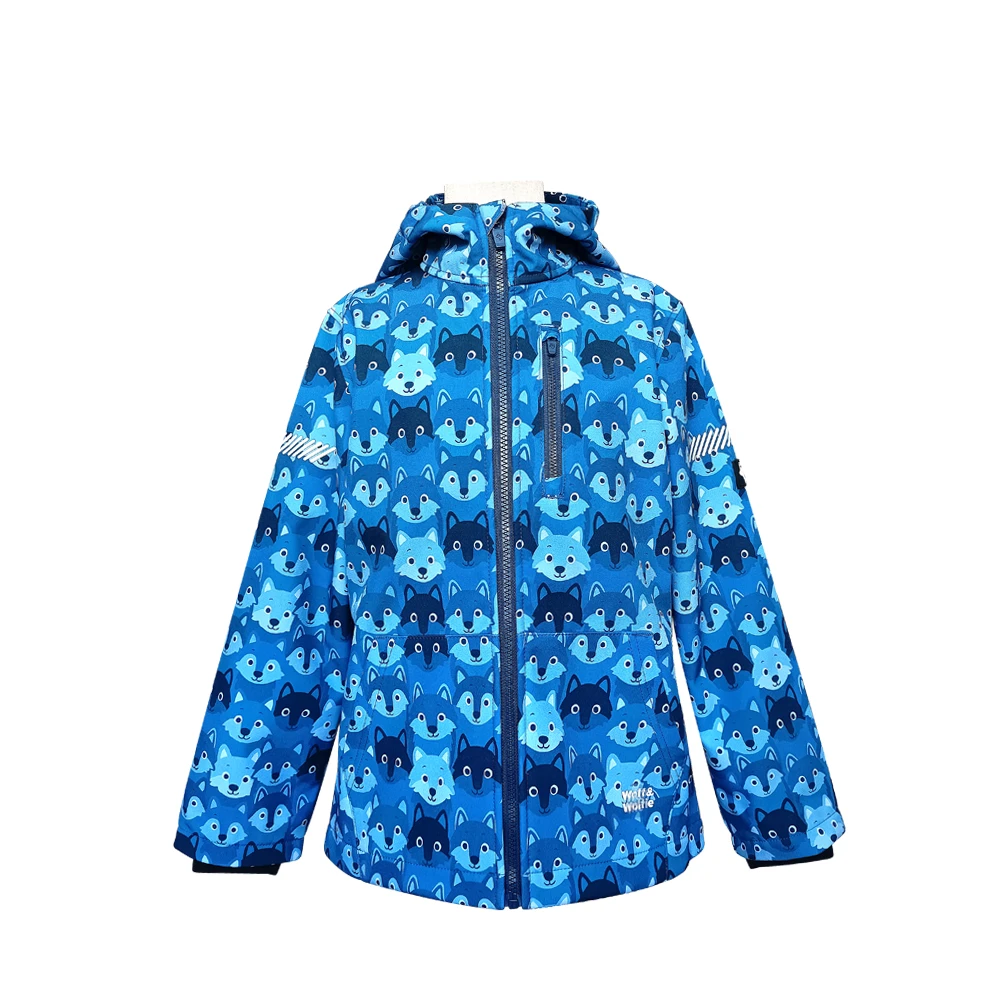
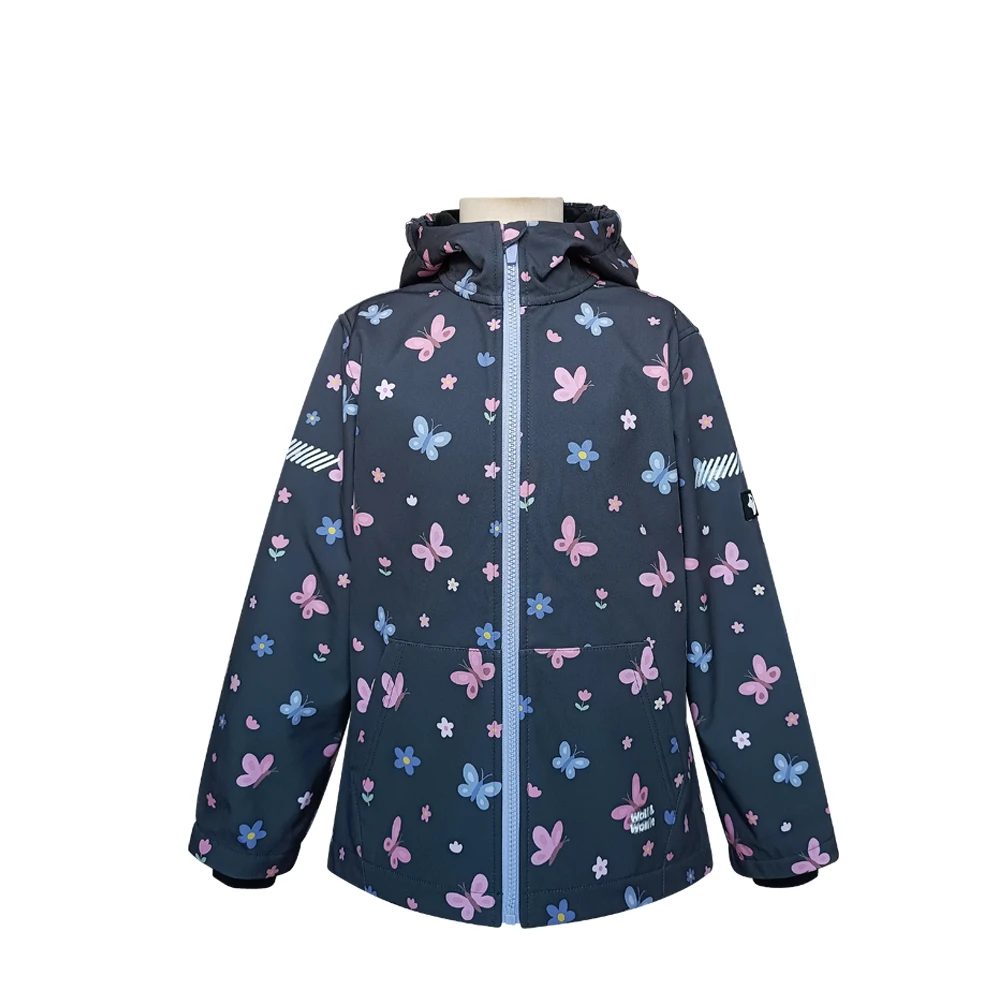
What’s All the Fuss About Softshell Jackets?
If you're someone who appreciates the blend of comfort, performance, and style in outdoor gear, you've probably heard about the softshell jacket. But beyond just being trendy attire for hikers and urban adventurers, softshell jackets represent a global shift in how we think about functional apparel. They deliver protection against wind and rain without the bulk of traditional waterproof gear, which has made them invaluable in fields ranging from humanitarian aid to industrial sectors worldwide.
Globally, the outdoor apparel market — valued at over $7 billion by recent reports — has seen a rapid surge in demand for versatile, sustainable products like softshell jackets. With climate variability increasing the unpredictability of weather, there’s an urgent need for tech-savvy clothing that can keep people safe and dry without sacrificing mobility. Frankly, understanding softshell jackets and their benefits isn't just for hikers anymore — it’s for anyone facing daily weather challenges in an eco-conscious world.
Mini takeaway: Softshell jackets aren't mere fashion statements; they address a real global need for adaptable, protective clothing that suits both harsh environments and everyday life.
What Exactly Is a Softshell Jacket?
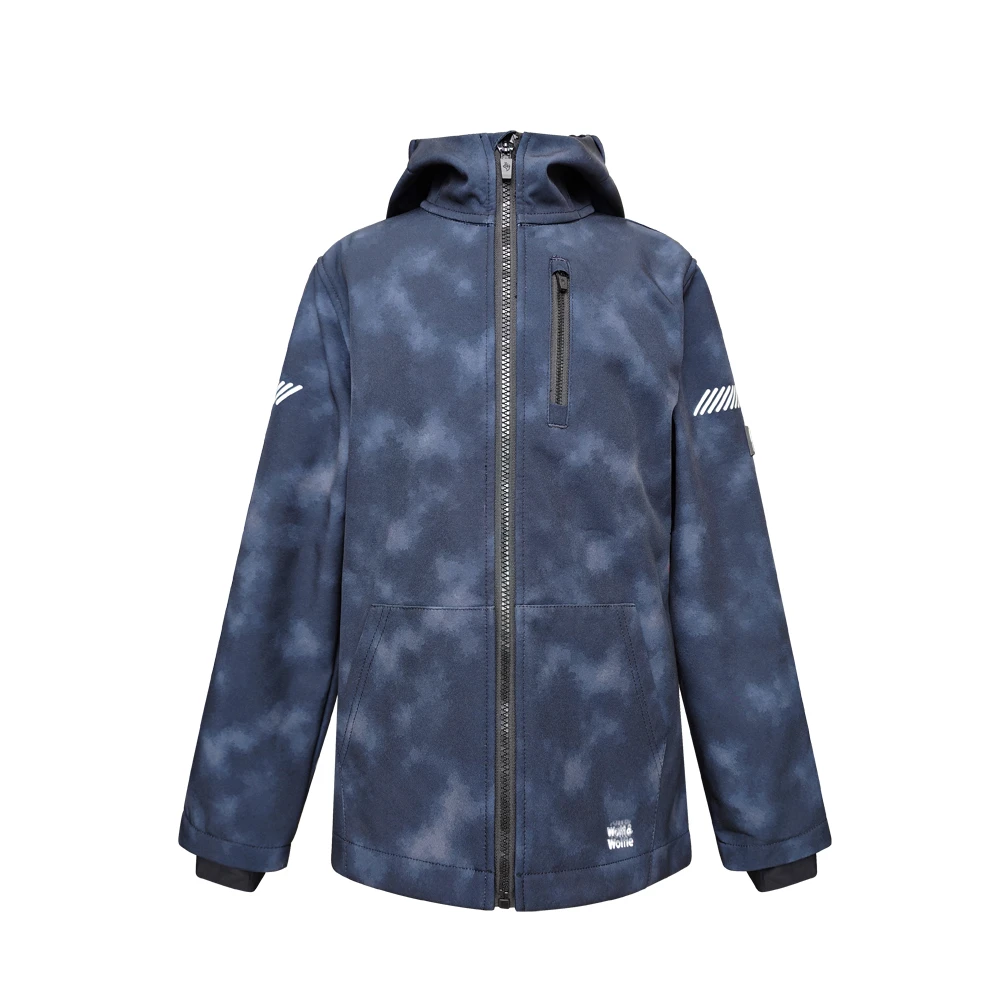
Let’s break it down simply: a softshell jacket is a mid-layer or outerwear piece made from woven fabric that offers wind resistance, water repellency, and excellent breathability without being fully waterproof like hardshell jackets. Imagine a hybrid between your favorite fleece and a rain jacket — the material is stretchier and lighter, designed for active movement.
In modern industries, this combination makes softshell jackets a staple. For humanitarian workers in remote areas, they offer warmth and protection without overheating; for industrial workers, they combine durability with flexibility. Oddly enough, they’ve grown critical in disaster relief operations where quick-moving teams need clothing that supports agility and protection.
Mini takeaway: Softshell jackets are smartly designed fabrics balancing weather defense and breathability, tailored for active, demanding real-world use.
Key Features That Make Softshell Jackets Tick
1. Water Resistance Without the Weight
Unlike traditional rainwear, softshell jackets use tightly woven fabrics with DWR (durable water repellent) coatings to shed light rain and snow. This means you can stay dry in intermittent showers without the clamminess of full waterproof layers.
2. Windproofing Meets Flexibility
Many softshell jackets block wind effectively but stretch as you move — a big plus over stiff hardshell alternatives. This is especially true for jobs or sports that demand range of motion.
3. Breathability for Comfort in Action
Thanks to fabrics like Polartec NeoShell or proprietary blends, softshell breathable tech wicks sweat efficiently. For anyone exerting energy outdoors or working hard in industrial scenarios, this keeps the wearer from feeling soaked inside.
4. Durability At Its Core
Softshell fabrics often include abrasion-resistant layers or reinforced zones, so they withstand rugged use. Think climbing teams, military outfits, or field engineers in harsh environments.
5. Versatile Layering Options
Softshell jackets work excellently as standalone pieces in mild conditions or as part of layering systems when temperatures drop.
6. Style Meets Practicality
Many manufacturers now offer sleek designs that transition effortlessly from outdoor escapades to urban settings — a blend that’s growing increasingly popular.
Mini takeaway: Softshell jackets excel through a thoughtful blend of water repellency, windproof comfort, breathability, and durability — making them practical multipurpose garments.
Where Softshell Jackets Make a Real Difference Globally
These jackets aren’t just popular in North American hiking trails. In fact, they’ve found vital applications in diverse contexts worldwide:
- Disaster Response & Humanitarian Aid: In regions prone to floods or storms — Southeast Asia, parts of Africa, and South America — responders rely on softshells to keep warm and agile amid challenging weather conditions.
- Industrial & Construction Sites: Workers in cold, windy environments like Northern Europe or Canada favor softshell jackets for their blend of ruggedness and mobility.
- Military & Law Enforcement: Tactical units appreciate the jackets’ adaptive layering strategy, allowing quick transitions between rest, patrol, and action.
- Outdoor Sports & Adventure Tourism: Whether in Patagonia or the Alps, softshells are the go-to for climbers, skiers, and trekkers needing versatile gear.
It’s fascinating how a single garment concept bridges such varied uses — truly confirming its global relevance.
Mini takeaway: Softshell jackets serve multiple sectors and regions by offering a practical, versatile solution where reliable weather protection meets active lifestyles.
Product Specifications: A Snapshot
| Specification | Typical Details |
|---|---|
| Fabric Composition | Polyester/Spandex blend with DWR coating |
| Water Resistance | Light rain and snow (not waterproof) |
| Wind Resistance | High; windproof membrane often included |
| Breathability (MVTR) | 10,000 - 20,000 g/m²/24h |
| Weight | 350-450 grams (medium size) |
| Stretch | Yes, 4-way stretch for mobility |
| Typical Price Range | $120 - $250 USD |
Comparing Leading Softshell Jacket Vendors
| Vendor | Target Market | Unique Selling Point | Sustainability |
|---|---|---|---|
| Alpine Pro Gear | Outdoor enthusiasts, climbers | High breathability membranes, lightweight design | Uses recycled fabrics, PFC-free DWR |
| FieldTech Wear | Industrial, military, tactical users | Reinforced durability, multi-pocket designs | Limited eco initiatives, focused on durability |
| EcoTrail Apparel | General outdoor, urban wear | Fashion-forward, sustainable materials | Fully organic fabrics, transparent supply chain |
| SummitWear Collective | Adventure & expedition professionals | Customizable fit systems, weather adaptive tech | Invests in carbon offset projects |
Advantages & Long-Term Value
If you’ve ever wrestled with bulky or clammy rain gear, you’ll understand why softshell jackets have gained a loyal following. Their advantages are practical but also emotional: the confidence of knowing you’re protected when you face cold winds or unpredictable rain, all while feeling unrestricted.
From a sustainability perspective, many manufacturers have shifted to eco-friendly coatings and recycled textiles, reducing toxic chemical runoffs (think of the impact on water supplies). Economically, while initial costs might be slightly higher, the durability and versatility mean fewer replacements — a definite win for cost-efficiency over time.
Socially, providing aid workers and outdoor professionals with reliable gear improves safety, productivity, and overall wellbeing. In some ways, it’s about dignity — the comfort and function softshell wear provides enables people to work and explore without constantly battling the elements.
Mini takeaway: Softshell jackets combine logical benefits with intangible ones — trust, comfort, and the subtle boost of safety that comes with dependable gear.
Looking Ahead: Future Trends & Innovations
With textile science evolving rapidly, the future of softshell jackets is exciting. Expect more integration of bio-based fibers, advanced nano-coatings eliminating the need for chemical DWR treatments, and smart fabrics that respond dynamically to temperature and moisture.
Further, sustainability will remain front and center, with brands pushing circular economy models: jackets designed for easy recycling or repurposing. Digital transformation enables customized fits using 3D body scans, making mass-produced gear feel tailored.
Automation in production helps lower carbon footprints, and partnerships with certification bodies like ISO 14000 ensure environmental management standards are met — all pointing to a greener, smarter softshell jacket landscape.
Challenges & Solutions in Softshell Jacket Use
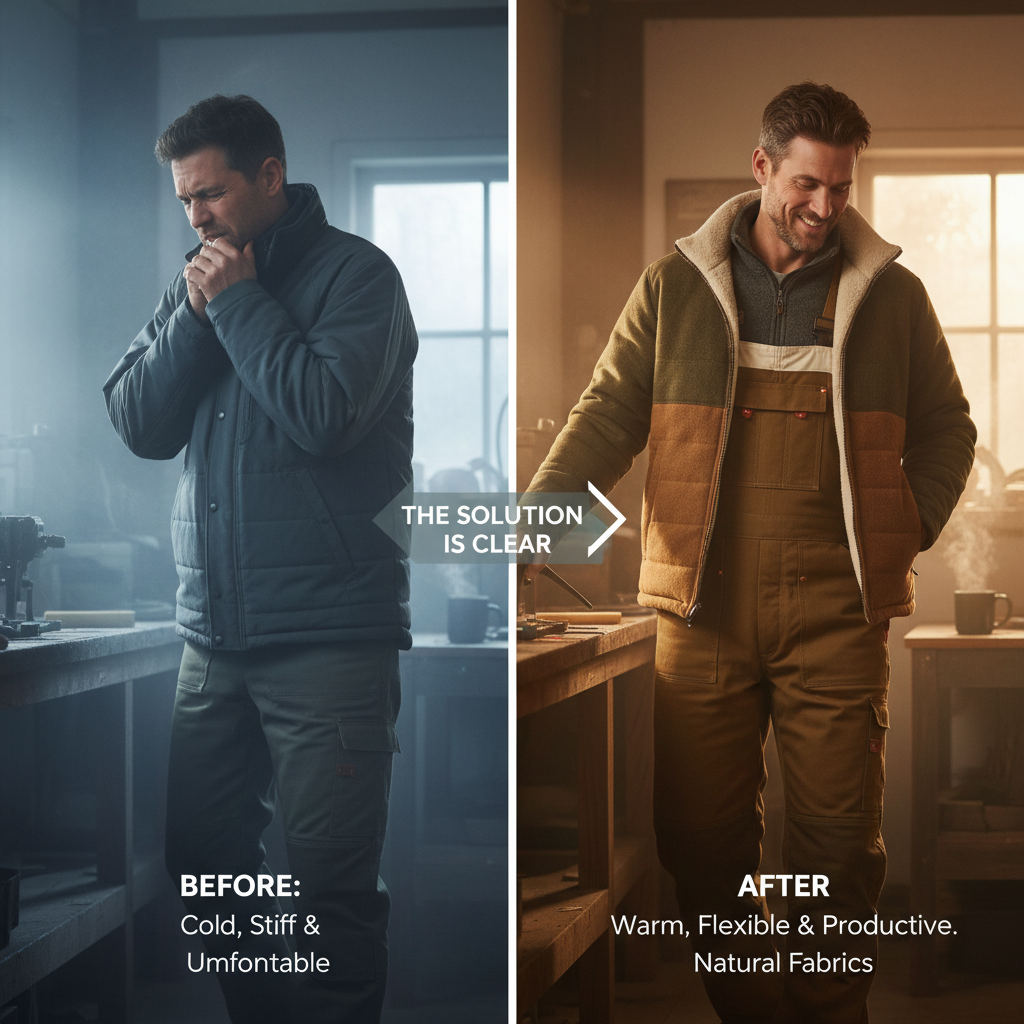
They’re not perfect. Some users report that softshell jackets aren’t quite waterproof enough in heavy, sustained rain, which remains a tradeoff for breathability. Others mention wear after extensive abrasion in certain work environments.
But clever multi-layer systems and emerging hybrid fabrics (think softshell + membrane combos) increasingly address these. Some companies now make modular jackets with removable liners or adjustable ventilation zones. And waterproofing treatments improve year-over-year — it’s kind of a moving target for manufacturers.
FAQs: Your Burning Questions on Softshell Jackets
- Q: How water-resistant is a softshell jacket compared to a hardshell?
- A: Softshell jackets resist light rain and snow with DWR coatings but aren’t fully waterproof like hardshells, which use waterproof membranes. They're best for activities where breathability and mobility come first, and wet conditions are brief.
- Q: Are softshell jackets suitable for high-intensity activities?
- A: Absolutely. Their breathability and stretchy fabric make them excellent for hiking, climbing, or fieldwork where you generate heat but need wind and light water protection.
- Q: Can softshell jackets be machine washed without losing their features?
- A: Yes, but it's crucial to follow care labels. Use gentle detergents, avoid fabric softeners, and reapply DWR treatment periodically to maintain water repellency.
- Q: What environmental certifications should I look for when buying?
- A: Look for bluesign® approval, OEKO-TEX certification, and adherence to ISO 14000 environmental standards for textile products.
- Q: How do I choose the right softshell jacket for work versus leisure?
- A: For work, prioritize durability, reinforced areas, and functional pockets. For leisure, focus on weight, breathability, and style. Some hybrid models cover both.
Wrapping Up: Why Softshell Jackets Are a Smart Investment
In a nutshell — softshell jackets are much more than just trendy coats. They’re engineered garments designed with a global, practical mindset, offering the kind of protection and comfort that modern outdoor, industrial, and relief workers legitimately need. Their blend of durability, breathability, and weather protection strikes a rare balance in apparel tech.
If you’re curious or ready to upgrade your outerwear wardrobe with something that offers versatility, sustainability, and style all wrapped into one, be sure to check out our curated collection at softshell jackets. Trust me, your next adventure (or workday) will thank you.
Until next time — stay warm, stay dry, and keep moving.
References: