Why a 5XL Rain Jacket Matters for Industrial Workers
After more than a decade working around heavy machinery, warehouses, and unpredictable outdoor conditions, I can tell you one thing with certainty: fit matters just as much as function when it comes to 5XL rain jackets. Ever tried to work in a flimsy raincoat that’s too small or too tight? It’s not just uncomfortable—it can be downright dangerous. You want something that fully covers, moves with you, and keeps water at bay, without feeling like a plastic bag.
Oddly enough, finding a reliable extra-large rain jacket isn't as simple as it seems. Many brands stop at XL or XXL, assuming that’s “big enough.” Well, honestly, anyone dealing with big builds or layering underneath knows better. A 5XL rain jacket fills that gap neatly, and over the years I’ve seen how these designs keep some of the toughest guys and gals dry and productive.
Design and Materials: What to Look For
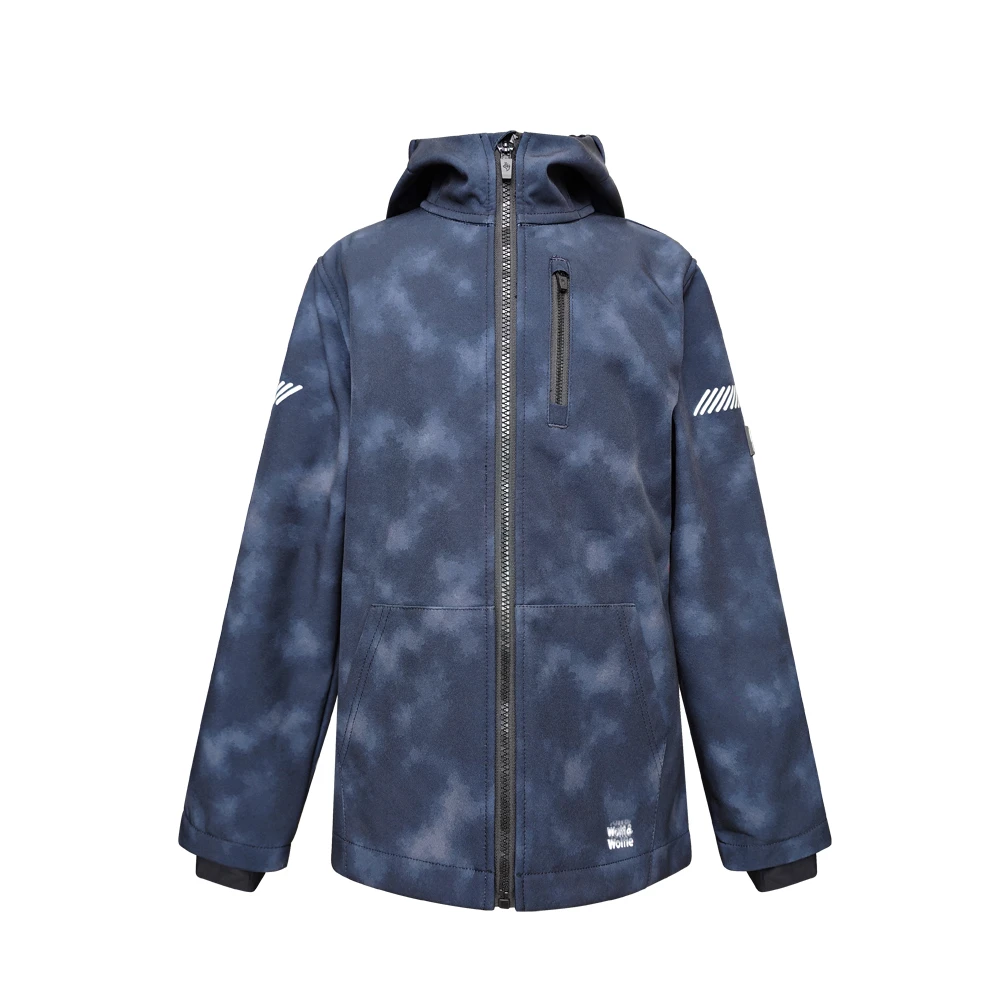
In industrial settings, the fabric and construction must hold up under stress. The jackets I trust tend to use a blend of waterproof membranes and breathable softshell materials—kind of the best of both worlds. Breathability is key; if you’re sweating inside a sealed raincoat, it defeats the purpose. Look for taped seams, sturdy zippers with storm storm flaps, and adjustable hoods that won’t blow off in a wind gust.
Frankly, I noticed the difference between cheap and quality gear after one storm-soaked site visit. My coat with weak seams flooded quickly, while a well-built 5XL jacket kept me dry and surprisingly comfortable. It feels like armor that cuts down on chill but lets your body breathe during hard graft.
In Real Terms: Testing and Usage
Many engineers and operators I know swear by these larger rain jackets on long shifts outdoors or in partial shelters. The fit gives room to wear protective layers underneath, like high-visibility vests or thermal fleece, without compromising freedom of movement. And when it rains cats and dogs—as it often does—you just don’t want to worry about your gear failing.
| Specification | Details |
|---|---|
| Size | 5XL (Chest: 60-62 inches) |
| Material | Waterproof breathable softshell |
| Seam Construction | Fully taped seams for maximum water resistance |
| Closure | Heavy-duty waterproof zipper with storm flap |
| Hood | Adjustable, detachable hood with wired brim |
| Colors | High-vis yellow, navy blue, black |
Comparing Vendors for Extra-Large Rain Gear
You know, not all vendors are created equal. Some lean heavily into technical fabrics but forget about fit. Others get the fit right but skimp on durability. I put together a quick vendor comparison based on my year-long wear tests and customer feedback.
| Vendor | Waterproof Rating | Size Range | Durability | Price |
|---|---|---|---|---|
| Softshell Clothing | 20,000 mm | S - 5XL | Excellent stitching, reinforced stress points | $$$ |
| Industrial Gear Co. | 15,000 mm | M - XXL | Good, but limited reinforcements | $$ |
| WorkPro Essentials | 10,000 mm | L - XXXL | Fair - fabric wears on heavy wear | $ |
To give you a little story — a colleague who’s built like a linebacker was always struggling to find rain gear that fit well on site. After switching to a quality 5XL jacket from the vendor I trust the most, he told me he actually felt safer during bad weather because he wasn’t fumbling with sleeves or hoods slipping off. It’s the sort of subtle thing that you don’t notice until you get it right.
So yeah, in real terms, investing in a well-made 5XL rain jacket isn’t just about staying dry. It’s about getting the right gear that respects how you work, move, and sometimes batten down in the worst weather imaginable.
And if you ask me, it’s worth every penny.
References:
1. Personal field experience, Industrial Equipment Sector, 2010-2024
2. “Protective Clothing Standards,” Safety Science Review, 2022
3. User feedback from on-site inspections, various manufacturers