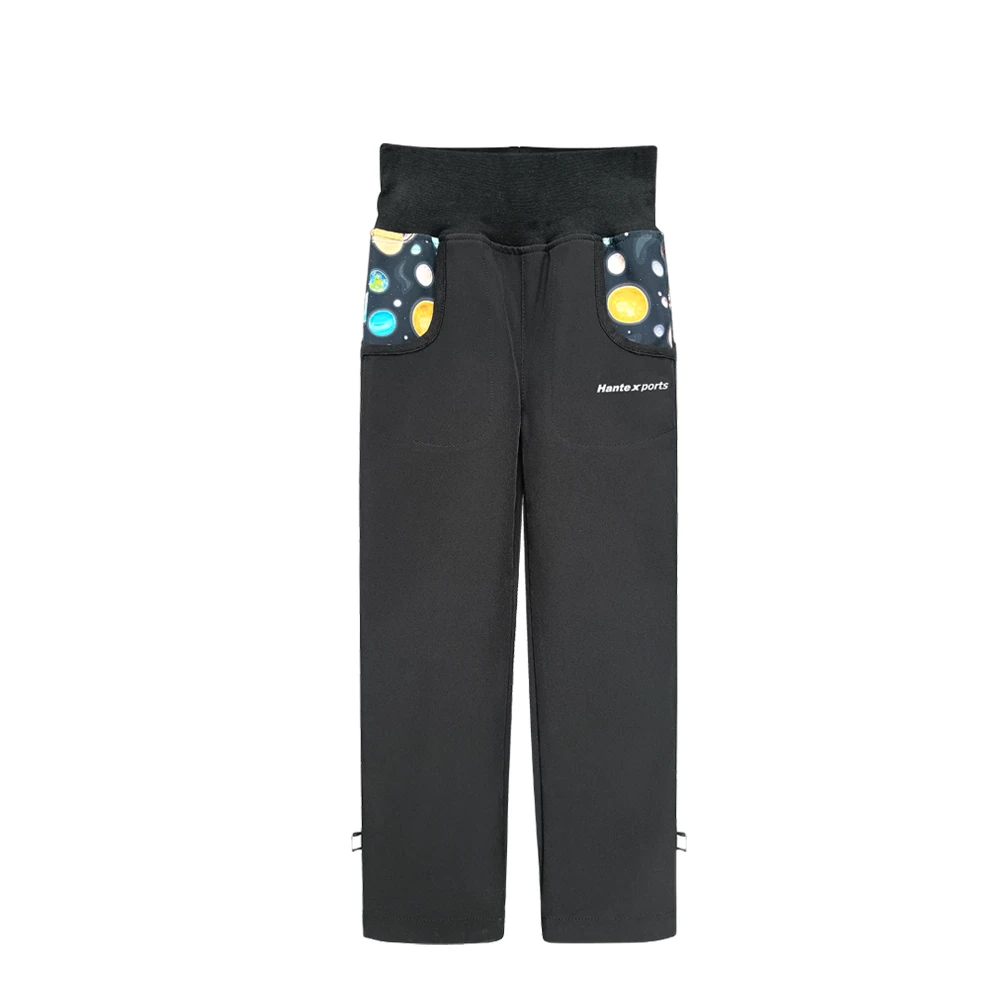
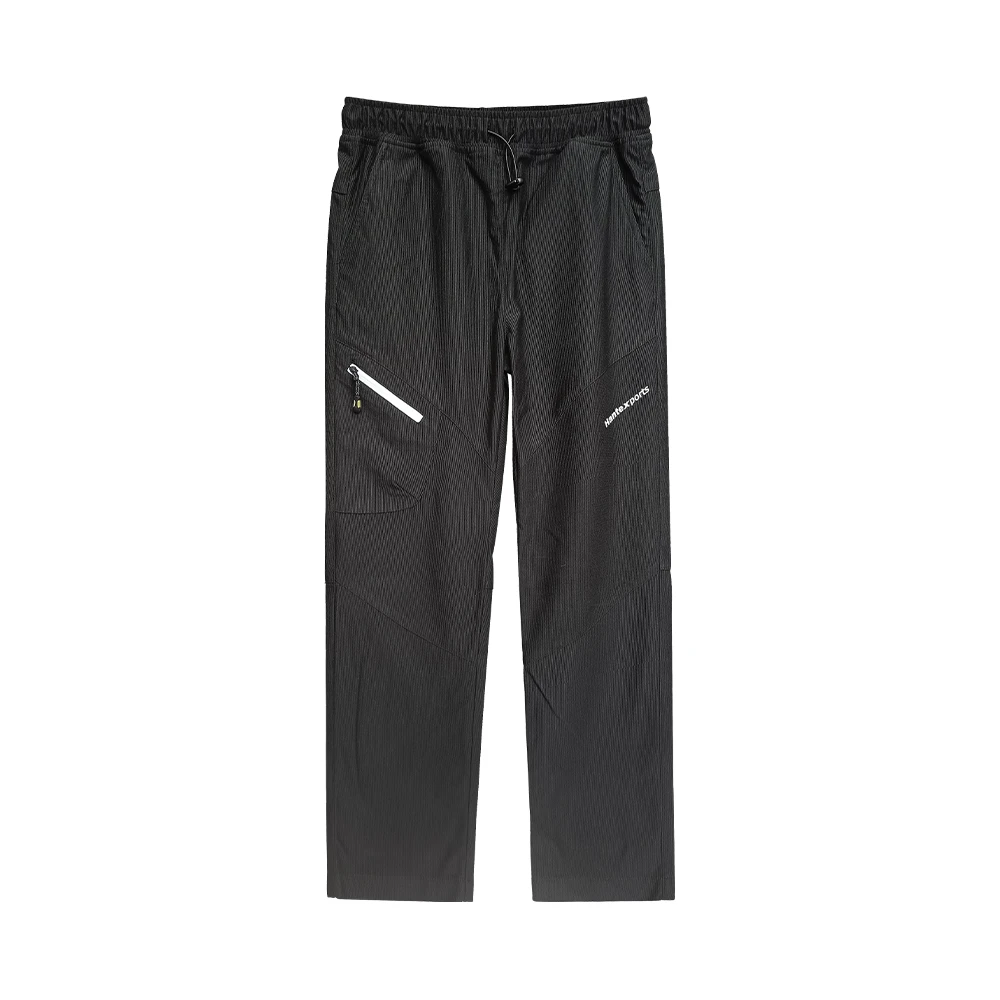
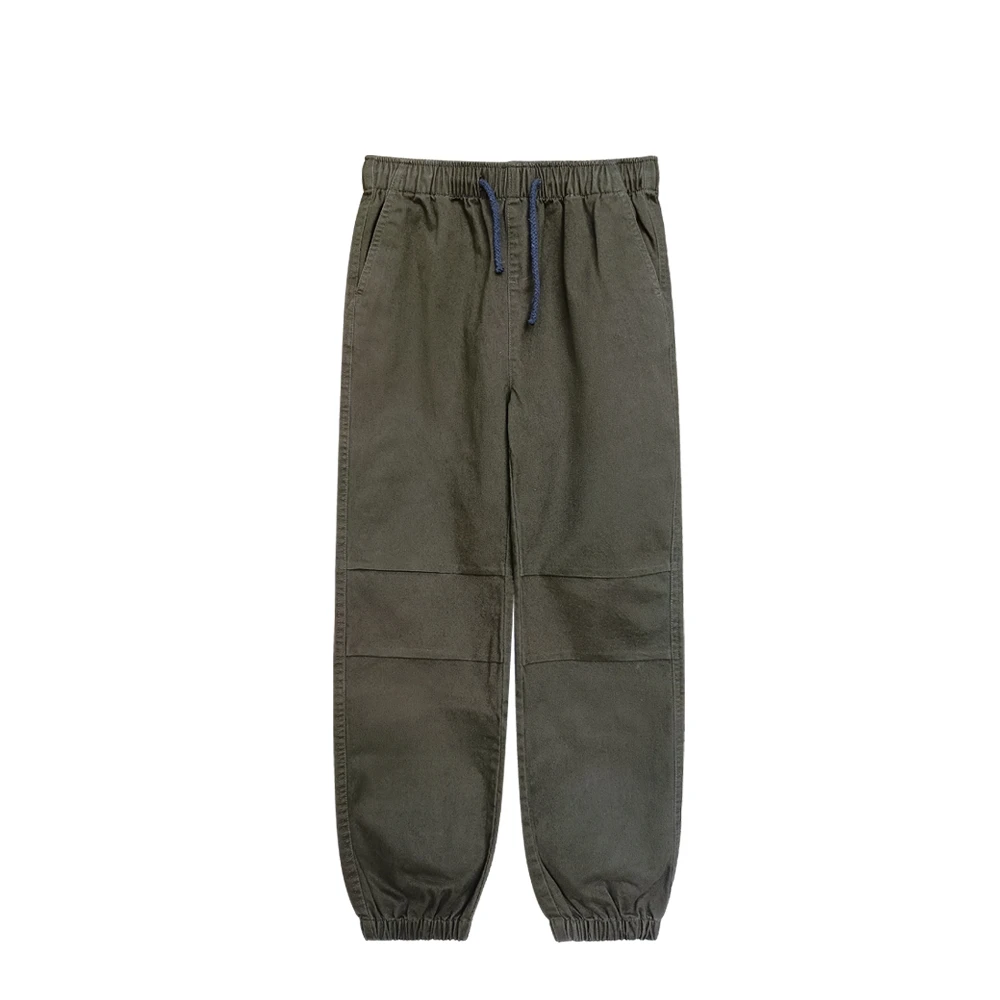
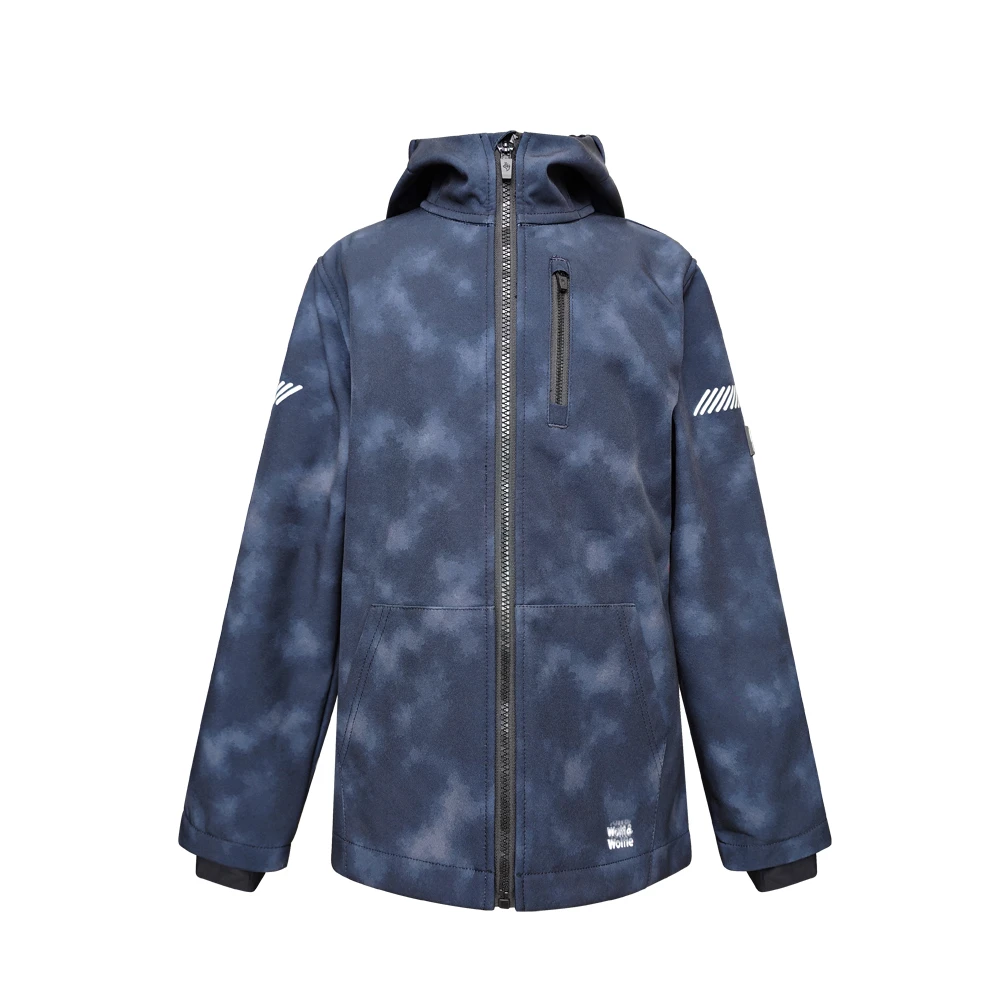
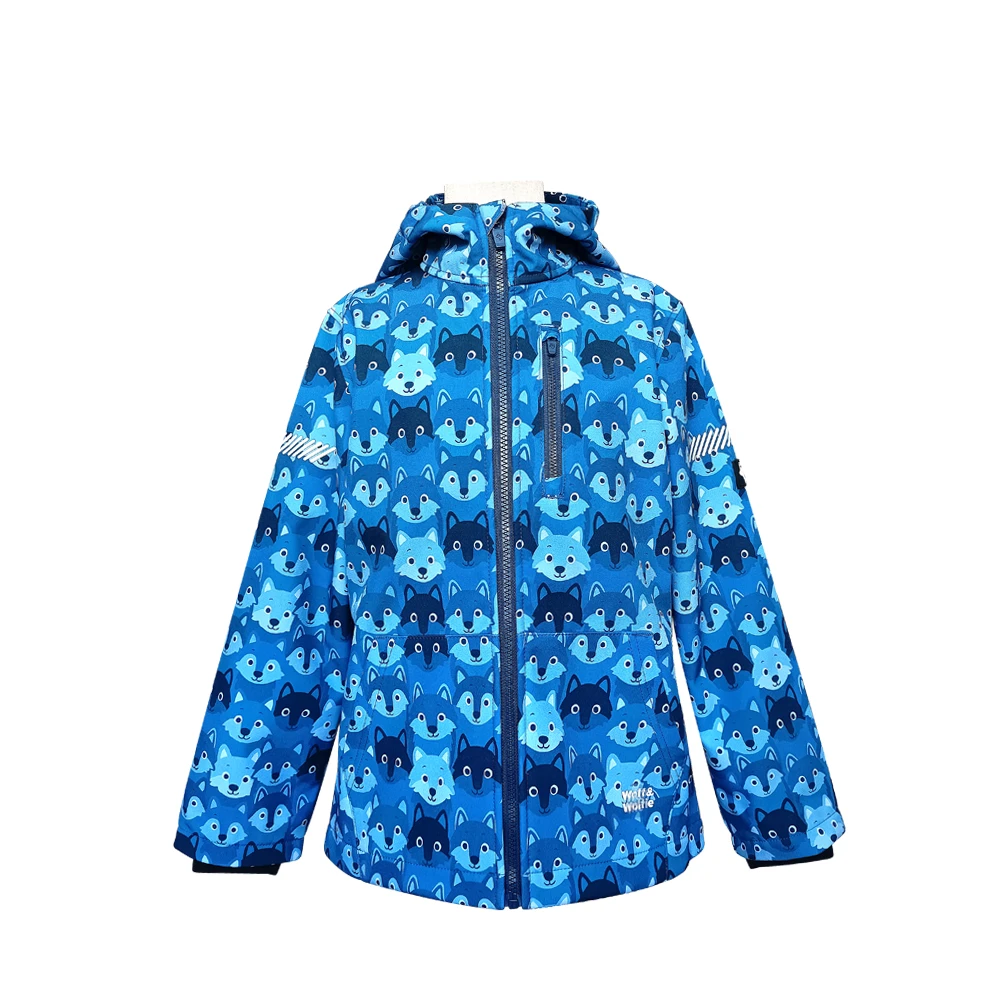
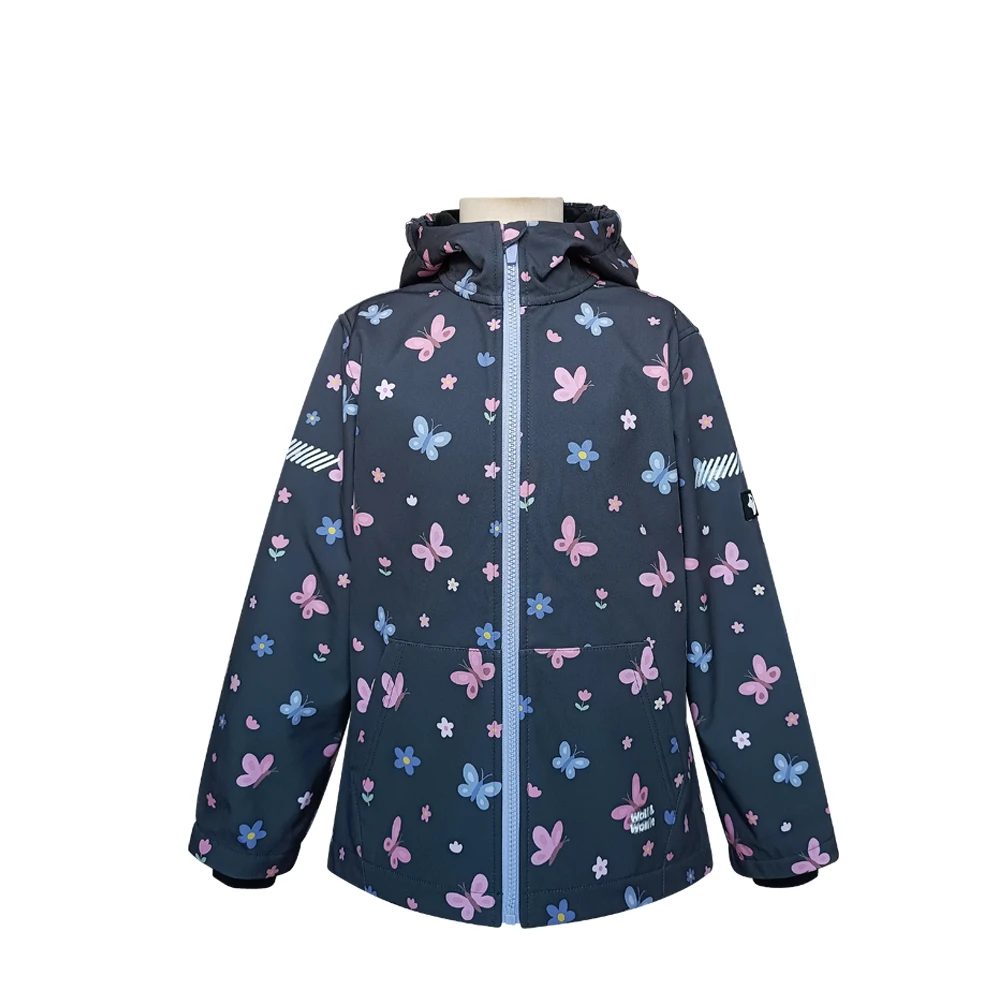
Boys Rain Coat: Essential Outerwear for Weather-Ready Kids
Kids and rain—it's practically a classic combination. And when it comes to keeping them dry and comfortable, the boys rain coat isn’t just nice to have, it’s indispensable. Globally, weather patterns are shifting, and unpredictable storms are becoming a norm in many regions—from Northern Europe’s damp chill to the monsoonal bursts in South Asia. Understanding what makes a quality boys rain coat matters more than ever, especially for parents and organizations aiming to protect their children’s health, comfort, and well-being.
Global Relevance and the Challenge of Kid-Friendly Rainwear
According to a 2023 United Nations report, climate variability is increasing the frequency of sudden downpours and flooding in urban and rural areas alike (1). This means more children are exposed to wet conditions, which can be a source of discomfort and illness. But the problem isn’t just about staying dry — it's also about providing durable, breathable, and safe garments that kids can wear without fuss. Boys rain coats fill this vital gap with a blend of smart fabric technology, thoughtful design, and affordability. Oddly enough, while the market is flooded with options, many coats still miss the mark in one way or another: too stiff, not waterproof enough, or simply not child-friendly in style or fit.
What Exactly is a Boys Rain Coat?
Simply put, a boys rain coat is a water-resistant outer garment designed specifically for children, typically boys, to protect them from wet weather. But it’s more than just a plastic poncho or a loose jacket; the best boys rain coats combine waterproof materials with comfort features like adjustable hoods, seam sealing, and breathable fabrics. These coats cater to active kids – from school playgrounds to weekend hikes – meeting both functional and aesthetic needs. And beyond the family closet, these coats often factor into broader humanitarian or school uniform contexts, where reliable protection against water translates into healthier, happier kids.
Core Components of a Quality Boys Rain Coat
1. Waterproof Material
The heart of any raincoat’s function is its fabric. Commonly, manufacturers use polyurethane (PU) or polyvinyl chloride (PVC) coatings, combined with synthetic materials like nylon or polyester. Advanced options include breathable membranes such as Gore-Tex, allowing sweat to escape while blocking rain.
2. Durability
Children can be tough on clothes. The rain coat must resist tearing and abrasion — a key reason why ripstop nylon or reinforced seams are often incorporated. Durability ensures good value and long-term usability.
3. Comfort and Fit
A coat that fits well encourages kids to keep it on. Adjustable cuffs, hoods, and collars help with that, alongside lightweight design that doesn’t restrict movement.
4. Safety Features
Visibility in poor weather is critical. Reflective strips or bright colors improve safety, particularly for children walking near traffic.
5. Ease of Maintenance
Machine-washability and quick-dry properties mean parents won’t dread washing day, making the coat more practical.
| Feature | Description | Why It Matters |
|---|---|---|
| Waterproof Fabric | Nylon with PU coating or Gore-Tex | Keeps children dry in heavy rain |
| Durability | Ripstop fabrics and reinforced seams | Withstands rough play and extended use |
| Comfort Features | Adjustable cuffs, lightweight design | Encourages kids to wear it willingly |
| Safety | Reflective stripes and bright color options | Increases visibility during low light |
| Maintenance | Machine wash and quick dry enabled | Ease for parents, durability over time |
Global Reach: Where Boys Rain Coats Make a Difference
In Europe’s rainy northwest or the monsoon-swept regions of Asia, these coats are a staple for families and schools. But it’s not just about everyday wear. In fact, humanitarian groups often stockpile boys rain coats for emergency relief kits. After floods or storms in places like Bangladesh or the southern U.S., keeping children dry isn’t a trivial matter—it’s a public health priority. Some organizations even supply raincoats as part of education initiatives, so kids can attend school uninterrupted by weather.
Advantages: More Than Just Staying Dry
- Cost-effectiveness: Durable rain coats reduce repeated purchases, meaning they’re good for family budgets.
- Sustainability: Increasingly, brands incorporate recycled materials and non-toxic coatings, responding to environmental concerns.
- Safety: Reflective elements and bright hues increase visibility around busy roads.
- Emotional comfort: Knowing their child is protected brings peace of mind to parents.
At the same time, innovation adds an element of trustworthiness—coats are tested for water resistance to standards like ISO 811, and manufacturers are adopting eco-certifications, which frankly boosts confidence significantly.
Innovations and Trends in Boys Rain Coats
Brands are moving toward smarter fabrics — think lightweight, breathable membranes that don’t trap heat, and coatings free of harmful chemicals. There’s also an interesting shift toward biodegradable or fully recycled rainwear, driven by consumer demand for sustainability. Oddly enough, some companies have started integrating digital features like QR codes on labels for garment care instructions or even interactive kids’ stories accessible via smartphone apps.
Challenges and How the Industry is Addressing Them
It’s tough to balance waterproofing with breathability—too much waterproof coating and the coat feels clammy; too little and kids get wet inside. Manufacturers tackle this by layering fabrics and improving seam sealing techniques. Cost remains a challenge for higher-tech options, so there’s ongoing research to make durable, sustainable fabrics affordable. Sizing variability and fashion appeal for boys of different ages also require careful design iterations.
FAQ: Common Questions About Boys Rain Coats
- What makes a boys rain coat truly waterproof?
- A waterproof raincoat typically uses fabrics coated in polyurethane or similar materials, with sealed seams to prevent water penetration. Breathable membranes like Gore-Tex add comfort without sacrificing protection.
- How can I tell if a raincoat is breathable?
- Check product specs or labels for mentions of breathable membranes or moisture-wicking layers. Consumer reviews often highlight if a coat feels clammy or comfortable during active use.
- Are boys rain coats machine washable?
- Most modern raincoats are machine washable, but it’s crucial to follow care instructions to maintain waterproof coatings. Quick drying fabrics help after washing.
- How long does a typical boys rain coat last?
- With regular use, a quality raincoat can last a few years, depending on size and wear. Durable materials like ripstop nylon and reinforced seams extend lifespan.
- Can a boys rain coat be reused or recycled?
- Some brands now offer recyclable raincoats made from recycled or recyclable materials. Reuse is encouraged through resale or donation to community groups.
Vendor Comparison: Popular Boys Rain Coat Brands
| Brand | Waterproof Rating | Durability | Sustainability | Price Range |
|---|---|---|---|---|
| RainPro Kids | 15,000 mm | High (ripstop nylon) | Uses recycled fabrics | $40-$60 |
| H2O Junior | 10,000 mm | Moderate | Partial recycled content | $30-$50 |
| EcoRaindrop | 12,000 mm | High | 100% recycled | $50-$70 |
In Closing: Long-Term Value of a Boys Rain Coat
Choosing the right boys rain coat means investing in more than just dry days. It’s about safety, comfort, and a subtle kind of confidence that lets kids enjoy the outdoors without worry. And frankly, with shifts in global climate and unpredictable weather, it’s a practical step parents and organizations alike must take. Whether you’re after reliability, sustainability, or style, the right rain coat has your child covered.
If you want to explore options or need reliable, high-quality boys rain coat, be sure to visit our website for an extensive range designed with kids in mind.
Stay prepared, and let the rainy days be just another chance for adventure.
Quick Takeaways:
- Boys rain coats combine waterproof technology with comfort and safety features.
- Durable materials and design extend lifespan, improving value for families.
- Global weather shifts increase the importance of reliable children's rainwear.
- Innovations are making rain coats more sustainable and interactive.
1. United Nations Climate Report, 2023. UN Climate Change
2. ISO 811:2018 – Textiles – Determination of waterproofness. ISO
3. Outdoor Industry Association, 2022 Market Report. OIA