Discovering the Charm and Utility of the Cotton Nehru Jacket
When you think about a cotton nehru jacket, you might picture the iconic silhouette inspired by Jawaharlal Nehru, India’s first Prime Minister, marrying tradition with modern flair. But this jacket isn’t just a style statement; it stands at the crossroads of culture, sustainability, and practicality. Understanding its significance globally opens doors to appreciating how a simple garment can reflect heritage while addressing modern-day needs such as environmental consciousness and versatile fashion.
Introduction: Why the Cotton Nehru Jacket Matters Globally
Globally, the fashion industry is reckoned as one of the largest polluters, responsible for significant water consumption and textile waste (UN Environment Programme, 2018). Against this backdrop, cotton—the most widely used natural fiber worldwide according to the International Cotton Advisory Committee—stands out for its biodegradability and breathability. The cotton nehru jacket, combining traditional design with sustainable fabric, is gaining traction in markets from Asia to Europe and North America.
Yet, challenges remain. Fast fashion often overwhelms local crafts, threatening artisanal skills. The cotton nehru jacket exemplifies a way to preserve cultural craftsmanship while meeting contemporary demands for eco-friendly apparel.
What Exactly is a Cotton Nehru Jacket?
At its core, the cotton nehru jacket is a hip-length, collarless jacket featuring a mandarin collar—commonly called the Nehru collar—cut typically from 100% breathable cotton. The material choice makes it comfortable in warm climates and offers a more sustainable alternative compared to synthetic blends. Often paired with kurta pajamas or western trousers, this jacket straddles formal and casual wear, suitable for diverse occasions including work, festivals, and conferences.
In many ways, it represents an ideal intersection of heritage fashion and practical, environmentally mindful choices important for cultural industries and humanitarian sectors alike.
Key Factors Behind the Cotton Nehru Jacket’s Appeal
Durability and Comfort
Cotton is naturally soft, breathable, and durable if woven right. The nehru jacket design complements this, offering ease of movement without sacrificing sophistication—perfect for those long days running meetings or cultural events.
Sustainability
Unlike synthetic fibers that contribute to microplastic pollution, cotton biodegrades, minimizing landfill impact. Organic cotton variants further reduce pesticide use, aligning with global eco-conscious movements.
Customization and Cultural Significance
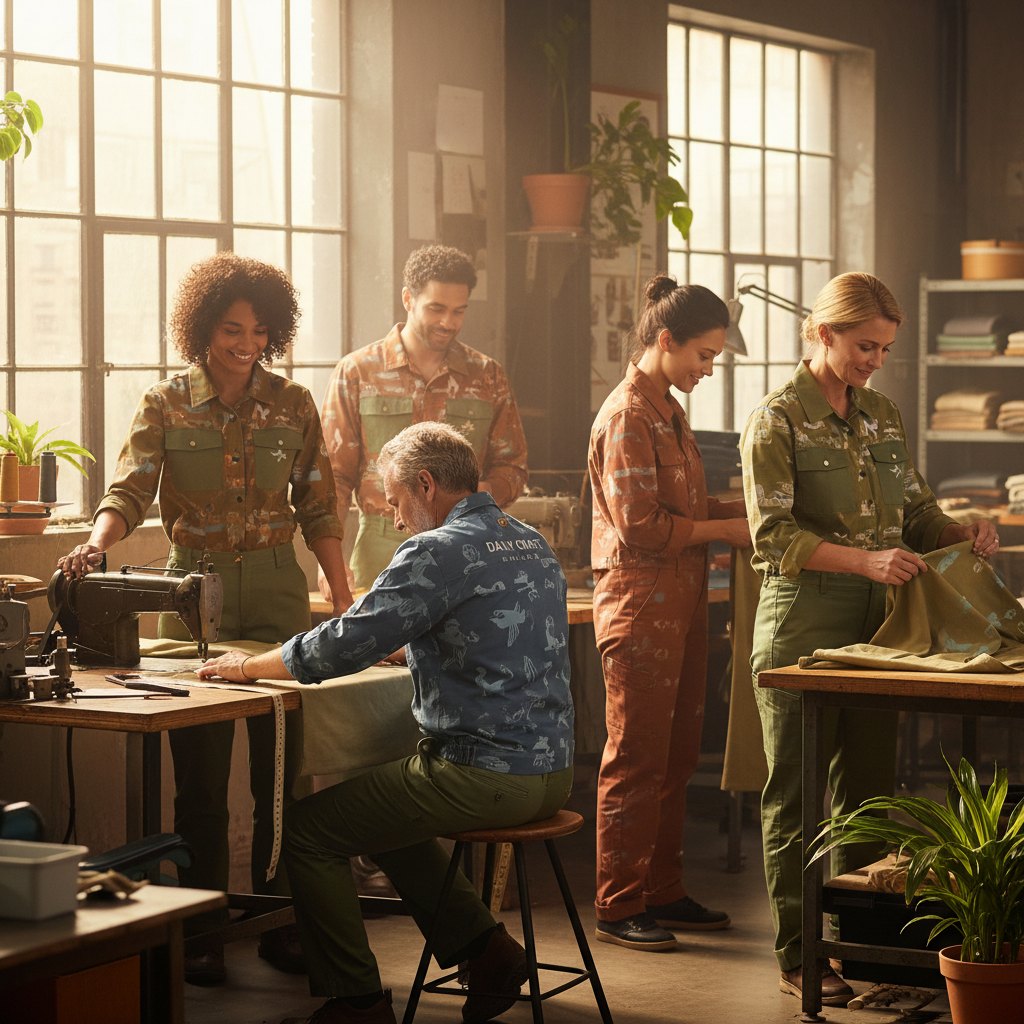
The jacket often reflects regional embroidery, weave patterns, or dyeing techniques—making each piece unique and supporting local artisans. Wearing one can feel like carrying legacy and craftsmanship with you.
Cost-Efficiency
While premium cotton nehru jackets might command a higher retail price than mass-produced polyester blazers, their longevity and versatility make them economical over time. Plus, they rarely go out of fashion.
Scalability in Production
Small-scale weavers and textile cooperatives can meet growing demand without resorting to mass industrialization, which helps sustain community livelihoods and keeps environmental footprints manageable.
Table: Key Specifications of a Typical Cotton Nehru Jacket
| Specification | Details |
|---|---|
| Material | 100% Cotton (often organic) |
| Collar Type | Nehru/Mandarin collar |
| Available Sizes | XS to XXL (custom sizes seen in bespoke tailoring) |
| Use | Formal, semi-formal, casual wear |
| Care Instructions | Machine wash cold, gentle cycle; hang dry recommended |
Mini takeaway: The cotton nehru jacket balances style, comfort, and sustainability—a triad increasingly valued in global apparel.
Global Applications and Who Benefits?
Interestingly, the cotton nehru jacket isn’t confined to India or South Asia anymore. With globalization and cultural exchanges accelerating, business professionals in Europe and North America have embraced it as a stylish alternative to traditional Western blazers. It’s common now at tech conferences or cultural events where attire subtly nods to one’s heritage and progressive values.
In humanitarian sectors, cotton’s breathability and ease of washing make the cotton nehru jacket a useful garment for field workers in hot climates. NGOs prioritize durable, culturally sensitive clothing when equipping their personnel. So the jacket serves not just fashion but function too.
And don’t underestimate cultural diplomacy: politicians and diplomats often use the cotton nehru jacket as a sartorial bridge in international meetings — a gesture of respect and tradition.
The Long-Term Value: Why Investing in One Makes Sense
Putting it simply: this jacket offers more than just good looks. On a sustainability front, it encourages a move away from synthetic fast fashion. Emotionally, wearing it can invoke pride in cultural identity. Logically, the durability and timeless design mean you won’t be tossing it out after one season. And for those mindful of environmental and social footprints, buying a well-crafted cotton nehru jacket supports fair labor and eco-friendly farming methods.
Comparison of Popular Cotton Nehru Jacket Vendors
| Vendor | Price Range (USD) | Material Quality | Customization | Sustainability Focus |
|---|---|---|---|---|
| EthnicWeave Co. | $80–150 | 100% organic cotton | Bespoke embroidery options | Fair trade certified |
| TradThreads Ltd. | $60–110 | Blended cotton, medium grade | Limited color choices | Partial sustainability initiatives |
| ClassicKurta Inc. | $90–170 | Premium organic cotton, handwoven | Full bespoke tailoring | Zero waste production model |
Future Trends & Innovations
What’s next for the cotton nehru jacket? Well, innovations in organic cotton farming (like drip irrigation and better pest management) keep lowering environmental impacts. Also, digital fabrication techniques might soon allow even more precise, customized fits without massive waste. Designers are exploring recycled cotton blends that maintain texture and comfort. Importantly, as consumers grow savvier about sustainability, we may see stronger government standards and certifications to support ethical production.
Challenges & Solutions
One challenge? Cotton farming is water-intensive and can degrade soil without good practices (FAO, 2020). Another is that traditional garment tailoring doesn’t scale easily, making mass production tricky. Plus, the market’s fickle trends sometimes overshadow timeless pieces like the nehru jacket.
Solutions? Supporting NGOs that teach sustainable cotton farming or implementing blockchain for supply chain transparency helps. Hybrid production models blending artisanal and automated steps can increase output without losing quality. Finally, education campaigns stressing longevity over 'fast fashion' can shift consumer mentality.
FAQ: Your Questions on Cotton Nehru Jackets
- Q: Is a cotton nehru jacket suitable for summer wear?
A: Absolutely. Cotton’s breathability and moisture absorbency make the nehru jacket ideal for warmer climates, providing comfort without sacrificing style. - Q: How do I care for my cotton nehru jacket?
A: Gentle machine wash in cold water and hang drying is recommended to maintain fabric integrity and shape over time. - Q: Can I customize my cotton nehru jacket?
A: Many vendors offer bespoke tailoring and embroidery options to reflect personal style or regional motifs, supporting local artisanship. - Q: Are cotton nehru jackets environmentally friendly?
A: When sourced from organic or sustainably farmed cotton, yes — they biodegrade and typically require fewer chemicals than synthetic alternatives. - Q: Where can I buy authentic cotton nehru jackets?
A: Trusted vendors like EthnicWeave Co. or ClassicKurta Inc. specialize in authentic, sustainable products. For starters, visit cotton nehru jacket collections online.
Wrapping Up: Why a Cotton Nehru Jacket is Worth Your Attention
The cotton nehru jacket isn’t just a garment – it’s a subtle fusion of culture, sustainability, and modern style. It represents a move toward mindful fashion: valuing craftsmanship, comfort, and environmental responsibility. Whether you’re in a warm office, attending a festival, or just appreciating world textiles, this jacket fits seamlessly. If you’ve read this far, I’d suggest exploring options that support both local artisans and the planet on cotton nehru jacket collections. It’s a small step with a broad impact.
Mini takeaway: Investing in traditional yet eco-conscious apparel can help preserve culture and reduce fashion’s footprint — all while looking sharp.
References:
- United Nations Environment Programme (2018). “Sustainability and the textiles industry.” Retrieved from UNEP Textiles Report
- International Cotton Advisory Committee (2023). “Cotton Outlook 2023.” ICAC.
- Food and Agriculture Organization (2020). “State of the World’s Land and Water Resources for Food and Agriculture.” FAO.