Understanding the Cotton Field Jacket: A Timeless Garment with Global Impact
If you’ve ever wondered why the cotton field jacket remains such a popular piece in both historic and modern wardrobes, you’re in for a treat. This garment isn’t just a cotton canvas draped over shoulders — it tells a story of durability, practicality, and even social progress. Globally, its influence stretches beyond fashion, touching industries such as humanitarian aid, outdoor workwear, and sustainable clothing design. Understanding what a cotton field jacket is and why it matters offers valuable insight into how traditional clothing meets modern needs in a very hands-on way.
Let’s dive deeper into it to unpack its meaning, applications, and why it continues to be relevant — perhaps even more so today when sustainability and functionality are top of mind.
Global Context: Why the Cotton Field Jacket Still Matters
The cotton field jacket originally surfaced as a utilitarian garment for agricultural workers. It’s made predominantly of cotton, the world’s most widely produced natural fiber, which the International Organization for Standardization (ISO) notes remains a crucial crop for global economies. According to the United Nations Food and Agriculture Organization, over 25 million tons of cotton are produced annually, fueling industries ranging from textiles to apparel.
What’s interesting is how this humble jacket addresses the real-world challenge of creating affordable, breathable, and durable apparel for outdoor industries. Weather-resistant yet comfortable, it's used worldwide — from fields in the American Midwest to humanitarian relief efforts in conflict zones, showing how something so basic plays a part in global labor and safety solutions.
Mini takeaway: The cotton field jacket is more than a garment — it’s a global utility piece combining textile heritage with practical demands.
Defining the Cotton Field Jacket
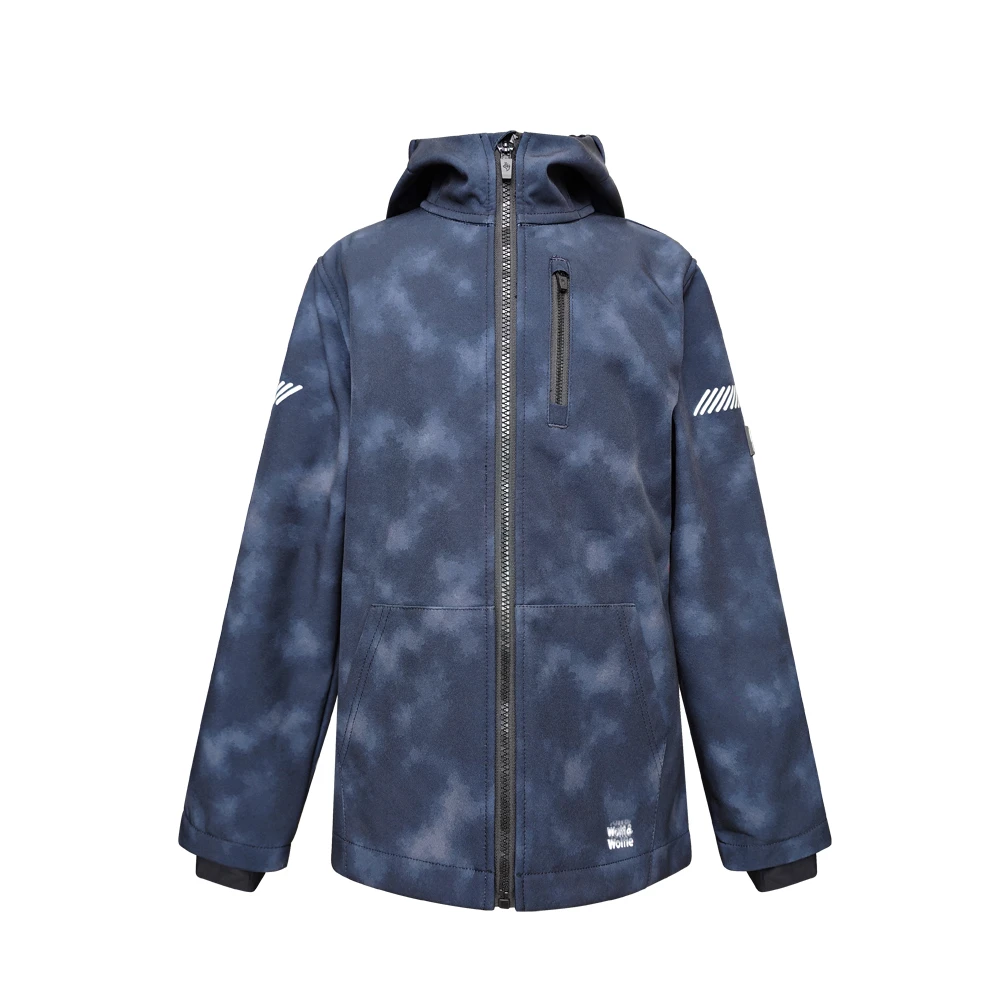
In simplest terms, a cotton field jacket is a lightweight, durable jacket made primarily from 100% cotton or cotton blends, designed originally for fieldwork. Think of it as a practical piece meant to protect workers from dirt, dust, light rain, and sun while offering freedom of movement.
Today, its design inspiration informs everything from casual fashion lines to rugged outdoor gear. It often features multiple pockets, reinforced seams, and a loose fit — all contributing to comfort and utility. The jacket’s versatility reflects its deep roots in industries where ease of wear and longevity are non-negotiable.
Core Components and Key Factors
1. Durability
Cotton’s natural fiber strength ensures that the jacket withstands tough conditions. Many manufacturers reinforce stress points, making it resistant to tearing which is critical for agricultural or industrial use.
2. Breathability
Unlike synthetic fabrics, cotton allows air to circulate, keeping workers cool — an essential feature in hot climates or intense labor.
3. Cost Efficiency
Cotton field jackets are cost-effective to produce and maintain. They can be washed repeatedly without significant wear, making them economical for organizations with large outfitting needs.
4. Adaptability
The jacket’s design adapts well to layering under heavier gear or wearing alone, giving users flexibility in varied weather. This versatility is often cited by outdoor enthusiasts and professionals alike.
5. Environmental Impact
Using natural fibers taps into sustainability goals, especially when organic cotton is sourced. This reduces reliance on petrochemical-based synthetics, aligning with global pushes for greener textiles.
Mini takeaway:
- The cotton field jacket is built for real-world utility: durable, breathable, budget-friendly, versatile, and increasingly eco-conscious.
Product Specifications of a Typical Cotton Field Jacket
| Feature | Specification |
|---|---|
| Material | 100% cotton (often 7 oz denim or canvas) |
| Weight | 550-700 grams per jacket |
| Pockets | Typically 4-6 external patched pockets |
| Closure | Button-down front, sometimes zippered |
| Finish | Uncoated for breathability or waxed for light water resistance |
| Sizing | Regular to relaxed for layering |
Global Applications & Use Cases
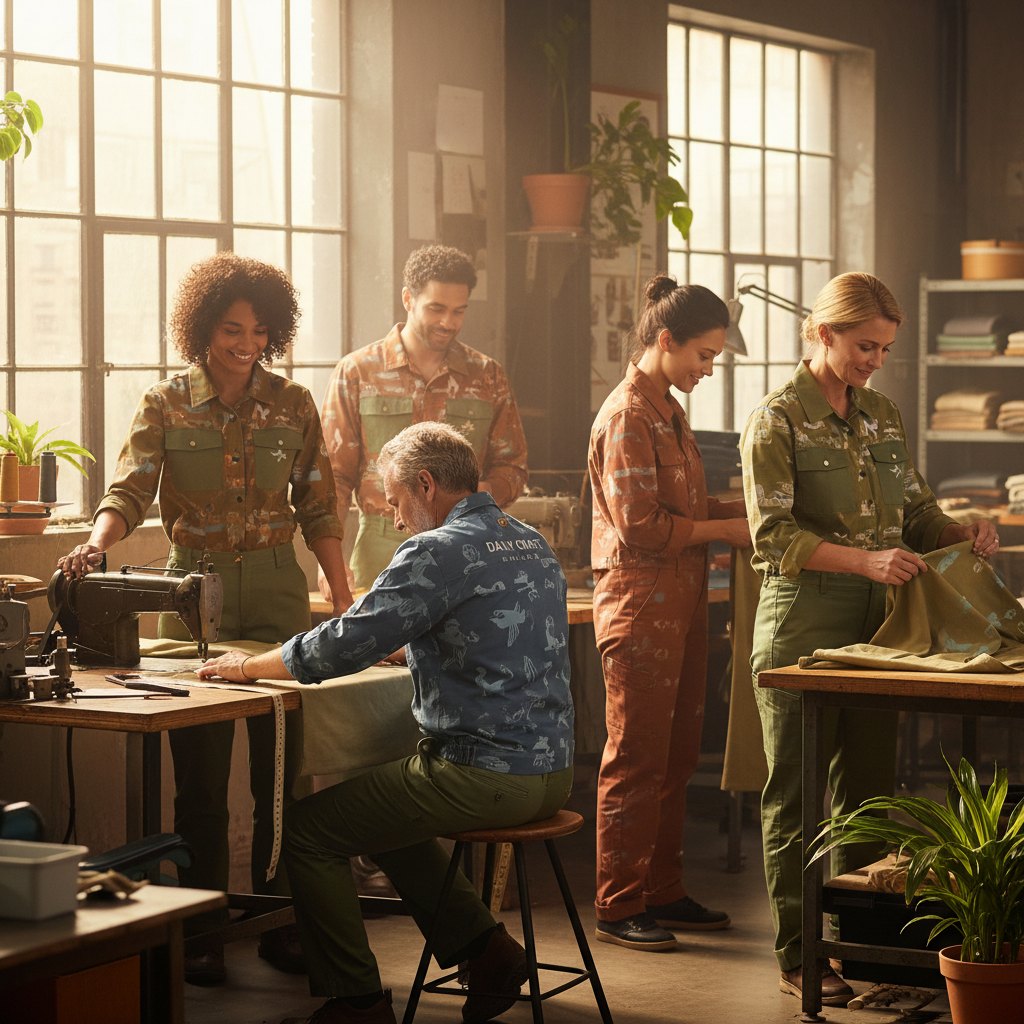
The cotton field jacket finds itself in a surprising variety of fields. For example:
- Agriculture: Workers in cotton-growing regions like India and the US love it for reliability and comfort under the sun.
- Humanitarian & Relief: NGOs outfit volunteers in rugged, sustainable gear — perfect for unpredictable field conditions.
- Outdoor Workwear: Construction and forestry industries use the jacket for layered protection and practical storage.
- Casual Fashion: Oddly enough, it’s become a staple for urban fashion enthusiasts appreciating its retro utility look.
When you think about it, this jacket bridges high-activity needs with cultural relevance—from dusty fields to city streets.
Vendor Comparison: Popular Cotton Field Jacket Brands
| Brand | Material Quality | Price Range (USD) | Sustainability | Availability |
|---|---|---|---|---|
| Filson | Heavyweight cotton canvas | $250-$350 | Uses durable, long-lasting fabrics but not organic | Widely available in North America |
| Patagonia | Organic cotton blend | $180-$280 | Strong focus on sustainability and fair trade | Global presence |
| Levi’s | Standard cotton denim | $100-$150 | Increasingly investing in sustainable cotton | Global, mass retail |
Advantages & Long-Term Value
So why invest in a cotton field jacket? Frankly, it’s a blend of practical and emotional benefits.
- Cost-saving: Durable enough to last years with simple care.
- Sustainability: Natural fabric, renewable resource, growing organic options.
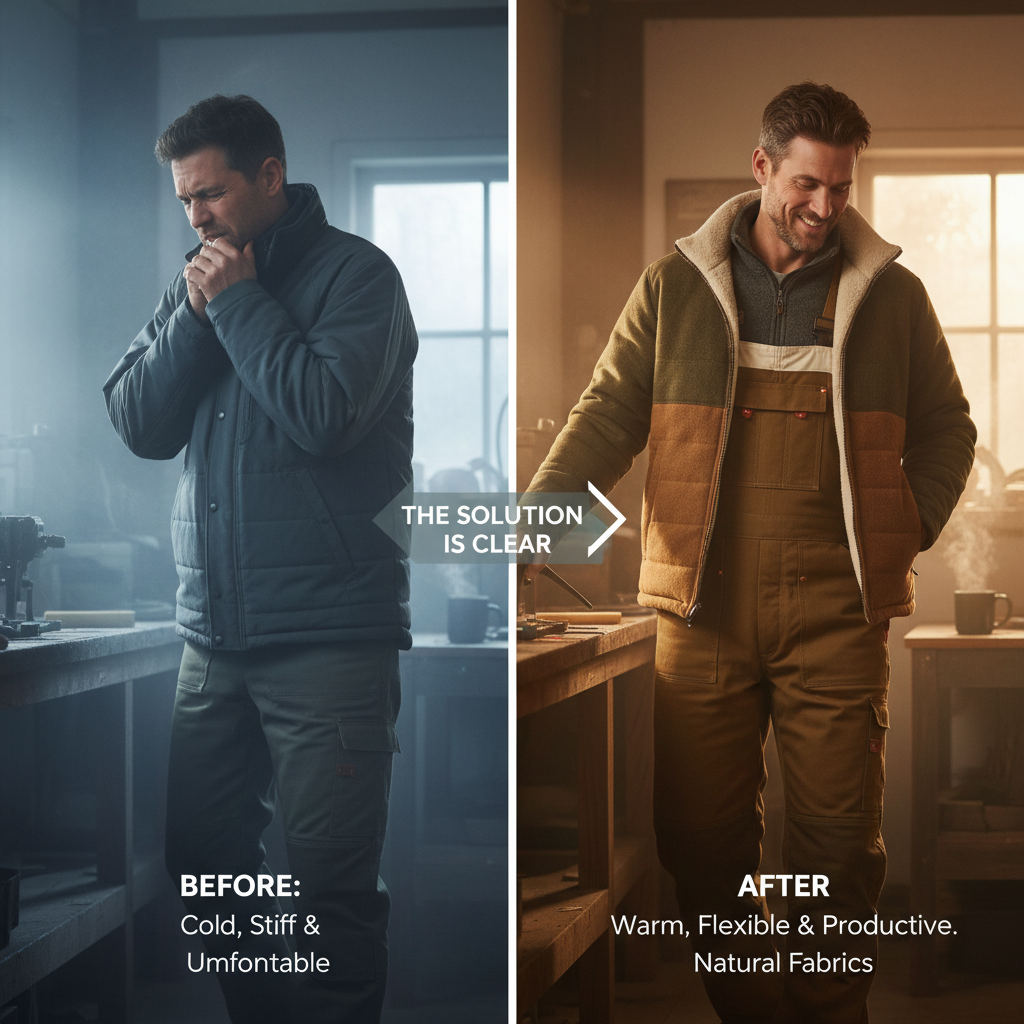
- Comfort & Safety: Breathable, offering protection without overheating or restricting movement.
- Social Responsibility: Often linked to fair labor practices when sourced ethically.
- Innovation: Designs that fit both traditional and modern needs encourage trust and style.
Future Trends & Innovations
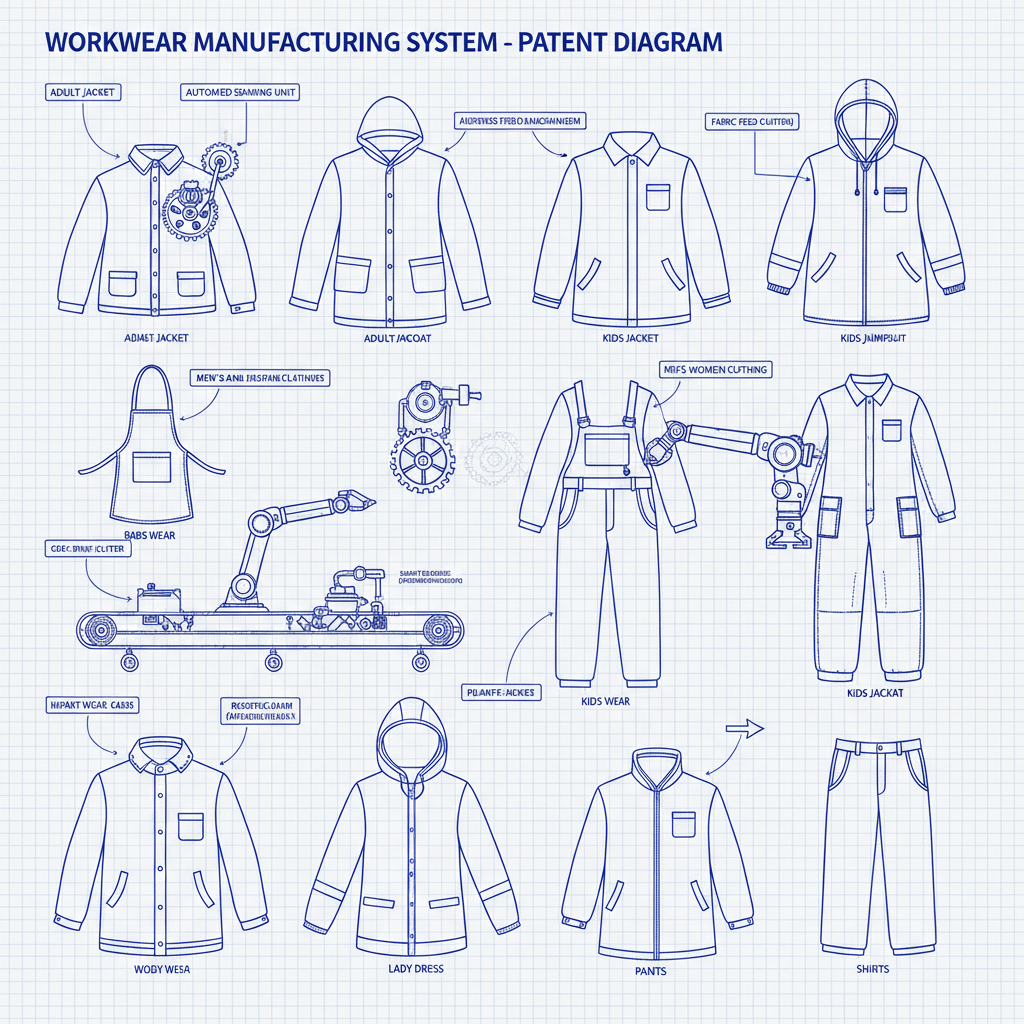
In recent years, cotton field jackets are marrying traditional fibers with cutting-edge finishes. Think nanotechnology for water repellency without synthetic coatings, or recycled cotton blends to reduce waste. Digital fabrication also enables customizable, quick-turn garments catering specifically to field operatives or outdoor workers.
Environmental regulations pushing textile eco-responsibility push this garment toward greener production, reflecting larger global shifts toward sustainable manufacturing — a fact echoed by initiatives from the United Nations Framework Convention on Climate Change (UNFCCC).
Challenges & Solutions
No product is without issues. Cotton, for example, can shrink or fade if poorly treated. It’s also more water-absorbent compared to synthetics, which can be a downside in wet environments.
Innovations like wax coatings or blend fabrics respond to these challenges — though only time will tell how well they preserve sustainability while improving performance.
FAQs About Cotton Field Jackets
- Q: How durable is a cotton field jacket compared to synthetic workwear?
A: While synthetics can resist abrasion and weather better, high-quality cotton field jackets often outperform in comfort and breathability, lasting several seasons with good care. - Q: Are cotton field jackets suitable for humid tropical climates?
A: Yes, cotton is breathable and helps wick sweat, making it an excellent choice in humid conditions, although quick drying might be slower than synthetics. - Q: Can the jackets be customized for specific organizational needs?
A: Absolutely. Many suppliers offer embroidery, color options, and even fabric blends tailored to operational requirements. - Q: Is organic cotton worth the extra cost?
A: Organic cotton uses less water and no synthetic pesticides, making it preferable for environmentally conscious buyers, although it costs more upfront.
Conclusion: Why the Cotton Field Jacket Still Deserves Your Attention
In the end, the cotton field jacket embodies an enduring idea — that simple, well-designed clothing can serve a broad set of human needs, from farm fields to fashion runways, and humanitarian aid to outdoor work. The mix of durability, comfort, and sustainability means it won't be going out of style anytime soon.
Curious to explore more or find your perfect field jacket? Visit our website: cotton field jacket to browse a variety built for every environment and mission.
Oddly enough, a jacket as humble as this keeps proving it’s worth its weight – in cotton, and in trust.
Quick takeaway: The cotton field jacket remains a trusted classic where practicality meets sustainability.