Understanding Womens Rainsuits: Practical Protection in a Changing Climate
When you think of womens rainsuits, you might just picture a practical wardrobe item. But these outfits matter far beyond fashion or casual wear—they’re technical gear increasingly vital worldwide. With shifting weather patterns and more unpredictable rain events, functional rainwear designed specifically for women addresses comfort, safety, and performance in industries, humanitarian efforts, and daily life. Plus, knowing what makes a good rainsuit and which works best for different needs is useful, whether you’re a retail buyer, a relief worker, or just someone tired of soggy days.
Global Relevance of Womens Rainsuits
Rainfall patterns worldwide are changing drastically: according to the United Nations’ climate data, extreme precipitation events have increased in nearly 60% of the world’s land area over the past 40 years.[1] For women who often bear the burden of outdoor chores or frontline roles in sectors like agriculture, disaster response, or logistics, waterproof protection adapted to their needs isn’t just a convenience—it’s essential.
Yet many rainwear solutions on the market remain unisex or poorly tailored to the female form, causing discomfort or reduced mobility. This gap poses a challenge that's gaining attention from apparel brands and NGOs alike. Womens rainsuits, specifically designed to ensure a better fit and durability, address this issue directly.
What Exactly Are Womens Rainsuits?
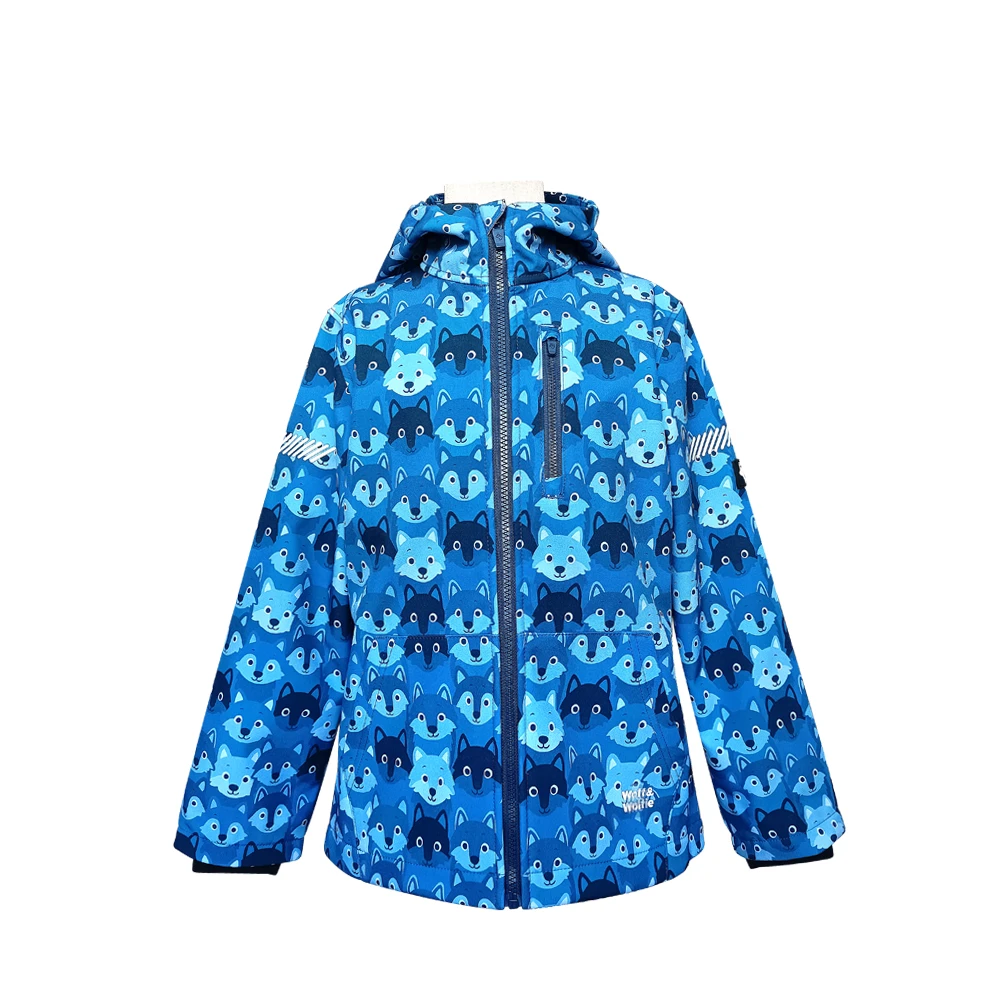
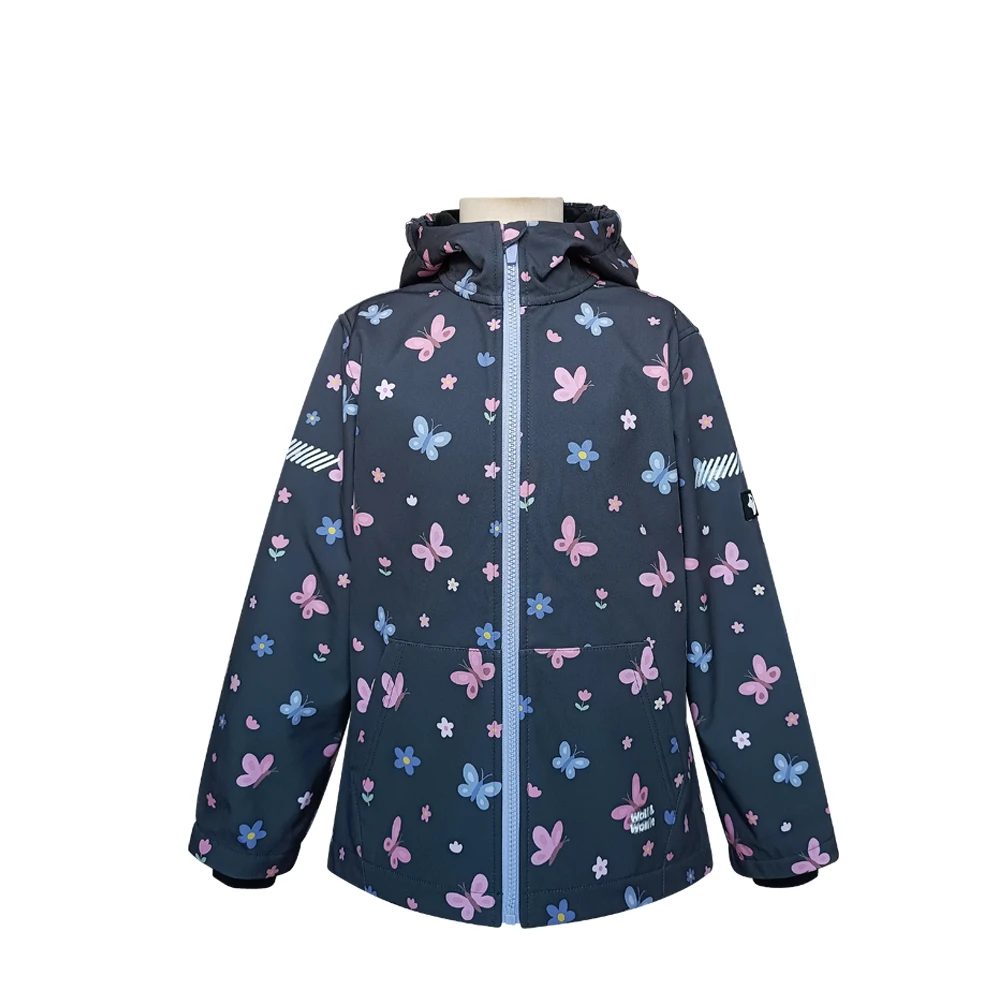
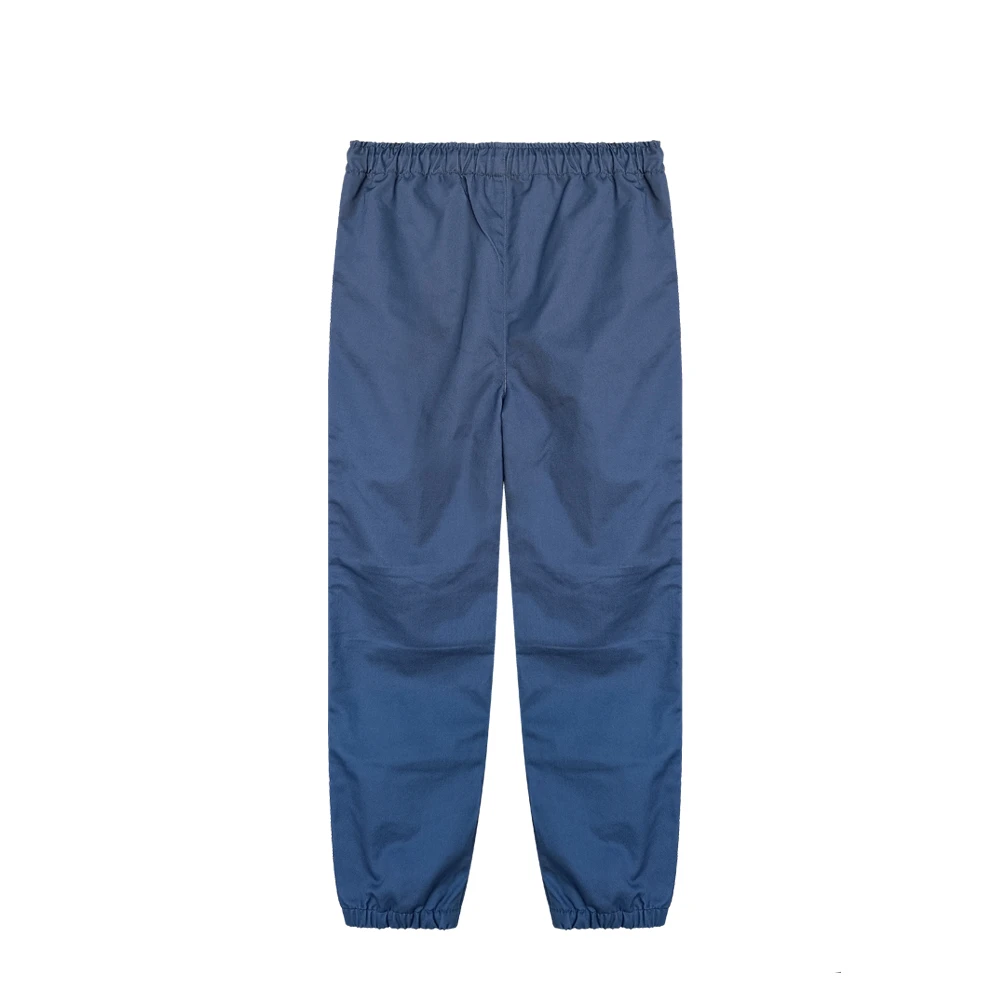
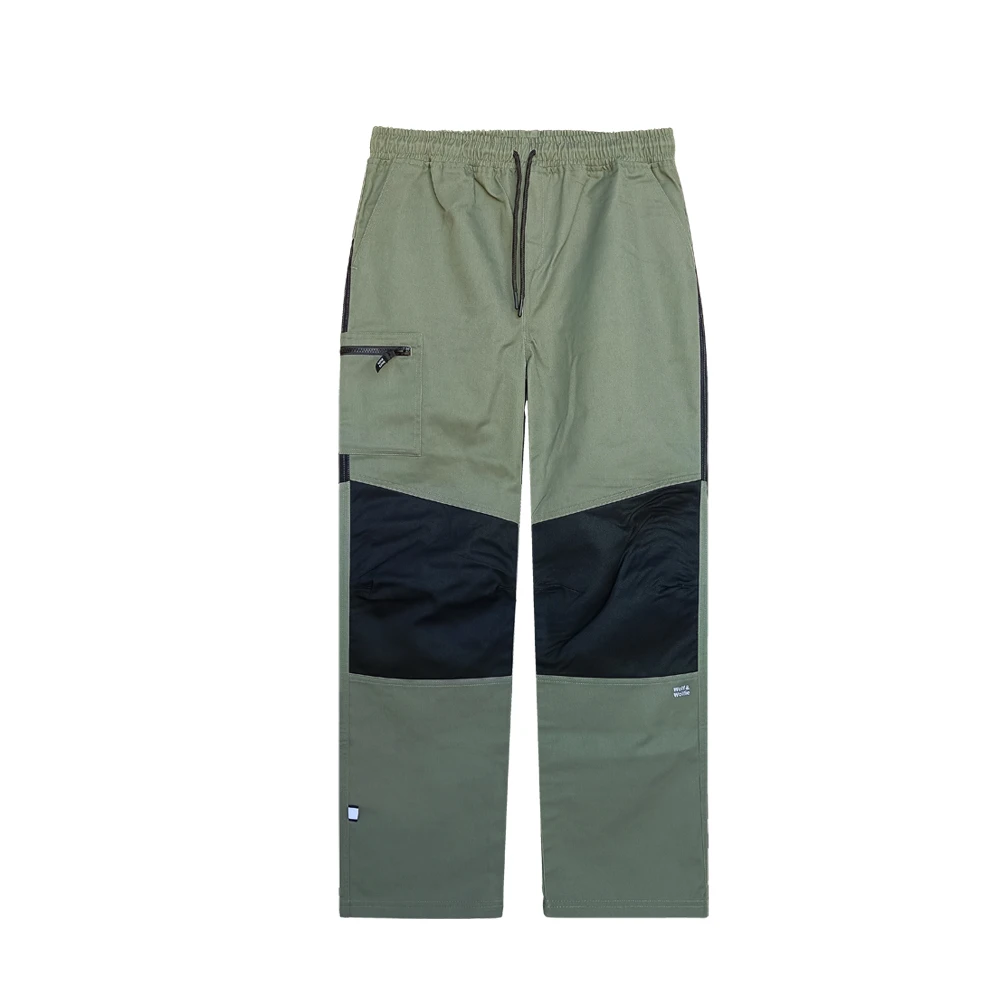
At their simplest, womens rainsuits are waterproof outer garments—typically combining a jacket and pants—built to keep the wearer dry during wet conditions. However, they are more than just standard raincoats; these suits incorporate materials and designs considering female body shapes, mobility needs, and activity levels.
From industrial workers who must remain outdoors during storms to field researchers and relief volunteers, wearing properly fitted rainsuits reduces health risks like hypothermia and improves operational efficiency. In essence, womens rainsuits bridge the gap between traditional rainwear and specialized protective gear.
Core Components of Effective Womens Rainsuits
Durability
Rainsuits undergo significant wear and tear, especially in harsh environments. Fabrics such as ripstop nylon or polyester coated with polyurethane are common for their tear resistance. Reinforced seams and abrasion patches are essential to extend lifespan.
Waterproofing & Breathability
It’s a tricky balance between keeping water out and letting sweat escape. Modern rainsuits often feature membranes like Gore-Tex® or proprietary breathable coatings, which can be critical for users working or trekking long hours.
Fit & Mobility
Womens-specific sizing considers bust, waist, and hip measurements, along with articulation zones around elbows and knees to allow movement. Adjustable cuffs, hoods, and waistbands improve customization and comfort.
Ease of Use & Maintenance
Quick-dry fabrics and simple closure systems (e.g., two-way zippers, storm flaps) reduce hassle. Machine-washability is a plus for repeated use in field conditions.
Cost Efficiency
High-quality materials don’t always mean extreme costs. Competitive pricing and durability reduce long-term replacement expenses, which is crucial for NGOs and industries managing budgets tightly.
Womens Rainsuit Specifications at a Glance
| Feature | Description | Example |
|---|---|---|
| Material | Ripstop nylon with PU coating | 150D fabric, waterproof rating 10,000 mm |
| Breathability | Membrane layer allowing moisture out | 8,000 g/m²/24h MVTR |
| Fit | Women-specific tailoring with adjustable features | Elastic waist, pre-shaped sleeves |
| Closure | Waterproof two-way zipper + Velcro storm flap | Durable zipper with storm flap |
| Weight | Light enough for active use | Approx. 700 grams |
Comparing Top Vendors of Womens Rainsuits
| Vendor | Material Quality | Price Range (USD) | Fit & Comfort | Sustainability |
|---|---|---|---|---|
| AquaShield | High-tech PU membrane | $90–120 | Excellent, ergonomic tailoring | Uses recycled fabrics |
| StormWear | Basic waterproof nylon | $50–75 | Good, adjustable features | No explicit sustainability policy |
| EcoRain Apparel | Recycled polyester with PU coating | $110–140 | Tailored, soft fit | Certified eco-friendly production |
Global Applications & Real-World Use Cases
Womens rainsuits find critical roles across continents and sectors. In the Pacific Northwest, field biologists use tailored rainsuits for wilderness research during damp seasons. Meanwhile, African humanitarian organizations supply locally-sized rainsuits to aid female relief workers navigating flood-prone regions in monsoon months.
Industrial sites in northern Europe and parts of Asia have embraced streamlined rainsuits for female logistics staff exposed to harsh weather. Even in urban transit systems, drivers and maintenance crews increasingly demand better-fitting rainwear designed for comfort and safety, not just utility.
Oddly enough, it’s often in these practical settings that the need for quality womens rainsuits proves most intense—where a waterlogged workday isn't just a nuisance but a real safety hazard.
Mini Takeaway:
Womens rainsuits are no longer simply rainwear; they’re purposeful gear supporting female professionals worldwide, responding to real climate and social needs.
Advantages and Long-Term Value of Womens Rainsuits
- Cost Savings: Durable, well-designed suits reduce replacement frequency.
- Sustainability: New materials increasingly emphasize recycled content, minimizing environmental impact.
- Comfort & Safety: Proper fit helps prevent accidents, fatigue, and health risks from prolonged wet exposure.
- Empowerment: Providing gear that respects female ergonomics boosts worker confidence and productivity.
Future Trends & Innovations
Innovations in womens rainsuits point toward smarter textiles incorporating nanotechnology to repel water without compromising breathability. Developers are also experimenting with biodegradable coatings alongside recyclable fabrics to create truly circular rainwear options.
Additionally, digital customization tools allow users to order rainsuits tailored exactly to their size and preference, improving both satisfaction and performance. On the policy side, some governments are incentivizing production that meets international ISO waterproofing standards as climate resilience becomes a priority.
Challenges & Solutions in Womens Rainsuits
A longstanding challenge remains availability and affordability, especially in less-developed regions or for emergency deployments. Many manufacturers focus on style over function, or vice versa, missing a balance. Solutions include partnerships between NGOs and manufacturers to develop low-cost, high-quality models, using locally sourced materials where possible.
Furthermore, educating buyers on fit and maintenance can extend suit longevity—women unfamiliar with proper rainwear care may discard still-functional garments prematurely.
Frequently Asked Questions About Womens Rainsuits
What features should I prioritize when buying a womens rainsuit for outdoor work?
Look for waterproof rating (at least 10,000 mm), breathability (MVTR rating), durable materials, and ergonomic fit that allows movement. Adjustable hoods and cuffs help customize protection. Also consider weight if you’ll be wearing it for long periods.
Are womens rainsuits significantly different from unisex ones?
Yes. Womens rainsuits are tailored for female body shapes, providing better fit and mobility. This reduces discomfort and improves safety compared with generic fits designed primarily for men.
How do I care for my rainsuit to ensure it lasts?
Clean it regularly with mild detergent, avoid fabric softeners, and reapply waterproof treatment as recommended by the manufacturer. Store dry to prevent mildew. Proper care extends waterproofing and fabric integrity.
Can womens rainsuits be eco-friendly?
Absolutely. Increasingly, brands use recycled fabrics and sustainable coatings. Certifications like Bluesign® or OEKO-TEX® can guide buyers toward responsible options.
Where can I find womens rainsuits for humanitarian projects?
Specialized suppliers and NGOs often collaborate on sourcing. Reach out to manufacturers with experience serving relief organizations or visit platforms like womens rainsuits for tailored solutions.
Conclusion & Call to Action
Womens rainsuits represent more than just rain protection—they symbolize a thoughtful approach to gear that respects women’s needs globally, supports safe working conditions, and adapts to evolving environmental challenges. If you’re interested in finding reliable, durable, and well-fitted options, visit our website to explore the latest collections tailored for performance and comfort.
Final thought:
The right rainsuit doesn’t just keep water out; it lets you face the storm with confidence and dignity.