Choosing the Right Parka Overall: A Comprehensive Guide
When facing harsh weather conditions, a reliable parka overall is essential. These garments provide full-body protection against cold, wind, and precipitation. This article delves into the features, benefits, and considerations when selecting a parka overall, helping you make an informed decision for your needs. From understanding materials to choosing the right fit, we’ll cover everything you need to know. A well-chosen parka overall can significantly enhance your comfort and safety in challenging environments.
Understanding the Key Features of Parka Overalls
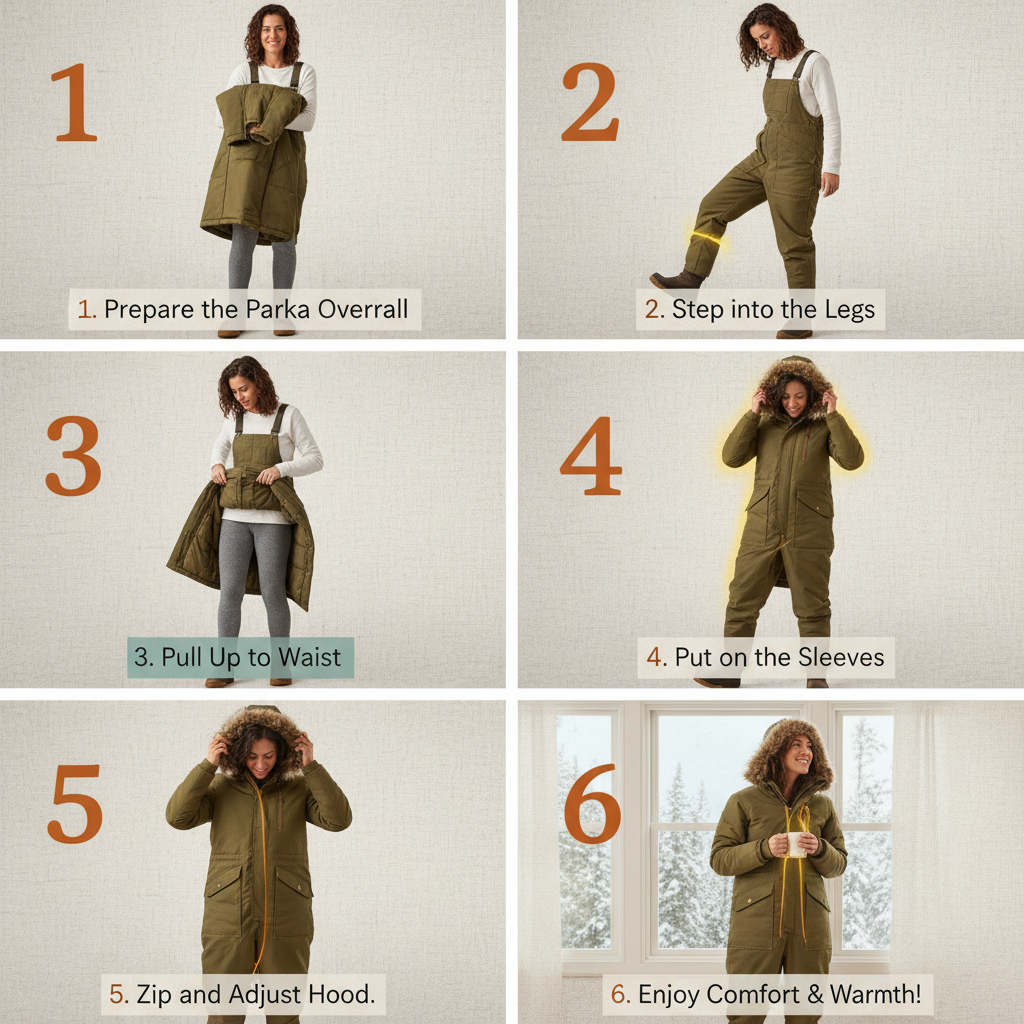
Parka overalls are designed for extreme weather protection, and several key features contribute to their effectiveness. Insulation is paramount, with options ranging from synthetic fills like PrimaLoft® to natural down. Waterproof and windproof outer shells are crucial, often utilizing materials like Gore-Tex or similar laminated fabrics. Durability is also vital, as these garments are often used in demanding conditions. Additional features include reinforced knees and seat, adjustable hoods, multiple pockets, and reflective elements for increased visibility. Consider your specific needs and the environment you’ll be working in when evaluating these features. A high-quality parka overall provides a significant barrier against the elements.
Key Highlights: Effective insulation, waterproof and windproof outer shell, and durable construction are the cornerstones of a quality parka overall.
Material Breakdown: Choosing the Right Fabric
The materials used in a parka overall dramatically impact its performance. Outer shell materials commonly include polyester, nylon, and cotton blends, often treated with Durable Water Repellent (DWR) finishes. Waterproof/breathable membranes like Gore-Tex provide superior protection. Insulation options range from down, offering excellent warmth-to-weight ratio, to synthetic alternatives like Thinsulate or PrimaLoft, which retain warmth even when wet. Lining materials influence comfort and moisture management. Considering the environment you'll be using the parka overall in will help you choose the most appropriate material composition. For example, a heavier-duty nylon shell with synthetic insulation is ideal for consistently wet conditions, while a lighter polyester shell with down insulation suits drier, colder environments. Looking at Softshell Clothing's selection can offer guidance on choosing the right material blend for your specific use case.
Material Considerations:
• Outer Shell: Polyester, Nylon, Cotton blends (with DWR)
• Insulation: Down, Thinsulate, PrimaLoft
• Membrane: Gore-Tex, other waterproof/breathable options
Parka Overall Styles & Fit: Finding Your Perfect Match
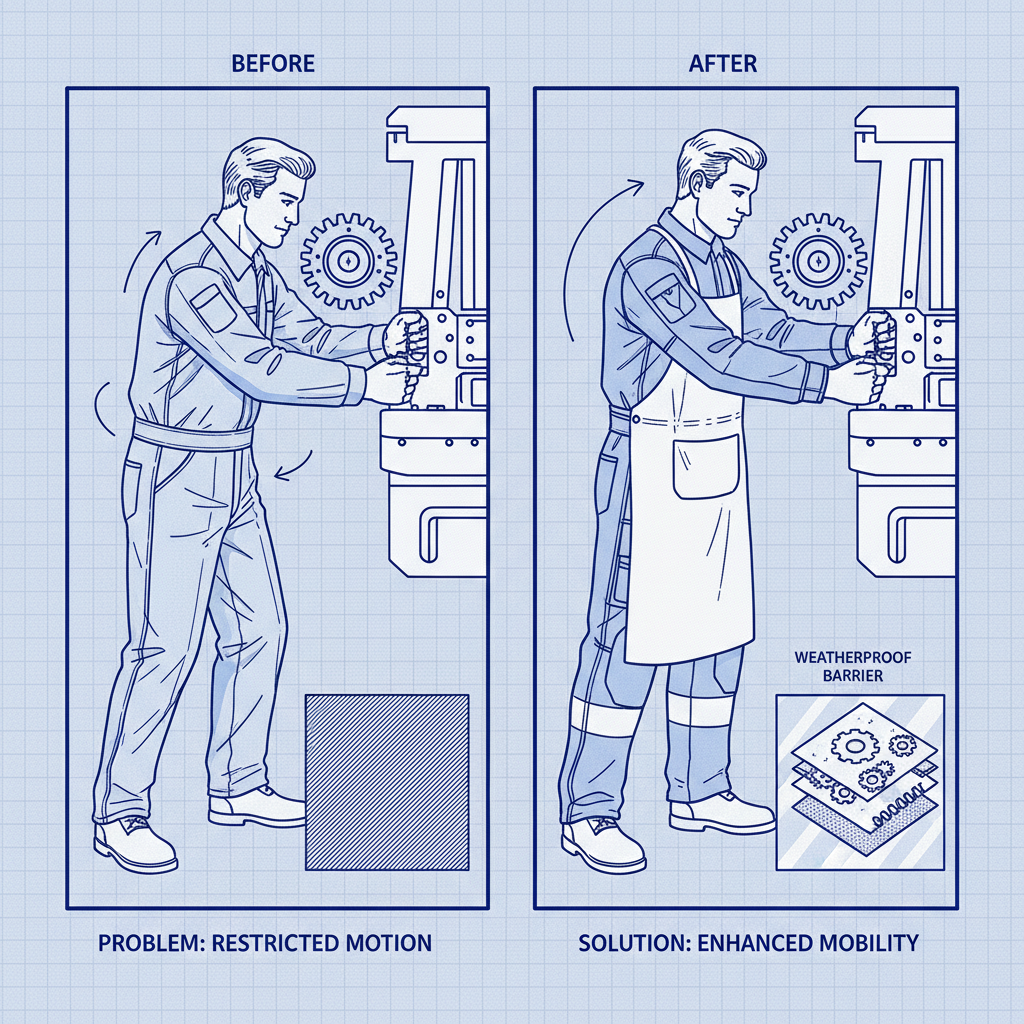
Parka overalls come in various styles, including bib-style (with chest covering) and standard overall styles. The fit is crucial for both comfort and functionality. A relaxed fit allows for layering underneath, essential in cold conditions. However, avoid excessively loose fits, as they can reduce warmth and hinder movement. Adjustable features, like shoulder straps and waist belts, help customize the fit. Consider the length – the overall should cover your boots to prevent snow or water from entering. Also, look for articulated knees and elbows for enhanced mobility. A well-fitted parka overall allows for a full range of motion while providing optimal warmth and protection.
Parka Overall Applications: Who Needs One?
Parka overalls are invaluable for a wide range of professions and activities. Construction workers, outdoor maintenance crews, and those working in cold storage facilities benefit from the full-body protection they provide. Fishermen, hunters, and outdoor enthusiasts rely on them for warmth and waterproofing. Even individuals working in refrigerated environments or those simply needing protection during winter activities will find a parka overall indispensable. The right parka overall isn't just about staying warm; it's about maintaining productivity and safety in challenging conditions. Explore the diverse selection at Softshell Clothing to find an overall suited to your specific needs.
Care and Maintenance: Extending the Life of Your Parka Overall
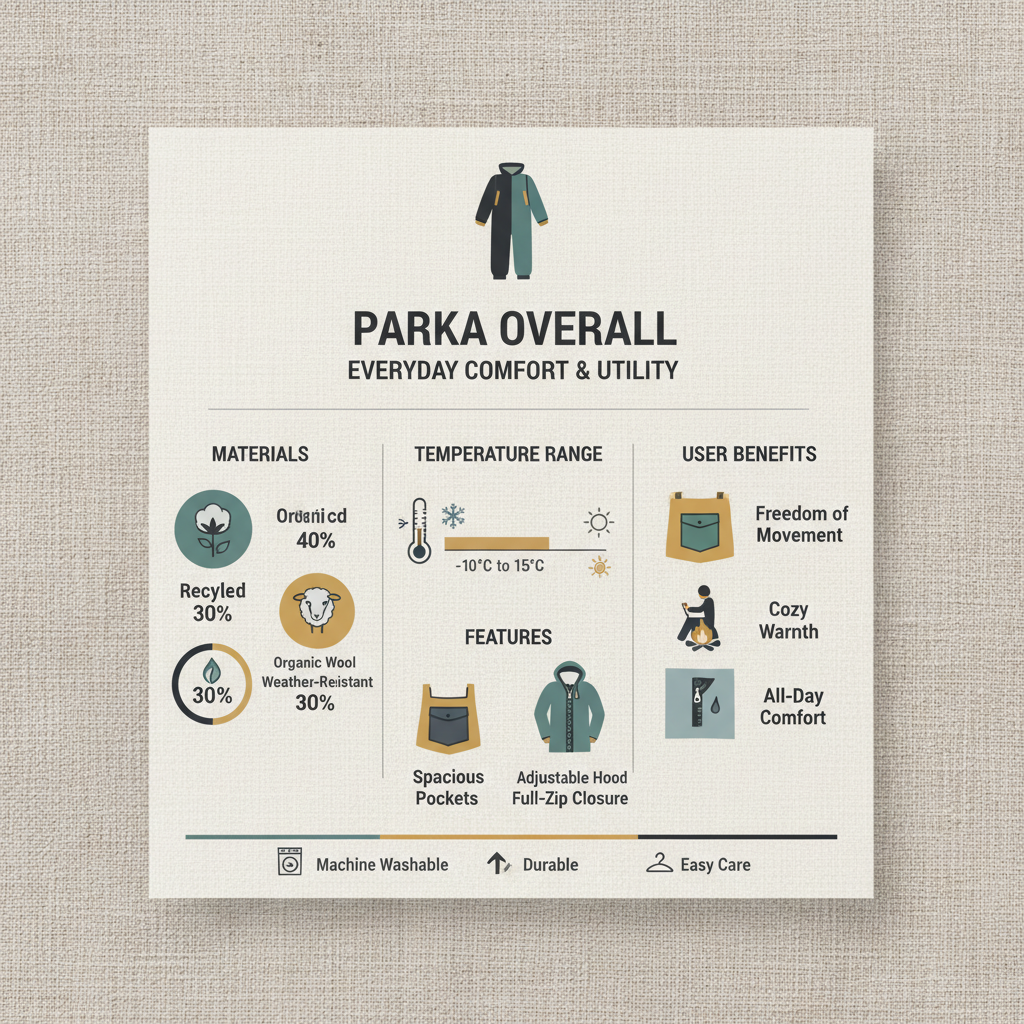
Proper care and maintenance are essential for prolonging the life of your parka overall. Always follow the manufacturer's instructions on the care label. Generally, machine washing on a gentle cycle with mild detergent is recommended. Avoid harsh chemicals and bleach. Tumble dry on low heat or hang to dry. Regularly check for tears or damage and repair them promptly. Storing the overall in a cool, dry place when not in use will help prevent mildew and maintain its insulation properties. Investing a little time in care and maintenance will ensure your parka overall remains a reliable piece of gear for years to come.
Conclusion: Investing in Reliable Cold-Weather Protection
Choosing the right parka overall is a crucial investment for anyone facing harsh weather conditions. By considering the features, materials, fit, and care instructions outlined in this guide, you can find a garment that provides optimal warmth, protection, and durability. Don’t compromise on quality when it comes to staying safe and comfortable in the cold.
Frequently Asked Questions (FAQs)
What temperature range is a typical parka overall suitable for?
The temperature range depends heavily on the insulation and outer shell materials. A lightly insulated parka overall might be suitable for temperatures down to 0°C (32°F), while a heavily insulated one with down filling could provide comfortable warmth in temperatures as low as -40°C (-40°F) or even lower. Consider layering clothing underneath for added warmth in extreme conditions. It's also crucial to factor in wind chill, as wind can significantly lower the effective temperature. Always check the manufacturer's specifications for the specific temperature rating of the parka overall.
How do I ensure my parka overall is waterproof?
Waterproofness is achieved through a combination of waterproof fabrics and taped seams. Look for parkas overalls made with materials like Gore-Tex or other waterproof/breathable membranes. Ensure that all seams are taped to prevent water from seeping through. Regularly treat the outer shell with a DWR (Durable Water Repellent) finish to maintain its water-repelling properties. Avoid washing the parka overall with detergents containing fabric softeners, as these can reduce the effectiveness of the DWR treatment.
What is the benefit of a parka overall over a traditional parka jacket?
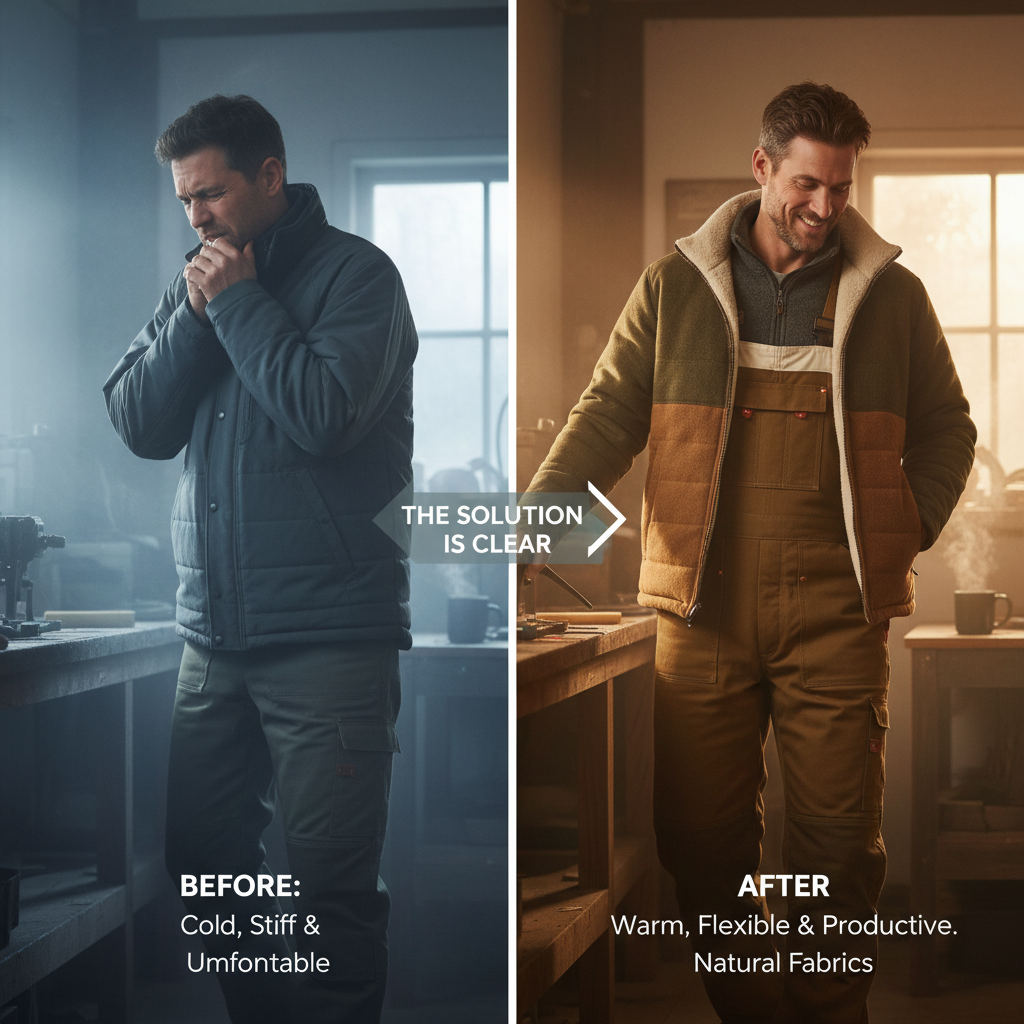
A parka overall provides full-body protection, extending coverage to the legs and preventing snow, wind, and cold from entering. This is particularly important for individuals working in extremely cold conditions or those who need to remain stationary for extended periods. While a traditional parka jacket offers upper body warmth, it leaves the legs exposed, which can lead to rapid heat loss and discomfort. For situations requiring maximum protection, a parka overall is the superior choice.