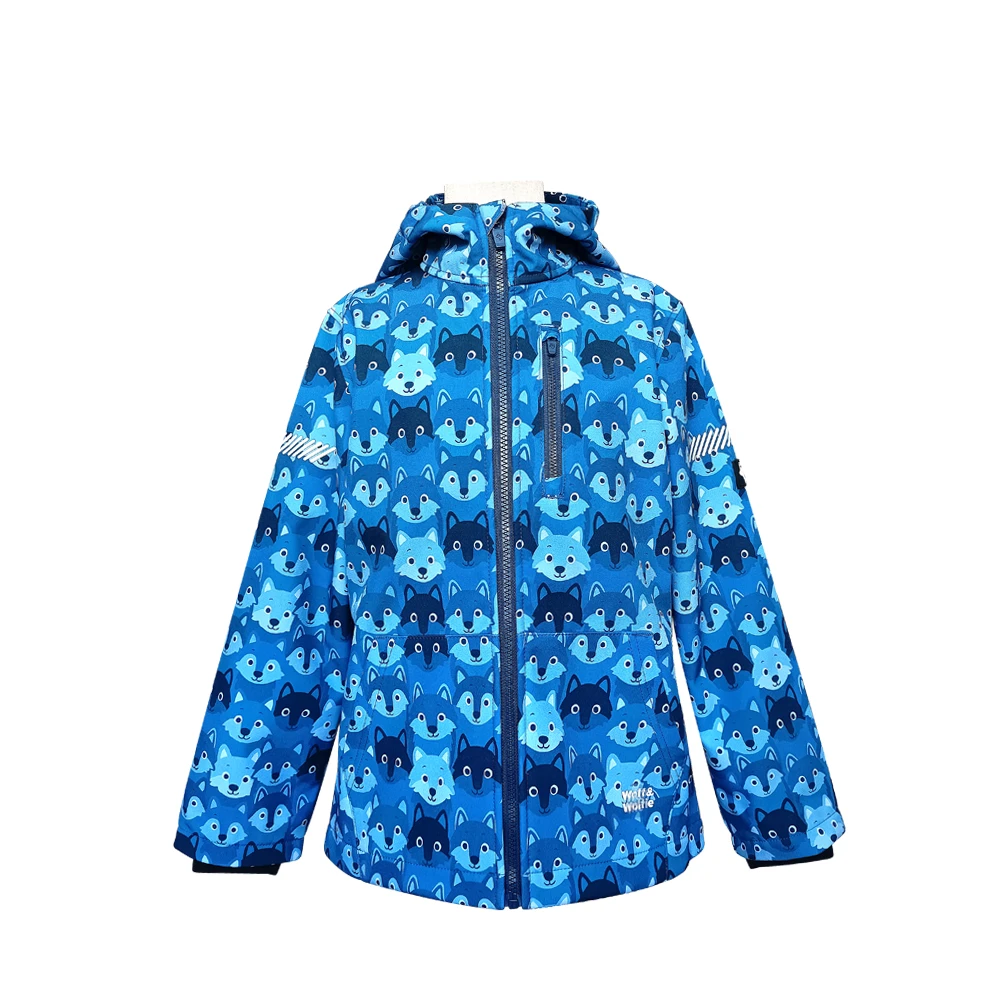
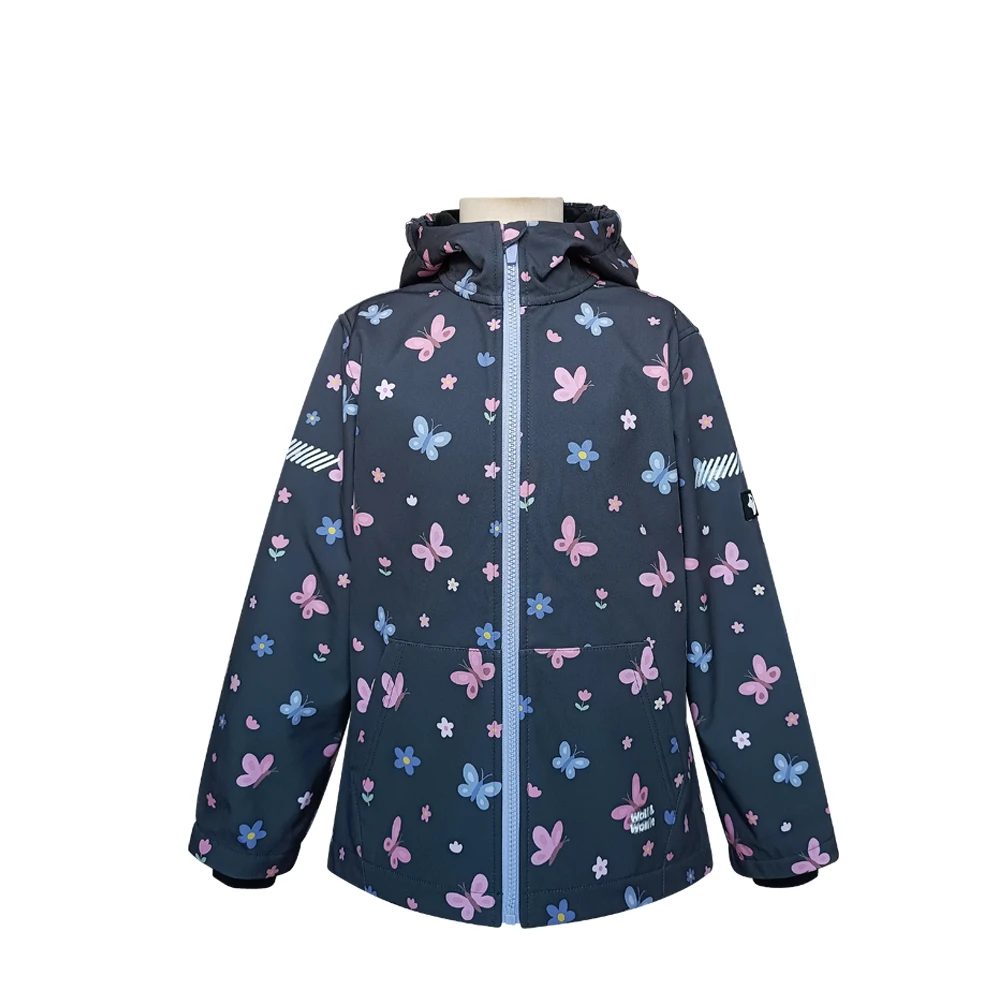
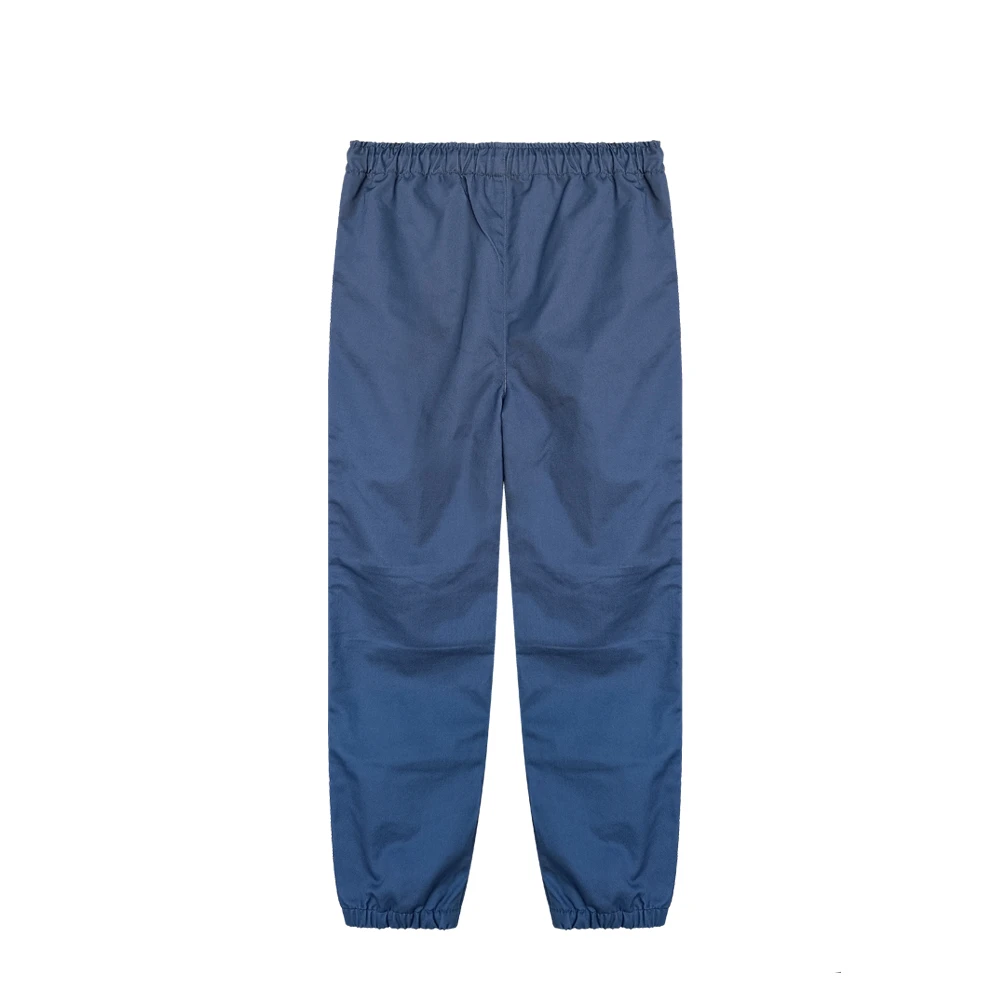
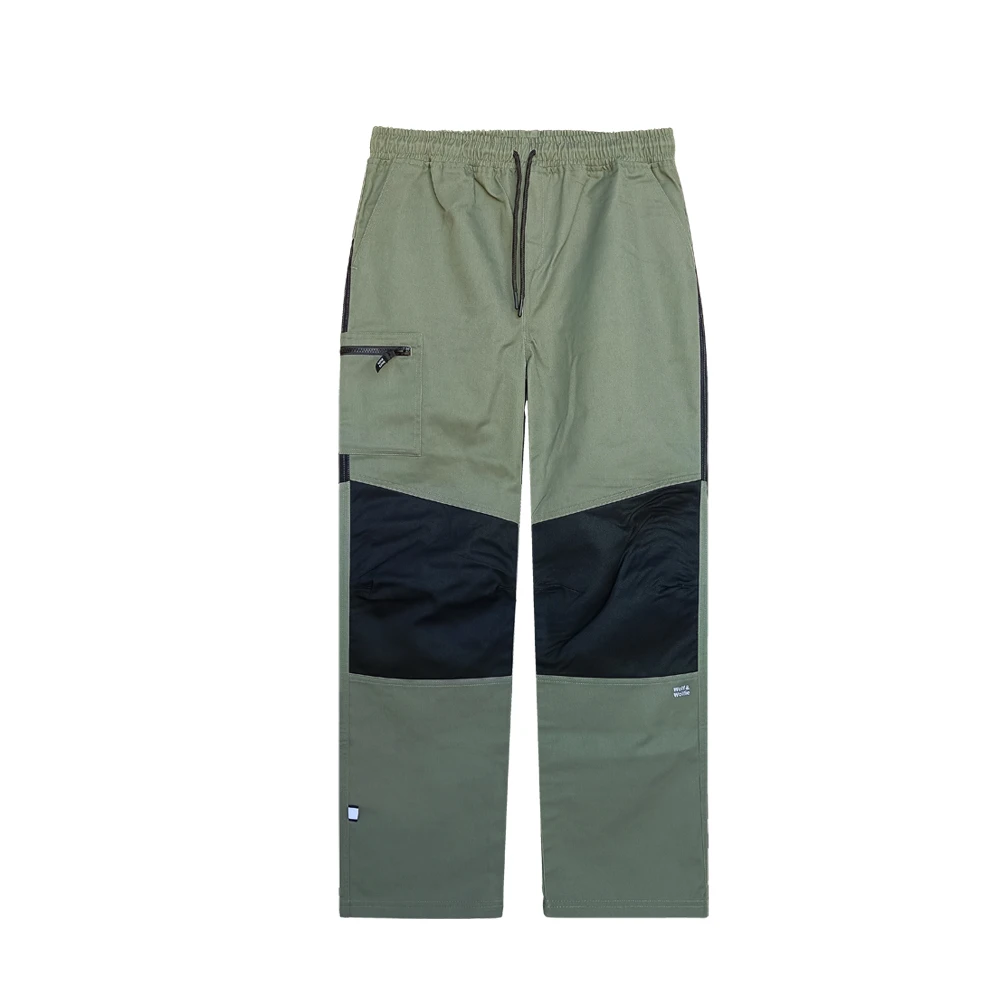
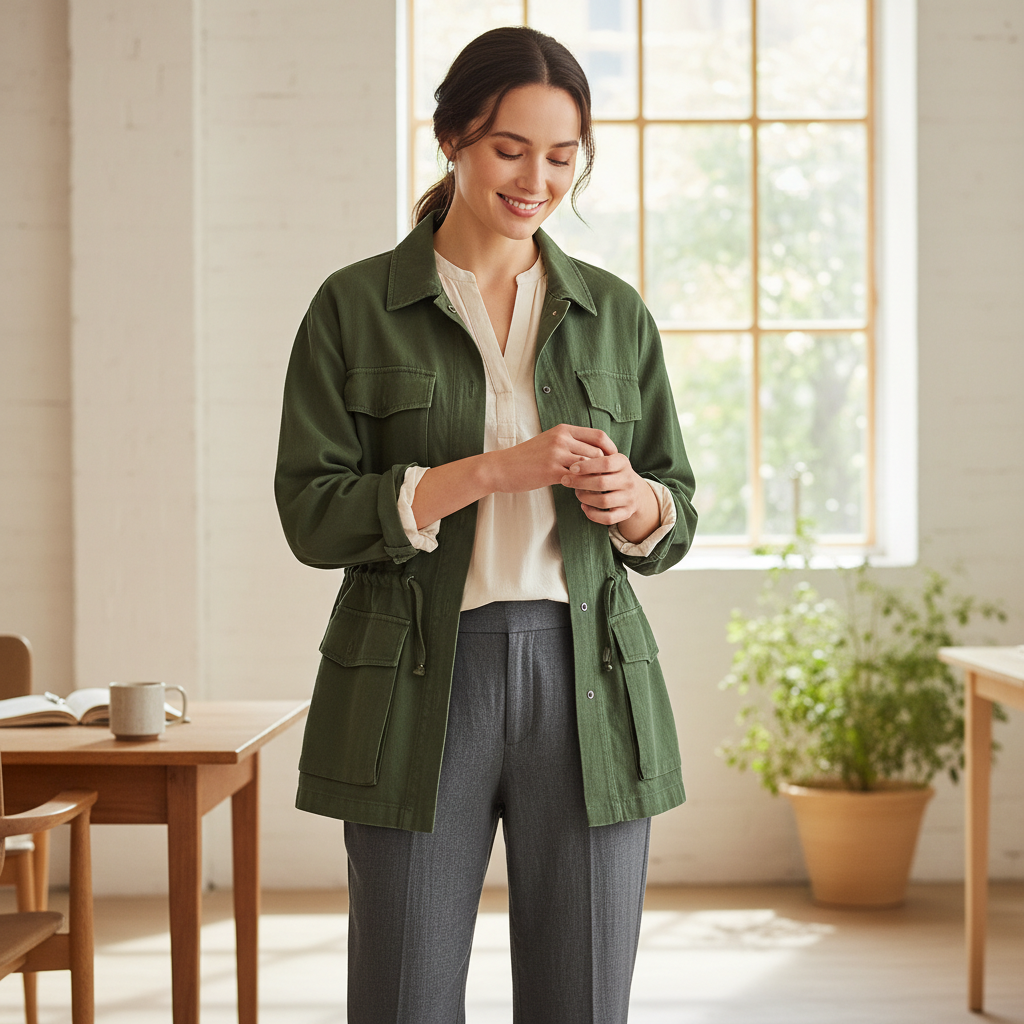
Cotton Hooded Jacket: Essential Insights into its Global Impact and Benefits
At first glance, a cotton hooded jacket might seem like just another wardrobe staple. But dig a bit deeper, and you find it’s a garment that carries much significance—globally, environmentally, and practically. From sustainable fashion to protective clothing in humanitarian crises, understanding the cotton hooded jacket opens a window into how natural fibers and thoughtful design impact industries, communities, and individuals worldwide. This piece explores why this item matters and how it remains relevant across various sectors.
Introduction: The Global Context of Cotton Hooded Jackets
The cotton hooded jacket stands at a unique crossroads of tradition and innovation. Globally, cotton accounts for roughly 2.5% of all agricultural land use (1), and as demand for sustainable clothing grows—propelled by organizations like the United Nations advocating for responsible consumption—cotton garments like hooded jackets gain prominence.
In fact, the global technical textiles market, which includes functional cotton apparel, is expected to reach USD 250 billion by 2027 (2). Cotton hooded jackets address specific challenges: balancing breathability with weather protection, sustainability with affordability, and style with durability. Particularly in transitional climates and varied work settings, these jackets fill a practical niche.
Defining the Cotton Hooded Jacket
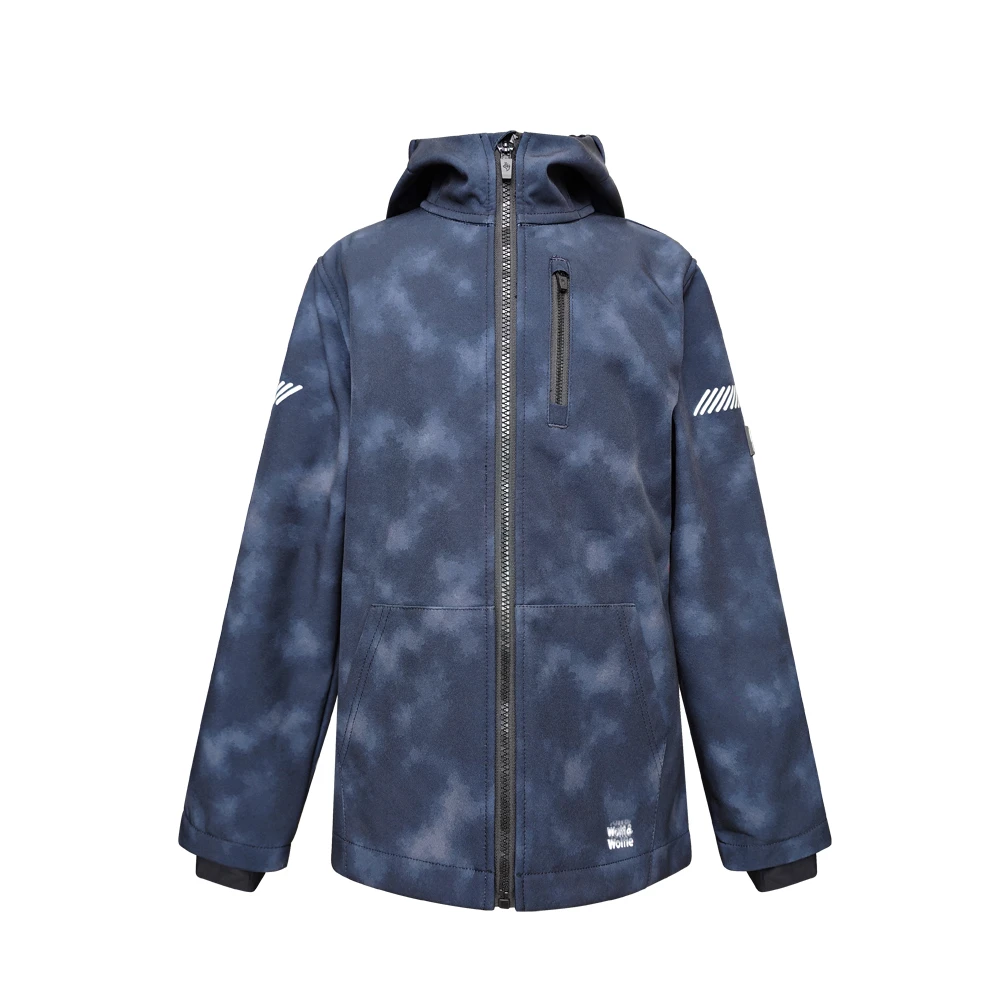
Simply put, a cotton hooded jacket is a jacket constructed chiefly from cotton fibers, featuring a hood for additional head protection. Unlike synthetic outerwear, these jackets prioritize natural breathability and comfort while shielding the wearer from mild weather elements. They range from lightweight spring pieces to more robust fabrics treated for water resistance.
Beyond fashion, cotton hooded jackets are important in industrial workwear and humanitarian settings, where comfort, safety, and accessibility matter. Their natural fiber composition reduces skin irritation—a key benefit in challenging environments, where synthetic options sometimes cause discomfort.
Key Components of Cotton Hooded Jackets
1. Durability
Frankly, cotton isn’t always the toughest fiber, but when carefully woven and combined with modern treatments, cotton hooded jackets can resist daily wear, tear, and even moderate weather. Durable stitching and reinforced seams often make a big difference here.
2. Breathability
This is the secret sauce of natural cotton. Its fiber structure allows excellent airflow, regulating heat and moisture better than many synthetics. This helps in workwear contexts where overheating can be a real risk.
3. Sustainability
Cotton is biodegradable and renewable, especially organic cotton grown with less water and fewer pesticides. Many brands now prioritize eco-labels, addressing concerns over fast fashion’s carbon footprint.
4. Cost Efficiency
Though pricing varies with quality and treatment, cotton hooded jackets tend to offer good value. Their versatility means fewer purchases, and durable designs mean longer use, ultimately reducing waste.
5. Comfort & Safety
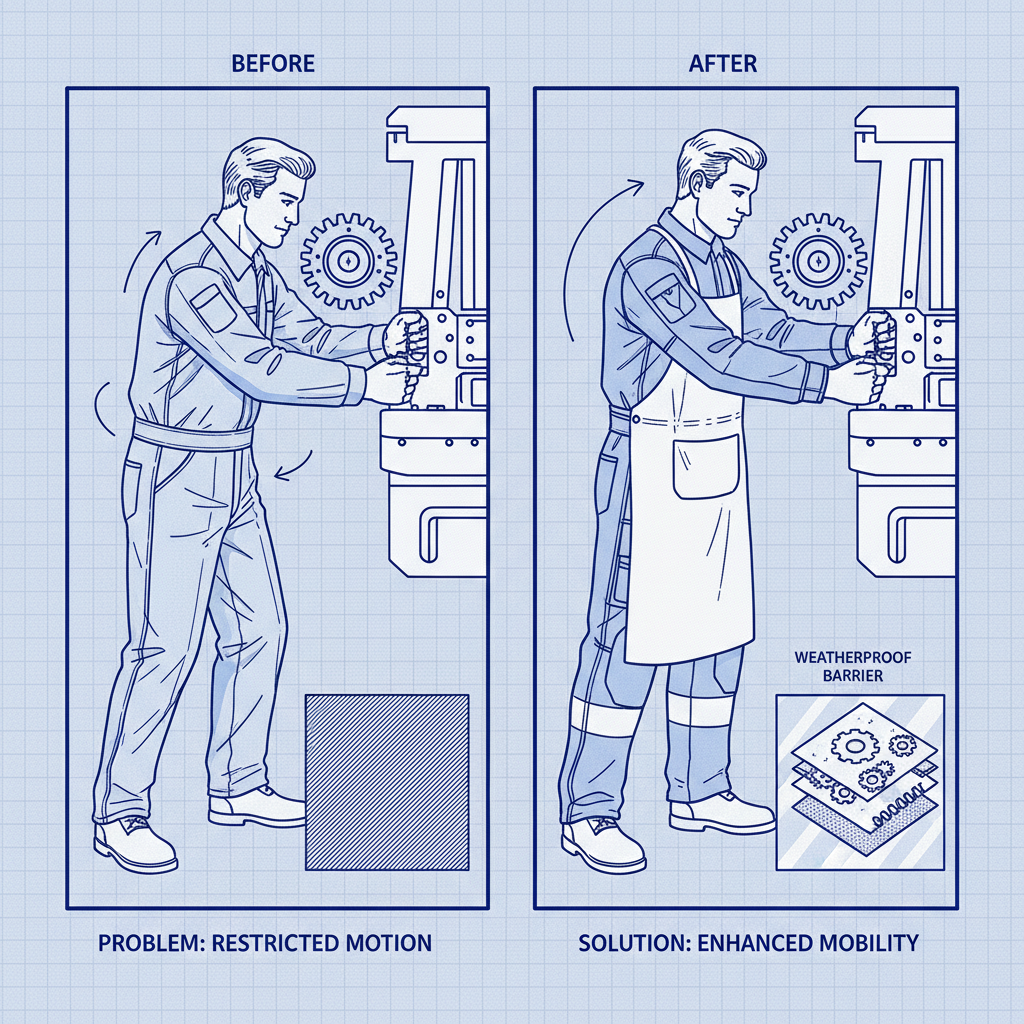
The soft hand-feel and hypoallergenic nature of cotton reduce skin irritation. Plus, features like adjustable hoods and cuffs enhance fit, which contributes to safety by ensuring protection from elements without restricting movement.
Product Specifications: Typical Cotton Hooded Jacket
| Feature | Specification |
|---|---|
| Main Fabric | 100% Organic Cotton or Cotton Blend |
| Weight | 220-320 g/m² |
| Water Resistance | Treated with Eco-Friendly Durable Water Repellent |
| Features | Adjustable Hood, Zip or Button Closures, Pockets |
| Sizes | XS to XXL (Custom sizing possible) |
Global Applications and Use Cases
Oddly enough, cotton hooded jackets aren’t just something you pick up at your neighborhood store—they’re actively used in demanding scenarios worldwide.
- Post-Disaster Relief: In regions recovering from hurricanes or floods, relief organizations often distribute cotton-based clothing because of its comfort and breathability for survivors adjusting to temporary shelters.
- Industrial Zones: Factories and craft workshops in Asia and Africa employ cotton hooded jackets as affordable protective gear, especially in dry or moderately chilly environments.
- Outdoor Workwear: Farmers, park rangers, and construction workers prefer cotton jackets in temperate zones for protection without overheating.
Moreover, many NGOs and international aid groups specifically request cotton apparel for its hypoallergenic and eco-friendly properties. This speaks volumes about the garment’s role beyond mere fashion.
Vendor Comparison: Leading Cotton Hooded Jacket Suppliers
| Vendor | Sustainability | Price Range | Customization | Shipping |
|---|---|---|---|---|
| EcoCloth Inc. | 100% Organic Cotton | $$$ (Premium) | High (Colors, Logos) | Worldwide, 7-14 days |
| Standard Textiles | Blend Cotton (Non-Organic) | $ - $$ (Affordable) | Limited | Domestic Only |
| GreenWear Global | Organic + Recycled Fibers | $$ (Mid-Range) | Moderate | International, 10-20 days |
Advantages and Long-Term Value of Cotton Hooded Jackets
Why pick a cotton hooded jacket over a synthetic? The answer isn’t just “because it’s natural.” Cotton offers several tangible benefits including cost-effectiveness, sustainability, and wearer comfort, which is crucial when jackets accompany people outdoors or on long shifts.
Moreover, there's a subtle emotional payoff: wearing a cotton jacket feels kind of reassuring, connected to nature in ways synthetic fabrics don’t quite reach. Many users report greater trust in this fiber, especially for children’s wear or in delicate skin scenarios.
Sustainability-wise, cotton is biodegradable, and when ethically sourced, it contributes to farmer livelihoods and reduces harmful chemical use globally. Cotton jackets typically require less energy to produce compared to high-tech synthetic fibers, aligning with a growing demand for eco-conscious products.
Future Trends and Innovations
The future’s looking pretty interesting for cotton hooded jackets. Innovations include bio-engineered cotton strains that use less water, integration with recycled fibers, and even smart textiles—cotton fabrics embedded with sensors for health monitoring.
Also gaining traction is the circular economy: many brands now offer take-back programs, recycling old cotton jackets into new materials. On the policy side, stricter regulations around pesticide use and supply chain transparency mean consumers increasingly demand sustainability certifications.
Challenges and Solutions
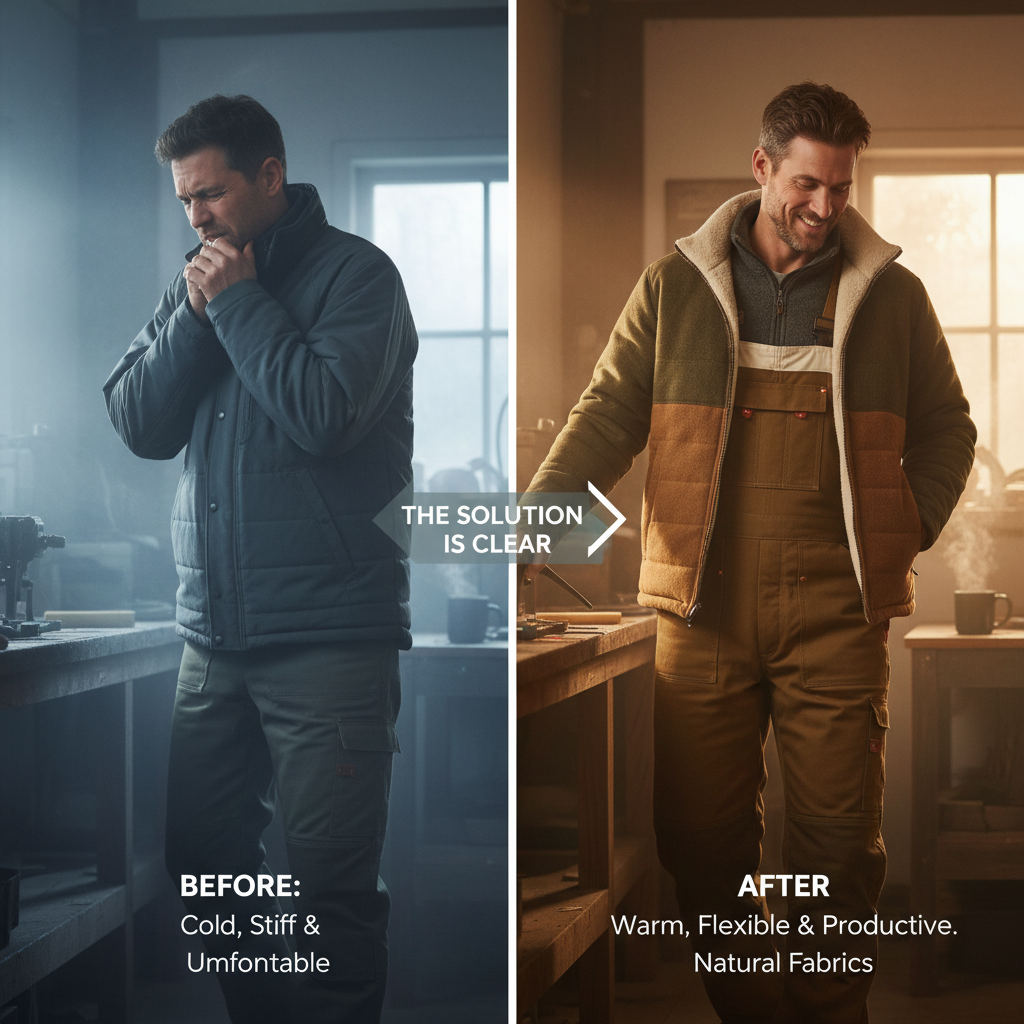
Cotton hooded jackets aren’t flawless. Cotton can wrinkle, shrink, and sometimes lose shape if not cared for properly. They might also lack the insulation needed in harsher climates unless layered or treated.
However, advances in fabric finishing, such as durable water repellents that are environmentally friendly, plus blend fabrics mixing cotton with natural wools or recycled polyester, help mitigate these drawbacks. The key is knowing your needs and environment, then selecting accordingly.
FAQ: Frequently Asked Questions About Cotton Hooded Jackets
- Q: How do cotton hooded jackets compare to synthetic ones in weather resistance?
A: Cotton jackets generally offer less water resistance than synthetics but excel in breathability and comfort. Treatments like durable water repellents improve their weather resistance without compromising eco-friendliness. - Q: Are organic cotton hooded jackets worth the price premium?
A: Yes, often due to better sustainability practices and improved fabric quality. They also tend to be softer and longer-lasting, making them an investment in both comfort and environmental responsibility. - Q: Can cotton jackets be machine washed regularly?
A: Most can, but it’s best to follow care labels carefully—cold washes and air drying preserve fabric strength and prevent shrinkage. Overwashing can degrade natural fibers. - Q: Is it possible to customize cotton hooded jackets for organizations or NGOs?
A: Absolutely. Many suppliers offer customization options like logos, colors, and special sizing, catering especially to NGOs requiring scalable procurement. - Q: Are cotton hooded jackets environmentally better than synthetics?
A: Generally yes, due to biodegradability and renewable sourcing. However, production impacts vary widely depending on cultivation practices and finishes applied.
Conclusion
So, cotton hooded jackets are much more than just cozy outerwear. They represent a blend of sustainability, comfort, and utility that serves global communities, industries, and individuals alike. By choosing responsibly sourced cotton jackets, we embrace a garment that carries long-term value for the planet and people.
If you’re curious to explore quality cotton hooded jackets tailored for your professional or personal needs, don't hesitate to visit our website for detailed options and expert advice.
Mini Takeaway: Cotton hooded jackets strike a rare balance between sustainability, comfort, and practical protection—making them an enduring choice worldwide.