Why kids hiking pants really matter — beyond just the trail
When you think about kids hiking pants, you might just picture small adventurers scrambling up rocks or trekking through leafy forests. But this gear matters on a much bigger scale: globally, the design, durability, and eco-friendliness of children's outdoor apparel shape how families engage safely with nature, influence sustainable manufacturing trends, and even address humanitarian needs in rugged areas.
Understanding what makes these pants tick — materials, fit, protection — can help parents, educators, and industry pros alike ensure kids get the right gear. It’s not just about looking cute with tiny cargo pockets; it’s about safety, comfort, and long-lasting wear that adapts as kids grow. Globally, as outdoor participation surges amid growing awareness of health and environment, good hiking gear becomes less of a luxury and more of a necessity.
The global context: kids hiking pants in a wider landscape
Outdoor recreation participation worldwide continues to climb, with the global hiking market estimated to reach beyond $9 billion by 2027 (source: Statista). Kids make up a significant slice of this growth, especially as families seek healthy, screen-free activity. Yet, this demand brings challenges.
- The UN Environment Programme notes the environmental footprint of textile manufacturing remains a pressing issue.
- ISO standards increasingly emphasize sustainable fabrics and safety in kids’ apparel.
- There’s also an emerging challenge: outdoor clothing must be durable enough for rugged environments, often without the premium price tag attached to adult gear.
Kids hiking pants answer many issues: they can be designed to last, protect against weather and terrain, and support children’s curiosity safely — even in harsh conditions like remote mountain regions or developing countries with limited resources for specialized outdoor gear.
What exactly are kids hiking pants?
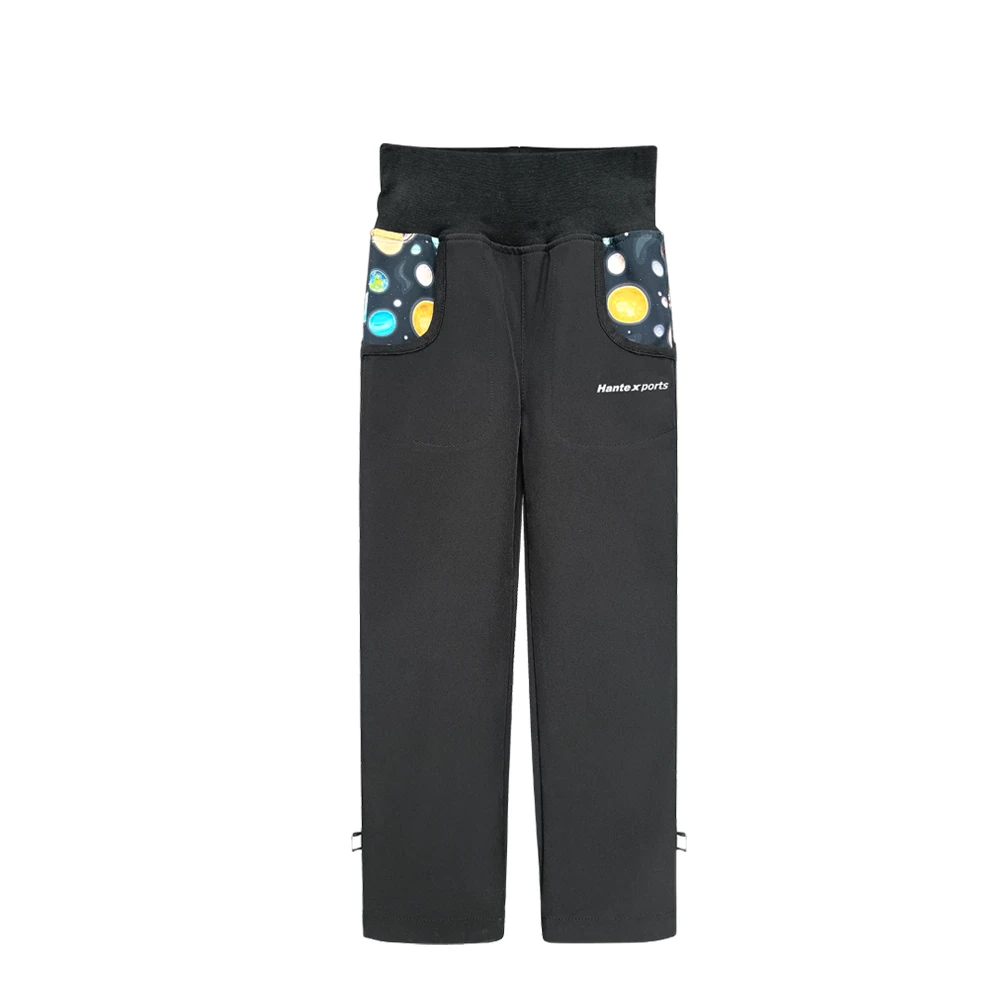
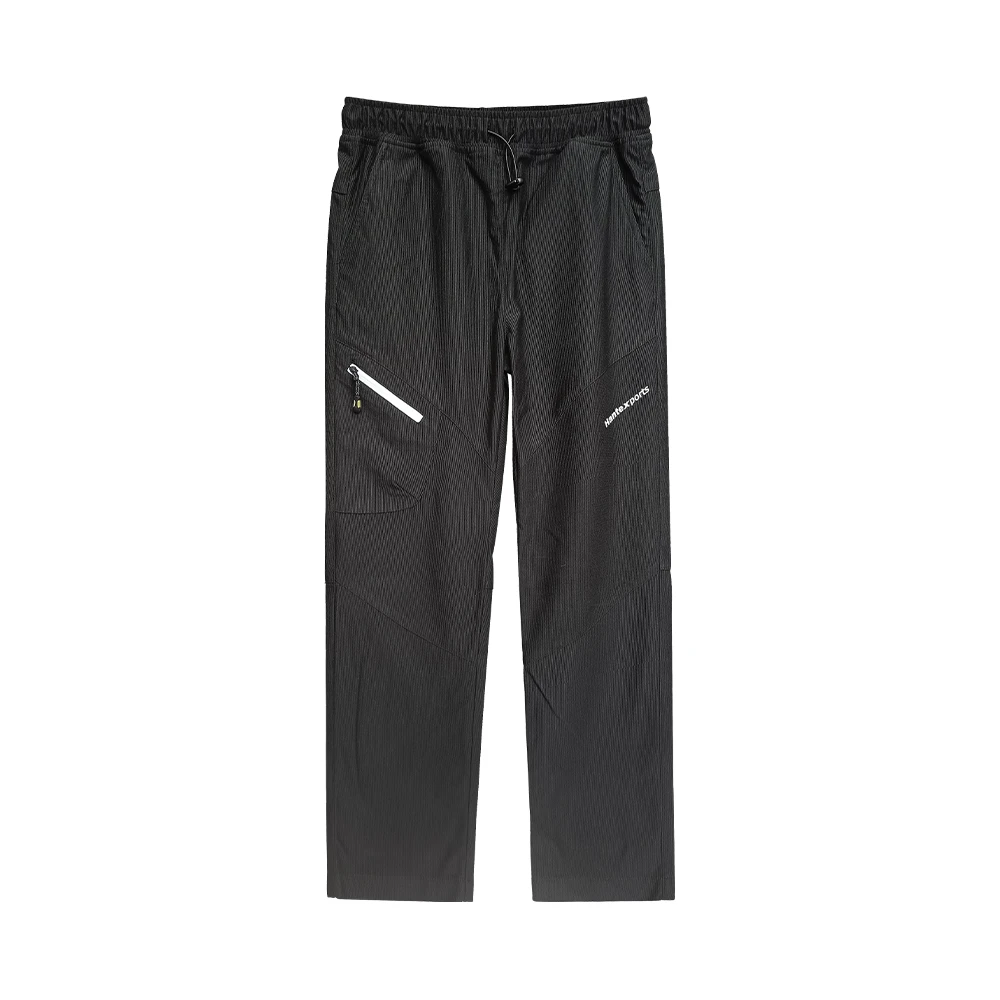
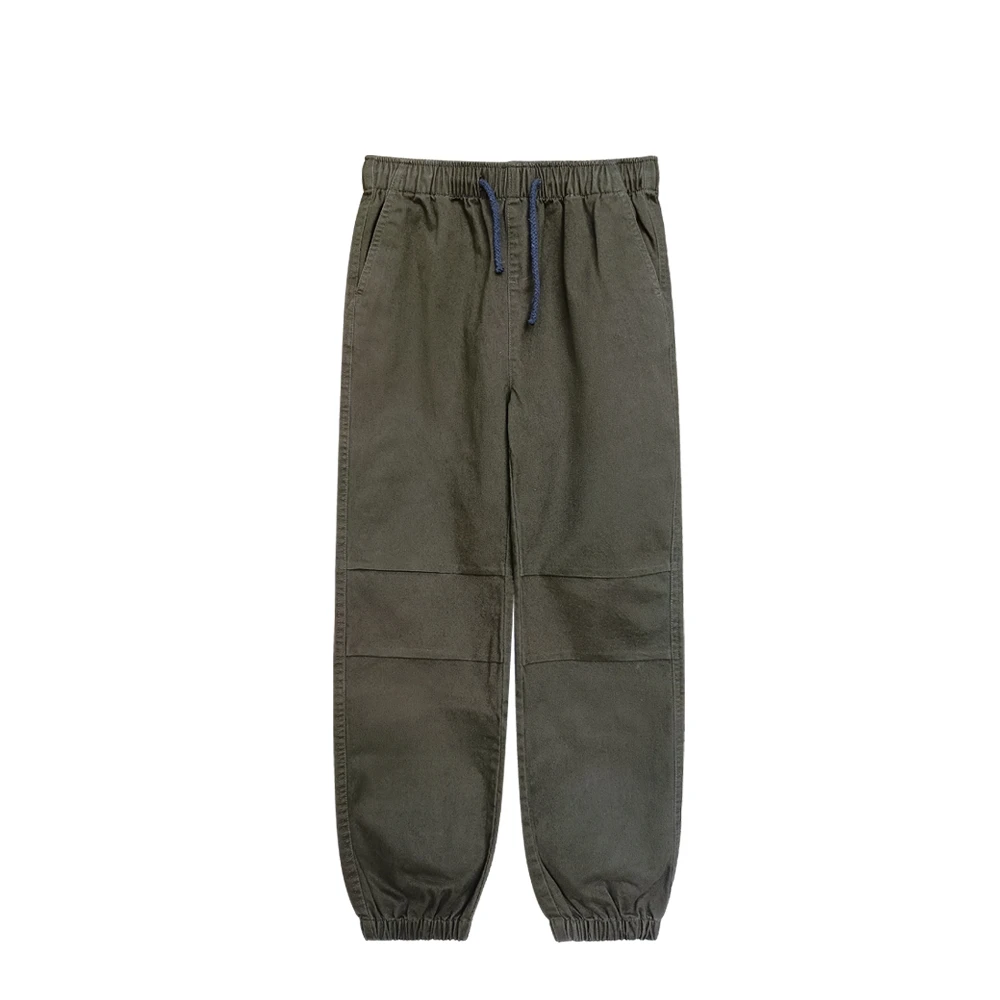
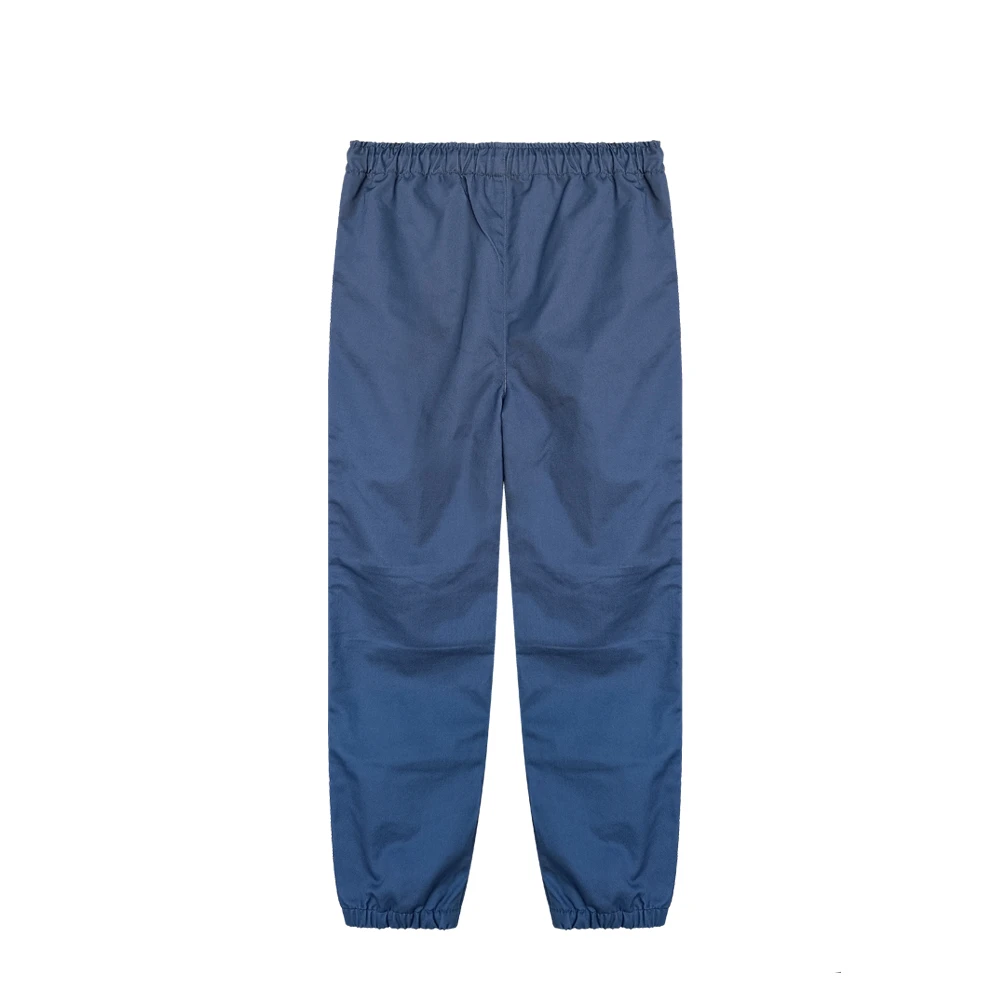
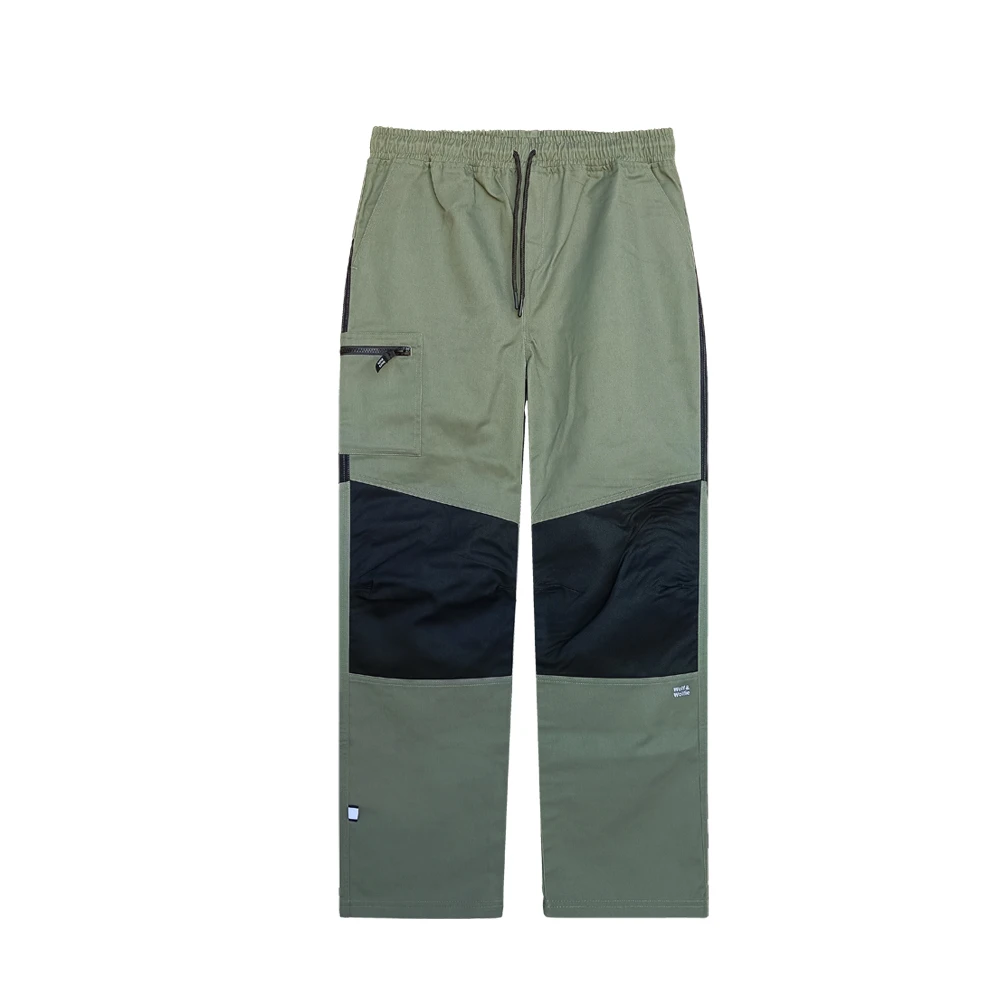
On the surface, kids hiking pants are trousers designed for children that provide comfort, durability, and protection during outdoor activities. Compared to regular pants, they often include reinforced knees, adjustable waistlines, moisture-wicking fabrics, and features like zip-off legs for adaptability.
In real terms, they bridge the gap between everyday clothing and specialized outdoor gear. Humanitarian groups sometimes distribute such garments in remote or disaster-stricken areas where kids need clothing that can handle rugged terrain or unpredictable weather safely. They’re part of a broader shift toward technical kids’ apparel that supports both lifestyle and safety, reflecting modern materials science combined with ergonomics.
Key factors that define quality kids hiking pants
1. Durability
Durability might be the first thing parents notice after one too many scrapes or mud puddles. Robust fabrics like ripstop nylon or reinforced polyester help these pants brave thorny bushes or rocky grounds without tearing prematurely. Many manufacturers use double stitching in high-stress areas —because honestly, kids don’t hold back.
2. Comfort & Fit
Soft, breathable fabrics that stretch a bit help ensure kids can move freely. Adjustable waists and articulated knees mean the pants grow a little with the child — or at least avoid the dreaded "too tight after two wears" problem.
3. Weather Protection
Many pants come with water-resistant coatings or quick-drying properties. Windproof or thermal liners extend their usability seasonally. Layering-friendly designs mean they’re part of an adaptable outdoor wardrobe.
4. Sustainability
Increasingly vital, many companies are turning to organic cotton, recycled polyester, or dye-free fabrics to lower environmental impact, addressing global concerns documented by ISO and other agencies.
5. Safety Features
Reflective strips for visibility on dusky trails or reinforced soles to prevent slipping on wet rocks make a tangible difference. These details answer real parental worries in practical ways.
Mini takeaway: Kids hiking pants blend ruggedness with clever details — durable yet comfy, protective yet sustainable.
Real-world uses: where kids hiking pants really come alive
- Family hiking trips: From national parks in the US to Europe’s alpine trails, kids hiking pants handle unpredictable weather and terrain.
- School outdoor programs: Many schools running outdoor education in Canada, Australia, and Scandinavia recommend them for all seasons.
- Humanitarian aid: NGOs distributing outdoor gear in mountainous regions of Nepal or Peru select hiking pants for durability and comfort under challenging conditions.
- Youth camps and scout organizations: Rugged clothing remains a key part of readiness for multi-day excursions.
These use cases show how the pants aren’t just apparel; they become tools for enabling adventure and safety, fostering connection with nature.
Advantages & long-term value of investing in quality kids hiking pants
First, there’s the cost aspect. While technical pants tend to cost more upfront, their durability means fewer replacements — important when kids grow quickly but also roughhouse harder.
Sustainability plays a big role too: eco-conscious fabrics lessen the impact on the planet, which seems vital when teaching children to appreciate the wilderness.
Emotionally, they give peace of mind. If your kid can tackle a slippery slope or a chilly morning trail without a shiver — that’s invaluable.
I’ve noticed parents mention that once they find a brand that “fits well and holds up,” they stick with it, trusting the brand with their kids’ safety and comfort.
Emerging trends in kids hiking pants
Materials innovation is quickening: blends that combine recycled fibers with water-repellent but breathable membranes are gaining traction.
Smart textiles that adjust to temperature or even incorporate UV protection add another layer of value.
Sustainability standards akin to the Global Organic Textile Standard (GOTS) are being adopted more widely, reflecting increased consumer demand for transparency.
And oddly enough, digital customization options letting parents order pants fitted to their kid’s unique measurements through online portals are starting to surface. It’s a small but neat shift from cookie-cutter sizing.
Challenges & solutions
One big hurdle? Balancing price versus performance. The better fabrics and tech often mean higher prices, which can limit accessibility.
To address this, some companies are creating durable “core” lines without all the bells and whistles, aimed at budget-conscious families.
Another issue lies in sizing — children’s proportions vary widely. Here, adjustable waists and stretchy panels are quick fixes but don’t fully solve the problem, which is where innovation in 3D scanning and AI-based sizing might someday help.
FAQ: Frequently asked questions about kids hiking pants
Q1: What materials are best for kids hiking pants?
A: Look for fabrics that combine durability with breathability — ripstop nylon or polyester blends are common. Water-resistant coatings help keep kids dry, while some pants also feature liners for colder weather.
Q2: How do I choose the right size if my child is between standard sizes?
A: Choose pants with adjustable waistbands and consider styles with stretch panels. Buying from brands offering detailed size charts and flexible return policies can save hassles. Online measurement tools are improving year by year.
Q3: Are environmentally friendly kids hiking pants actually effective in harsh conditions?
A: Yes, many sustainable brands test their fabrics rigorously. Recycling polyester or organic cotton doesn’t mean sacrificing durability. Look for certifications like GOTS or bluesign® to verify standards.
Q4: How can I care for kids hiking pants to extend their life?
A: Follow manufacturer instructions carefully — usually washing in cold water without fabric softeners helps preserve water-repellent finishes. Air drying rather than machine drying boosts longevity.
Q5: Can kids hiking pants be multi-seasonal?
A: Many designs offer layering compatibility, zip-off legs, or insulating liners. This versatility means you get more use as seasons change.
Product specification: a quick comparison of typical kids hiking pants
| Feature | Basic Model | Performance Model | Eco-Friendly Model |
|---|---|---|---|
| Fabric | Polyester Blend | Ripstop Nylon + Spandex | Recycled Polyester + Organic Cotton |
| Water Resistance | Light Coating | Hydrophobic Treatment | Eco-friendly DWR Finish |
| Adjustable Waist | Yes | Yes + Belt Loops | Yes |
| Reinforced Knees | No | Yes | Yes |
| Price Approx. | $25-$35 | $45-$60 | $40-$55 |
Vendor comparison: who’s leading the kids hiking pants game?
| Brand | Specialty | Sustainability | Average Price | Sizing Range |
|---|---|---|---|---|
| TrailTykes | Durability focus | Partial recycled materials | $30-$50 | 2T–12 years |
| GreenStep Kids | Eco-friendly textiles | GOTS certified, 95% recycled | $45-$70 | 3–15 years |
| MiniTrail Pro | Performance & fit | Mixed fabrics, some recycled | $40-$60 | 4–14 years |
Kids hiking pants carry an importance that goes well beyond style or casual wear. They are critical to enabling children safely and comfortably to explore the great outdoors, supporting sustainability, and even serving communities where rugged, adaptable clothing is a scarcity.
So next time you’re researching the best gear for your budding explorer, remember the deeper value of what’s on their legs — it’s a small but mighty piece of their adventure journey.
References:
1. United Nations Environment Programme, unep.org
2. International Organization for Standardization, Textile standards, iso.org
3. Global Organic Textile Standard (GOTS), global-standard.org
Pretty neat how even something as simple as pants can tell a story of innovation, care, and adventure, isn’t it?