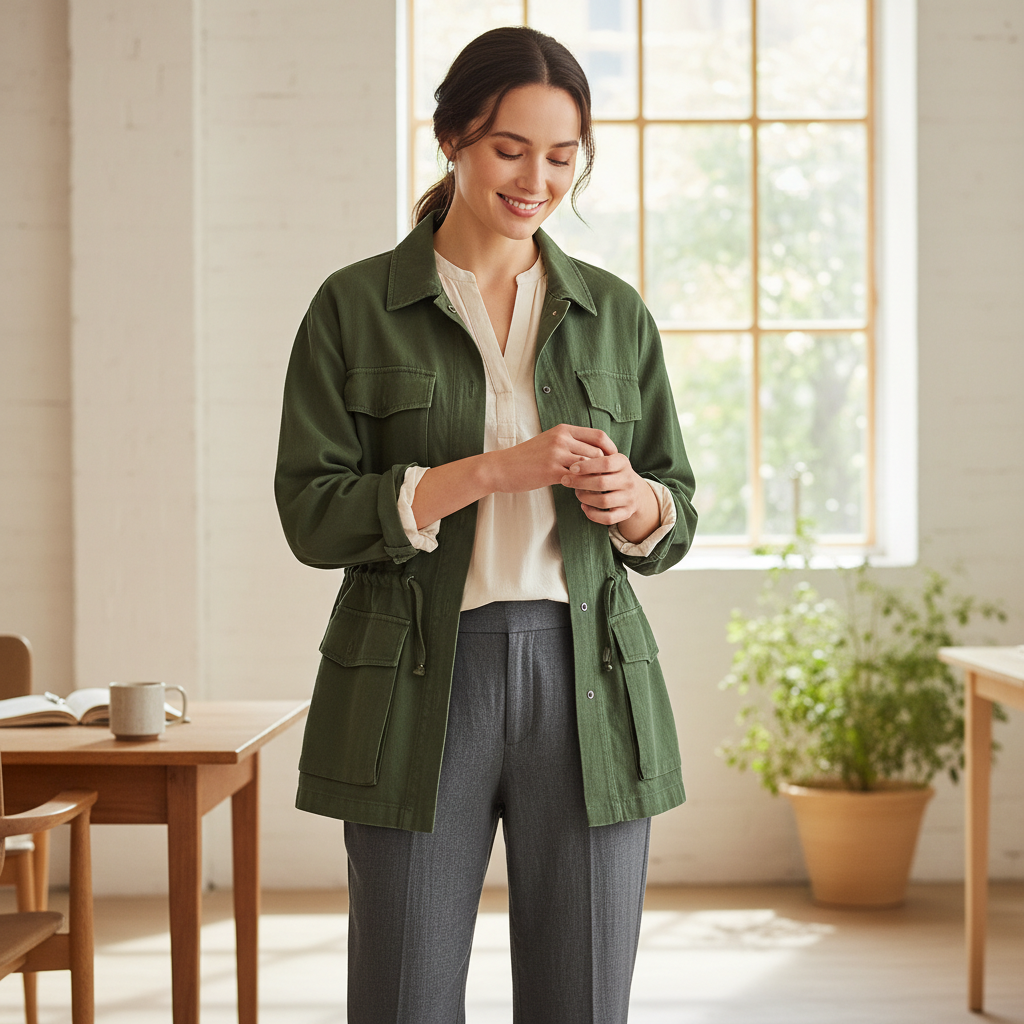
Understanding the Flannel Coat: A Warm Essential with Global Reach
Flannel coats are more than just cozy wardrobe staples. They represent a blend of practical warmth, classic style, and surprisingly broad relevance across industries and cultures worldwide. From chilly urban streets to remote humanitarian relief zones, these garments address fundamental needs — warmth, durability, and comfort. Understanding the flannel coat and its evolving role isn't just about fashion. It’s about recognizing a piece of clothing that reflects centuries of textile innovation and meets the global demand for practical, sustainable outerwear.
Frankly, while we often think of flannel as a casual fabric, the coat made from it packs a punch in versatility. So why should you care? Because in an increasingly unpredictable climate and a world more aware of sustainable practices, flannel coats stand at an interesting intersection of tradition, innovation, and eco-consciousness.
A Global Perspective on the Flannel Coat
The global outerwear market is expected to cross $40 billion by 2026, growing annually by roughly 4-5%, according to a recent ISO report. Among this demand, flannel coats hold a niche yet steady position. Countries with cold climates like Canada, the northern US, parts of Northern Europe, and even mountainous regions of Asia have long favored flannel for its warmth and breathability. Moreover, the advent of sustainable manufacturing has placed natural fibers like cotton—and blends used in flannel fabric—back in focus for reducing carbon footprints.
But there’s a challenge: standard coats often sacrifice breathability for insulation or durability for weight. The flannel coat strikes an interesting balance, often addressing these issues. For outdoor workers, emergency responders, and even in humanitarian settings, the need for reliable, comfortable outerwear that can perform under tougher conditions is ever-present.
What Exactly Is a Flannel Coat?
Simply put, a flannel coat is an outer garment made from flannel fabric, which is typically a soft, woven material brushed to create a fuzzy finish that traps heat. Originally made of wool, modern flannel is often cotton, or blends of cotton, wool, and synthetic fibers. This soft finish makes it not only warm but also comfy against the skin.
Nowadays, beyond just a fashion statement, flannel coats find connections to industrial uses and humanitarian needs — think durable yet breathable gear for harsh work environments or cold weather aid in crisis zones. Their natural insulating properties combined with durability mark them as practical choices over purely synthetic options.
Essential Traits of the Flannel Coat
1. Warmth & Insulation
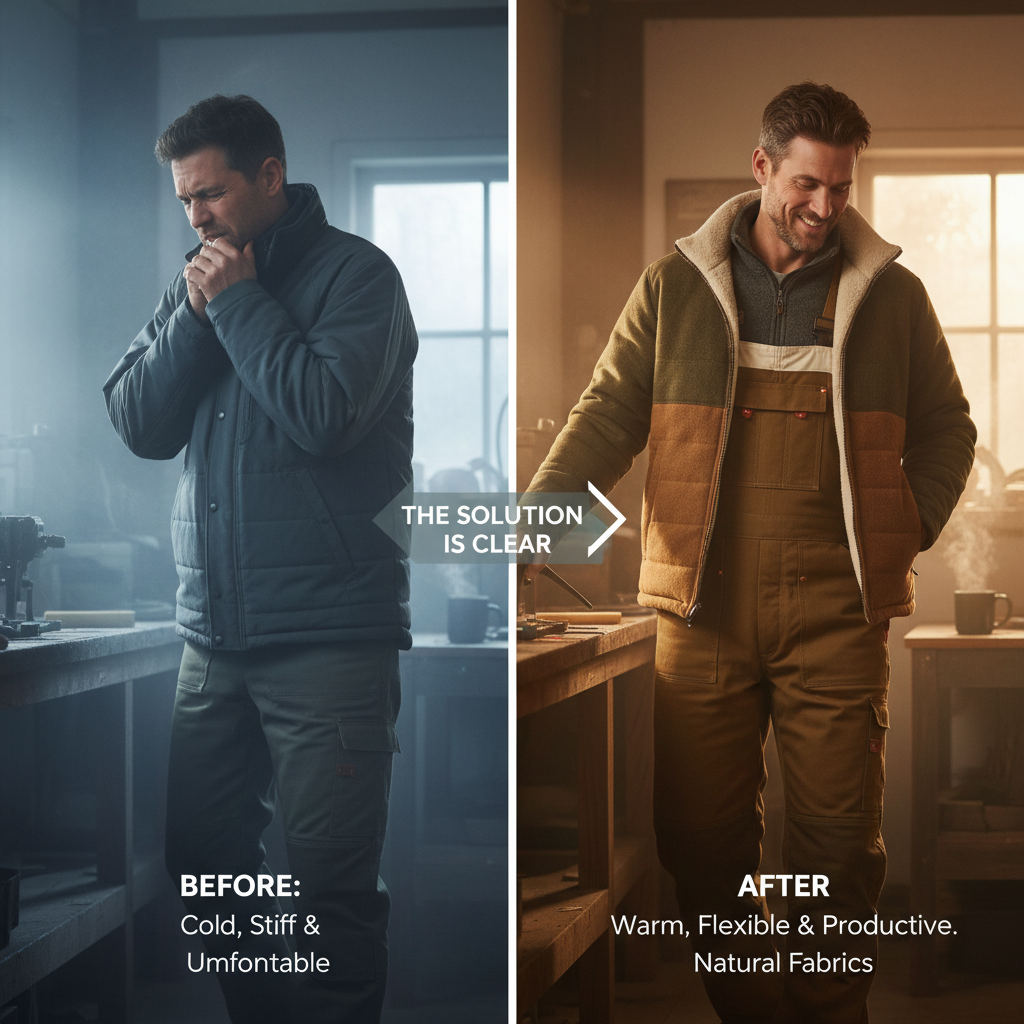
Flannel’s brushed texture traps a layer of warm air, which makes its coats glow in cold weather — without being bulky. Unlike heavier wool coats, they often offer warmth with a lighter feel. Many engineers say this is why flannel coats remain a top pick for layering in moderate cold.
2. Durability & Comfort
Contrary to some misconceptions, flannel coats can be quite durable, especially when blends include wool or synthetic fibers. The softness of flannel also adds an element of comfort that traditional heavy coats sometimes miss. You really feel the difference when wearing it for extended periods in rough conditions.
3. Style & Versatility
Flannel coats step easily from rustic outdoor wear to casual city style, making them a versatile choice. Whether it’s a plaid pattern for a classic feel or solid shades for understated elegance, the adaptability is notable.
4. Sustainability Considerations
Natural fibers like cotton and wool in flannel fabrics make flannel coats interesting for sustainability-focused producers. Cotton flannel, especially organic, breaks down more readily than synthetic coats in landfills and can sometimes be sourced with fewer chemicals—a relevant point as conscientious consumption grows globally.
Mini Takeaway:
The flannel coat is far more than a cozy layer; it’s the sum of warm practicality, lasting comfort, and modern sustainability—a trifecta that absolutely deserves a fresh look in today’s apparel markets.
Real-World Uses of Flannel Coats Around the Globe
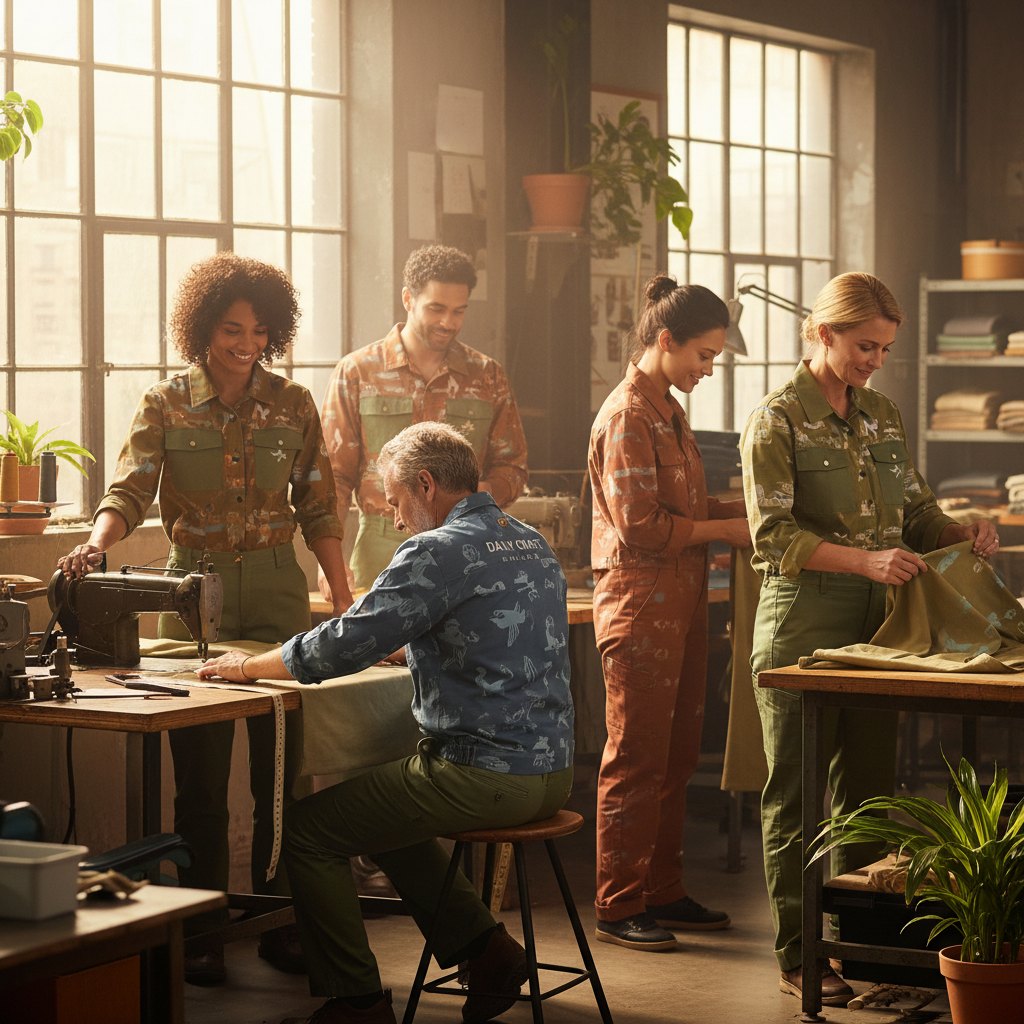
From the icy streets of Stockholm to the mountain villages in Nepal, flannel coats appear as trusted companions. In industrial settings — especially logging, farming, and outdoor construction — workers rely on flannel coats to keep warm without restricting movement. Oddly enough, even some relief organizations pack flannel coats for cold region aid because they combine comfort with easy layers.
- North America: Traditional use in lumberjack culture and rural communities.
- Europe: Urban casual wear evolving towards sustainable production.
- Asia: Emerging markets use flannel blends in practical everyday workwear.
- Humanitarian Relief: Used in colder zones for emergency distribution due to warmth and lightweight nature.
Not to forget, many outdoor enthusiasts favor flannel coats for their breathability compared with synthetic insulated jackets — a factor sometimes overlooked.
Advantages and Long-Term Benefits You Might Not Have Considered
Looking beyond the obvious, the flannel coat offers some compelling advantages:
- Cost Efficiency: Generally affordable and long-lasting, flannel coats require less frequent replacement.
- Sustainability Impact: Natural fibers and often simpler manufacturing reduce environmental burden.
- Social Impact: Garments made of flannel support traditional textile industries, often in rural or developing regions.
- Emotional Comfort: Wearing a soft flannel coat can boost mood on gloomy cold days — something science backs with the connection between tactile comfort and emotional wellness.
Product Specification Table
| Specification | Typical Range | Notes |
|---|---|---|
| Material | 100% cotton, cotton/wool blend | Natural fibers preferred for warmth & sustainability |
| Weight | 300-450 gsm (grams per square meter) | Heavier weight for colder climates |
| Insulation | Moderate to high | Brushed fabric traps warm air |
| Style | Classic plaid, solid colors | Timeless look with urban & rural appeal |
| Care | Machine wash cold, gentle cycle | Avoid high heat drying to preserve fabric |
Vendor Comparison of Popular Flannel Coat Brands
| Brand | Material | Price Range | Sustainability | Availability |
|---|---|---|---|---|
| Northwoods Outfitters | Cotton/Wool blend | $150 - $220 | Uses recycled wool | North America, Europe |
| GreenField Apparel | Organic cotton flannel | $130 - $180 | Certified organic & Fair Trade | Global, online |
| Metro Threads | Cotton blend | $90 - $140 | Low emphasis online | Mostly US urban retailers |
Looking Ahead: Innovations in Flannel Outerwear
The textile world hasn’t stood still. Innovations like moisture-wicking flannel blends, antibacterial treatments, and even the integration of recycled synthetic fibers are shaking things up. Environmental policies encouraging reduced chemical usage influence mills to develop better dyeing techniques with less water waste. Meanwhile, digital design tools allow brands to customize fit and pattern with fewer samples, reducing waste and improving consumer satisfaction.
Perhaps most interestingly, some manufacturers are exploring “smart textiles,” embedding temperature-regulating or sensor technology into traditionally natural fabrics. Imagine a flannel coat that adapts insulation as your body temperature shifts.
The Challenges Flannel Coats Face and How Industry is Responding
Not everything is rosy. Flannel can sometimes pill or lose softness over time, and untreated cotton flannel may absorb moisture, making it feel clammy in damp weather. Manufacturers combat these by blending with synthetics, using special weaves, or applying durable water repellents (DWR) that maintain breathability.
Moreover, high-quality flannel coats can come at a premium price point, which limits access for some. Brands now are finding ways to streamline production, collaborating with ethical suppliers to keep costs manageable without sacrificing ethics or quality.
FAQ: Practical Questions About Flannel Coats
Q: What makes a flannel coat better than other warm coats for everyday use?
A: Flannel coats balance warmth and breathability exceptionally well thanks to their unique brushed fabric. They’re lighter than heavy wool or down coats, making them ideal for layering or moderate cold. Plus, the natural fibers make them comfortable for prolonged wear without trapping moisture excessively.
Q: How do I care for my flannel coat to keep it lasting long?
A: Generally, machine wash your flannel coat on a gentle, cold cycle to avoid shrinking or damage. Avoid high-heat dryers — instead, air drying keeps the fabric stable. Occasionally, brushing the coat can help maintain its soft nap and remove pills.
Q: Are flannel coats sustainable and eco-friendly?
A: When made from organic cotton or wool, especially with fair-trade certifications, flannel coats rank fairly well in sustainability. Their durability means fewer replacements, and natural fibers biodegrade more readily than synthetics.
Q: Can flannel coats be used for outdoor work or emergency relief settings?
A: Absolutely. Their warmth-to-weight ratio and comfort make them popular for outdoor labor. NGOs often include flannel coats in cold weather kits for displaced persons, combining utility with comfort.
Conclusion: Why the Flannel Coat Still Matters
So, the flannel coat endures not just because it looks good, but because it performs. In a world increasingly concerned with sustainable fashion, comfort, and versatility, it hits a sweet spot. The humble flannel coat carries legacy, technical nuance, and global application all wrapped in a warm, familiar hug.
Curious to dive deeper or pick out your own perfect flannel coat? Check out our full collection at flannel coat and embrace warmth with a conscience.
Quick Recap:
- Flannel coats provide durable warmth and style in many global contexts.
- Sustainability and innovation are reshaping how flannel coats are made and worn.
- Care and material quality impact longevity, making thoughtful purchases worthwhile.