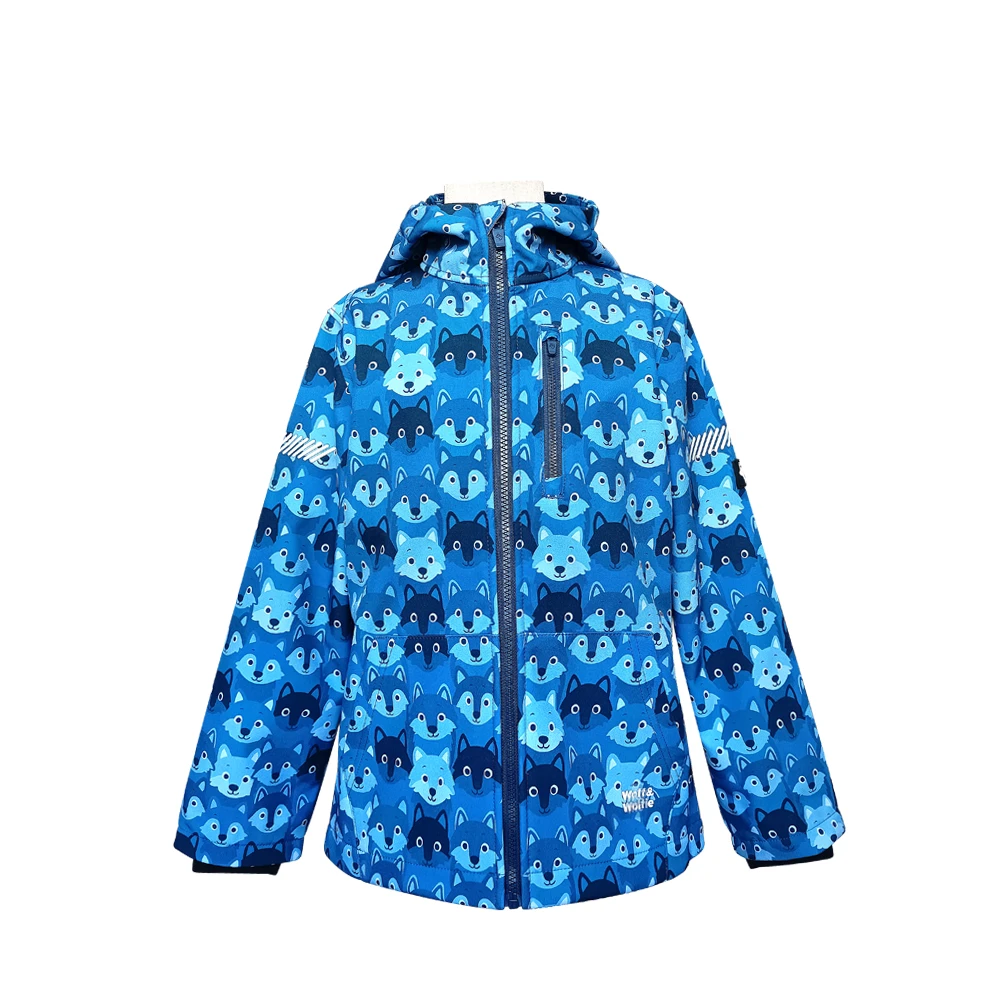
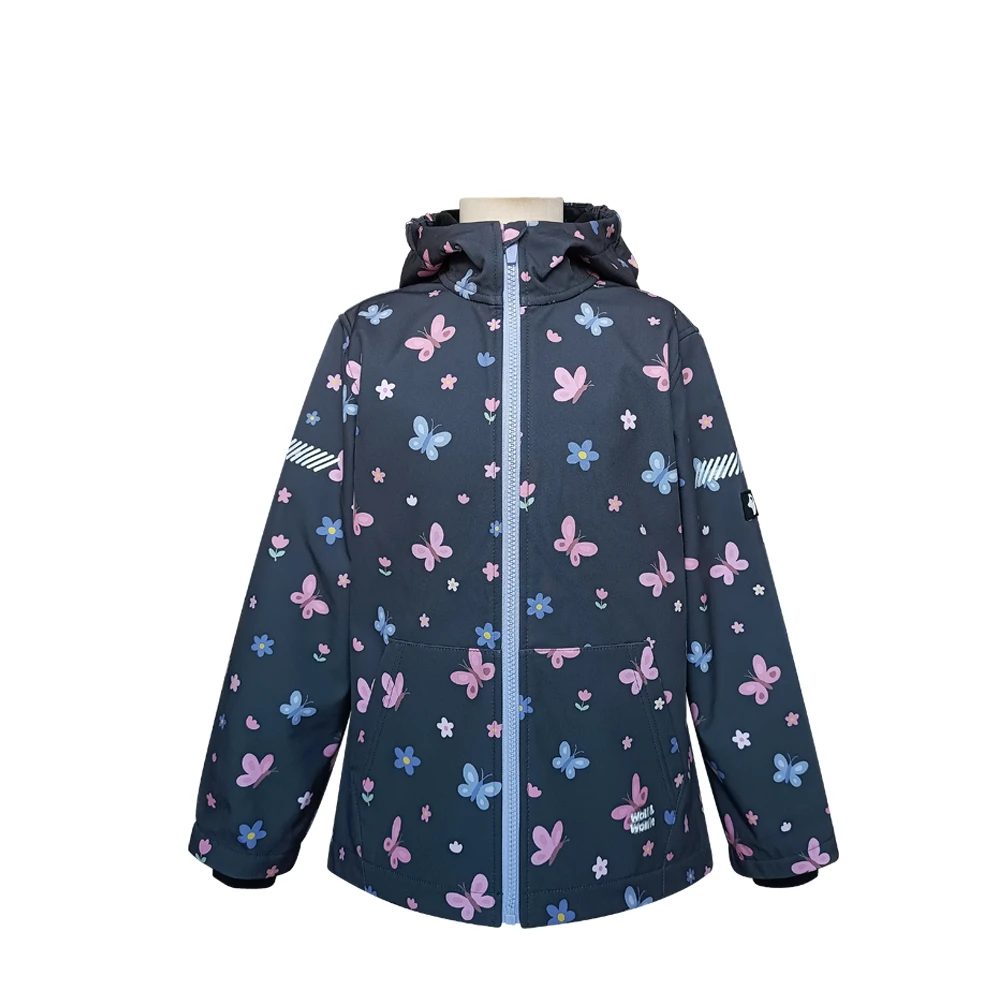
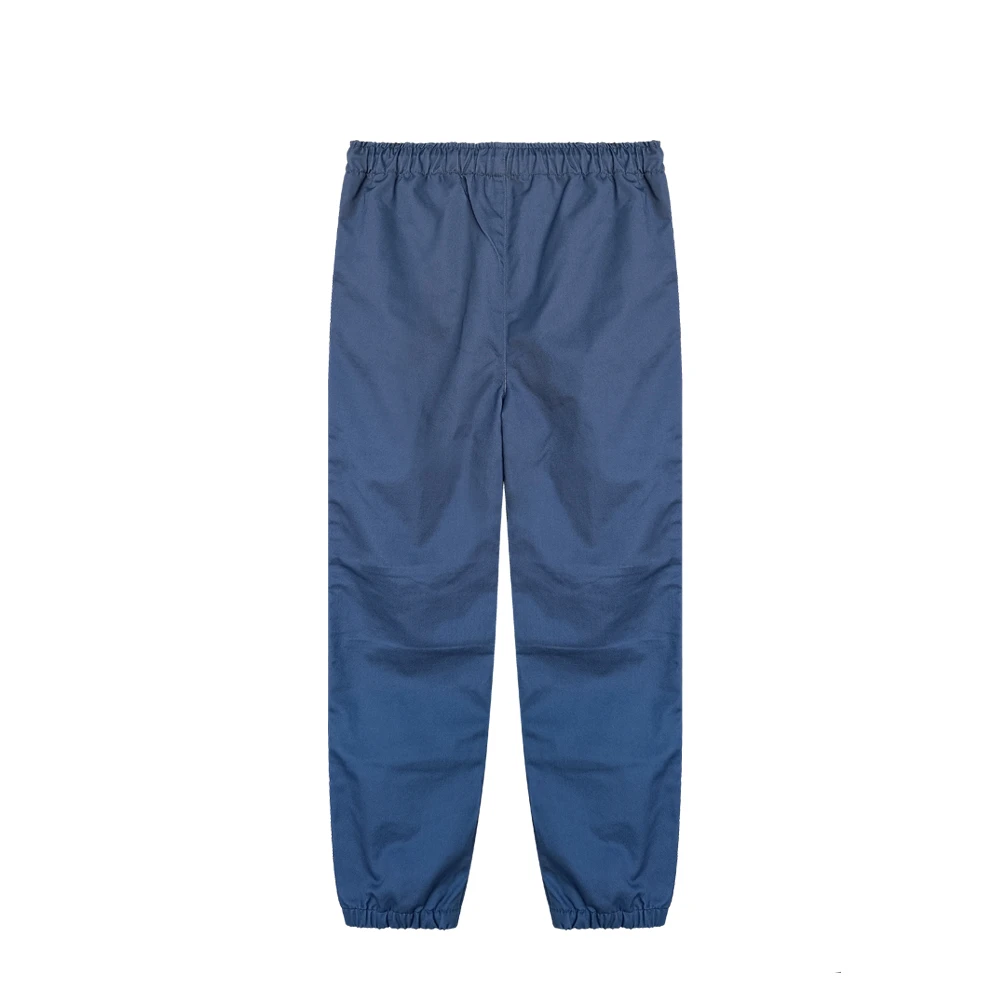
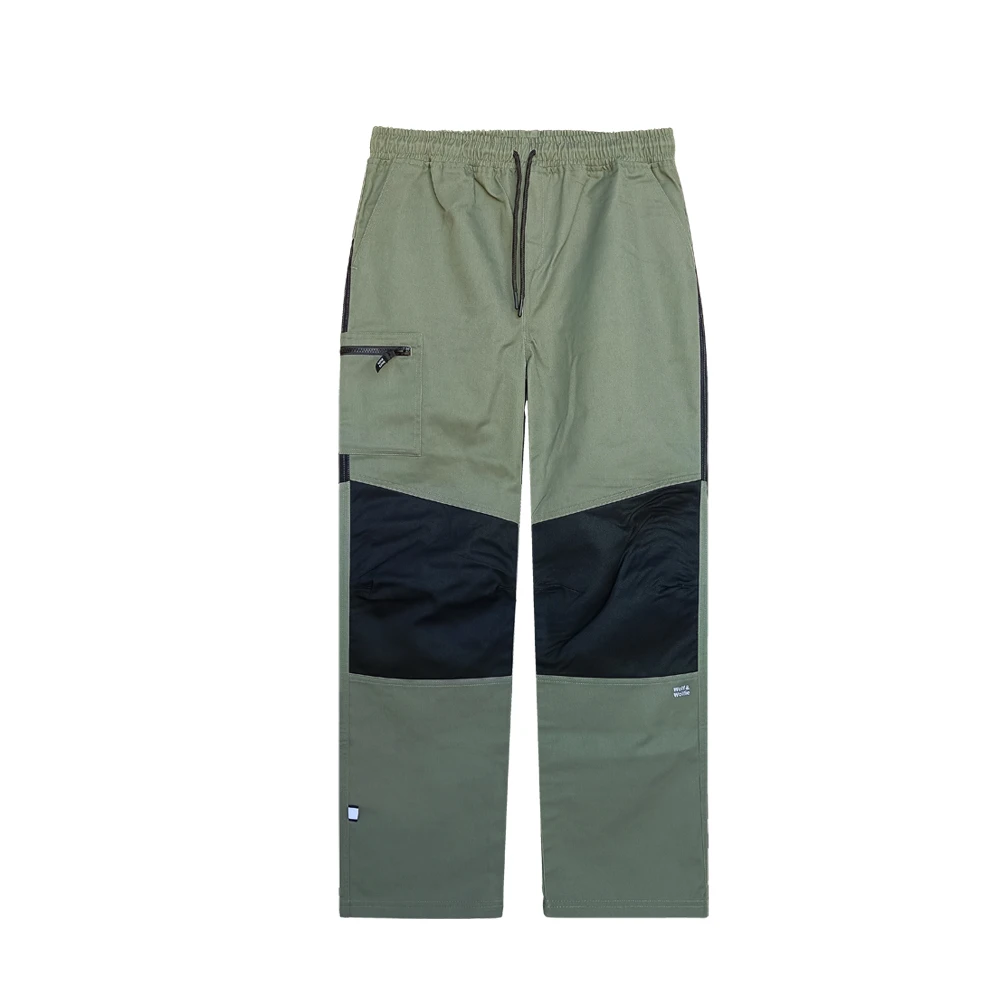
Duck Raincoat: A Timeless Shield in Weather Protection
When you think about staying dry during heavy rain or stormy weather, the duck raincoat might not pop up immediately unless you’ve worn one or heard about their rugged reputation. Yet, this humble, water-resistant garment remains a staple in both workwear and fashion arenas worldwide — and for good reasons. Understanding the duck raincoat, its design benefits, and its evolving role globally unlocks insights into durable, sustainable rainwear suited to a variety of needs.
Introduction: Why the Duck Raincoat Matters Globally
Globally, intense weather patterns have become increasingly frequent, with recorded precipitation anomalies rising in many regions according to the World Meteorological Organization. Reliable waterproof clothing is no longer just a convenience but often a necessity, especially for outdoor workers and communities battling harsh climates. The duck raincoat fills a critical niche—not just as a functional garment but a practical solution reducing water exposure risks and improving outdoor safety.
In countries subject to heavy rain or coastal storms—think parts of Northern Europe, the Pacific Northwest in the U.S., or monsoon-heavy South Asia—durable rain gear can make or break a day’s work or an emergency response operation. Oddly enough, while synthetic fabrics dominate modern rainwear, many still prefer the rugged, natural cotton duck fabric, treated for water resistance, for its breathability and strength.
What Is a Duck Raincoat?
The term “duck” in duck raincoat doesn’t refer to the bird but a tightly woven, heavy cotton fabric, also called canvas duck. When treated with waxes or oils, it becomes remarkably water-resistant—thus the “duck raincoat.” It’s a classic piece originally designed to withstand water and wind, primarily worn by fishermen, sailors, and laborers exposed to wild outdoor conditions.
In modern terms, it bridges traditional craftsmanship and contemporary needs. Many industries appreciate duck raincoats for their durability without sacrificing comfort—qualities especially relevant in humanitarian and industrial sectors requiring long-lasting, reliable gear.
Key Factors Defining a Quality Duck Raincoat
1. Durability
Duck fabric is dense and heavy, typically weighing between 8 to 12 ounces per square yard. This dense weave resists tearing and abrasion much better than lighter fabrics. It proves its worth over years of rough use, especially in jobs demanding resilience.
2. Water Resistance
The magic happens through treatments. Waxing and oil treatments form a hydrophobic layer that sheds water but can be reapplied, prolonging the coat’s effectiveness. This is different from laminated fabrics which trap moisture inside; duck fabric breathes, reducing internal humidity.
3. Comfort & Breathability
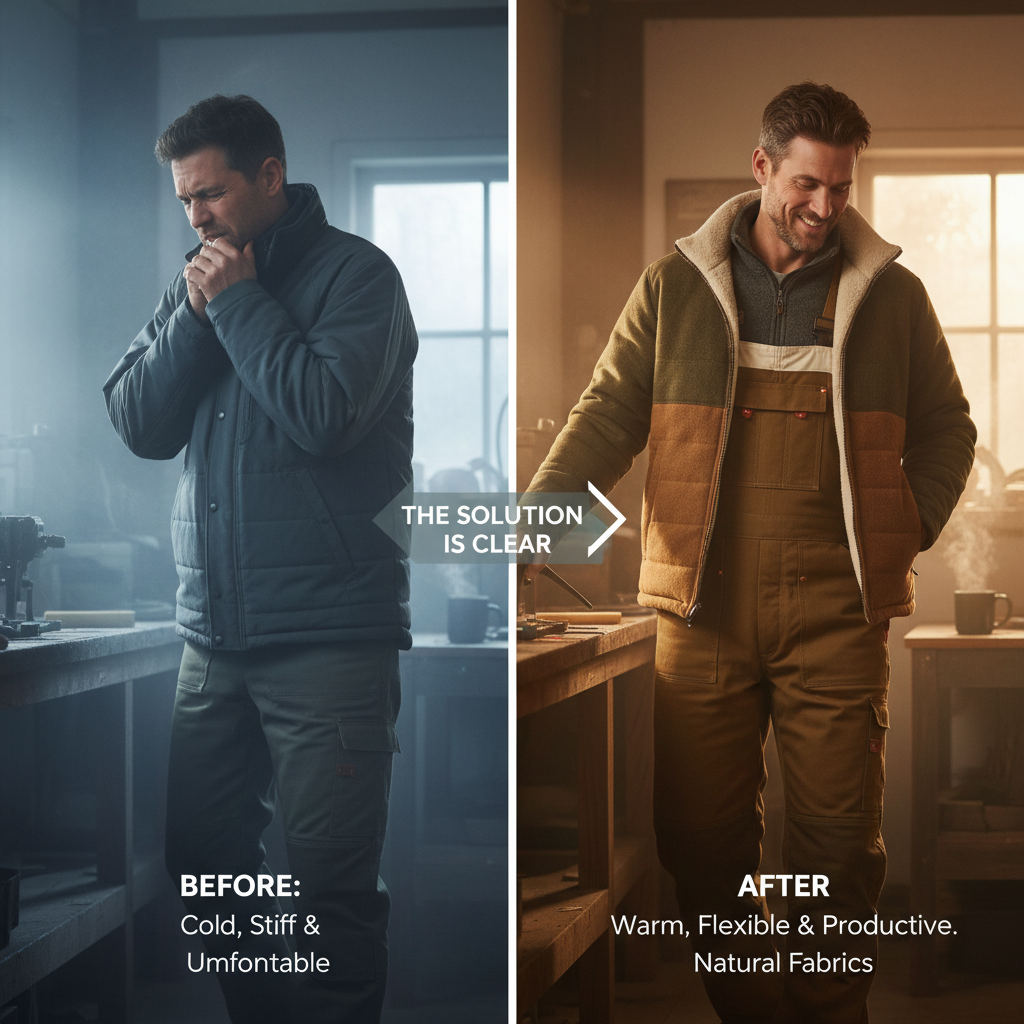
Unlike fully synthetic rain gear that can feel suffocating and trap sweat, duck fabric allows some air exchange, an important factor for outdoor wearers who are physically active.
4. Aesthetic & Function
There’s a certain classic charm to a duck raincoat. It’s not just workwear but a fashion statement with vintage allure, making it popular beyond purely functional uses.
Duck Raincoat Specifications
| Feature | Details |
|---|---|
| Fabric Type | Cotton duck canvas (wax/oil treated) |
| Weight | 8–12 oz/sq yd |
| Water Resistance | Highly water-resistant (re-waxable) |
| Breathability | Moderate, natural ventilation |
| Durability | Excellent abrasion resistance |
Global Applications & Use Cases of Duck Raincoats
You see duck raincoats featured widely—from fishermen braving North Atlantic storms to oil rig workers on offshore platforms, and even in humanitarian aid. For instance, emergency responders in flood zones often choose duck raincoats because traditional synthetics tend to wear out or fail quickly under harsh conditions. In Southeast Asia, where monsoons hit hard, farmers and construction workers rely heavily on this gear to maintain productivity through rain-soaked seasons.
Moreover, NGOs engaged in disaster relief appreciate duck raincoats’ durability and repairability. When you’re deploying gear in remote locations, easy maintenance and long service life are practical necessities.
Vendor Comparison: Leading Duck Raincoat Brands
| Brand | Fabric Weight | Water Repellent | Pricing | Best Use |
|---|---|---|---|---|
| Brand A | 10 oz | Waxed oil finish | $$ | Outdoor workers, fishermen |
| Brand B | 12 oz | Synthetic waterproof coating | $$$ | Industrial use, fashion |
| Brand C | 8.5 oz | Waxed canvas | $ | Casual & functional wear |
Advantages & Long-Term Value of Duck Raincoats
- Cost Efficiency: Though slightly pricier upfront, wax treatments can be renewed indefinitely, extending garment life.
- Sustainability: Cotton duck is biodegradable and often sourced from responsible suppliers, making it an eco-friendlier choice versus synthetics.
- Reliability: Proven over centuries; tough enough for the harshest environments.
- Emotional Impact: Wearing a duck raincoat connects people to a heritage of craftsmanship and resilience — not just a piece of plastic!
Looking Ahead: Future Trends in Duck Raincoat Technology
Materials science innovations are experimenting with nano-coatings, combining water repellency with breathability without relying solely on wax. Additionally, some manufacturers explore fully organic wax options and integration with smart textiles—imagine raincoats that change color to signal weather changes or track environmental data.
On the policy front, stricter environmental regulations encourage brands to minimize harmful chemical water repellents, trending back to natural, duck-style coatings. There’s also growing interest in local manufacturing to reduce carbon footprints, which seems well suited to handcrafted duck raincoat production.
Challenges & Solutions in Duck Raincoat Use
The primary drawback is that duck raincoats require upkeep. Unlike “wash-and-forget” synthetics, re-waxing is a commitment some users find inconvenient. Also, the added weight and longer drying time post-exposure can be a drag in fast-paced environments.
That said, some brands now ship re-wax kits or partner with local tailors for service, making care easier. Plus, new blends with polyester fibers help reduce weight while preserving breathability and durability.
Frequently Asked Questions About Duck Raincoats
- Q1: How do I properly maintain my duck raincoat to ensure longevity?
- A1: Refresh the water-resistant wax coating every 6–12 months, depending on use. Clean the coat by brushing off dirt, avoid machine washing, and reapply wax evenly to maintain water repellency and flexibility.
- Q2: Are duck raincoats suitable for extreme cold weather?
- A2: Duck raincoats provide wind and water protection but have limited insulation. Layering with warm undergarments is recommended for cold climates.
- Q3: Can duck raincoats compete with modern synthetic rain gear?
- A3: Yes and no. Duck raincoats excel in durability and breathability but weigh more and need upkeep. Synthetics usually offer lighter weight and easier care but may lack long-term durability.
- Q4: Is it environmentally responsible to choose duck fabric over synthetics?
- A4: Generally, yes. Cotton duck is biodegradable and often sourced sustainably, whereas synthetics derive from fossil fuels and contribute microplastics to waterways.
Conclusion: Embracing the Duck Raincoat’s Enduring Appeal
In real terms, the duck raincoat is much more than a rain barrier. It’s a durable companion for outdoor workers, a sustainable alternative for the environmentally conscious, and a timeless piece of apparel that quietly marries tradition with practicality. Next time you need dependable rainwear, consider the duck raincoat’s blend of heritage, function, and future-forward potential.
For high-quality duck raincoats that honor this legacy, explore our selection at https://www.softshell-clothing.com.
Takeaway: Sometimes the best solutions come from time-tested traditions reimagined for today’s challenges.