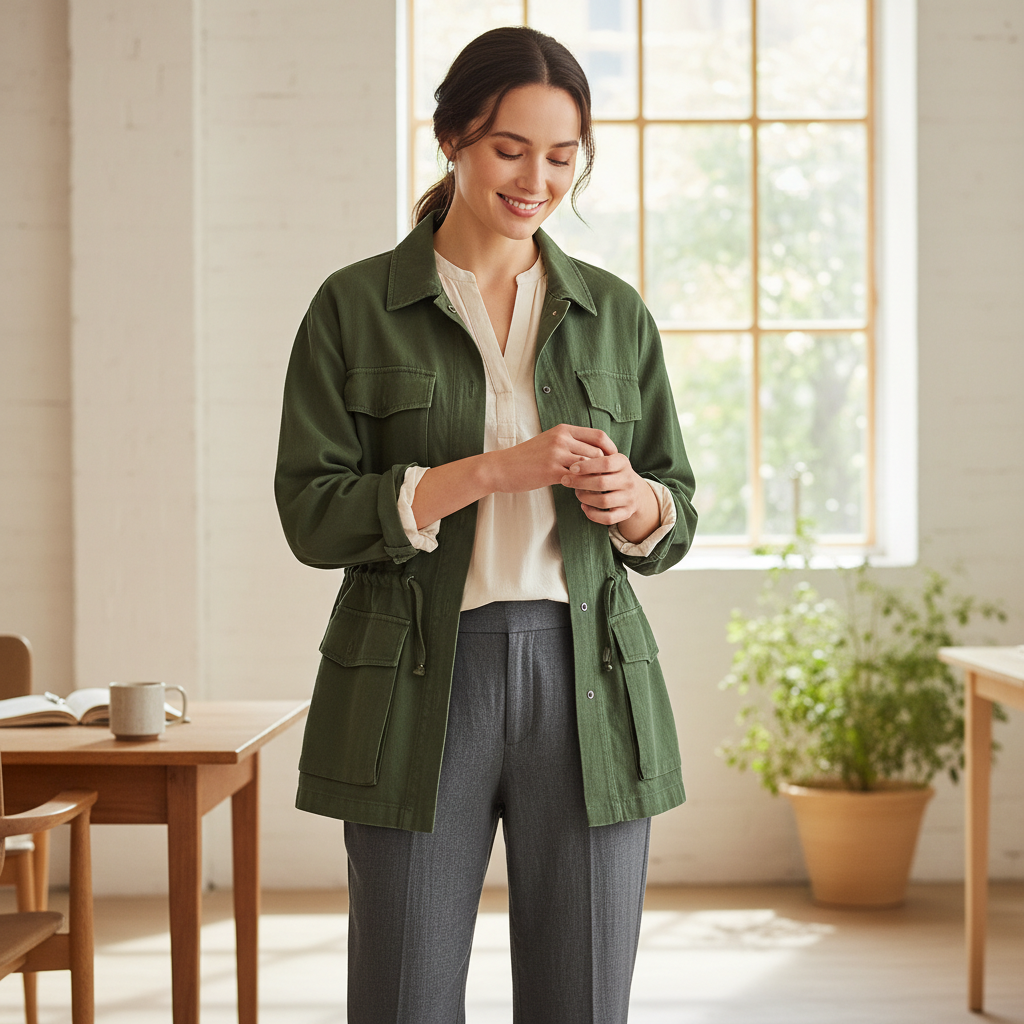
Fashion Clothes: More Than Just Style — A Global Perspective
Fashion clothes? It’s easy to think of them as purely aesthetic — just what you pour over yourself in the morning to look good. But there's a deeper story unfolding worldwide. From bustling urban centers to remote communities, the way fashion clothes are designed, produced, and used is intertwined with culture, economy, and technology on a massive scale. Understanding fashion clothes connects us to global supply chains, sustainable innovation, and even social empowerment. It’s more than fabric and thread; it’s a powerful tool for identity, commerce, and sometimes survival.
In fact, the global apparel market was valued at over $1.7 trillion in 2023, according to latest industry stats. Yet, it grapples with challenges like environmental impact and fair labor practices. Fashion clothes matter because they touch every one of us and shape economies and the environment — and our choices ripple on.
The Global Context: Why Fashion Clothes Are So Crucial Today
Look around. According to the United Nations Industrial Development Organization (UNIDO), the textile and apparel industry directly employs over 60 million people worldwide. It’s a key sector for many developing economies spanning Asia, Africa, and Latin America. However, this industry is also responsible for a significant chunk of water and energy consumption, alongside waste generation — a classic example of the fashion paradox.
“Fast fashion” has fuelled massive growth, but it also pressures brands to innovate more sustainable and scalable production methods. And it’s not just about making something pretty: apparel design needs to keep pace with new societal demands like eco-conscious fibers, smart textiles, and ethical manufacturing. It’s a mountain to climb, but with plenty of opportunity to climb it.
Mini Takeaway:
- Fashion clothes impact social, economic, and environmental spheres globally.
- Rapid industry growth demands innovative, sustainable solutions.
What Exactly Are Fashion Clothes?
At its core, fashion clothes are garments produced not just for necessity but for style, expression, and identity. This includes everything from casual wear and high-end couture to specialized protective clothing. The term often blends artistic creativity with industrial manufacturing processes, striking a balance between aesthetics and functionality.
Beyond the catwalks, fashion intersects with technology — think moisture-wicking activewear or clothes embedded with sensors. Today’s fashion clothes serve practical needs like comfort, weather protection, and performance, while also meeting cultural and ethical standards. The modern industry mirrors society’s values, economic realities, and, frankly, our quirks.
Mini Takeaway:
- Fashion clothes combine style with utility and cultural expression.
- They bridge personal needs and large-scale industry challenges.
Key Factors Behind Fashion Clothes
1. Durability & Material Quality
Durability remains a fundamental factor. Nobody wants a shirt that fades after two washes — remember that last disappointing pair? High-quality fabrics and stitching can extend lifespan, making clothes feel worth the price. From organic cotton to recycled polyester, materials science is evolving fast, impacting feel and sustainability.
2. Cost Efficiency & Accessibility
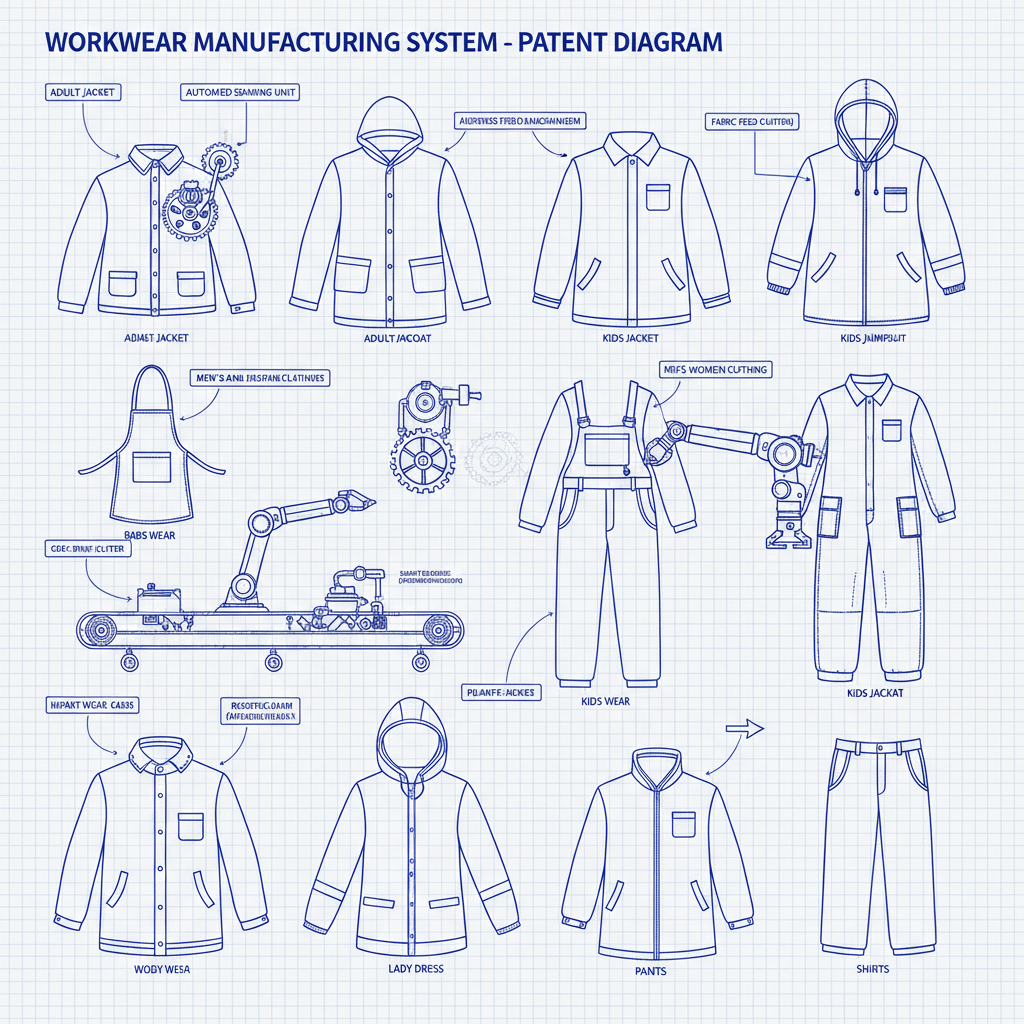
We all want to look good without breaking the bank. Affordable fashion clothes drive mass-market appeal but balancing cost with ethics and quality is a tightrope walk. Production automation and smarter supply chains help companies provide affordable options without sacrificing too much on quality or worker welfare.
3. Sustainability & Environmental Impact
With a growing crunch from climate change and resource overuse, sustainable fashion clothes — think biodegradable fabrics, waterless dyeing — grab headlines. Supply chains are becoming more transparent to cut down waste and pollution. Circular fashion, where clothes are recycled into new pieces, shapes the future of the industry.
4. Scalability & Flexibility in Production
Global brands need to adapt fast to trends and demands. Scalable production systems — through modular factories or digital workflows — allow swift reaction without massive stockpiles. This is especially true for seasonal lines or regional markets with different tastes.
5. Social Responsibility & Fair Labor
Ethics are no longer marketing fluff. Customers, investors, and governments push companies to ensure fair wages, safe factories, and community development. Transparent sourcing and certifications (like Fair Trade or GOTS) support trust and brand loyalty.
Mini Takeaway:
- Quality, cost, sustainability, scalability, and ethics form the backbone of modern fashion clothes.
- These aspects affect everything from manufacturing to consumer trust.
Global Applications & Real-World Examples
Fashion clothes aren’t confined to glamorous runways. They’re essential in various contexts:
- Disaster Relief: Durable, functional clothes are crucial in emergency kits for displaced communities, providing not just protection but dignity.
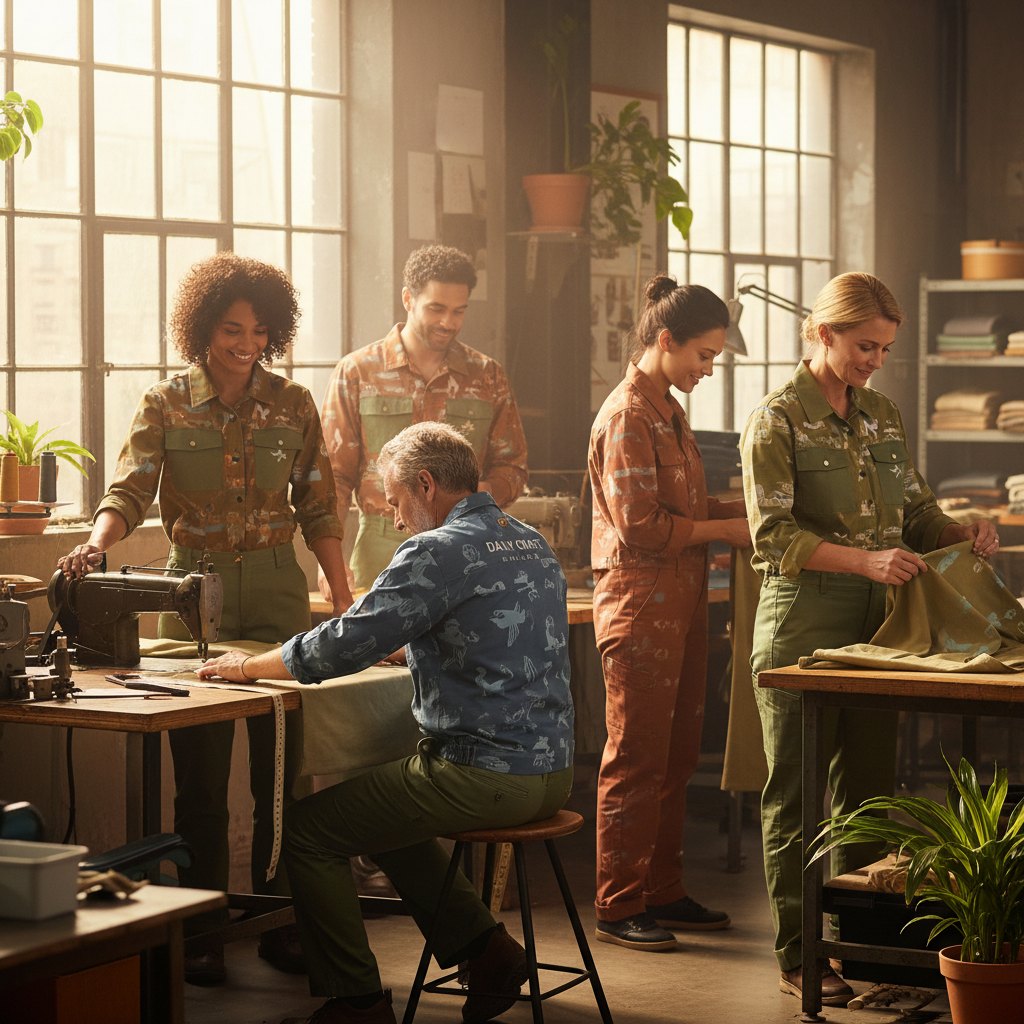
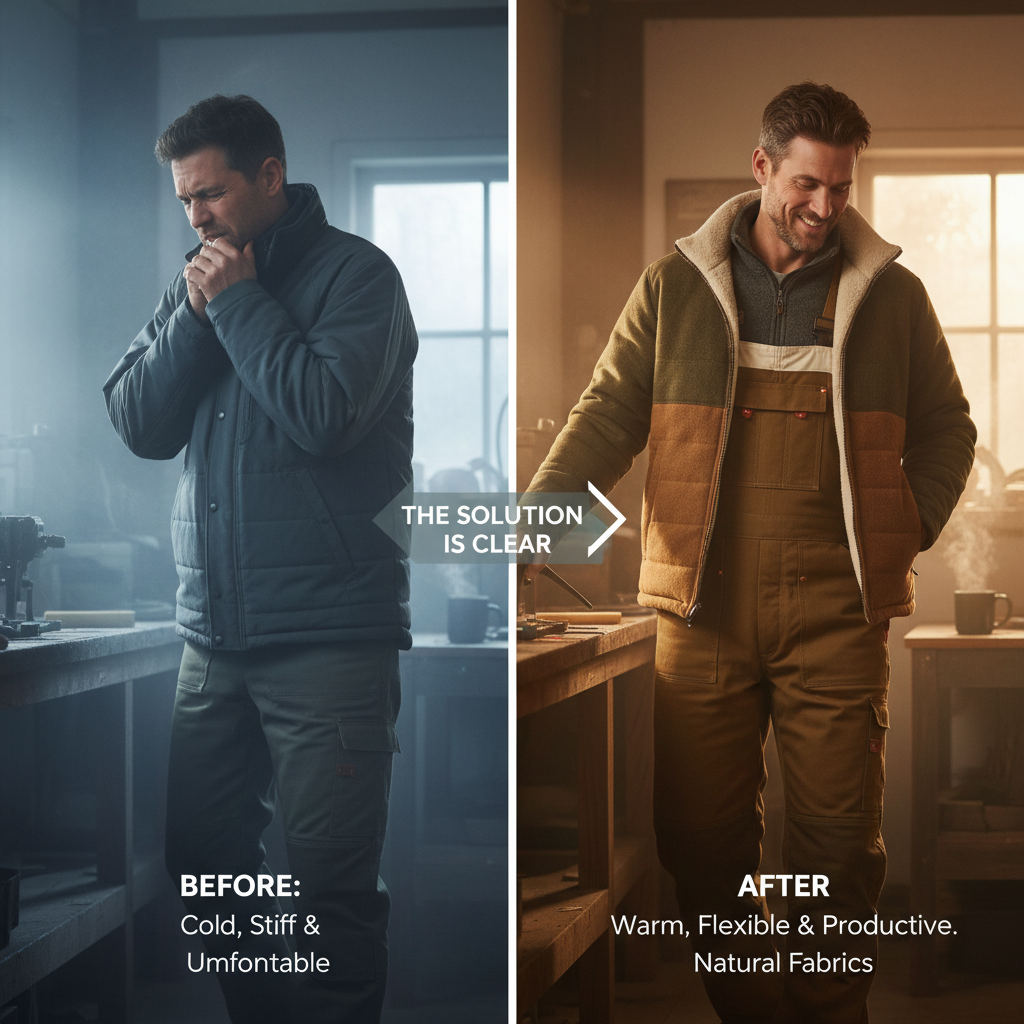
- Industrial Workwear: High-visibility, flame-resistant fabrics serve miners, construction workers, and factory employees worldwide.
- Sports & Outdoor: Innovation thrives in activewear brands producing lightweight, breathable, yet protective gear.
- Cultural Preservation: Ethnic and traditional fashion clothes sustain heritage and support craft economies, especially in Indigenous and rural areas.
In Asia, brands like Uniqlo have revolutionized affordability paired with tech (HeatTech), while Europe pushes sustainable luxury. Africa’s growing textile scene revives local fashion and challenges fast fashion norms. Entire industries often pivot quickly to meet both ecological concerns and consumer expectations.
Mini Takeaway:
- Fashion clothes span multiple sectors — humanitarian, industrial, sports, and cultural.
- Regional innovation reflects local needs and global trends.
Advantages & Long-Term Value of Investing in Quality Fashion Clothes
On a practical level, investing in better quality fashion clothes pays off by:
- Reducing waste — less need to replace damaged items.
- Saving money over time despite higher initial costs.
- Promoting sustainability through eco-friendly materials and processes.
- Supporting fair labor, which creates stronger communities.
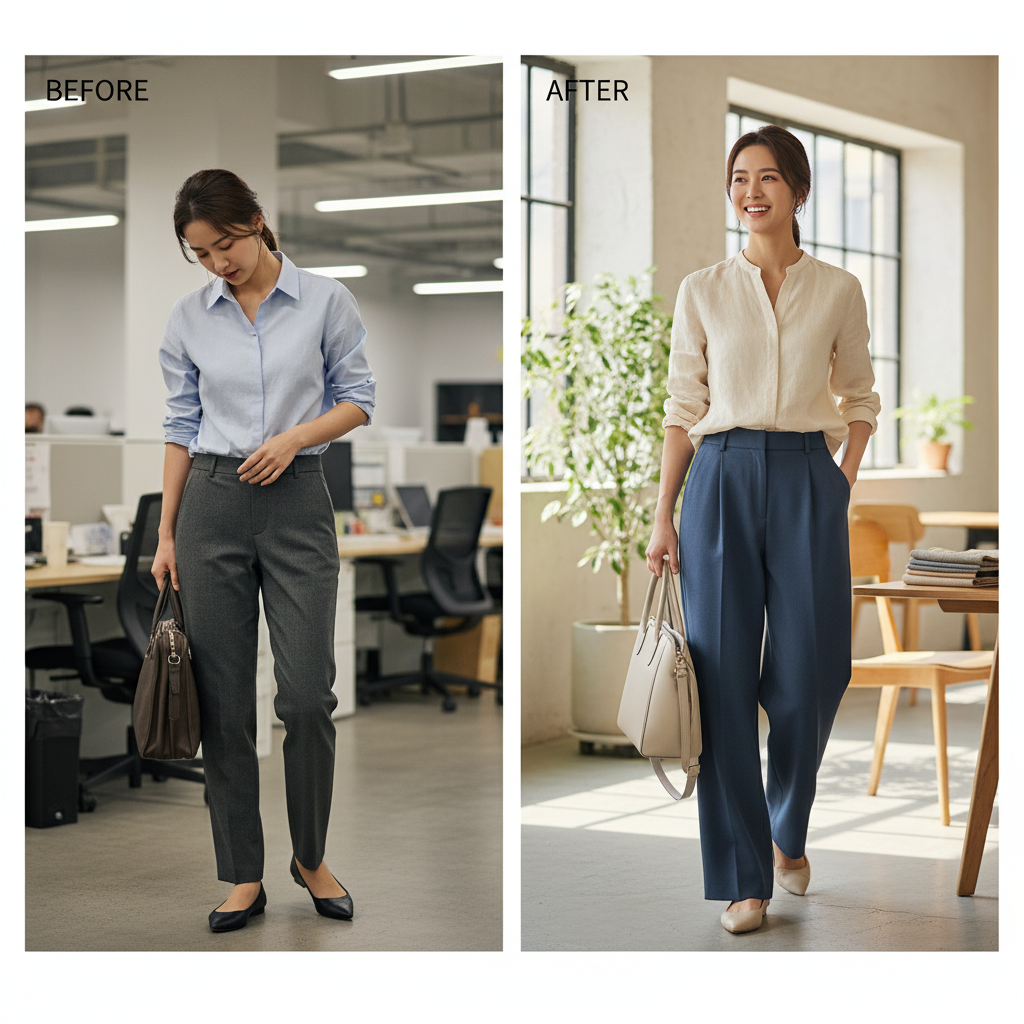
- Enhancing wearer confidence and comfort — sometimes the small dignity boost is underrated.
Emotionally, clothes connect us to identity, culture, and self-expression. The right garment can empower and inspire, making the intangible gains just as vital. Brands that prioritize innovation and ethics tend to build trust and resilience over trend cycles.
Product Specification Table: Example Technical Details of Common Fashion Clothes
| Feature | Material | Durability (Wash Cycles) | Water Resistance | Eco-certifications |
|---|---|---|---|---|
| Casual T-shirt | Organic cotton | 50+ | None | GOTS |
| Rain Jacket | Recycled polyester | 100+ | Yes (WP 15,000mm) | Bluesign |
| Sports Leggings | Nylon-Spandex blend | 80+ | Moisture-wicking only | OEKO-TEX |
| Workwear Shirt | Cotton-poly blend | 120+ | Water-repellent finish | ISO 14001 |
Vendor Comparison Table: Leading Fashion Clothes Suppliers
| Vendor | Sustainability Focus | Price Range | Customization Options | Delivery Lead Time |
|---|---|---|---|---|
| EcoWear Ltd. | High - Organic & Recycled | $$$ (Premium) | Full design services | 4-6 weeks |
| FastTrend Inc. | Moderate - Sustainable lines | $ (Budget) | Standard styles only | 2-3 weeks |
| GreenMode Apparel | Very High - Circular Fashion | $$ (Mid-range) | Partial custom & bulk orders | 5-7 weeks |
Looking Ahead: Future Trends in Fashion Clothes
Sustainability will likely keep dominating innovation. Materials like lab-grown leather, biodegradable polymers, and smart fabrics that adapt to temperature or UV exposure are on the rise. Also, digital transformations through AI-driven design and virtual try-ons promise to revolutionize how fashion clothes are marketed and purchased, reducing waste from returns.
We’re also seeing integration with wearable tech — health monitoring, climate control, or even communication. Brands increasingly embrace transparency via blockchain for traceability from fiber to shelf. Finally, circular economy initiatives aim to close the loop altogether, redefining what "new" fashion clothes mean.
Common Challenges & How the Industry Is Responding
Challenges persist: overproduction, environmental toll, and supply chain labor issues top the list. No one has a silver bullet, but multi-stakeholder collaborations are key — NGOs working with brands, governments strengthening regulations, and consumers choosing more consciously.
Innovations like on-demand manufacturing reduce excess inventory. Material science offers less water-hungry fabrics. Plus, education campaigns stimulate second-hand and upcycling markets. It’s a complex puzzle, but steady progress happens every season.
Frequently Asked Questions About Fashion Clothes
- What are the benefits of sustainable fashion clothes compared to fast fashion?
- Sustainable fashion clothes focus on eco-friendly materials, ethical labor, and durability, reducing environmental impact and supporting worker welfare. Fast fashion often sacrifices these for low prices and rapid turnover, which can lead to waste and exploitation.
- How long do typical fashion clothes last if properly cared for?
- With good care, many fashion clothes can last several years—sometimes 5 to 10 years for durable items. Lifespan depends on material, usage frequency, and washing methods.
- Are eco-certified fashion clothes more expensive?
- Eco-certified fashion clothes tend to have a higher upfront cost due to sustainable materials and fair processes, but often save money long-term by lasting longer and reducing waste.
- Can consumers track the supply chain of their fashion clothes?
- Increasingly, yes. Many brands now use digital labels or blockchain to provide transparency about where and how clothes were made.
- How can small brands enter the sustainable fashion clothes market?
- Small brands should focus on niche, transparent sourcing, local production, and leveraging technology for efficient design and marketing to attract conscious consumers.
Why Fashion Clothes Deserve Your Attention
Fashion clothes are more than just seasonal whims. They’re a reflection of cultural identity, economic trends, and environmental stewardship. Investing thought into what we wear — and how it’s made — opens doors to supporting fairness, innovation, and sustainability. As the industry evolves, so do our options to choose clothing that speaks to our values.
So next time you reach for your favorite jacket or that casual tee, think about the journey it took and the impact it carries. And if you want to explore more smart, conscious options, visit fashion clothes — your gateway to blending style with substance.