The Essential Guide to Kids Ski Jacket and Pants: What You Need to Know
Kids ski jacket and pants might sound like just another cold-weather outfit, but globally, they represent an intersection of technology, safety, and sustainability wrapped into one cozy package. As winter sports and outdoor activities become more popular around the world, having the right gear for children isn’t just a matter of fashion or function — it’s about protecting young adventurers from the elements while giving parents peace of mind. This guide takes you through the “why” and “how” of kids ski jackets and pants, their key features, current trends, and much more.
Why Kids Ski Jackets and Pants Matter Worldwide
Outdoor winter recreation has seen a steady uptick globally, with an increasing number of families hitting the slopes each year. According to a report by the International Ski Federation (FIS), there were over 400 million skier visits worldwide in recent years, with a noteworthy portion involving children under 12 years old. These numbers highlight a growing need for high-quality protective clothing specifically designed with kids in mind.
But it’s not just about skiing. In many regions — from the snowy Alpine villages of Europe to the chilly Rockies in North America, and even less obvious places like parts of Japan or Scandinavia — kids need gear that can withstand tough weather and allow freedom of movement. This is especially crucial because children’s bodies regulate temperature differently than adults, making specialized ski clothing a necessity rather than a luxury.
At a global scale, the manufacturing and supply of kids ski jackets and pants also touch on sustainability challenges and innovation — themes that resonate with UN sustainable development goals, particularly those focused on responsible consumption and climate action.
What Exactly Are Kids Ski Jackets and Pants?
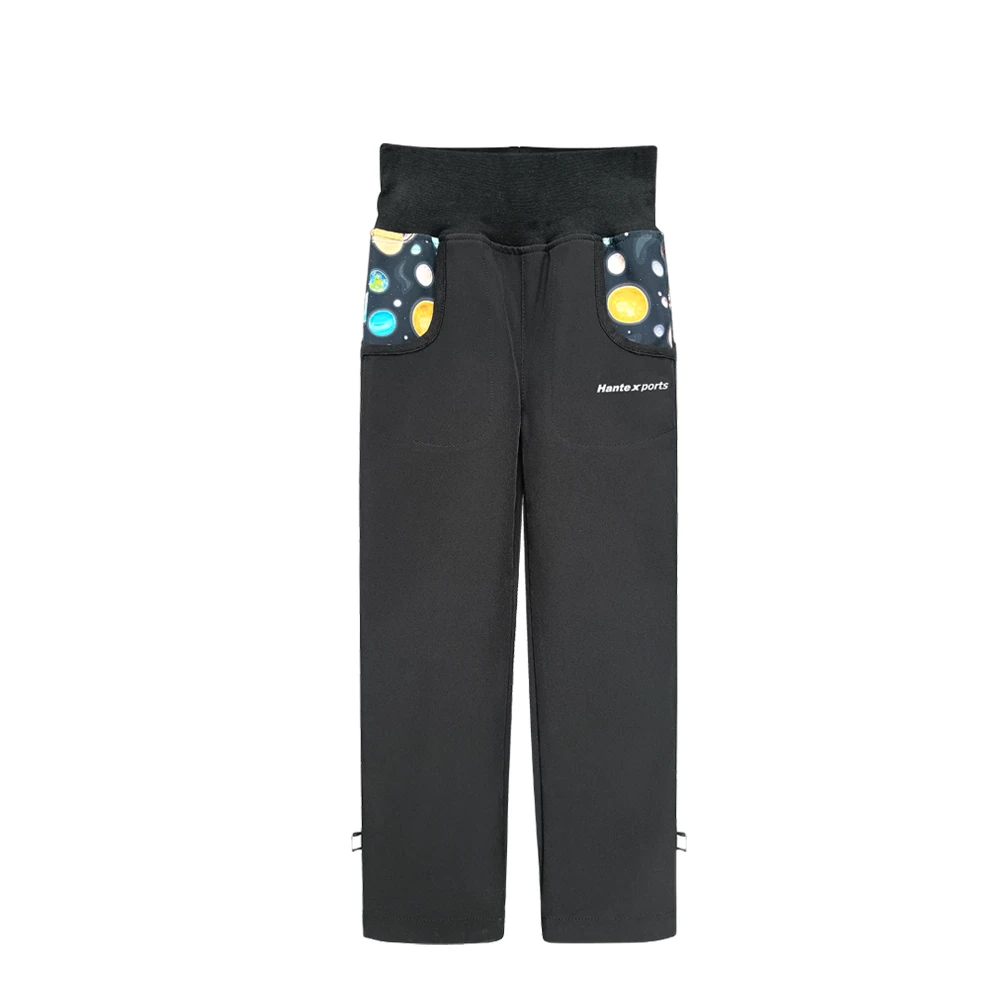
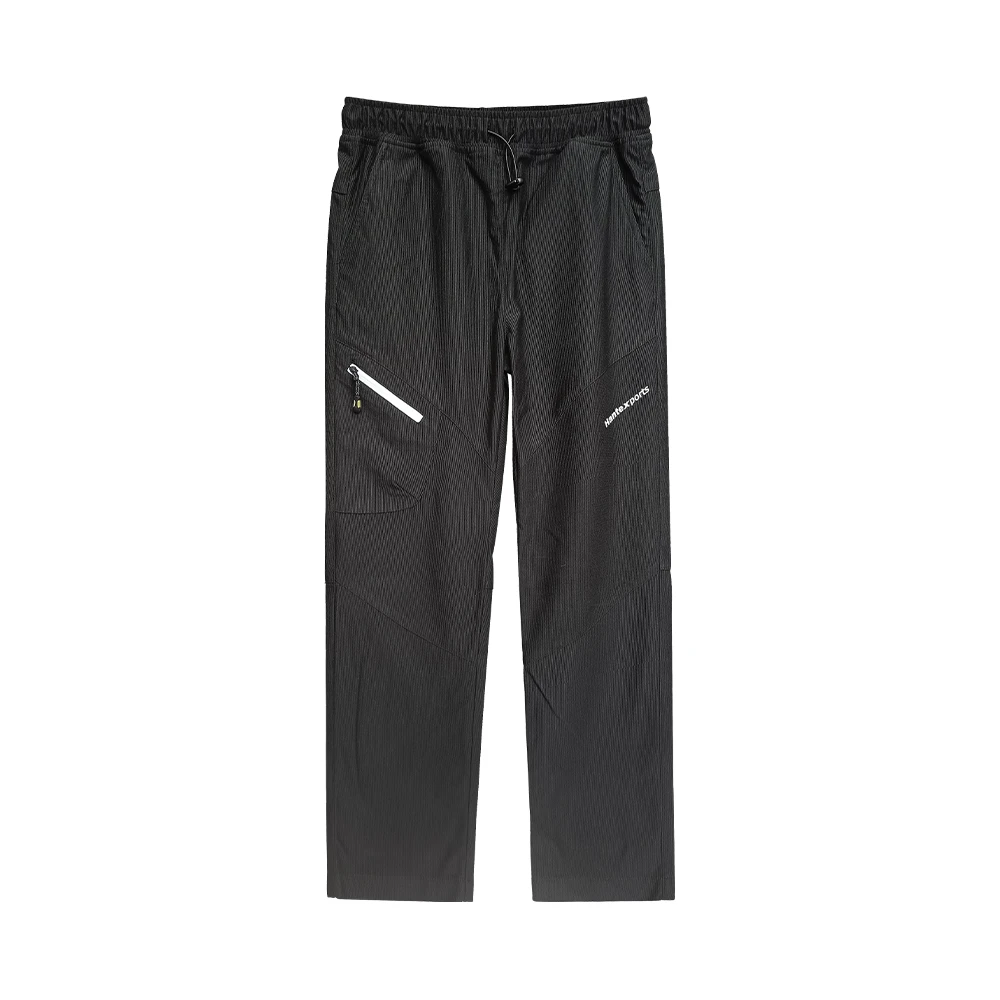
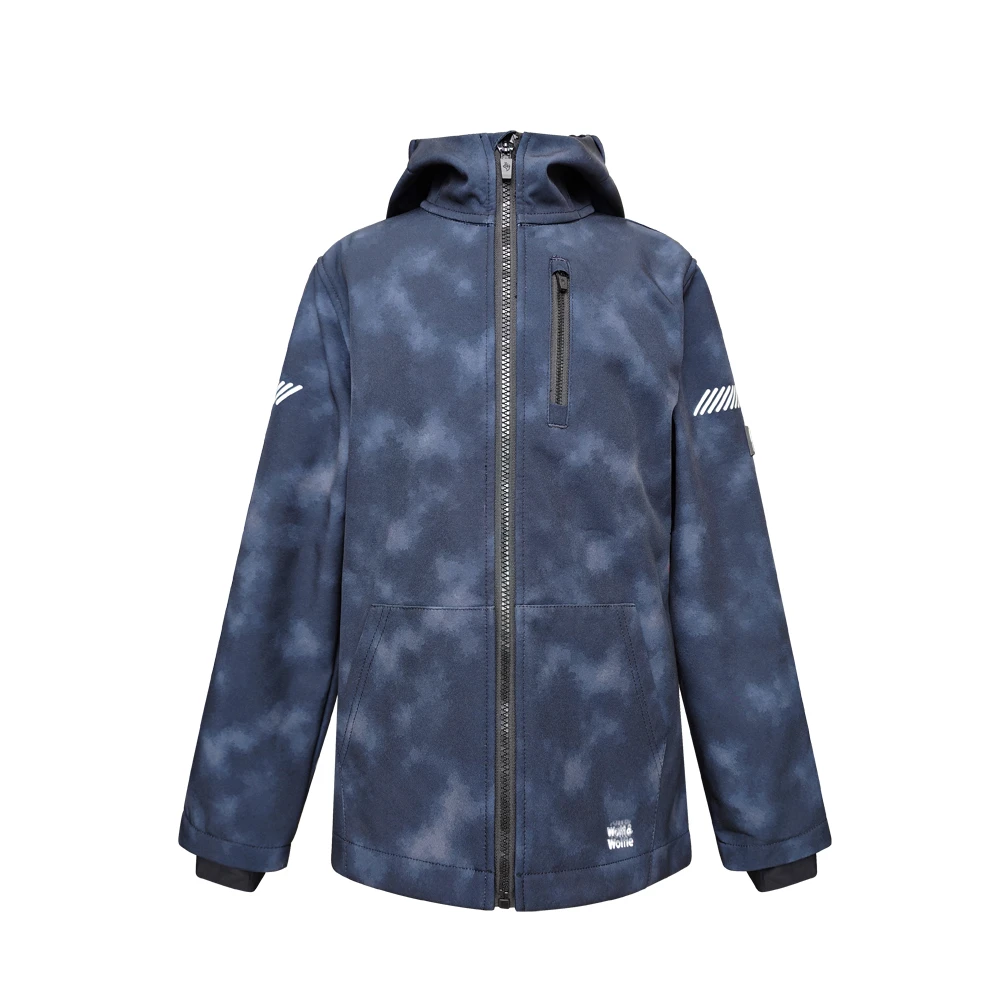
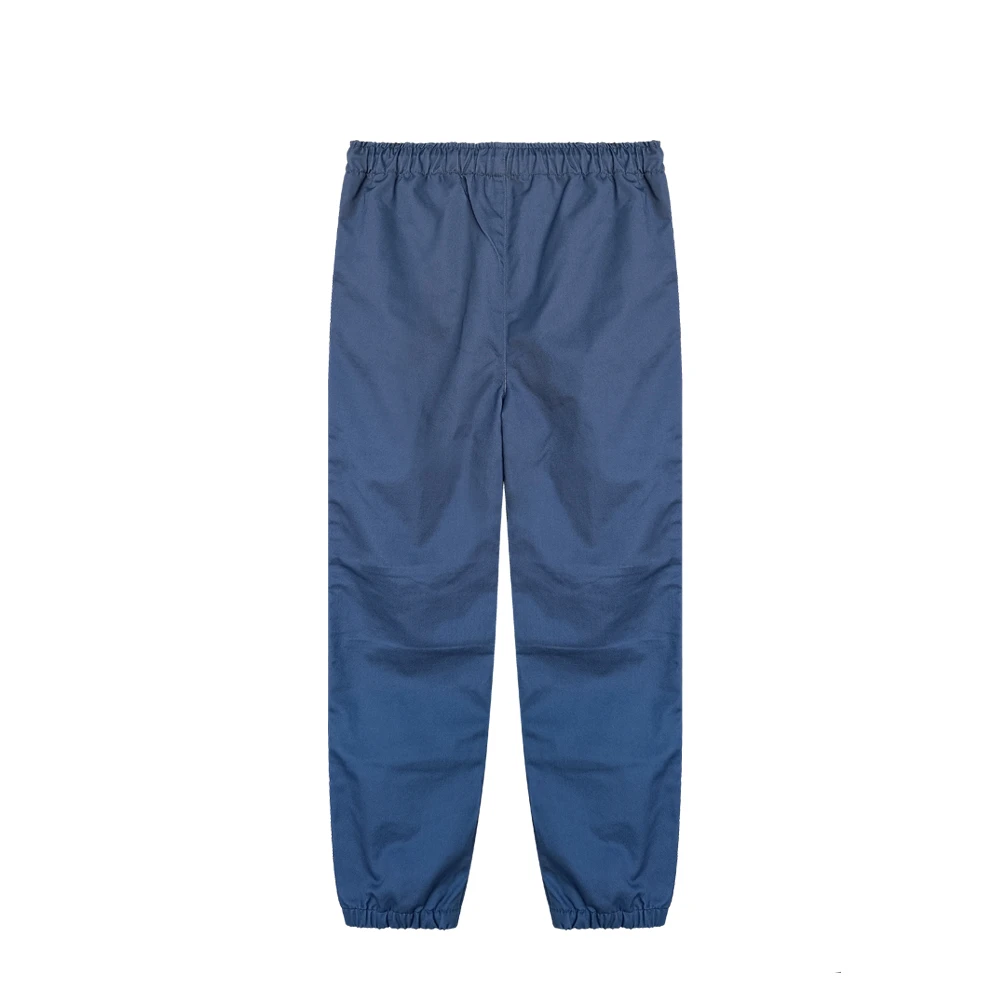
Simply put, kids ski jackets and pants are insulated outerwear pieces designed to keep children warm, dry, and safe while playing or skiing in snowy, cold environments. These garments typically feature waterproof and breathable materials, layered insulation, reinforced seams, and adjustable fittings to accommodate growth and active movement.
In the modern clothing industry — one increasingly mindful of environmental impact and ethical production — ski apparel often fits into broader narratives. Many brands are prioritizing recycled fabrics, cruelty-free down alternatives, and fair labor practices, directly impacting how kids ski gear is produced and delivered worldwide.
Mini Takeaway:
Kids ski jacket and pants are more than just winter wear — they are carefully engineered products reflecting a blend of safety, comfort, and sustainability considerations crucial for young outdoor enthusiasts.
Key Features of Kids Ski Jackets and Pants
1. Waterproofing and Breathability
One of the biggest challenges in ski apparel is balancing water resistance with breathability. Waterproof membranes like Gore-Tex or proprietary softshell materials keep snow and wetness out, while allowing moisture from sweat to escape. This prevents the uncomfortable “clammy” feeling and reduces the risk of hypothermia.
2. Insulation and Warmth
Materials such as synthetic fibers (e.g., Thinsulate) or responsibly sourced down provide thermal insulation. The thickness and type of insulation usually vary based on climate and the child’s activity level.
3. Durability and Reinforcement
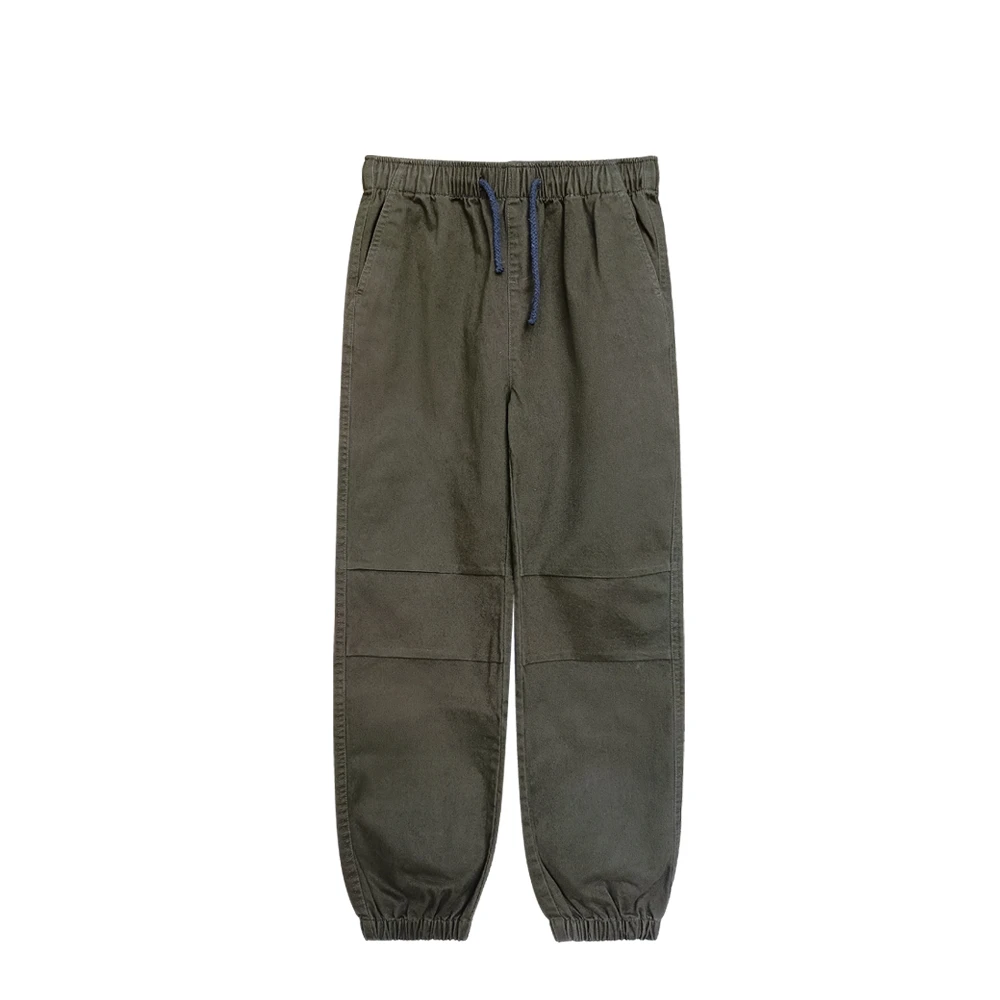
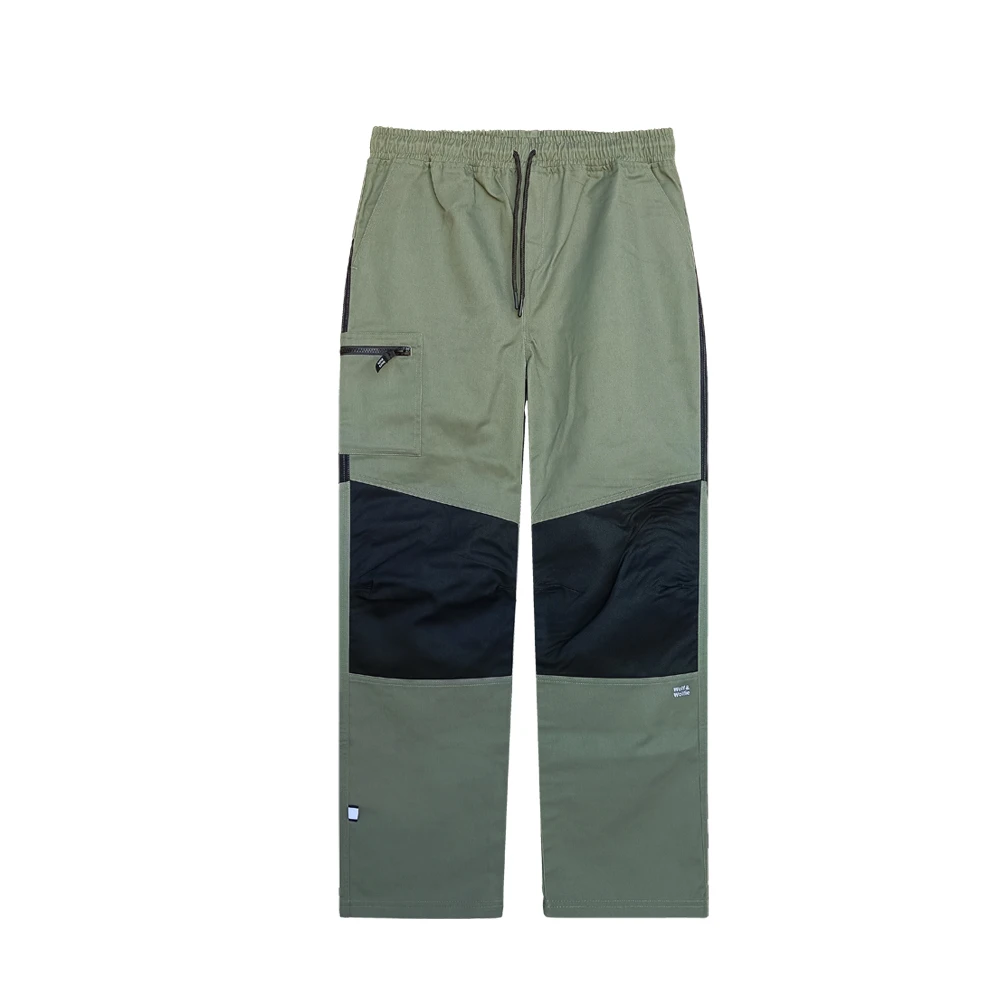
Kids don’t always play gently, so ski pants and jackets often include reinforced knees, elbows, and seat areas. Abrasion-resistant fabrics increase the garment’s lifespan, saving parents from frequent replacements.
4. Fit and Adjustability
Expandable cuffs, adjustable waistbands, and removable hoods accommodate growth spurts — a feature both manufacturers and parents appreciate.
5. Safety Features
Reflective strips for visibility, wrist gaiters to prevent snow entry, and even integrated RECCO rescue reflectors add another layer of protection.
6. Style and Comfort
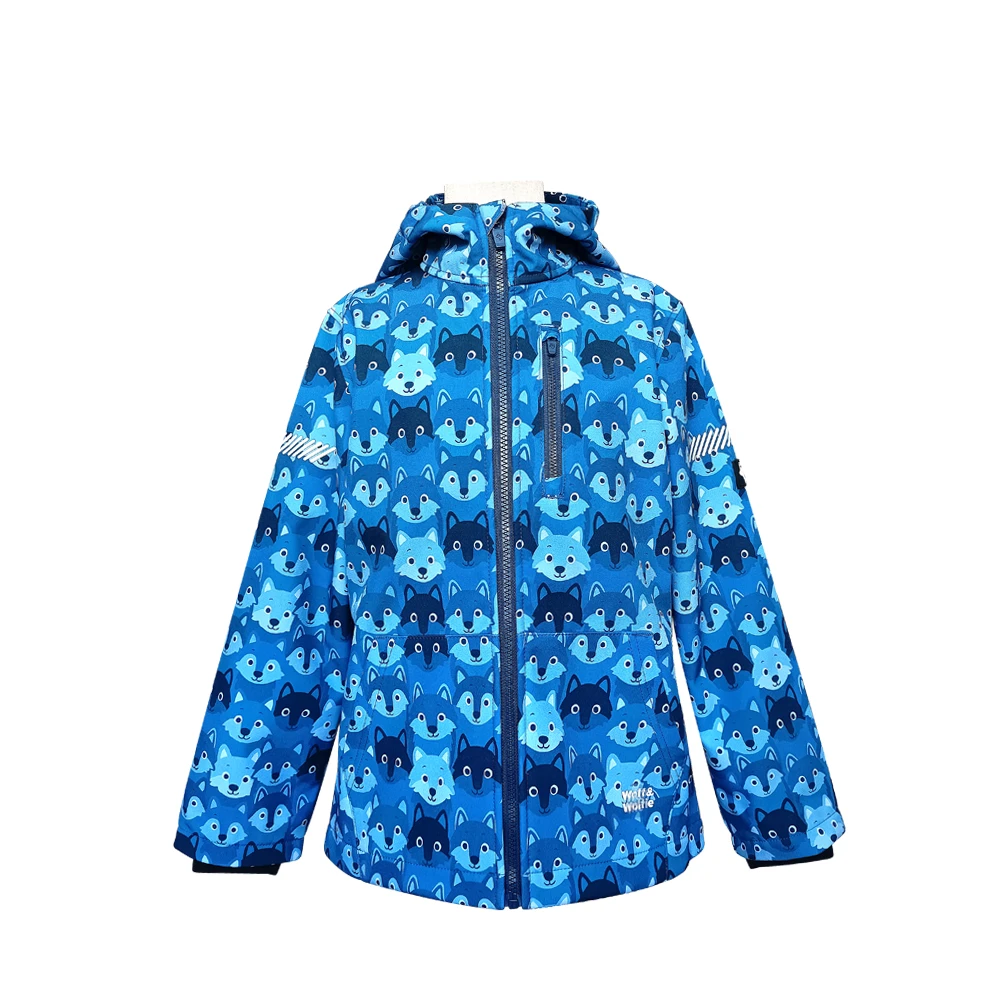
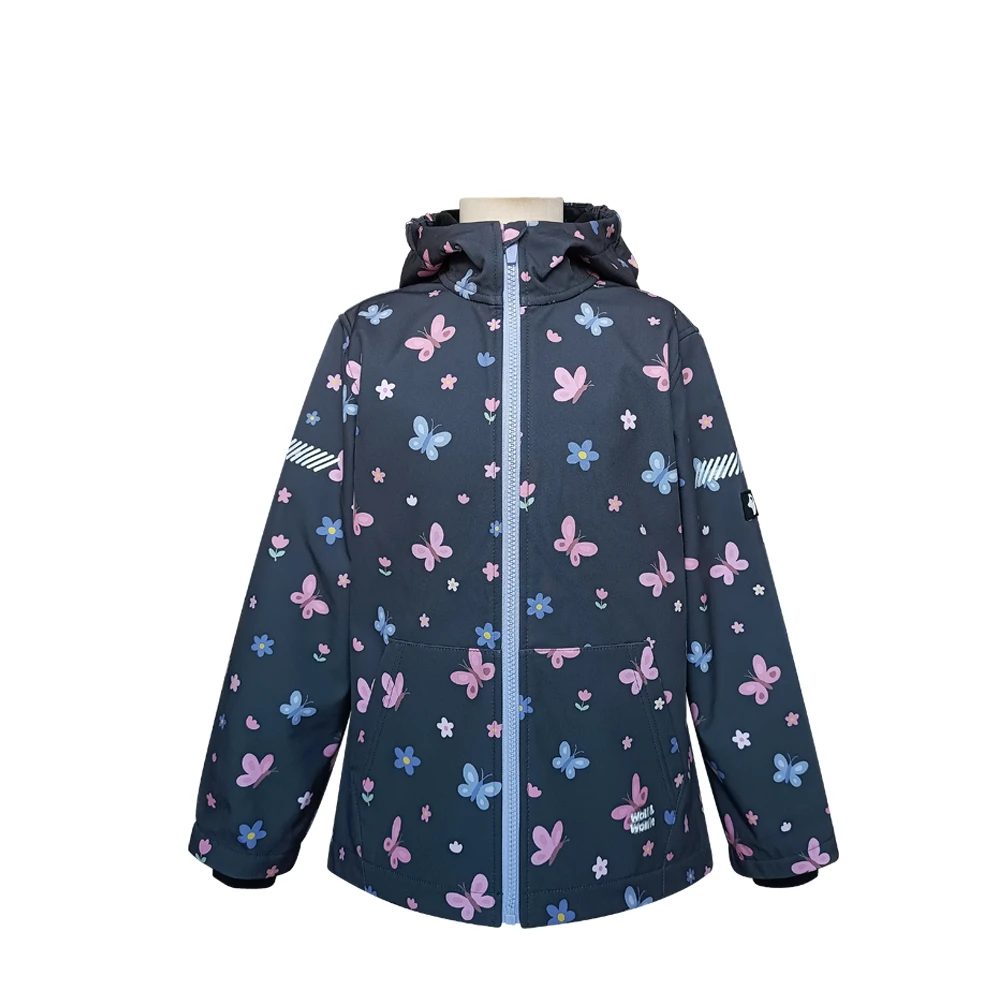
Of course, fanciful prints and bright colors matter to kids, ensuring they actually want to wear the gear. Underestimated but essential for real-world adoption.
Mini Takeaway:
- Successful kids ski jackets and pants combine tech-driven protection with practical details adapted to children’s needs and growth.
Global Use Cases and How Different Regions Benefit
In Europe’s Alpine regions, ski resorts demand high-volume, reliable kids gear for rental fleets and retail sales. The emphasis here is on durability and weather-resistance due to rigorous seasonal use.
In North America, families buying kids ski jacket and pants often look for breathable, lightweight options that double as everyday winter wear. Brands cater to active lifestyles and multi-functionality.
Japan blends style with advanced textile tech, producing kids ski gear featuring unique heat-retentive fabrics and sophisticated waterproofing. Meanwhile, Scandinavian countries prioritize eco-friendly materials alongside performance.
Even humanitarian aid organizations sometimes supply insulated ski gear during relief missions in mountainous cold zones, underscoring the social importance of effective cold-weather protection.
Sample Product Specification Table
| Feature | Description |
|---|---|
| Material | Recycled polyester with Gore-Tex membrane |
| Insulation | PrimaLoft® synthetic fill, 60g/m² |
| Water Resistance | 10,000 mm waterproof rating |
| Breathability | 8,000 g/m²/24h |
| Adjustable features | Stretch cuffs, waistband, hood |
| Safety Extras | Reflective strips, wrist gaiters |
Comparing Popular Kids Ski Jacket and Pants Vendors
| Brand | Waterproof Rating (mm) | Sustainability | Price Range (USD) |
|---|---|---|---|
| North Peak Junior | 10,000 | Uses recycled fabrics | $120 - $180 |
| FrostPlay Kids | 12,000 | Cert. organic cotton blend | $140 - $190 |
| Alpine Sprout | 8,000 | Down-free insulation | $110 - $160 |
The Long-Term Benefits of Proper Kids Ski Gear
From a parent’s perspective, investing in well-made kids ski jacket and pants makes sense on several levels. Not only do these garments offer better protection against cold-related illnesses, but their durability reduces waste and replacement costs over time. Many manufacturers now incorporate eco-friendly materials which resonate with conscious consumers who want to reduce their children’s carbon footprint.
Emotionally, the peace of mind knowing your child is comfortable and safe on snowy slopes — or just during snowy school runs or playtime — can be priceless. For children, comfortable gear means fun stays fun rather than turning into a miserable experience quick.
Emerging Trends and the Future of Kids Ski Apparel
Oddly enough, as smart clothing goes mainstream, the ski apparel industry is dipping toes into tech-enhanced wearables. Think built-in temperature sensors that sync with apps or fabrics adjusting insulation levels dynamically to outside temps.
Sustainability continues pushing boundaries. Leading brands experiment with bio-based textiles and closed-loop recycling systems, allowing garments to be reprocessed into new ski clothes.
Challenges and Clever Solutions
The main hurdle? Kids grow fast. Too often, gear outlasts its intended size window by only a season or two — adding waste and cost. Modular designs, which adjust length and width cleverly, are making strides but remain pricier.
Waterproofing wear-down over time is another frustration. Some companies now provide lifetime membrane guarantees or affordable repair kits to extend lifespan.
FAQs about Kids Ski Jacket and Pants
Q1: How do I choose the right size kids ski jacket and pants?
A: Always check size charts carefully, but also consider adjustable features such as telescoping sleeves or expandable waistbands. If unsure, it’s better to size up slightly to allow layering and growth.
Q2: Are synthetic or down insulation materials better for kids?
A: Synthetic insulation is generally easier to care for and performs better when wet, which is common during snow play. Down provides excellent warmth-to-weight ratio but can lose effectiveness if damp.
Q3: How waterproof should kids ski gear be?
A: For average recreational skiing, a waterproof rating of 8,000 to 10,000 mm is sufficient. Active kids who spend hours outdoors might benefit from higher ratings.
Q4: Can I use regular winter jackets and pants instead of specialized ski clothing?
A: Regular winter wear lacks key features like breathability, waterproof membranes, and snow gaiters, making specialized kids ski jackets and pants preferable for safety and comfort.
Q5: How do I care for and maintain kids ski outerwear?
A: Follow manufacturer instructions. Regular washing with technical detergent and reapplying DWR (Durable Water Repellent) treatment keeps garments functioning well.
Conclusion
Proper kids ski jacket and pants combine function, safety, and environmental responsibility. Whether for snowy mountains of Europe or frosty backyards elsewhere, investing wisely pays off. If you’re thinking about gearing up young ones this season, browse quality options at kids ski jacket and pants — because saving memories with happy, warm kids is worth it.