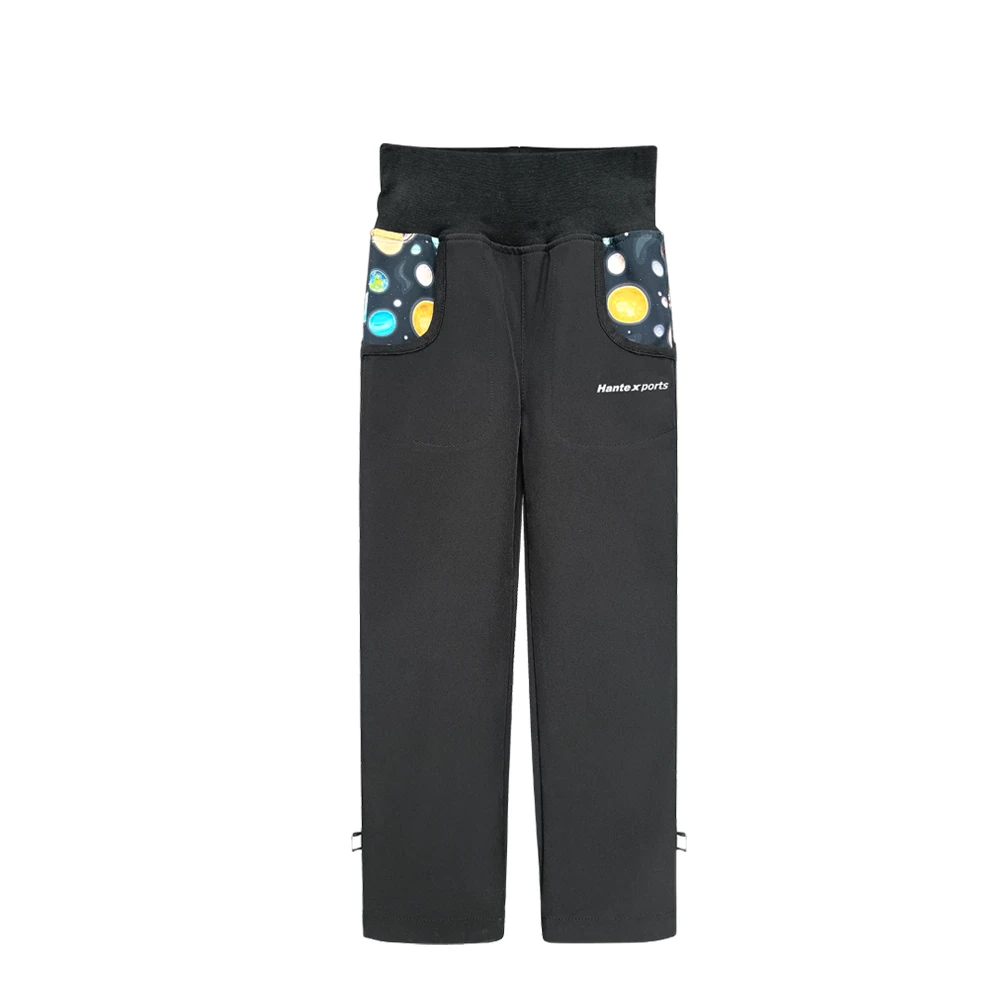
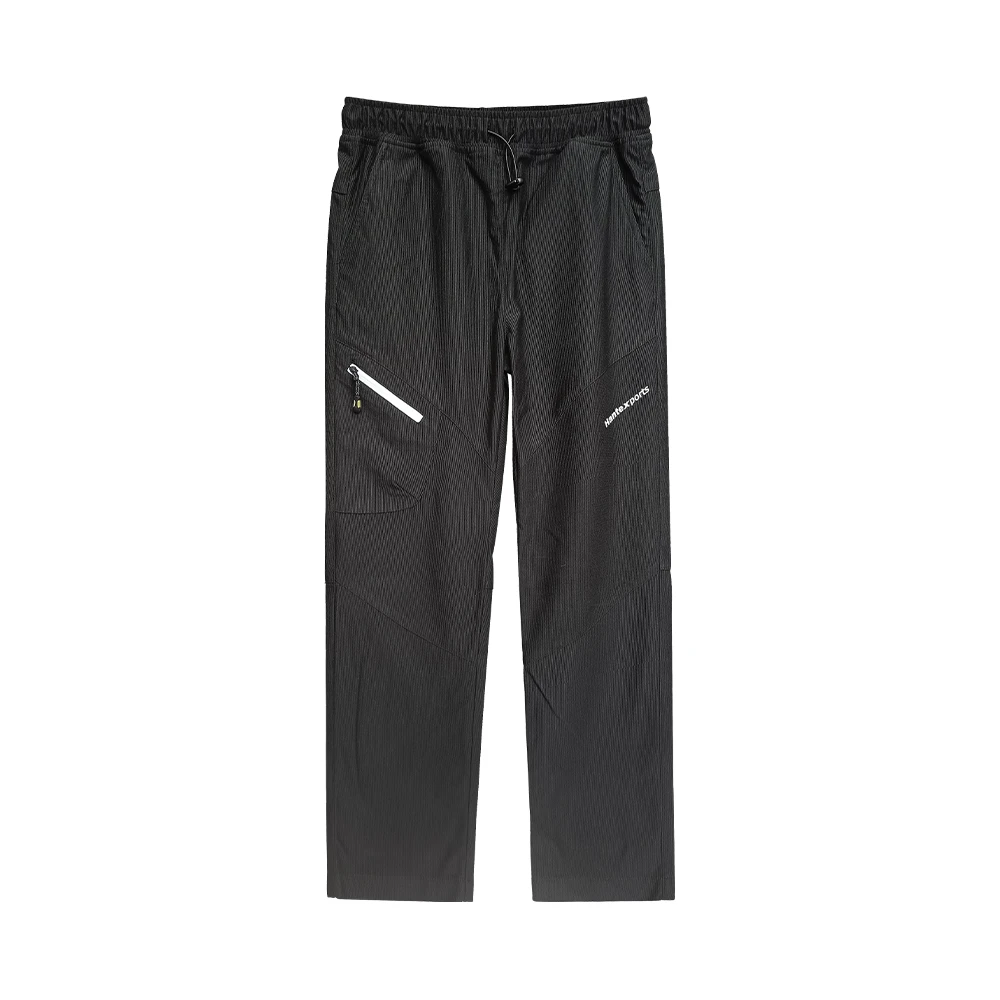
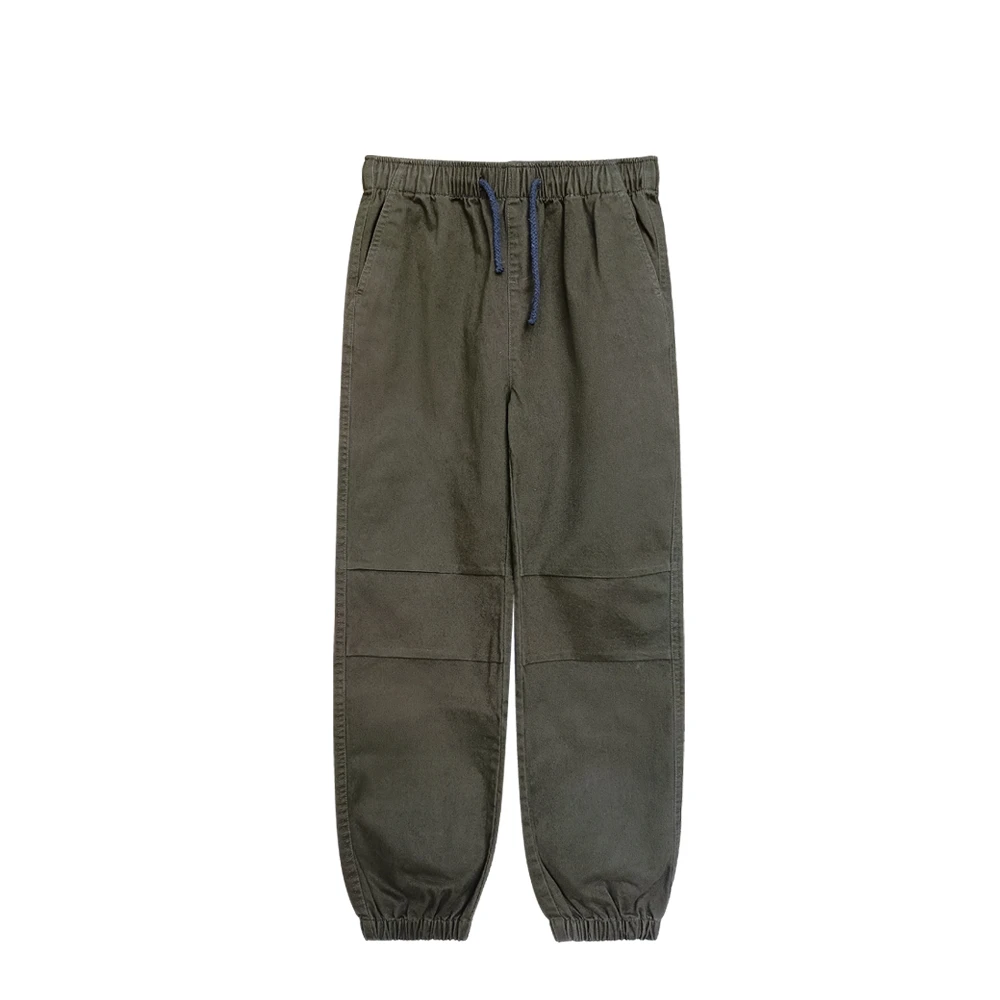
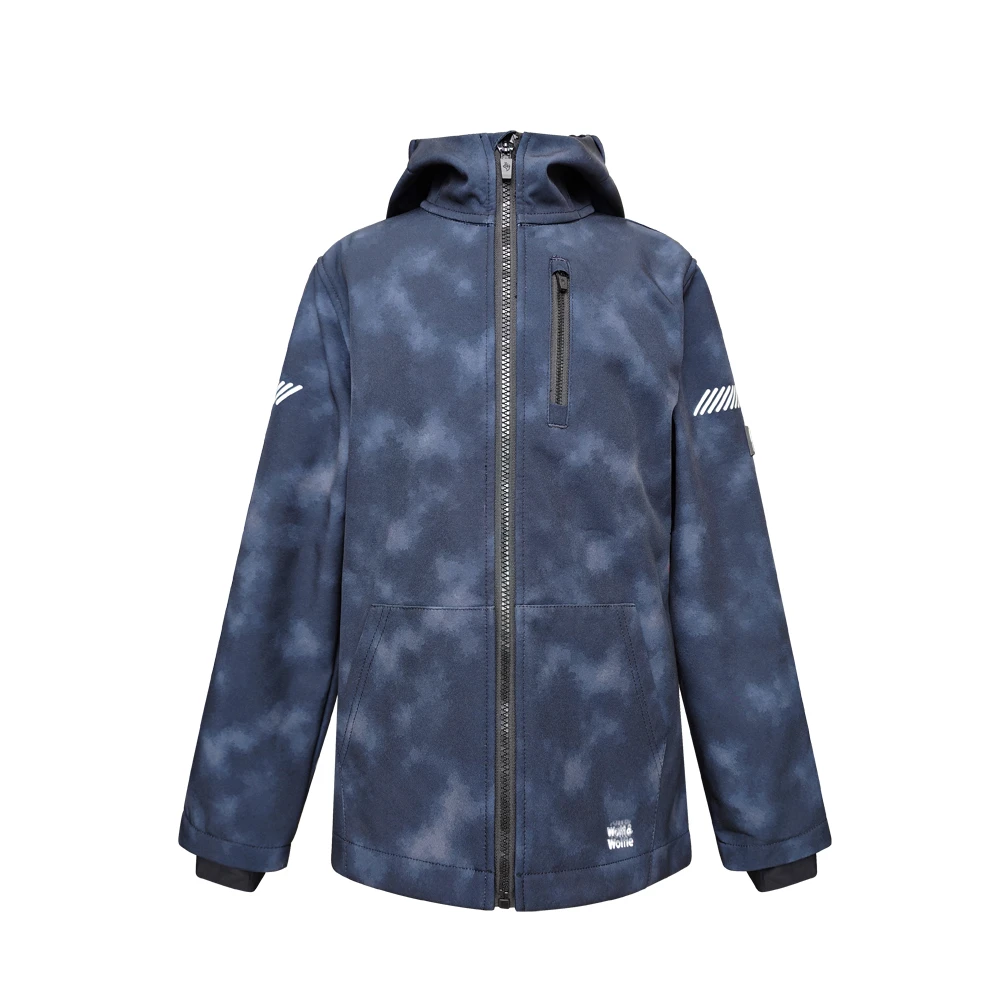
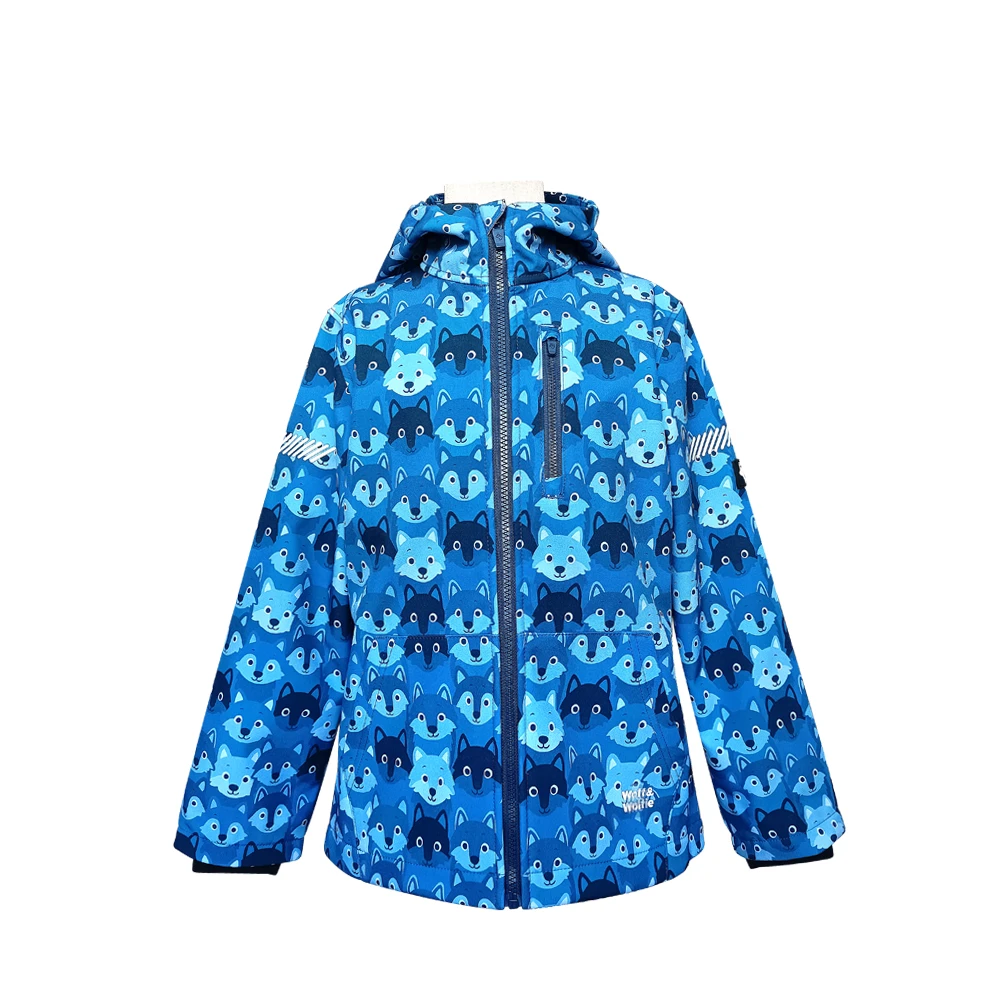
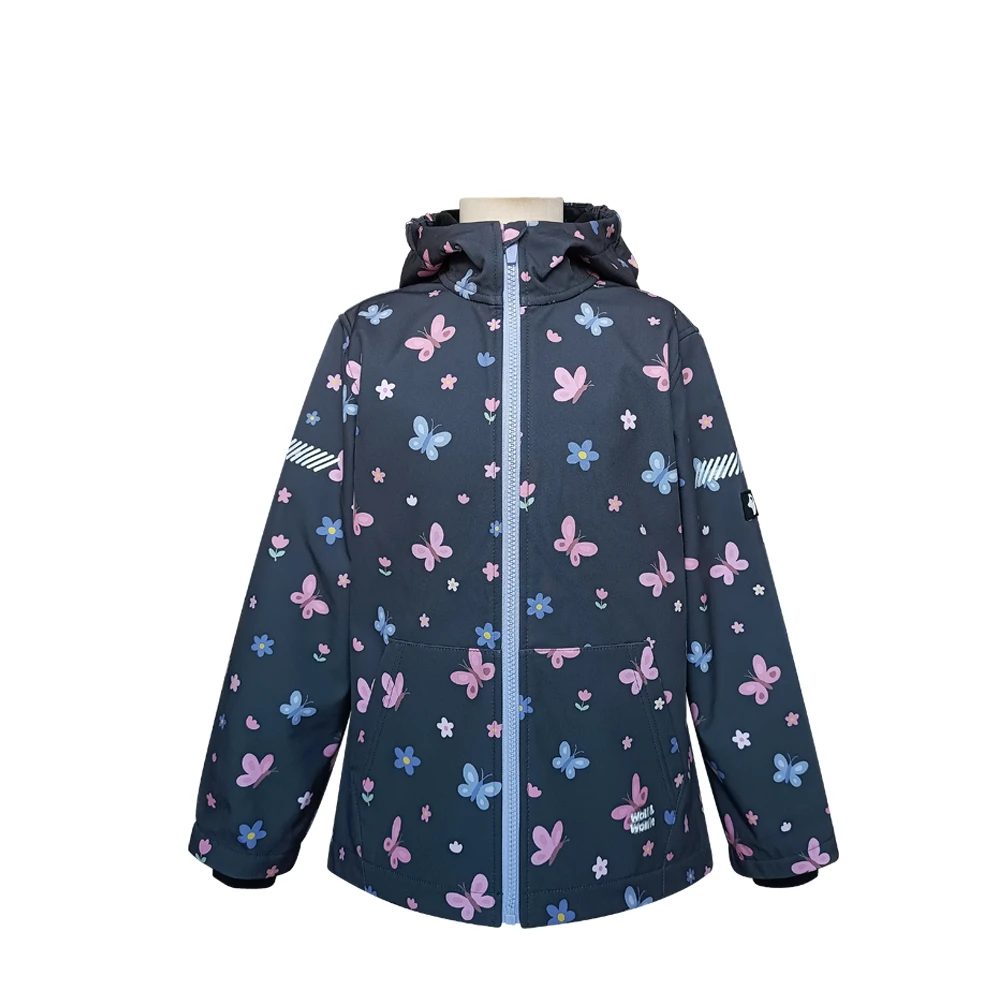
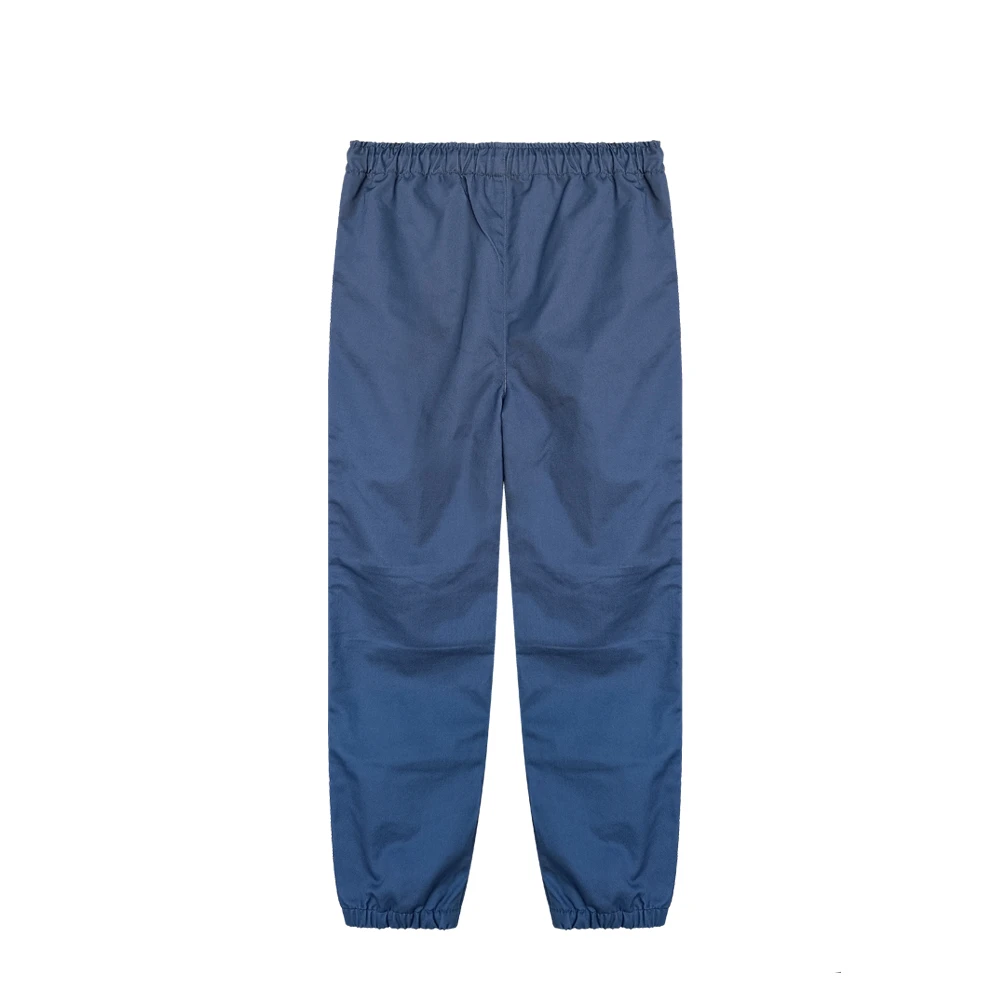
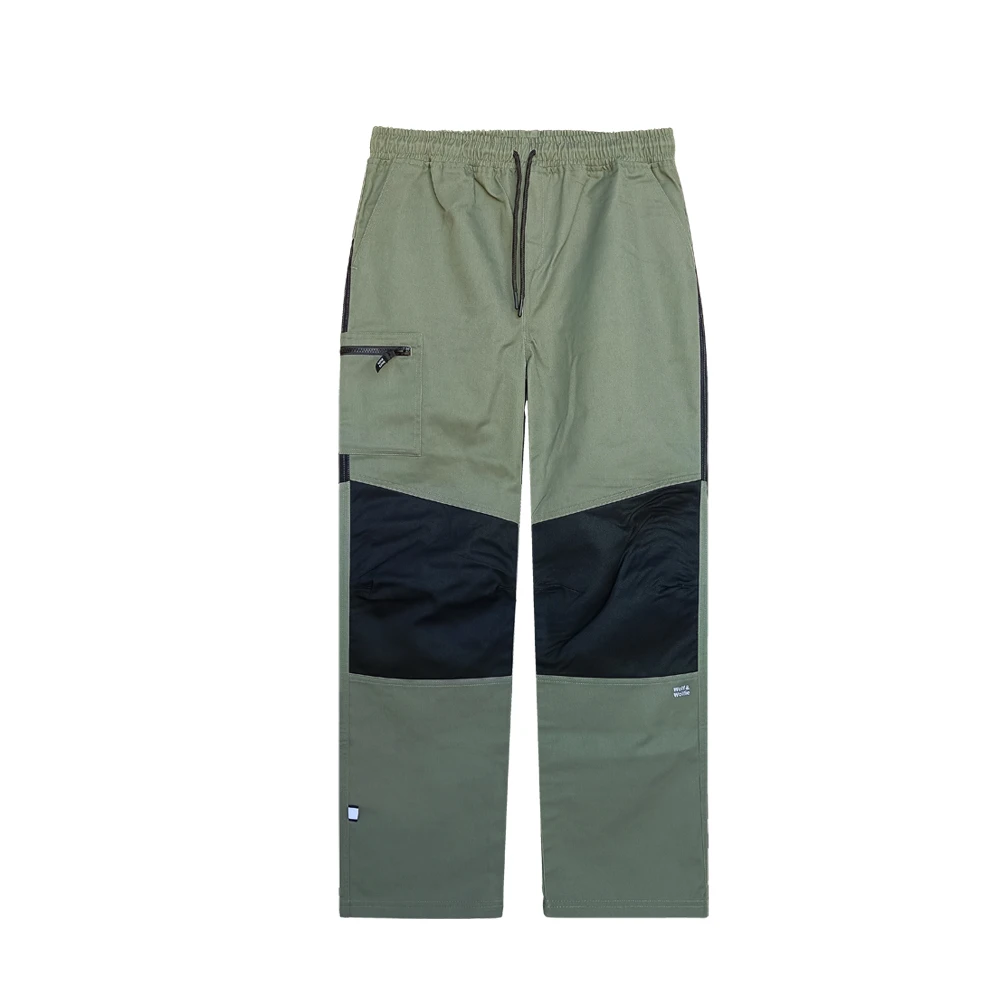
Rainsuits For Women is a key solution in the industry, specifically within sectors where durable weather protection and female-specific fit are essential. This article explores how https://www.softshell-clothing.com supports professionals with durable, high-performance products, and explains why this product is an ideal choice for businesses in these sectors.
Table of Contents
- Rainsuits For Women Overview
- Benefits & Use Cases of Rainsuits For Women
- Cost, Maintenance & User Experience
- Sustainability & Market Trends
Rainsuits For Women Overview
At its core, Rainsuits For Women are specifically tailored waterproof suits designed to protect female workers in adverse weather conditions. Unlike generic rainwear, these suits incorporate ergonomic cuts and fabric technology to ensure comfort and reliability during long outdoor shifts. The suit’s technical makeup typically includes a breathable waterproof membrane, fully taped seams, and durable outer polyester layers treated with a water-repellent finish. In real terms, this means users can stay dry without that clammy sweat feeling, which frankly makes a big difference on the job.
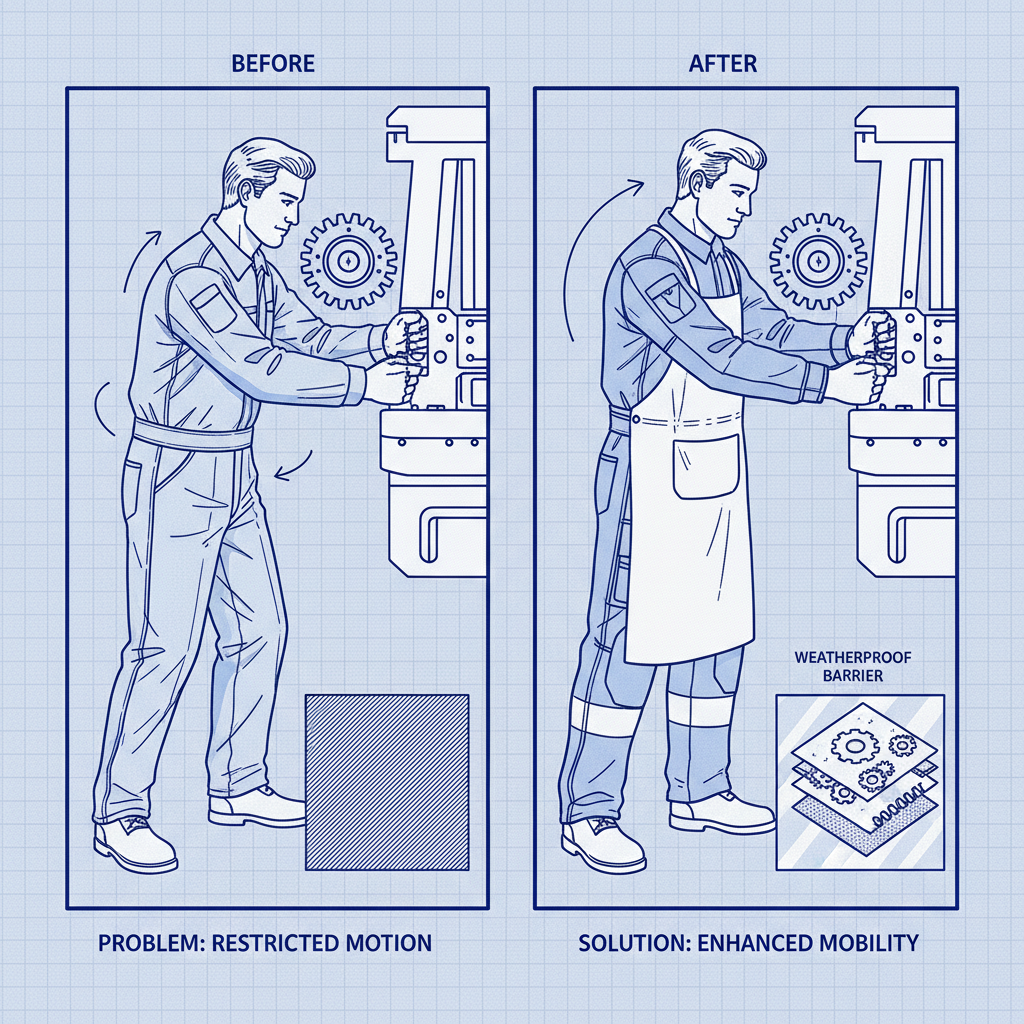
- The product seamlessly combines function with fit, addressing women’s unique body shapes for improved mobility.
- Advanced materials like PU laminates provide an industry-standard waterproof rating of around 10,000 mm and a breathability rating of 5,000 g/m²/day.
| Feature | Specification |
|---|---|
| Waterproof Rating | 10,000 mm (PU laminated membrane) |
| Breathability | 5,000 g/m²/24h |
| Material | 100% Polyester with DWR (Durable Water Repellent) finish |
| Seam Construction | Fully taped seams for 100% waterproof integrity |
| Fit | Ergonomic, women-specific cut with adjustable components |
| Sizes Available | XS - XXL |
Benefits & Use Cases of Rainsuits For Women
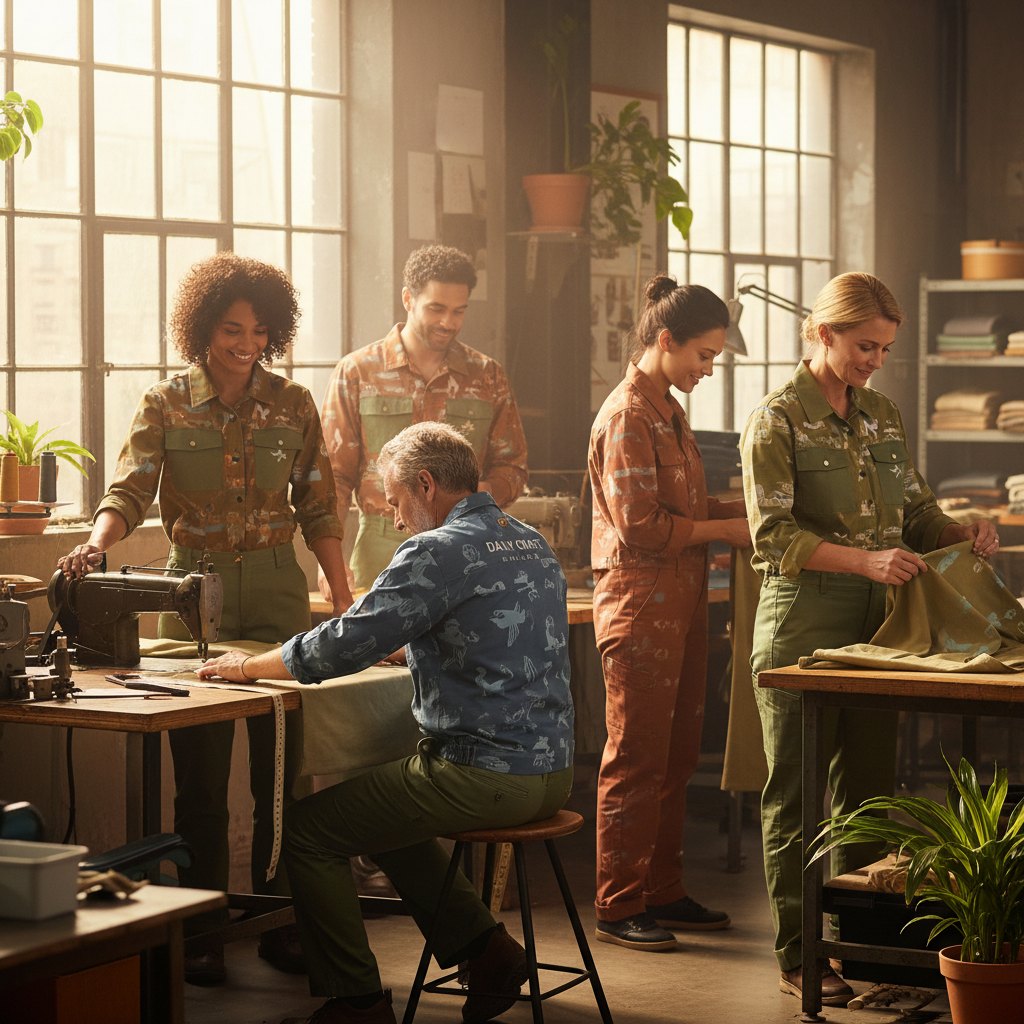
Industries like construction, utilities, forestry, and outdoor event management all demand durable, functional rainwear—yet one-size-fits-all solutions often fail women in the field. That’s where specialized rainsuits shine, not just because they keep the rain out, but because they’re tailored for comfort and freedom of movement. I’ve noticed that companies incorporating these suits report fewer weather-related work interruptions and improved employee morale.
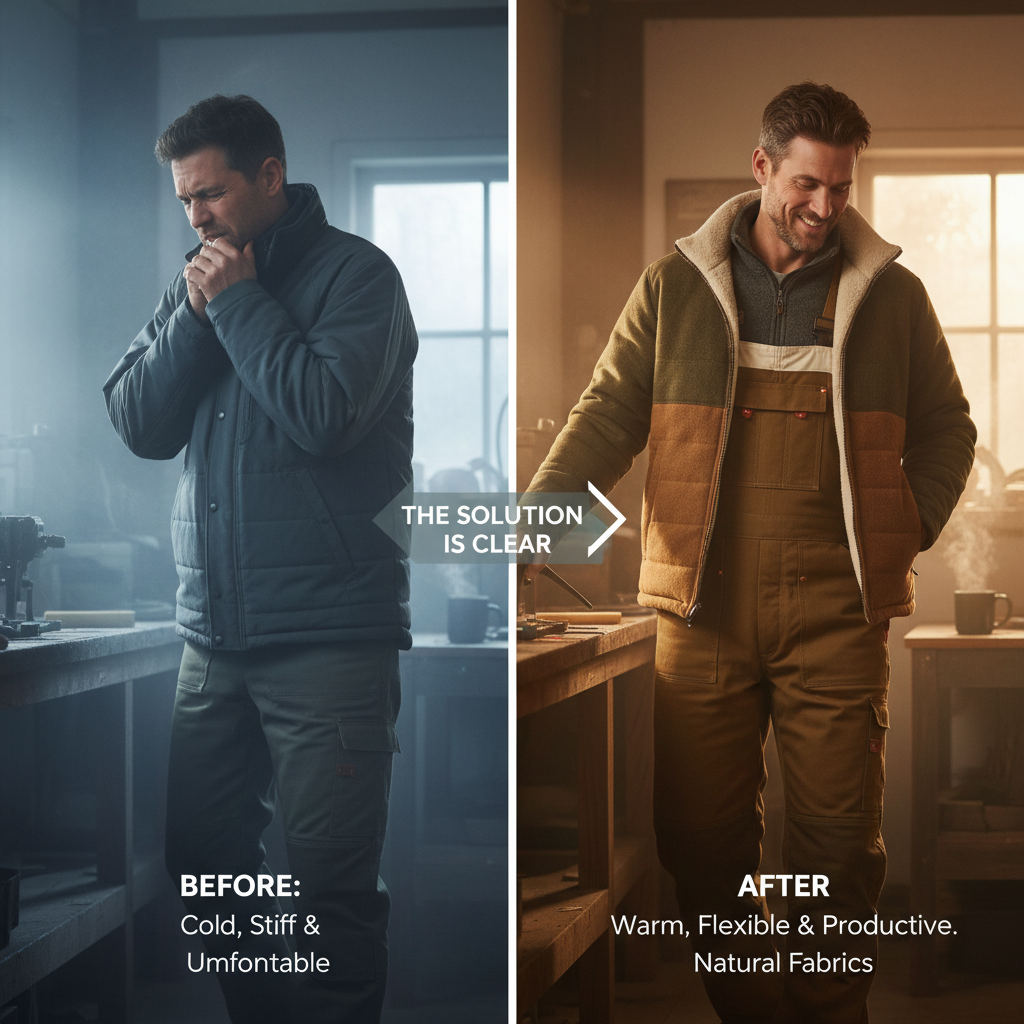
- Their waterproof and breathable design prevents overheating during intense physical activity, unlike older PVC-style rainwear that traps moisture inside.
- Integrated features — like reinforced knees, adjustable hoods, and reflective detailing — deliver safety and longevity that outperforms generic alternatives.
| Vendor | Waterproof Rating | Fit Type | Price Range (USD) |
|---|---|---|---|
| Softshell Clothing | 10,000 mm | Women-specific ergonomic | $50 - $90 |
| Generic Brand A | 8,000 mm | Unisex, semi-fitted | $40 - $70 |
| Brand B | 12,000 mm | Loose fit | $80 - $120 |
Cost, Maintenance & User Experience
Now, cost is always a factor for B2B decision makers, especially with bulk orders for teams. While these suits may have a slightly higher upfront cost compared to basic rain gear, the total cost of ownership turns out to be much lower. They’re designed for heavy use, resisting tears and moisture penetration far better than cheaper options. I suppose it’s like investing in quality tools for a job; you save money down the road by avoiding replacements and lost productivity. Softshell Clothing customers report that their suits retain waterproofing after dozens of wash cycles, which strikes me as essential for ongoing maintenance.
- Durability leads to longer service life and significant ROI when scaled across an entire workforce.
- User feedback highlights superior comfort in harsh conditions — a morale booster that can’t be undervalued.
Sustainability & Market Trends
Sustainable manufacturing is no longer optional for companies wanting to stay competitive — it’s a necessity. In rainsuits, we’re seeing a real push for recycled fabrics, less harmful chemical treatments, and transparency in supply chains. Softshell Clothing, for example, has embraced some eco-friendly practices, such as using recycled polyester and reducing water use during production. Oddly enough, this often results in better fabric performance and longer product life, which ties back to sustainability by reducing waste. Market trends also suggest an increase in demand for gender-specific protective wear, as companies evolve their diversity and inclusion initiatives.
- Regulatory pressure encourages adoption of environmentally responsible materials.
- Growth in outdoor workforce sectors drives specialized rainwear demand, particularly for women.
Frequently Asked Questions about Rainsuits For Women
- What is Rainsuits For Women and how does it work?
- Rainsuits For Women are waterproof garments designed with female-specific fits and materials to protect outdoor workers from rain while allowing breathability. They function by combining waterproof membranes and water-repellent coatings that block moisture while letting sweat escape.
- What are the main benefits of using Rainsuits For Women in industrial applications?
- The key benefits include improved comfort and mobility due to ergonomic design, superior waterproof protection, durability reducing replacements, and ultimately keeping employees productive in adverse weather.
- How does Rainsuits For Women compare to traditional alternatives?
- Compared to traditional rainwear, these suits offer better fit for women, higher waterproofing levels, and enhanced breathability. Older options often overlook female ergonomics and rely on PVC or rubber materials that don’t breathe well.
- What industries can benefit most from Rainsuits For Women implementation?
- Construction, forestry, agriculture, utilities, and event management are prime examples. These sectors feature outdoor jobs where weather protection and comfortable fitting gear significantly impact worker safety and efficiency.
Conclusion on Rainsuits For Women from china
To wrap it up, investing in tailored Rainsuits For Women represents a smart move for businesses wanting to protect and empower their female workforce in outdoor environments. These suits blend technology, comfort, and durability, improving both productivity and satisfaction.
- The combination of advanced fabrics, ergonomic design, and ongoing sustainability efforts makes them a standout option in today’s protective clothing market.
- - Visit our website: https://www.softshell-clothing.com
In the end, it feels like the best rainsuit is the one that keeps you dry, comfortable, and ready for whatever the day throws your way — and for women in the field, that’s exactly what these specialized products deliver.
References:
1. Industry Standards for Waterproof Workwear, ASTM International
2. Softshell Clothing Product Literature, 2024
3. Market Analysis Report on Protective Clothing, Global Insights, 2023