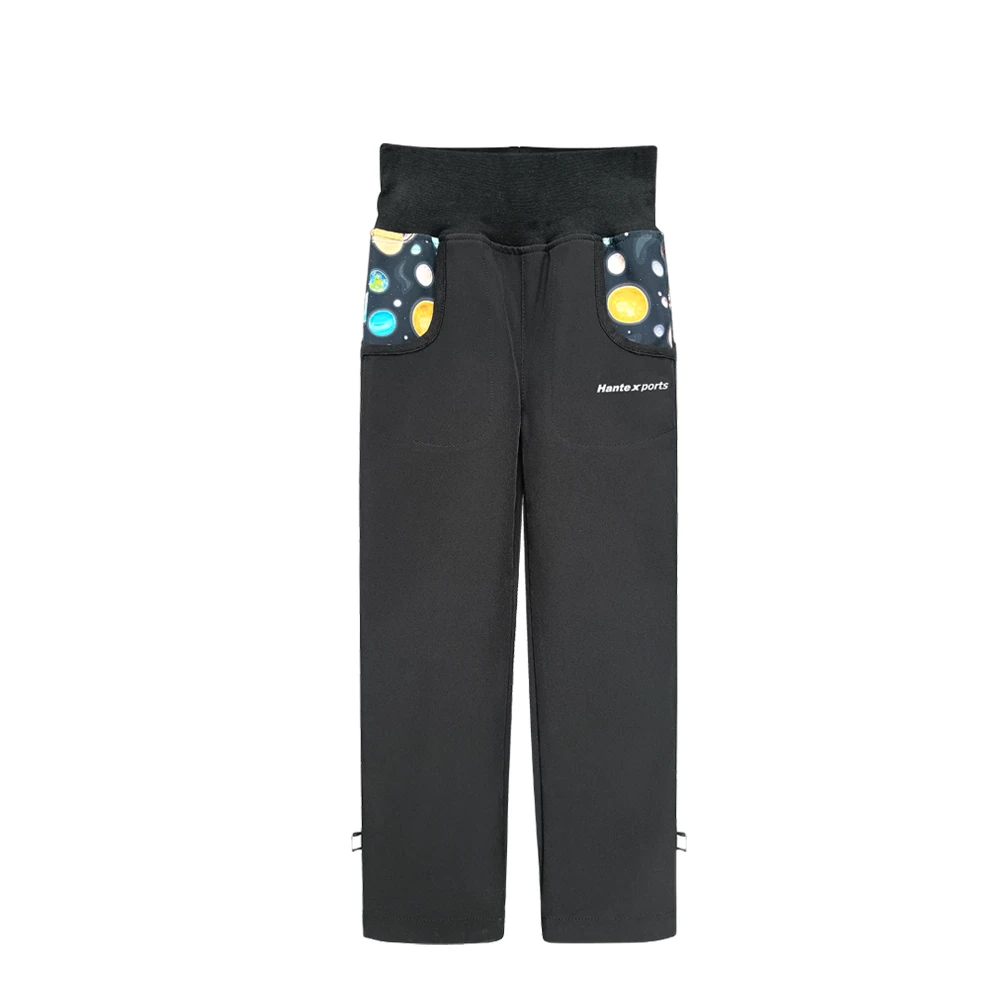
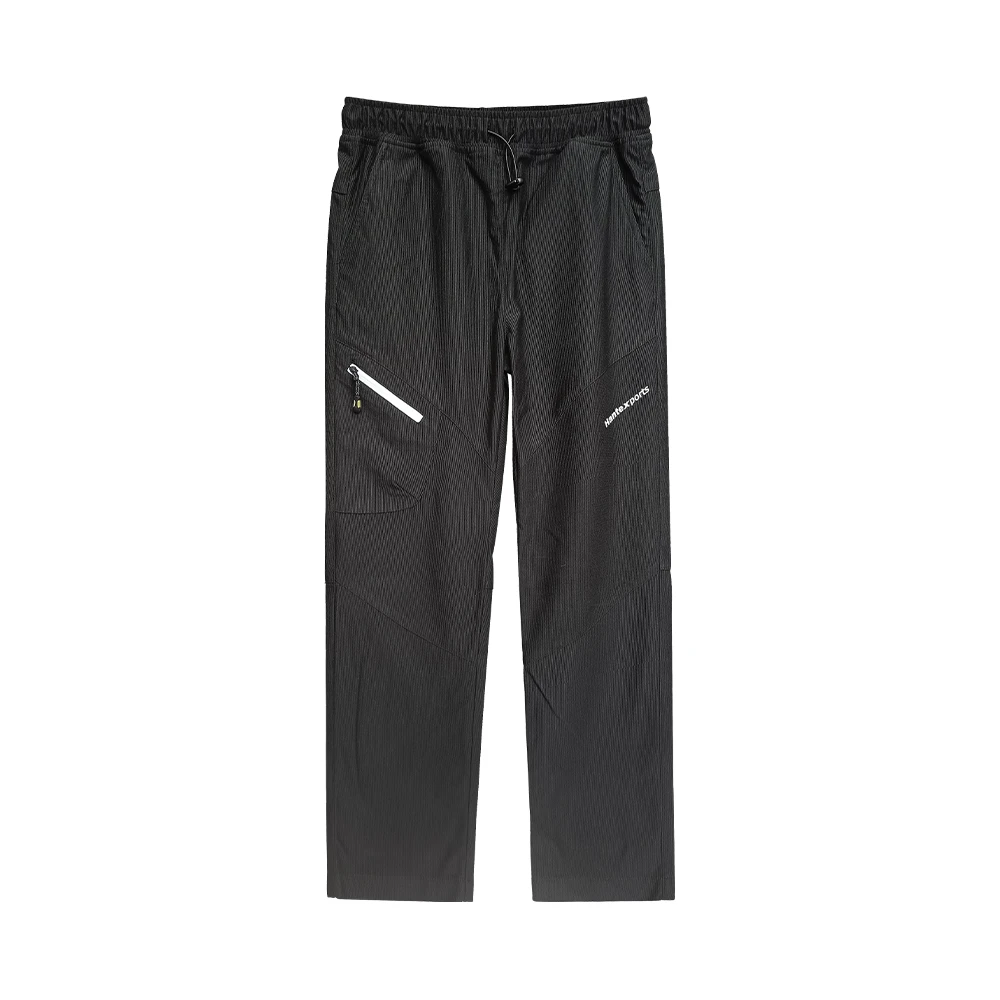
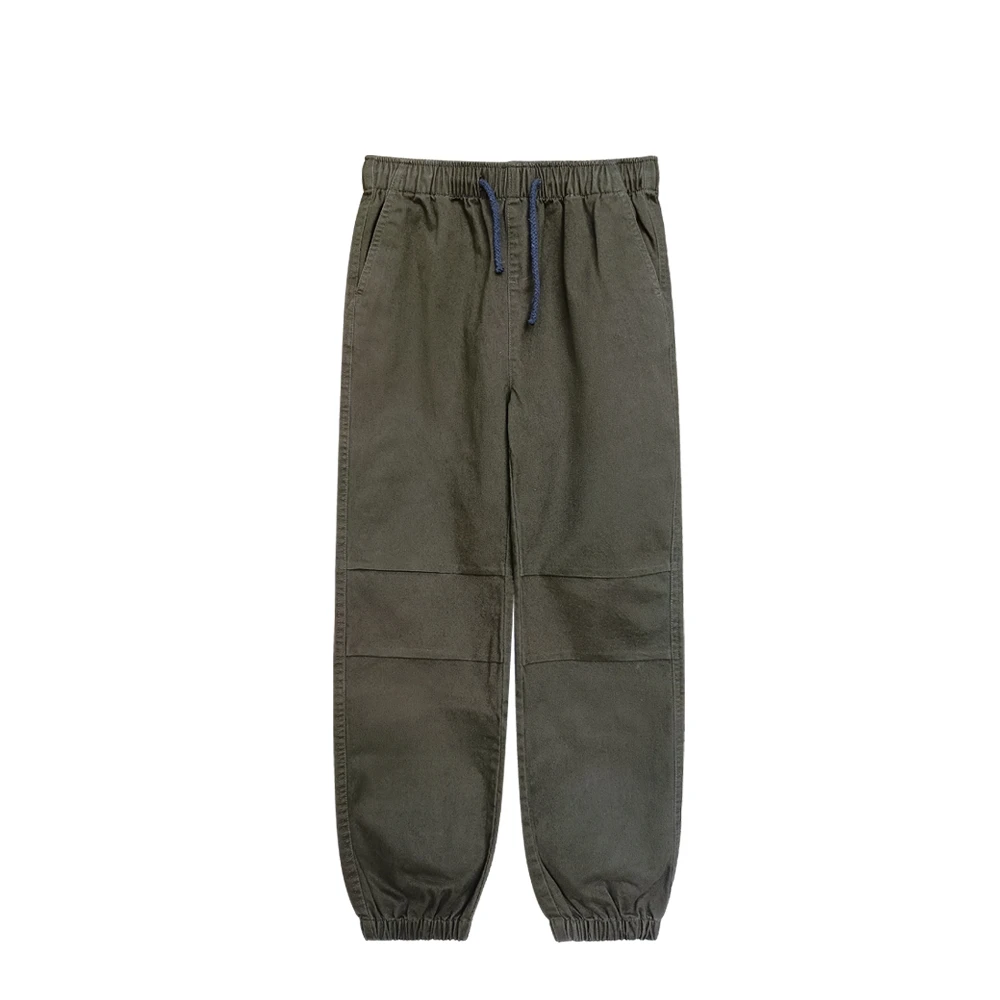
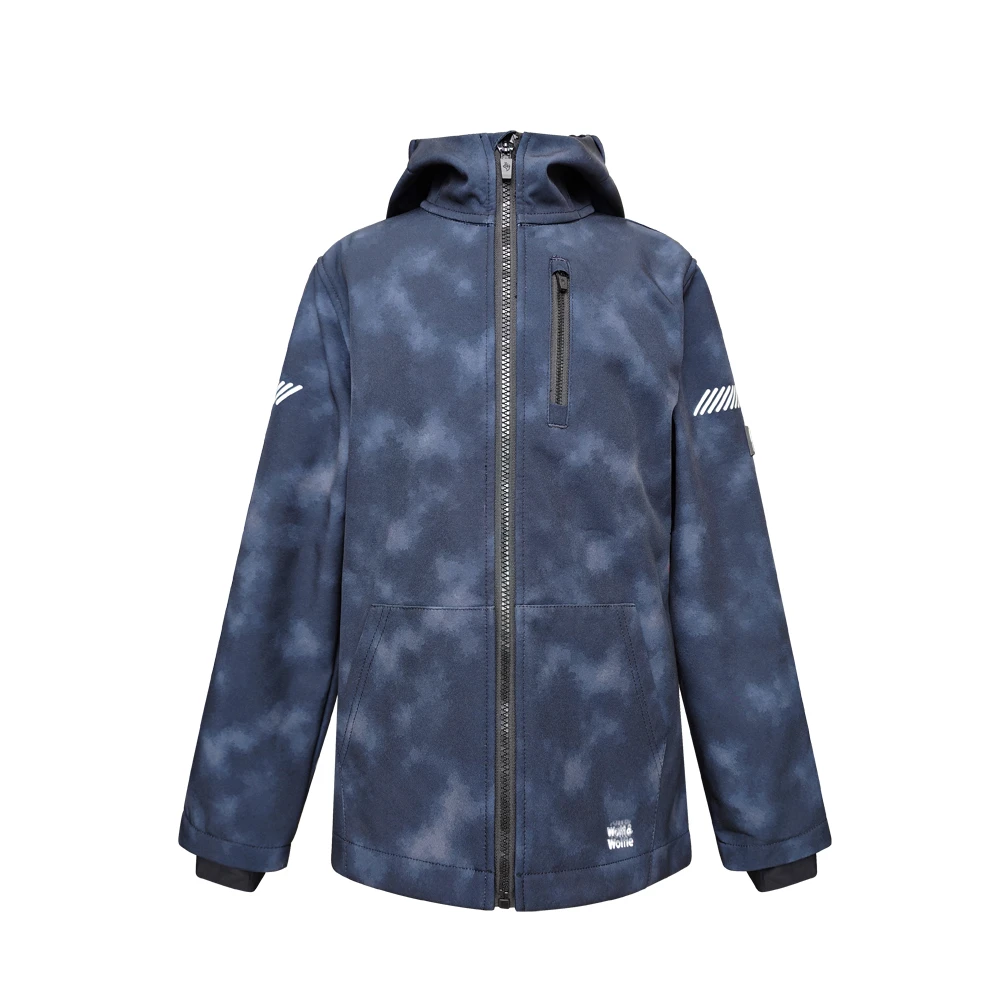
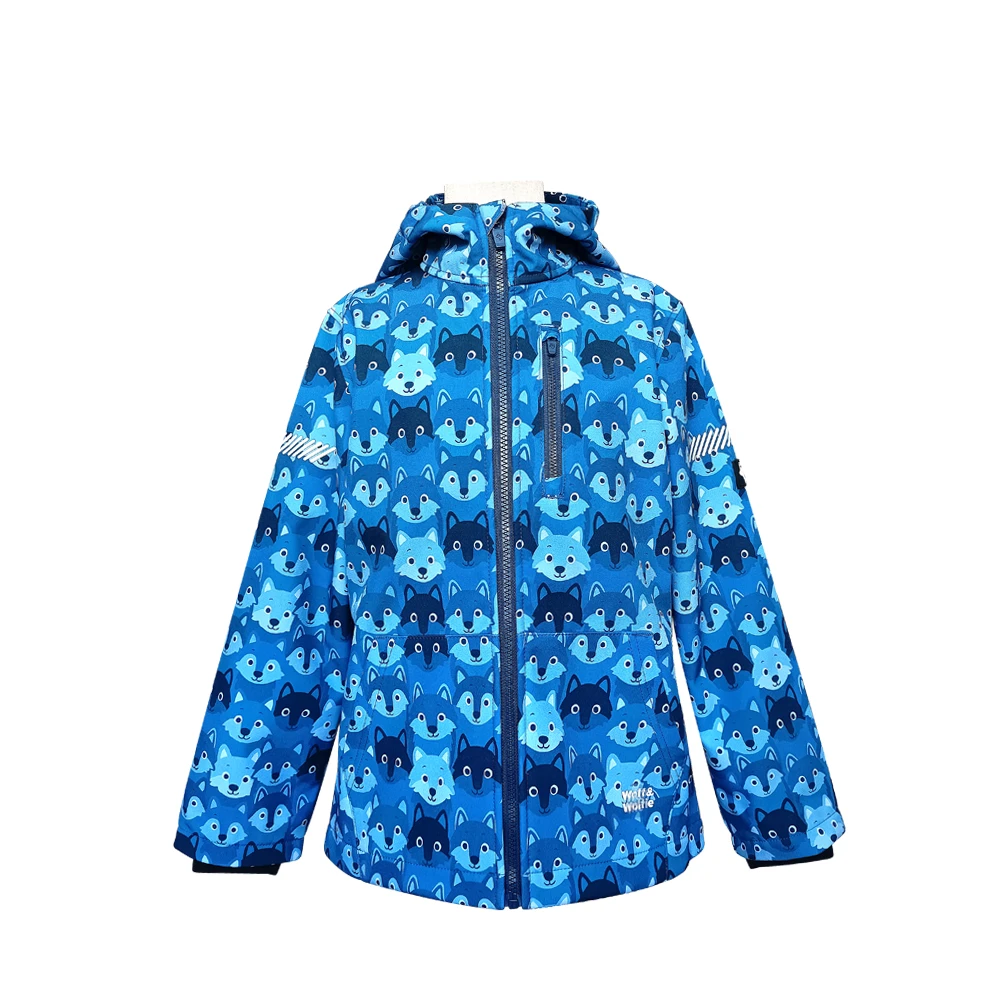
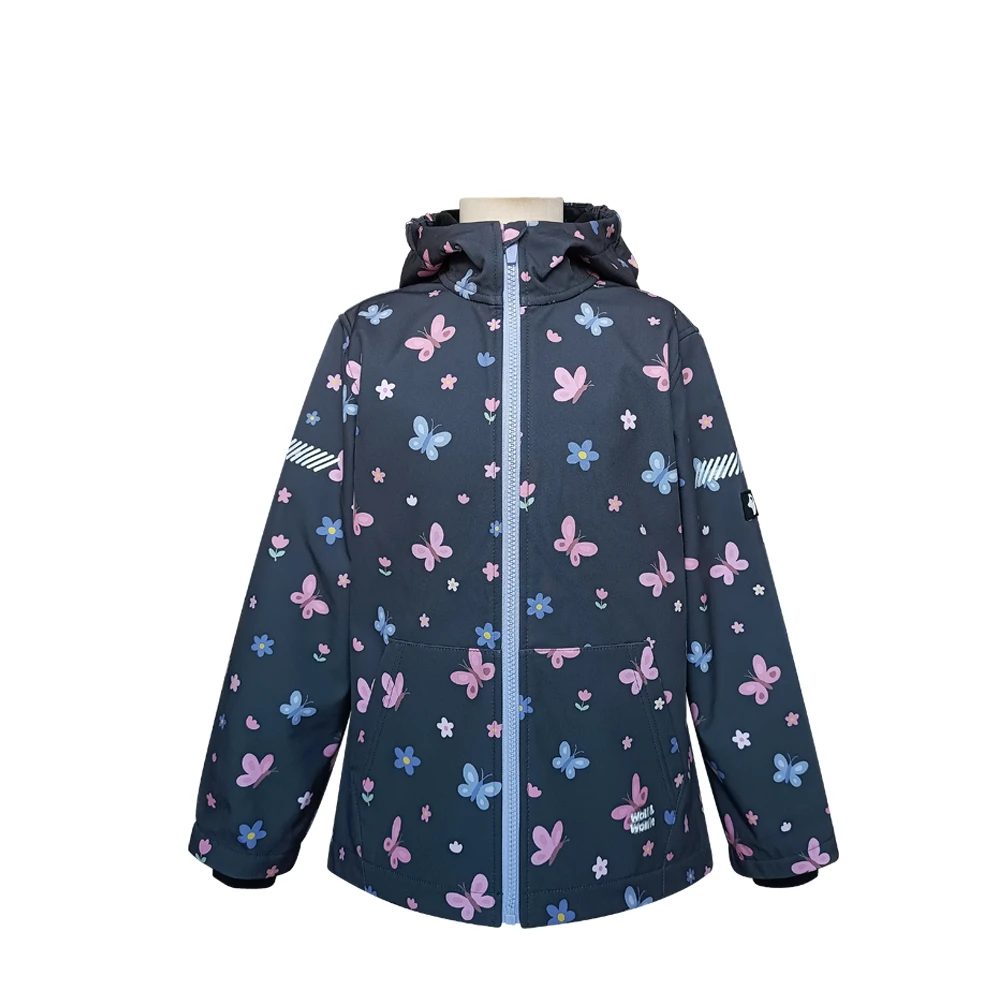
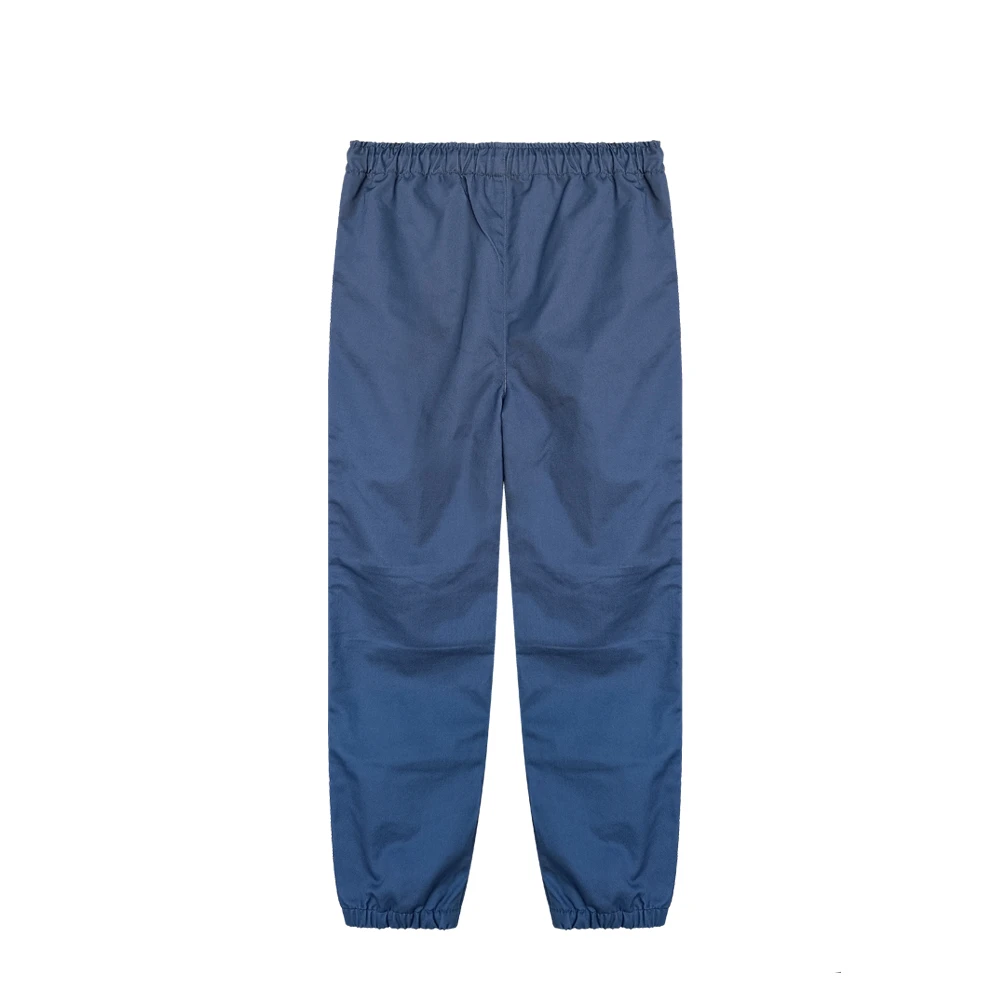
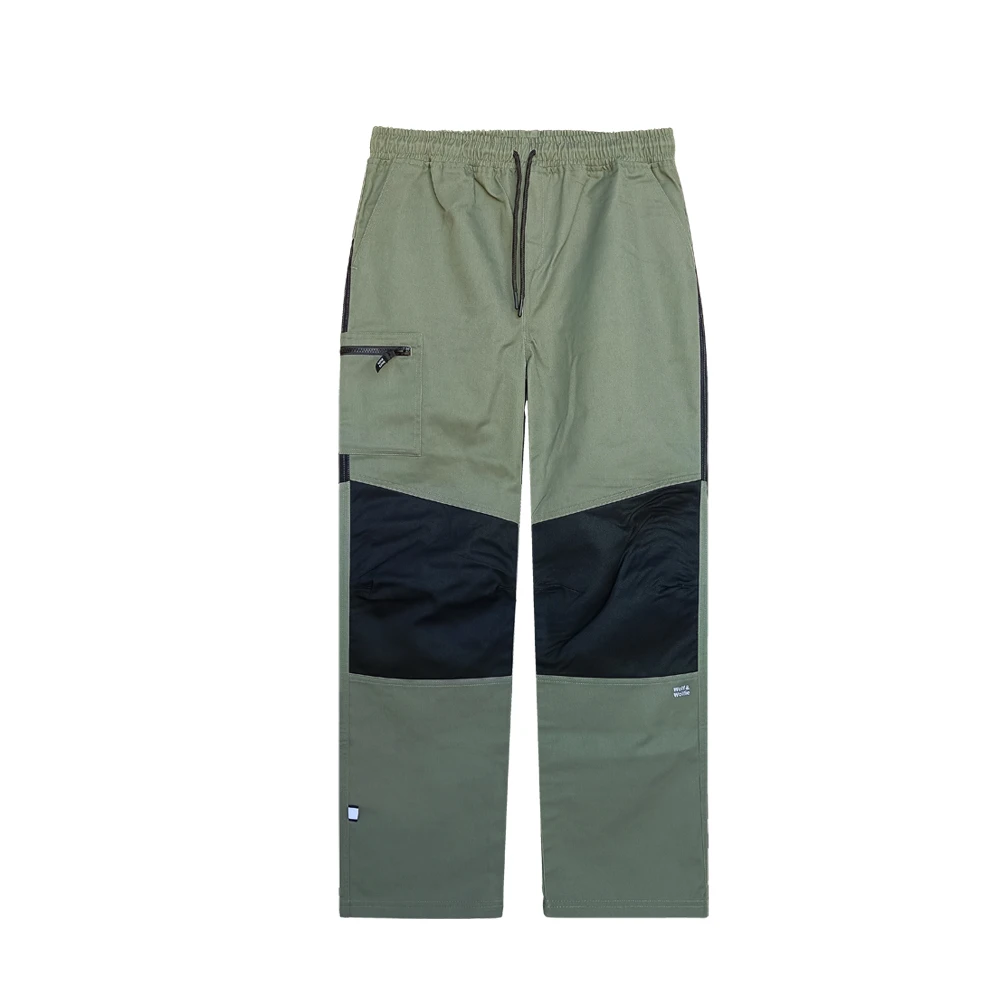
Cotton Jackets for Winter: A Natural Choice with Global Relevance
When winter chills begin to bite, choosing the right jacket becomes more than just a fashion statement—it’s about comfort, warmth, and even sustainability. Cotton jackets for winter have long been a favored option for many, offering a blend of natural fibers with versatility. But beyond their cozy feel, these jackets tap into broader themes: global apparel demand, eco-conscious manufacturing, and even humanitarian needs around the world.
Understanding these jackets isn’t just for fashionistas or textile manufacturers—it’s for anyone interested in how everyday products fit into larger social and environmental stories. Why do these cotton jackets matter globally? Well, cotton is grown in more than 80 countries (according to FAO), creating livelihoods while also prompting conversations about sustainable agriculture. Meanwhile, winter apparel remains essential in cold regions and to relief agencies deploying aid to harsh climates.
Why Cotton Jackets for Winter Matter Globally
Look at the numbers: the world apparel market keeps expanding, with demand for functional winter wear rising—especially in developing economies of Eastern Europe, Central Asia, and North America’s northern regions. The World Bank reports a recent uptick in cold-weather gear imports in colder zones. But there’s a hitch: synthetic winter jackets often rely on petrochemicals and complex supply chains, while cotton jackets offer a more accessible, breathable, and sometimes more ethical alternative.
These jackets address problems like:
- Affordable insulation for low-income communities
- Natural fiber preference for sensitive skin and breathable layering
- Renewable raw materials versus synthetic dependence
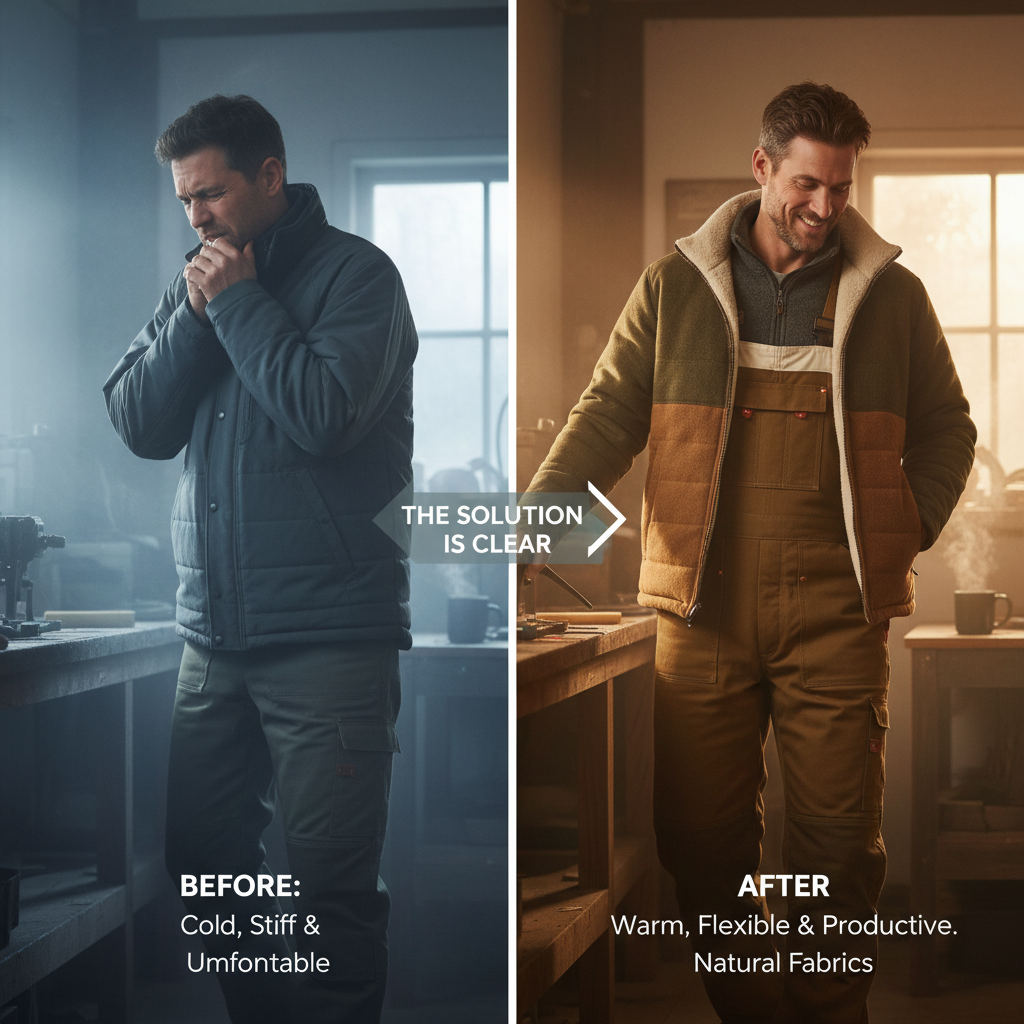
There’s a subtle balance between insulation and comfort, and cotton jackets manage that well, even though layered up properly, you can stay warm without overheating—a key in climates that swing wildly.
Quick Takeaway:
Cotton jackets for winter embody a balance of tradition, sustainability, and adaptability that meets real-world challenges worldwide.
What Exactly Are Cotton Jackets for Winter?
Simply put, these are outerwear garments primarily made from cotton. Unlike flimsy spring blouses, winter cotton jackets are usually lined, quilted, or blended with insulating materials like recycled polyester or wool to retain heat.
In industries, it often means a garment designed for durability, comfort, and sometimes water resistance without resorting to heavyweight plastics. It aligns well with modern consumer demand for "clean label" clothing—fabrics you can understand, ethically sourced, and gentle on the skin.
On the humanitarian front, cotton jackets are favored for relief efforts in cold climates due to their affordability and breathability. They meet minimum warmth requirements without excess bulk, which can be crucial for displaced individuals needing quick, reliable warmth.
Core Factors Behind Cotton Jackets’ Popularity
1. Durability and Comfort
Cotton’s natural fibers breathe better than synthetic fabrics, reducing moisture buildup—a common problem in cold weather clothing that causes chills. When paired with insulated linings, the jacket offers both softness and resistance to wear. This is crucial for heavy-duty use in both urban life and rougher terrains.
2. Cost Efficiency
Natural cotton jackets generally come at a lower manufacturing cost—especially when sourced from major cotton-growing countries like India or the US. For retailers and users, the jackets offer reasonable pricing compared to high-tech synthetics with similar warmth ratings.
3. Environmental Sustainability
While cotton farming does have water footprints, it’s renewable and biodegradable, unlike plastic-based textiles typically used in winter jackets. Innovations in organic cotton and sustainable cultivation are beginning to reduce associated environmental impacts.
4. Versatility and Style
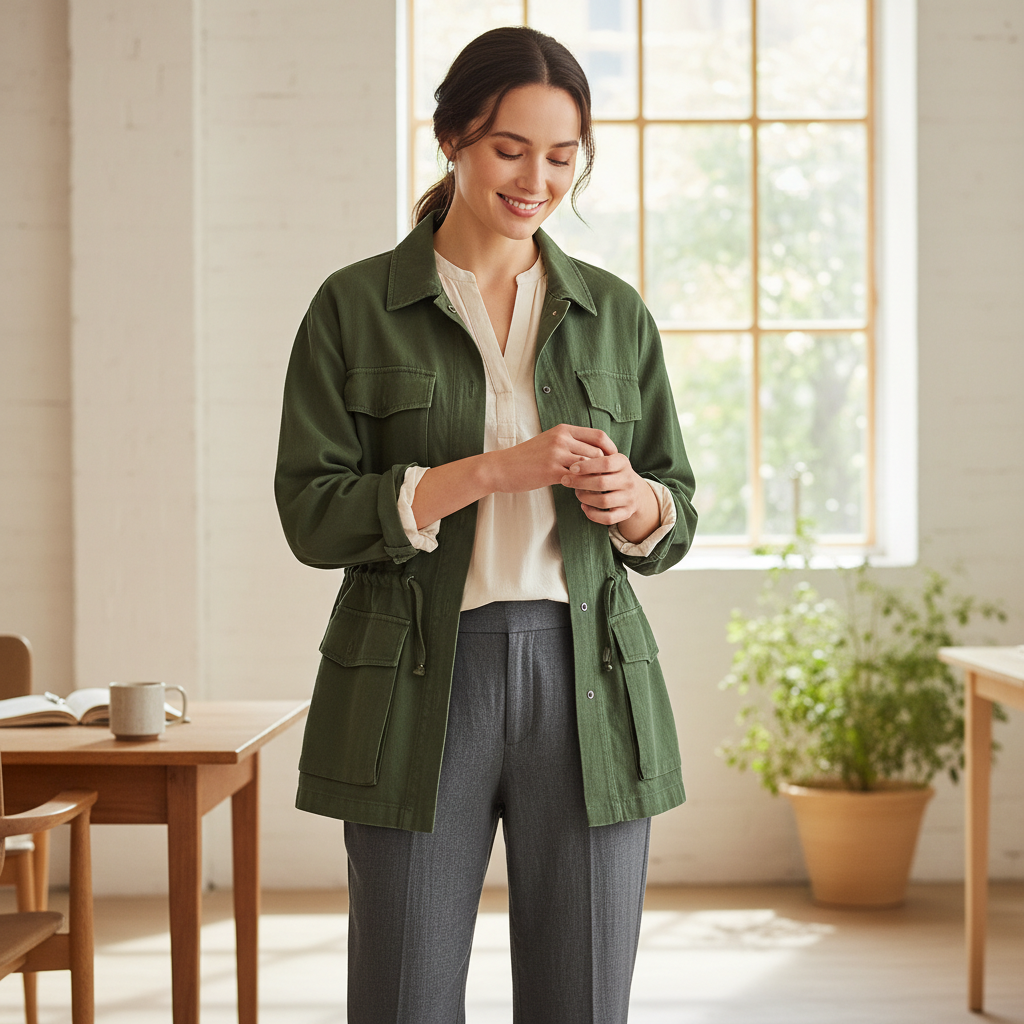
Cotton jackets fit into fashion trends easily and lend themselves to layering. Their relatively simple fabric allows for dyeing, printing, and design variations varied enough for trends ranging from rugged outdoor wear to smart casual.
How Cotton Jackets Are Used Worldwide
From harsh Russian winters to mild alpine chills in Europe, cotton jackets for winter find their place in both consumer wardrobes and aid supply chains.
- Industrial Workers: Factories in northern climates often equip workers with cotton-based jackets because they provide comfort under helmets and protective gear.
- NGOs and Relief Agencies: In post-disaster cold zones like Nepal or parts of Canada’s far north, cotton jackets are among essential distribution items due to their portability and comfort.
- Outdoor Enthusiasts: Casual hikers and urban dwellers favor cotton jackets for their easy maintenance and non-synthetic warmth layers.
If you’re curious about more technical gear, check out cotton jackets for winter that expertly blend story and science.
Mini Summary:
Cotton jackets enjoy diverse global roles, from industry uniforms to humanitarian gear, owing to their simple yet effective design.
Advantages and Long-Term Benefits of Cotton Jackets
When you buy a winter jacket, it’s not just protection from the cold—it's about safety, dignity, trust, and yes, maybe a little pride. Cotton jackets shine in several key ways:
- Affordability: Many families-prone to seasonal budget tightness can access quality outerwear without breaking the bank.
- Comfort and Breathability: Reduces sweating and subsequent chills, particularly important for outdoor workers or those in high-humidity cold environments.
- Ethical Fabric: Cotton is a renewable crop, fitting with growing consumer demand for sustainable fashion.
- Social Impact: Jets of global cotton trade support rural economies worldwide — meaning when you buy a cotton jacket, you’re indirectly contributing to livelihoods.
Cotton Jackets for Winter: Emerging Trends and Innovations
The technical textiles world is buzzing with new treatments and blends that make cotton jackets even better:
- Eco-friendly finishes: Natural water-repellents using beeswax or soy-based coatings instead of PFAS chemicals.
- Recycled cotton blends: Reducing waste by mixing post-consumer cotton fibers with new material.
- Smart Textiles: Embedded temperature regulation or moisture-sensing layers for interactive comfort control—a little futuristic but growing fast.
- Fair Trade Certification: More manufacturers are getting certified to ensure ethical working conditions and transparent sourcing.
Typical Challenges and How to Overcome Them
Cotton jackets aren’t perfect. They can absorb moisture if untreated and don’t insulate as well as synthetic down alternatives on their own. But designers have found neat solutions:
- Blending cotton with thermal linings to trap heat.
- Applying green chemical coatings for water resistance.
- Optimizing layering systems to retain the natural feel of cotton while boosting warmth.
It feels like the industry is on an exciting path to make cotton jackets for winter both a traditional and tech-savvy solution.
Product Specification Table
| Feature | Description |
|---|---|
| Fabric | 100% Organic Cotton with Quilted Polyester Lining |
| Weight | Approx. 750 grams (Medium size) |
| Water Resistance | Natural Soy-Based DWR (Durable Water Repellent) Finish |
| Insulation | Polyester Thermal Quilt, Retains Heat up to -10°C |
| Additional Features | Adjustable Hood, Reinforced Stitching, Side Pockets with Zips |
Vendor Comparison Table: Top Cotton Jacket Suppliers
| Vendor | Price Range | Sustainability Rating | Specialty |
|---|---|---|---|
| EcoWear Co. | $80–$120 | A+ (Organic Cotton) | Fair Trade Certified |
| Tradition Jackets | $60–$90 | B (Standard Cotton) | Classic Styles, Bulk Discounts |
| WinterRoots | $100–$150 | A (Recycled Blends) | Eco-friendly Finishes & Tech |
FAQs About Cotton Jackets for Winter
Q1: Are cotton jackets warm enough for harsh winter climates?
A1: Pure cotton alone isn’t the warmest fabric for freezing conditions, but most cotton jackets meant for winter include thermal linings or blends with insulating materials. This layered approach ensures warmth down to moderately cold temperatures (around -10°C) while maintaining breathability.
Q2: How should I care for a cotton winter jacket to maintain its performance?
A2: Wash cold or hand-wash your cotton jacket to prevent shrinkage and preserve fabric integrity. Air drying is recommended to avoid damage to any water-resistant finishes. Reapply eco-friendly DWR coatings annually if recommended by the manufacturer.
Q3: Are cotton jackets sustainable compared to synthetic winter jackets?
A3: Generally, yes. Cotton is a biodegradable, renewable resource, whereas synthetic fabrics often rely on petrochemicals. However, cotton farming uses considerable water, so choosing organic or recycled cotton jackets improves sustainability.
Q4: Can cotton jackets be used in outdoor professional settings like construction?
A4: Absolutely. Cotton jackets provide comfort without restricting movement and breathe well under additional safety gear. Look for models with reinforced stitching and added weather resistance for best results.
Q5: Where can I buy quality cotton jackets for winter?
A5: Many outdoor apparel brands and sustainable fashion retailers offer cotton-based winter jackets online and in stores. For detailed selections, visit cotton jackets for winter to explore options tailored to your needs.
Wrapping It Up: Stay Warm, Stay Natural
Cotton jackets for winter represent more than just a seasonal staple—they’re a bridge between tradition, comfort, and modern sustainability. Whether you’re trekking outdoors or powering through a chilly commute, these jackets promise breathability coupled with sustainable sourcing. Next time you choose winter wear, remember: it’s not just about warmth but also the story your jacket tells—about people, places, and progress. For a deeply curated selection, visit cotton jackets for winter to find your perfect fit.
Final Thought:
Sourcing, designing, and distributing cotton jackets for winter involves a fascinating mix of agriculture, technology, and social impact—truly a piece of clothing rich with meaning.
References: