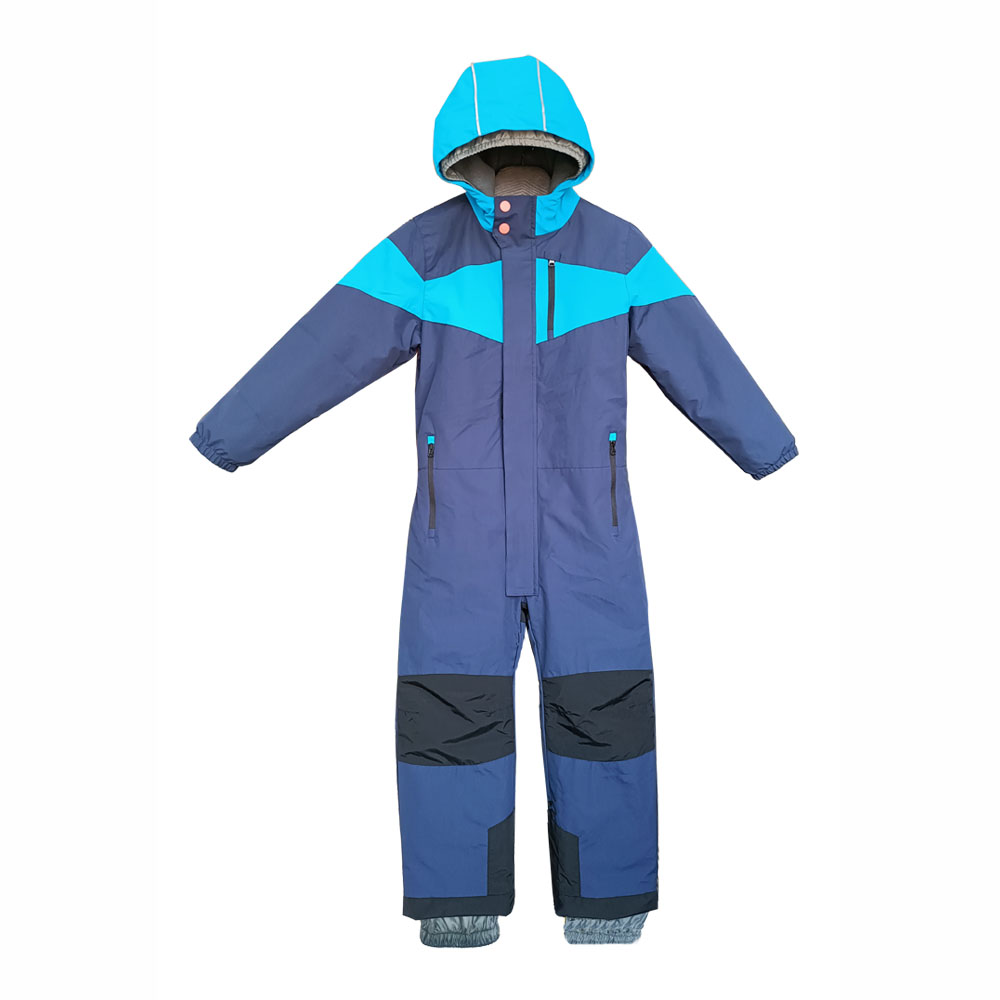
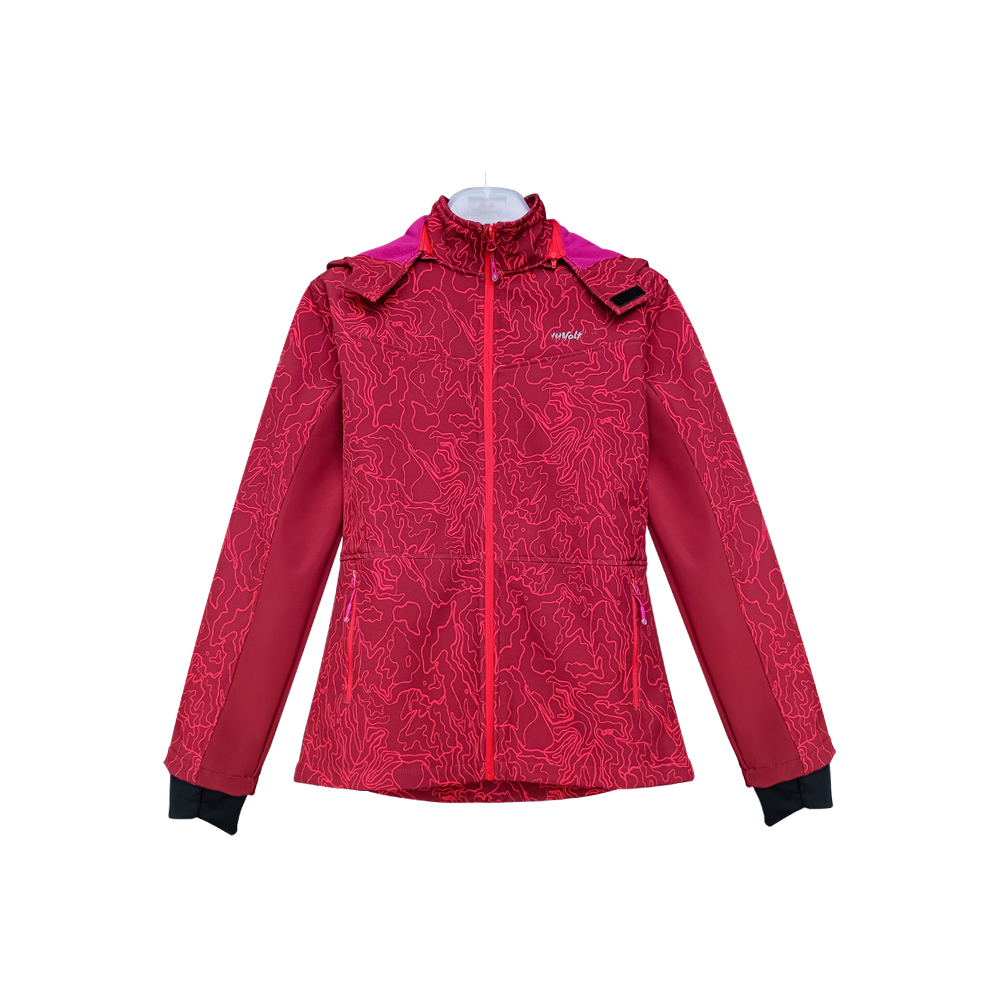
Premium Norwegian camping clothing Solutions

Engineering high-performance, weather-resistant apparel designed for the rigorous demands of the Norwegian climate and adventurous children.

Premium Norwegian camping clothing Solutions

Combining cutting-edge textile manufacturing with Scandinavian functional requirements to deliver the ultimate protection for active youth in extreme environments.

The State of Children's Technical Apparel in Norway

Analyzing the intersection of "Friluftsliv" culture and modern garment manufacturing.

In Norway, the concept of "Friluftsliv" (open-air living) dictates that kids wear must be more than just fashion; it must be survival gear. The market is dominated by a demand for extreme breathability and waterproof ratings to withstand the unpredictable North Atlantic weather.

Local consumers prioritize sustainability and durability over fast-fashion cycles. Manufacturing children clothes for this region requires a deep understanding of layering systems—merino wool bases combined with high-density softshell exteriors to prevent hypothermia during winter excursions.

Current trends show a shift toward circular economy models. Norwegian parents increasingly seek kids apparel that can grow with the child, utilizing adjustable seams and reinforced high-wear zones to extend the garment's lifecycle across multiple seasons.
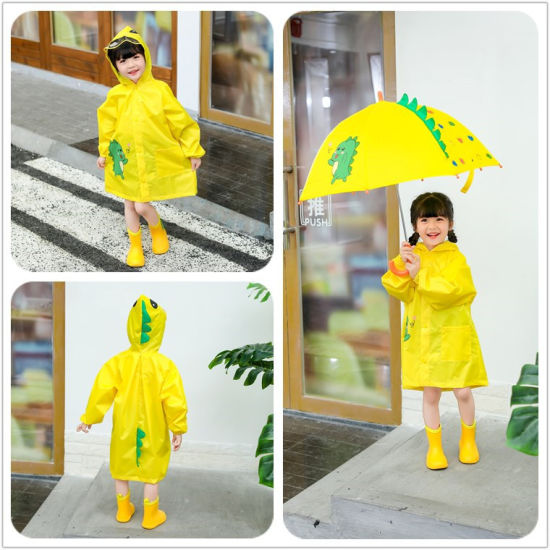
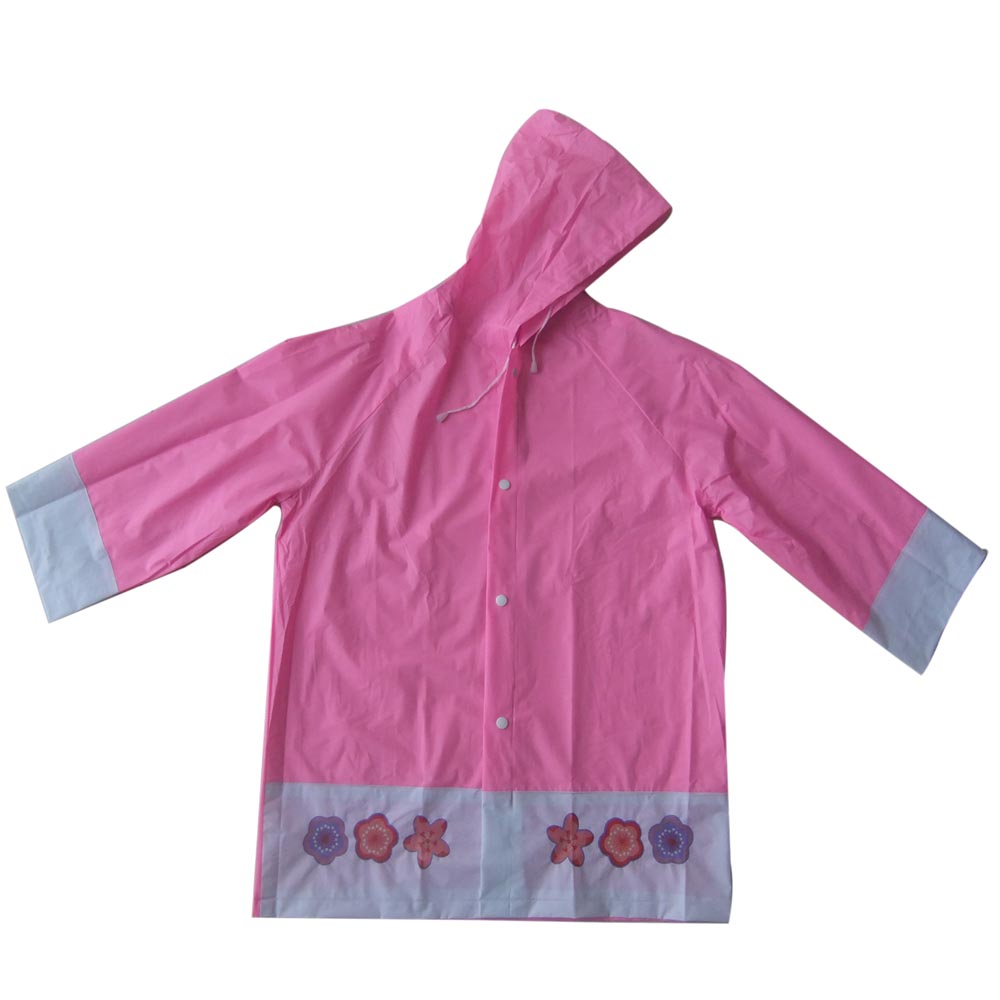
Evolution of Technical Youth Textiles

From traditional woolens to intelligent synthetic membranes.

Market Development History

Prior to the 1990s, Norwegian youth outdoor gear relied heavily on heavy wool and oiled cotton. While warm, these materials lacked the moisture-wicking capabilities required for high-intensity activity, often leading to dampness and discomfort.

Between 2000 and 2015, the industry saw a rapid adoption of PTFE membranes and synthetic fleece. This era introduced the "three-layer principle" to kid suit designs, drastically improving windproofing and water resistance for school-age explorers.

From 2016 to the present, the focus has shifted toward PFC-free DWR (Durable Water Repellent) coatings and recycled polymers. Manufacturing now integrates laser-cutting and ultrasonic welding to eliminate leak-prone seams in technical gear.

Future Development Trends

Biomimetic Thermal Regulation

Integration of phase-change materials (PCM) that actively absorb and release heat based on the child's body temperature and the external Norwegian frost.

Smart Fabric Integration

Embedding conductive fibers into apparel to monitor body temperature and location, enhancing safety during wilderness camping trips.

Hyper-Localized Sustainable Sourcing

A move toward 100% biodegradable synthetic fibers that maintain technical performance but break down safely in Nordic soil conditions.

Strategic Outlook for Nordic Youth Manufacturing

Forecasting the next 5 years of innovation in the apparel sector.

Eco-Circular Textiles
Implementing closed-loop recycling where old garments are chemically broken down into virgin-quality polymers.
Adaptive Ergonomics
Using 3D body scanning to create adaptive fits that accommodate growth spurts without sacrificing thermal seal.
Nano-Shield Coatings
Applying atomic-layer deposition for 100% waterproof surfaces that remain completely breathable.
Carbon-Neutral Logistics
Shifting to fully electric supply chains to align with Norway's strict national environmental targets.

Industry Outlook

Google search trends for "sustainable kids outdoor gear" in the Nordic region have seen a 40% year-on-year increase. This indicates a fundamental shift in purchasing behavior, where technical specifications are now secondary to the ethical footprint of the manufacturing process.

We anticipate that the fusion of "smart textiles" and "circular design" will create a new category of high-value apparel that persists through the secondary market, increasing the long-term ROI for Norwegian parents.

Local Application Scenarios in Norway

Real-world deployment of technical youth clothing in Scandinavian environments.

01. Kindergarten Winter Forest Days

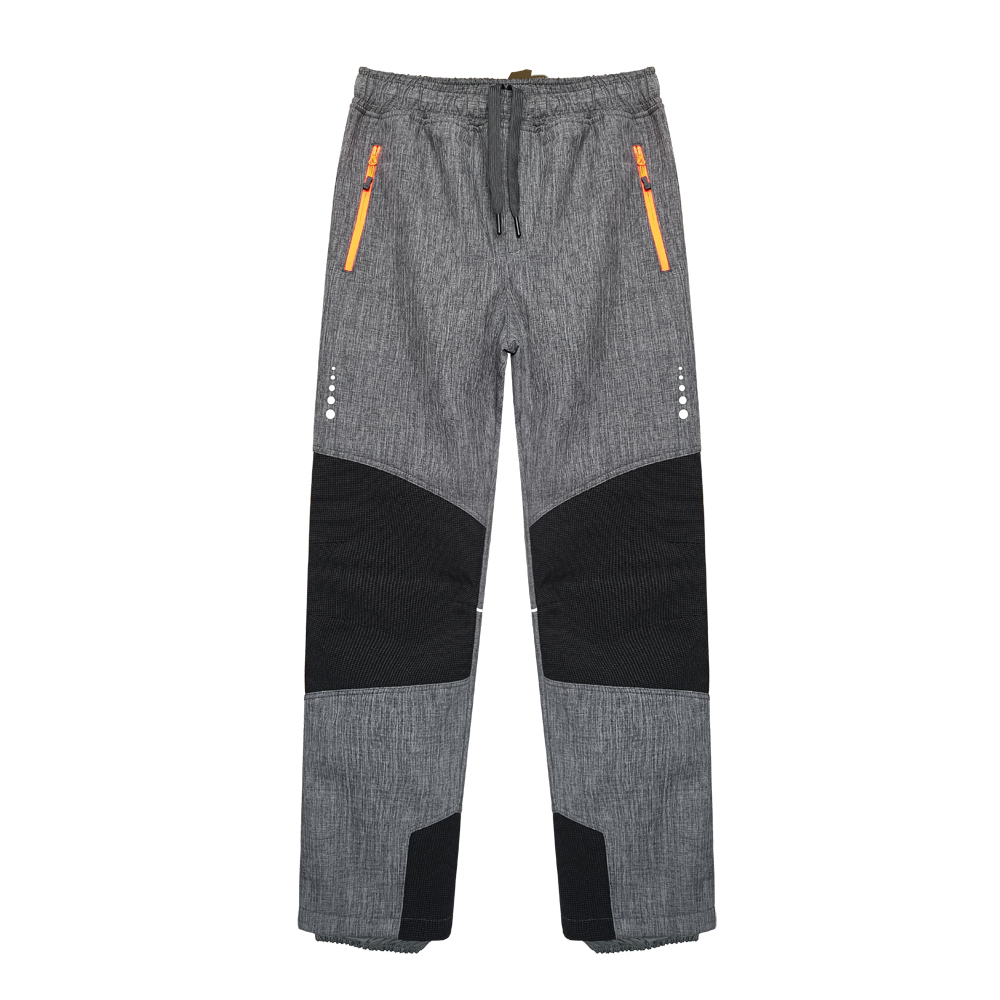
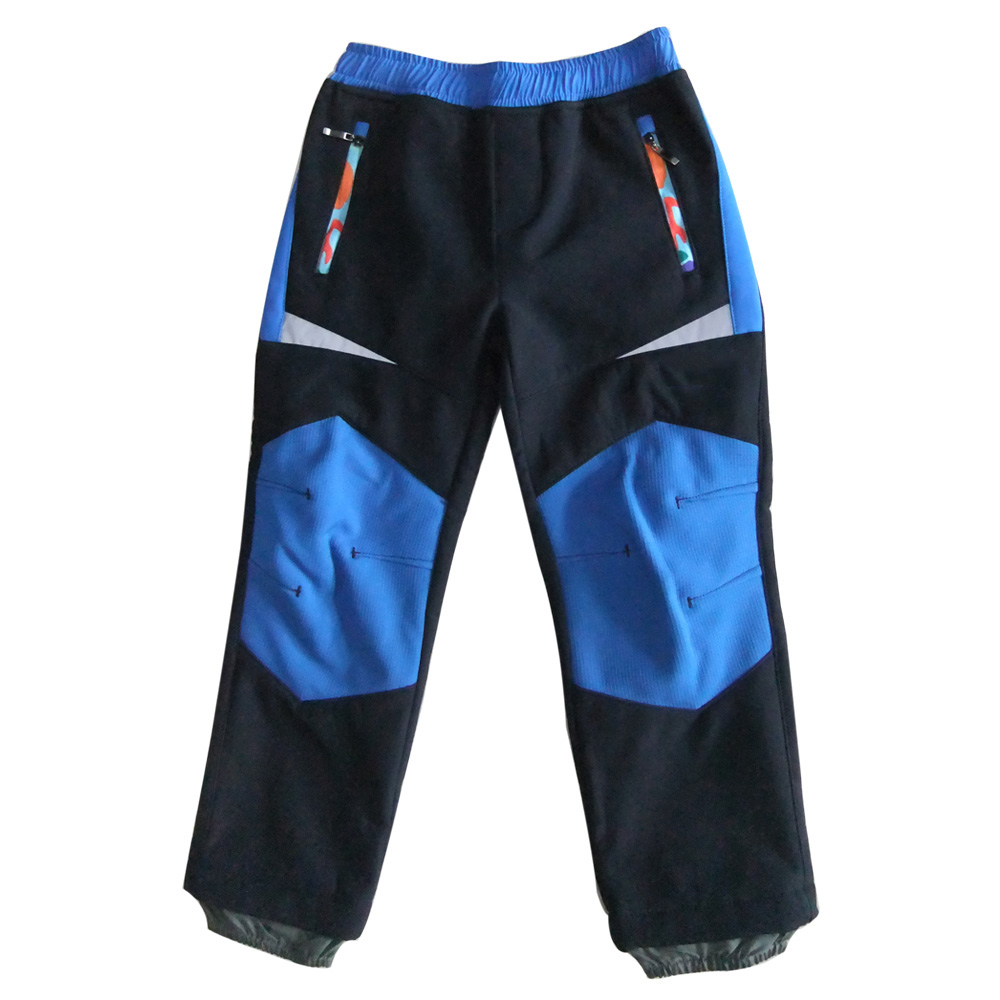
Designed for the "Utekultur" (outdoor culture) where children spend 6+ hours daily in snow. Our gear focuses on reinforced knee pads and waterproof seals for constant sitting and crawling in wet snow.

02. Hardangervidda Family Trekking

High-altitude camping requires extreme wind-blocking capabilities. We provide modular layering that prevents wind-chill during static periods and allows heat escape during steep climbs.

03. Oslo Urban Commuting in Rain

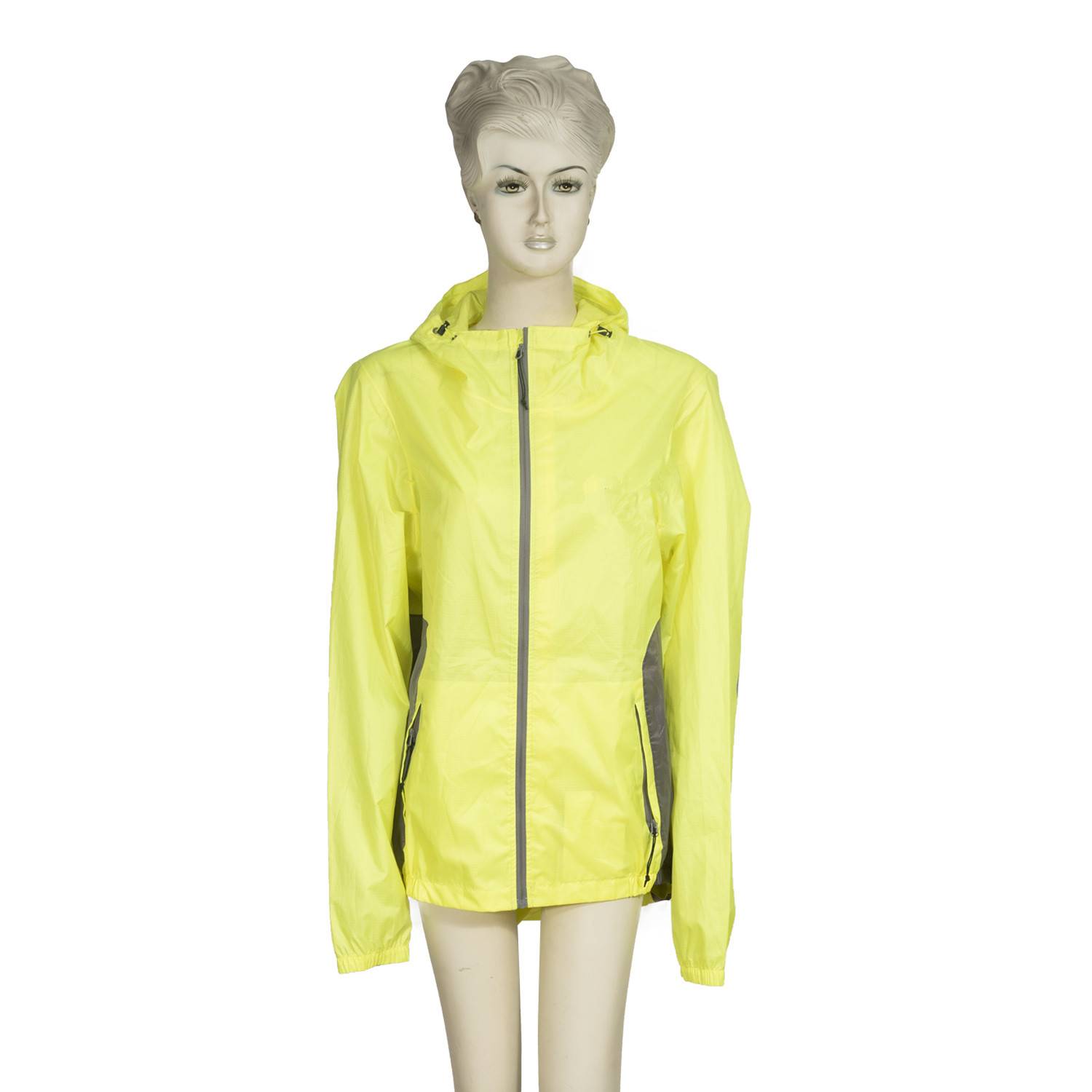
Integrating high-visibility reflective elements with lightweight waterproof shells, ensuring safety during the dark Norwegian winters while maintaining city-appropriate aesthetics.

04. Arctic Circle Educational Trips

Ultra-insulated thermal shells designed for sub-zero temperatures, utilizing synthetic down that retains loft even when compressed under heavy backpacks.

05. Coastal Fjord Exploration

Salt-spray resistant coatings on technical outerwear to prevent corrosion of zippers and fabric degradation during boat trips and shoreline exploration.

Brand Story

Global Development Journey of Shijiazhuang Hengtaize Trade Co., Ltd.

Founding Vision

Established with a mission to bridge the gap between industrial manufacturing efficiency and the high-performance needs of global outdoor apparel.

Technical Breakthrough

Invested in advanced softshell weaving technologies, solving the industry pain point of balancing absolute waterproofing with skin-breathability.

European Expansion

Strategically entered the Nordic market, adapting our production lines to meet the rigorous ECHA and OEKO-TEX standards required in Norway.

Sustainable Pivot

Launched a comprehensive "Green Line" utilizing recycled ocean plastics, reducing the carbon footprint of every garment produced.

Global Leadership

Now recognized as a leading OEM/ODM partner for high-end technical youth wear, blending Asian manufacturing precision with Western functional design.

Norwegian Youth Apparel FAQ

Expert answers to common technical questions from Nordic partners.

What is the optimal waterproof rating for kids wear in Norway?

For the Norwegian climate, we recommend a minimum of 10,000mm for light rain and 20,000mm for heavy snow and wet conditions to ensure complete dryness.

How does your camping clothing handle extreme sub-zero temperatures?

Our gear utilizes a multi-layer synthetic insulation system that traps air pockets to maintain body heat even when the external temperature drops below -20°C.

Are the materials used in your children clothes PFC-free?

Yes, all our modern production lines utilize C0 DWR coatings, ensuring no harmful perfluorinated chemicals are released into the Nordic environment.

Do you offer customized sizing for kids apparel to accommodate growth?

We implement "Growth-Room" engineering, which includes extendable sleeves and adjustable waistbands, increasing the garment's usable life by up to 12 months.

What makes a technical kid suit different from standard outerwear?

A technical suit integrates seam-taping, wind-blocking membranes, and ergonomic articulation, specifically designed for high-movement outdoor activities.

How should softshell kids wear be maintained for longevity?

We recommend washing with specialized technical detergents and occasional low-heat tumble drying to reactivate the water-repellent surface tension.

Partner With the Experts

Ready to elevate your youth outdoor line with world-class manufacturing? Connect with our specialists today to bring high-performance apparel to Norway.

Contact Us Now

If you are interested in our products, you can choose to leave your information here, and we will be in touch with you shortly.