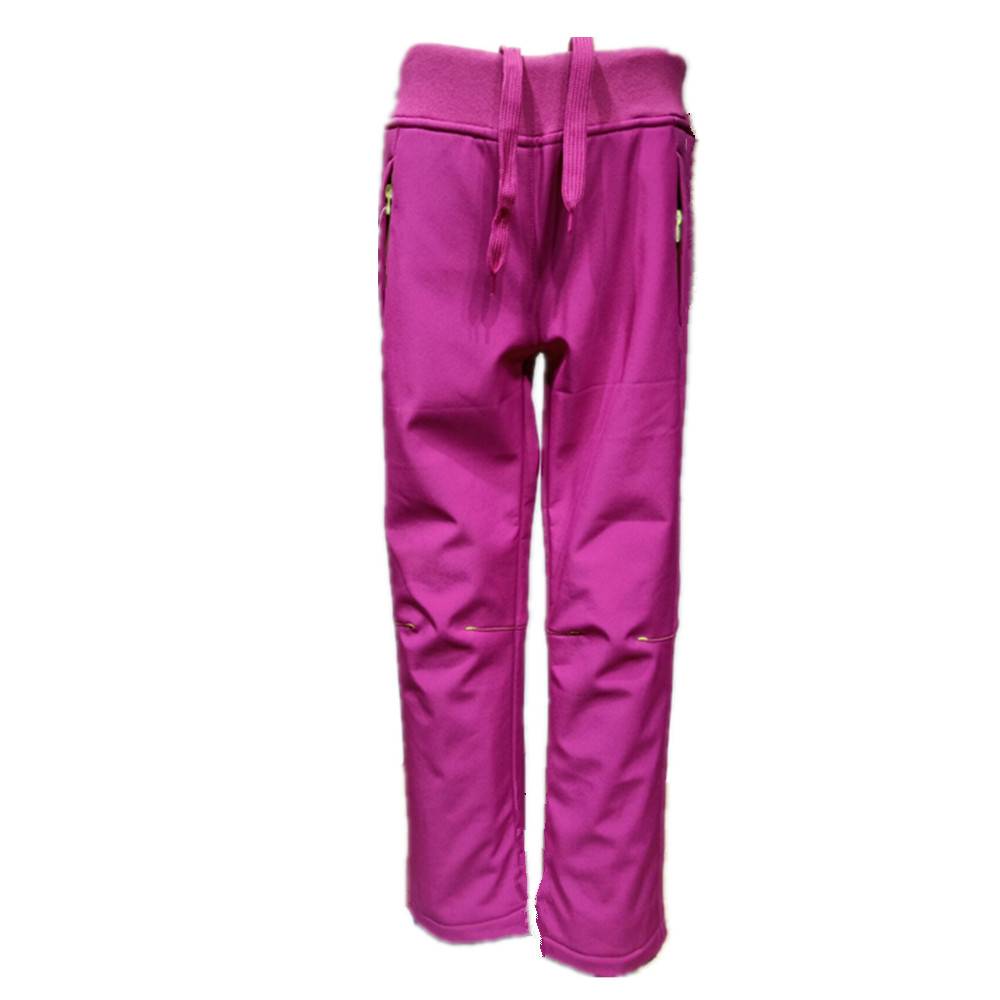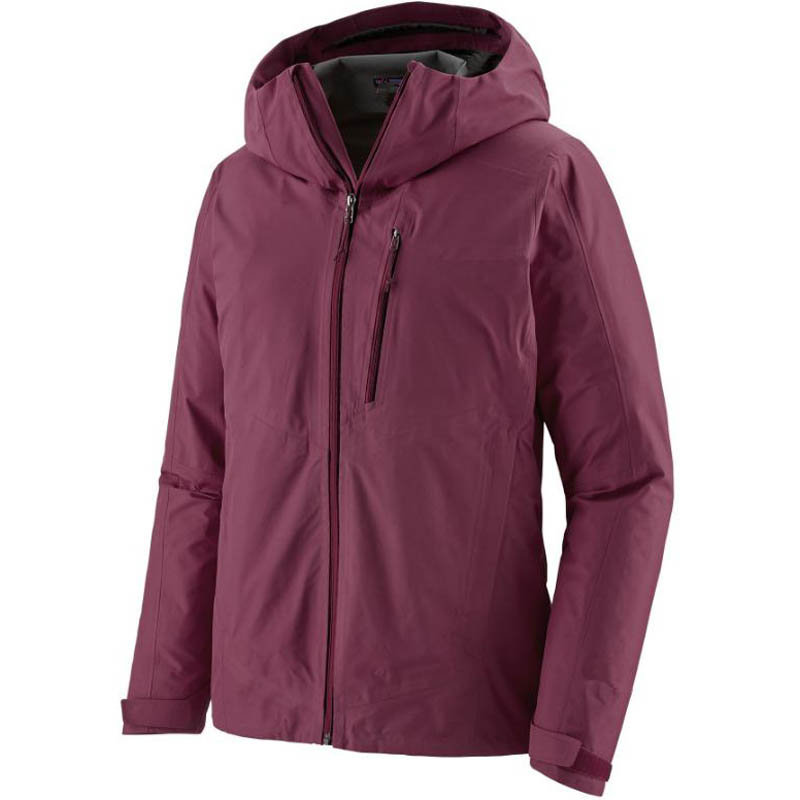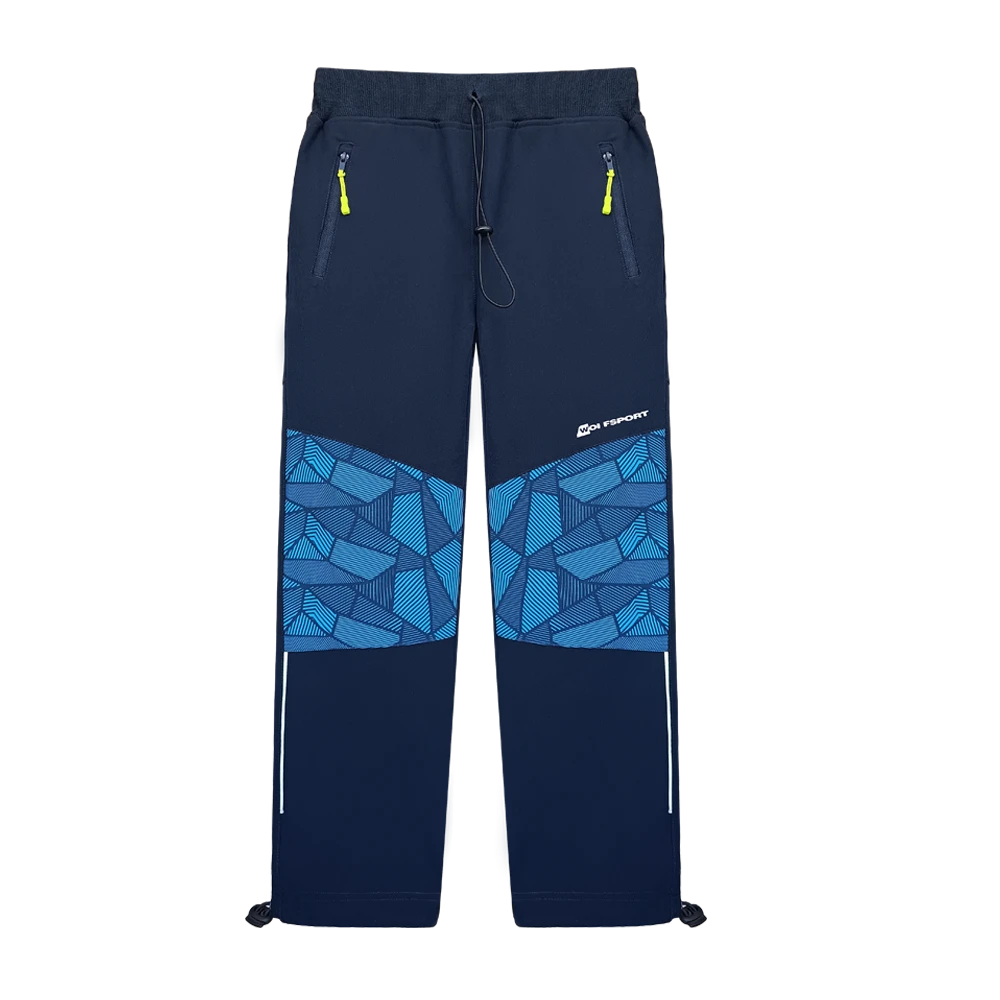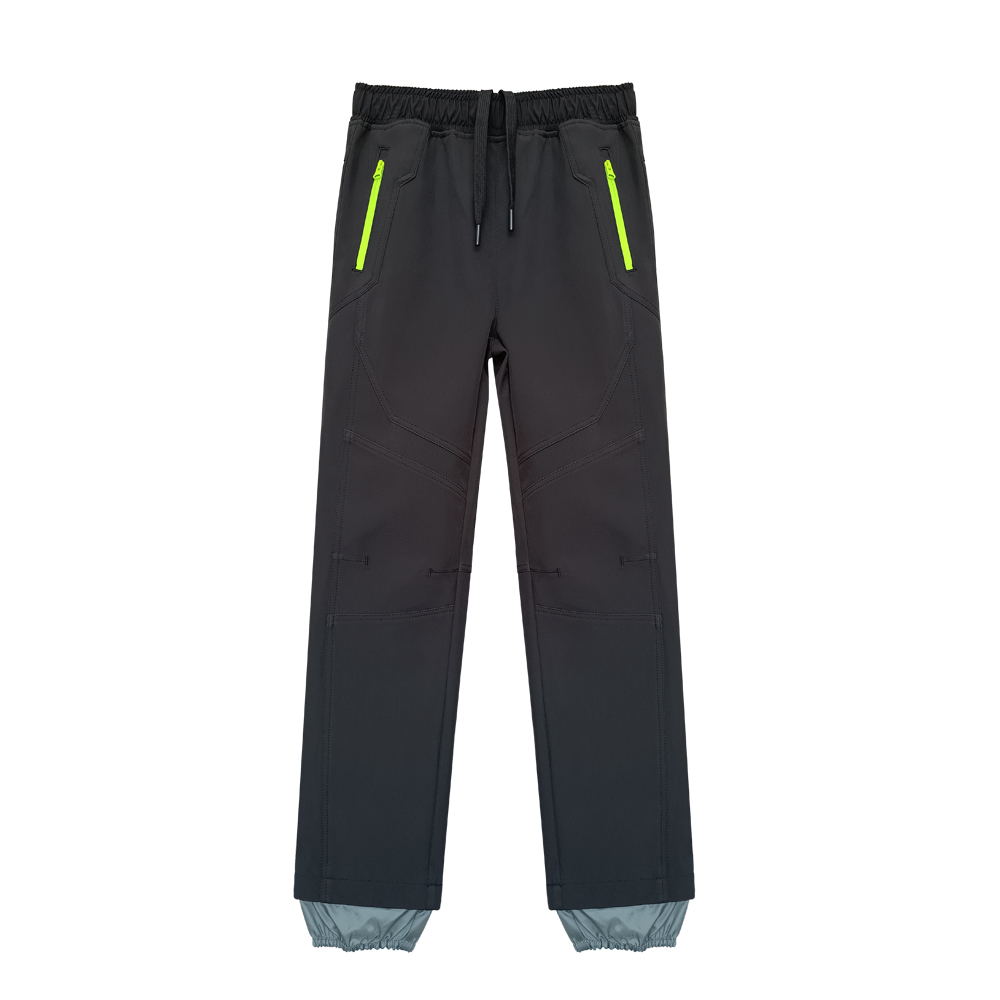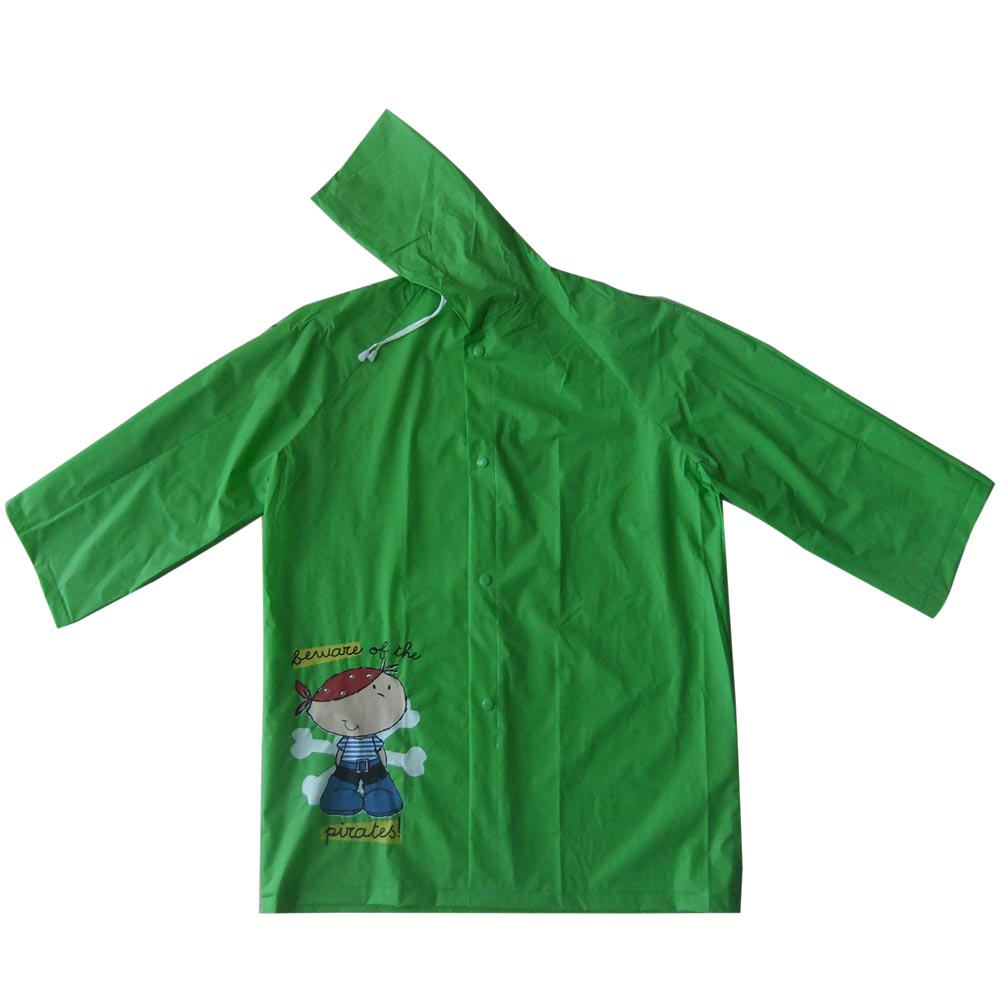
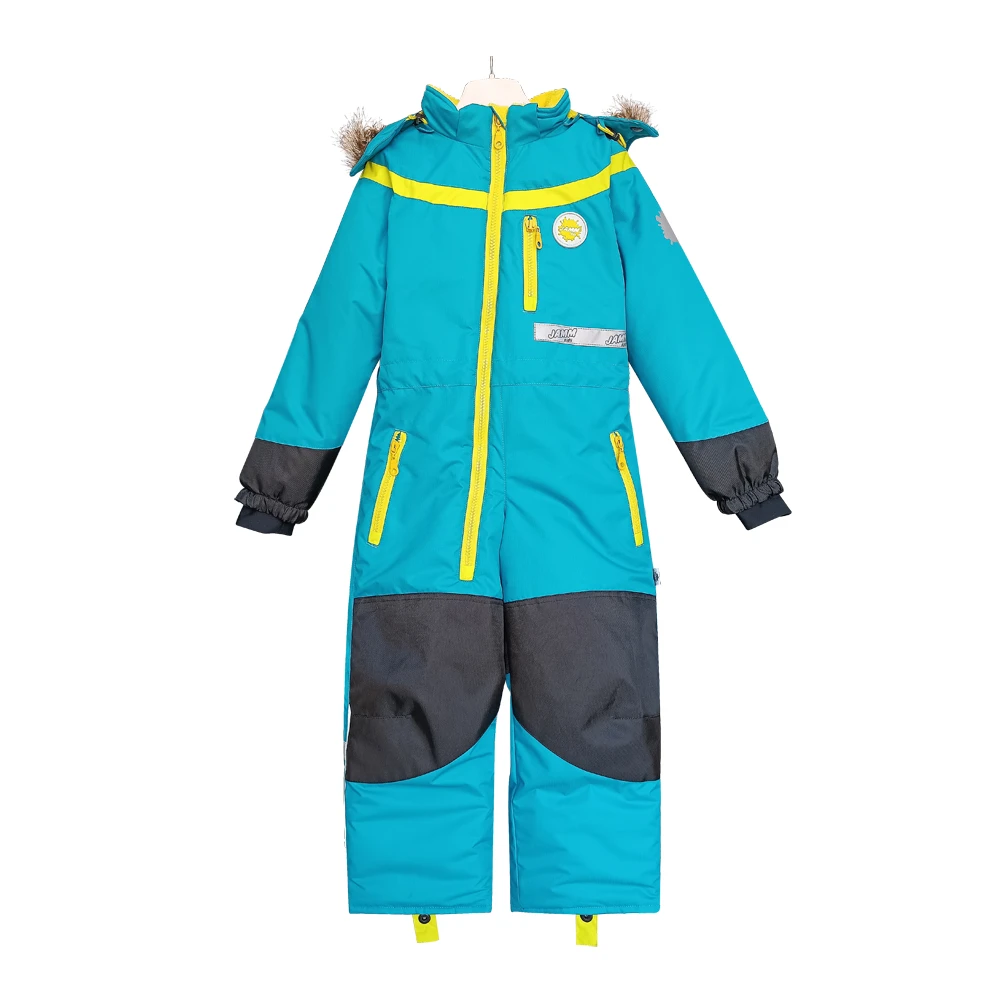
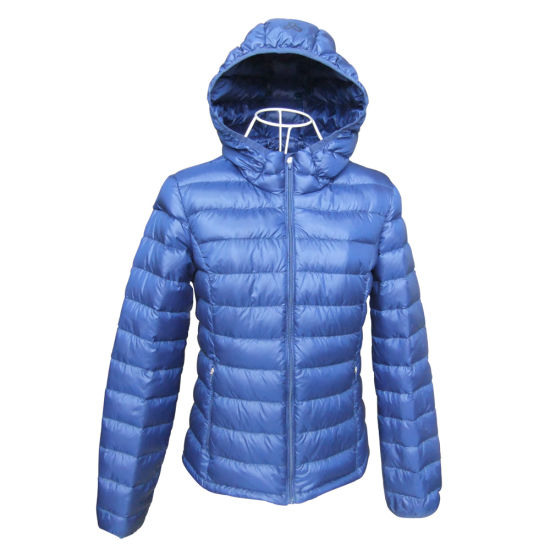
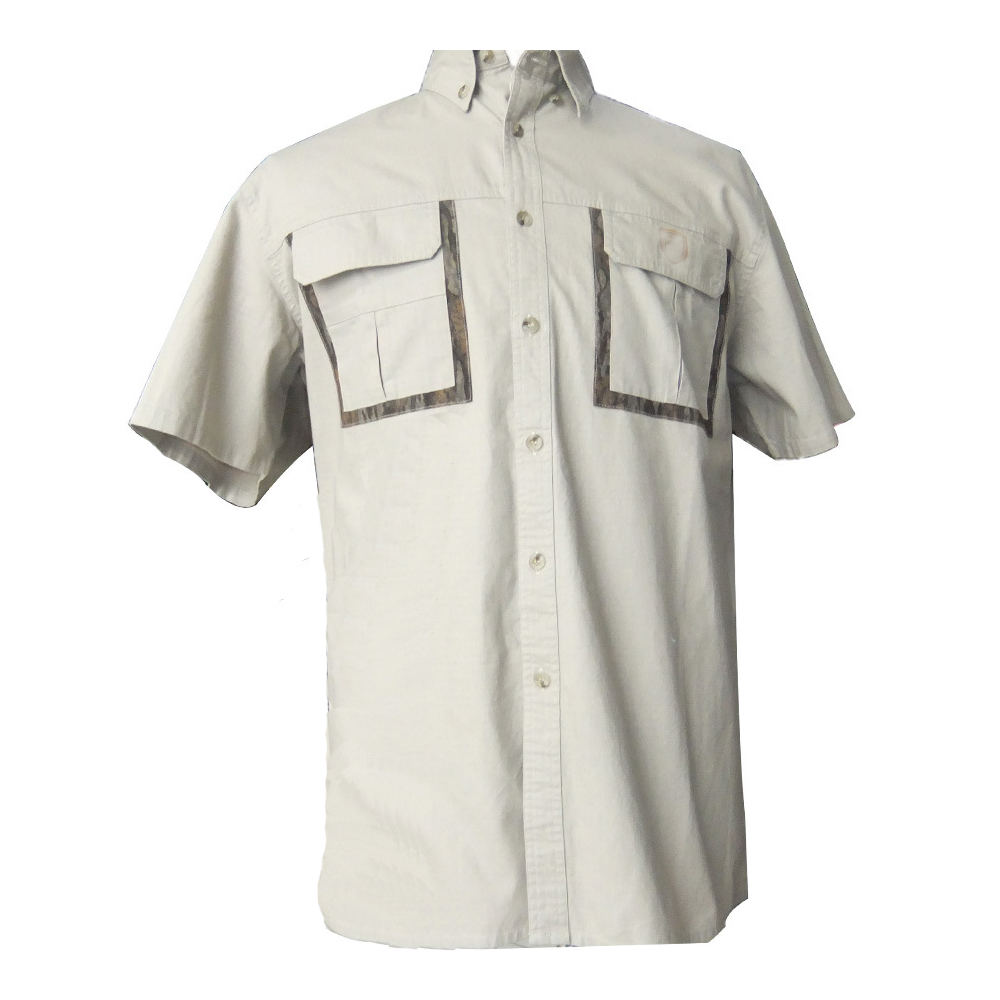
The market for kids wear in the United States is characterized by a high demand for versatility. Due to the vast geographical span, apparel must transition from the humid subtropical climates of the South to the frigid winters of the North. This diversity drives a procurement trend toward multi-functional fabrics that offer both breathability and thermal insulation, ensuring children remain comfortable across various regional ecosystems.
Beyond daily utility, there is a significant surge in the preference for camping clothing as North American families increasingly embrace outdoor lifestyles. The requirement for this segment focuses on durability, water resistance, and safety certifications. Modern procurement managers are looking for suppliers who can integrate advanced materials like TPU or polyester while maintaining the soft touch necessary for sensitive skin in children clothes.
From an industrial perspective, the shift toward sustainable sourcing and strict quality control is paramount. In the United States, the emphasis on non-toxic dyes and reinforced stitching for active play has redefined the standard for kids apparel. Companies are now prioritizing vertically integrated supply chains that can handle everything from raw material selection to final QC, reducing lead times for seasonal launches.