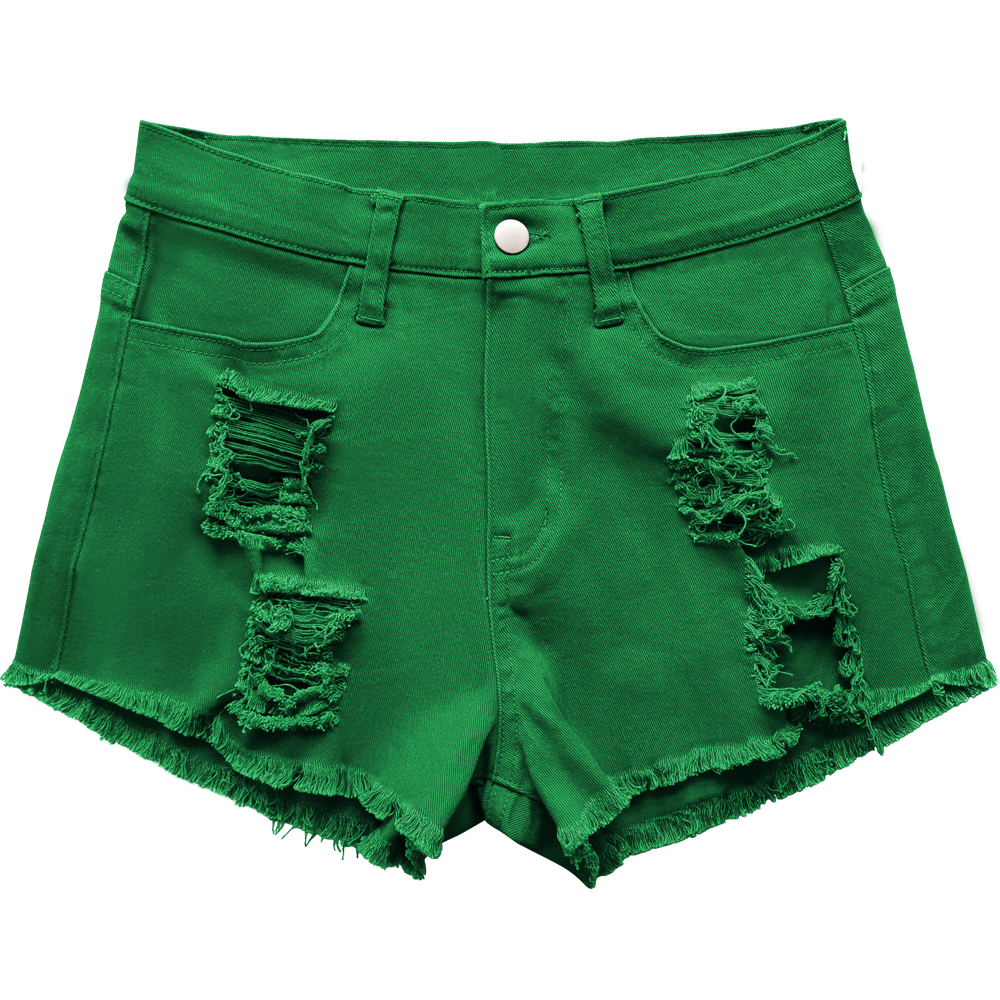
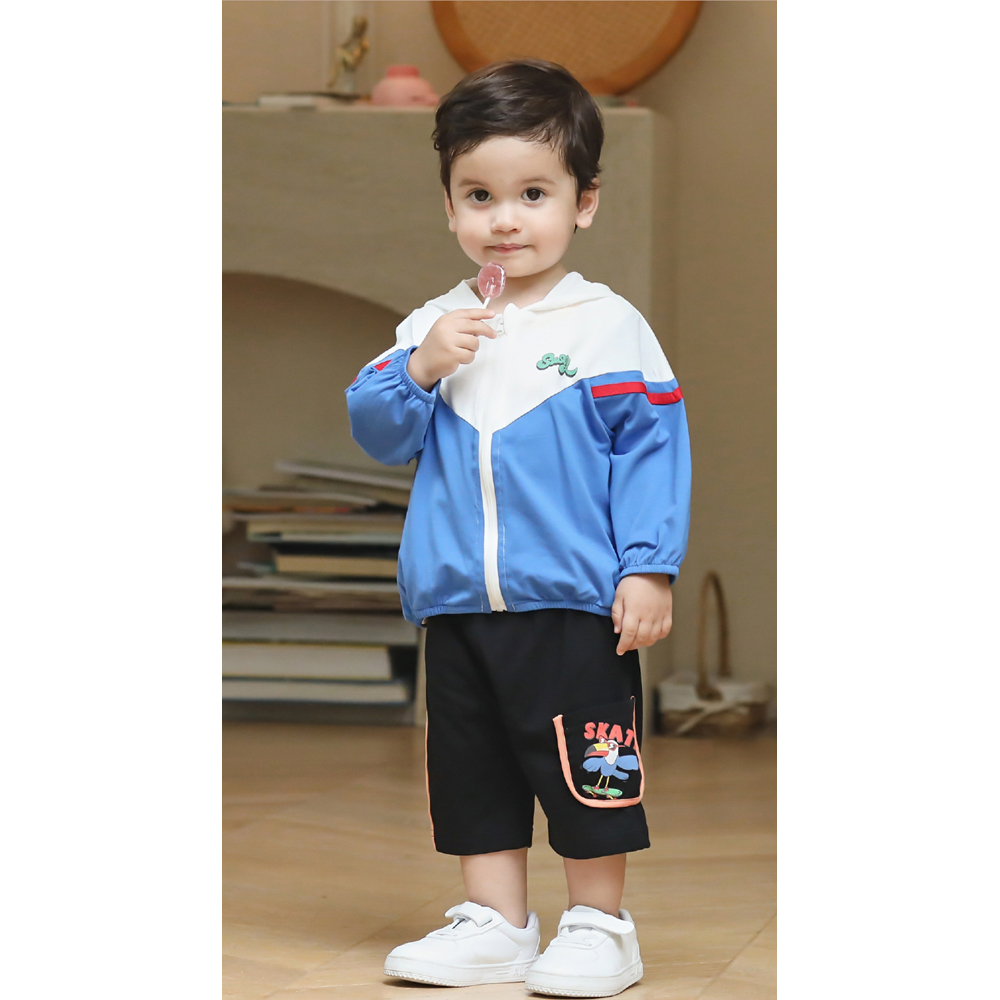
Premium Manufacturing Solutions for camping clothing in Germany

Engineering high-performance, durable, and sustainable textile solutions tailored for the rigorous demands of the German outdoor market.

Premium Manufacturing Solutions for camping clothing in Germany

Providing advanced textile engineering and scalable manufacturing for the most demanding kids apparel and outdoor gear sectors in Europe.

The State of Children's Textile Manufacturing in Germany

Analyzing the intersection of stringent EU safety standards and the high demand for functional kids wear.

The German market for kids wear is characterized by an uncompromising commitment to quality and safety. With strict adherence to OEKO-TEX standards and the German "GS" mark, manufacturers must integrate non-toxic dyes and hypoallergenic fabrics to meet local consumer expectations.

Geographically, Germany's diverse climate—ranging from the maritime influence in the north to the Alpine regions in the south—creates a unique demand for versatile children clothes. There is a significant shift toward "layering systems" that provide thermal insulation and waterproofing for active children.

Economically, the industry is transitioning toward a circular economy. German brands are increasingly demanding recycled polyesters and organic cottons, pushing manufacturers to implement closed-loop production cycles to reduce the environmental footprint of kids apparel.
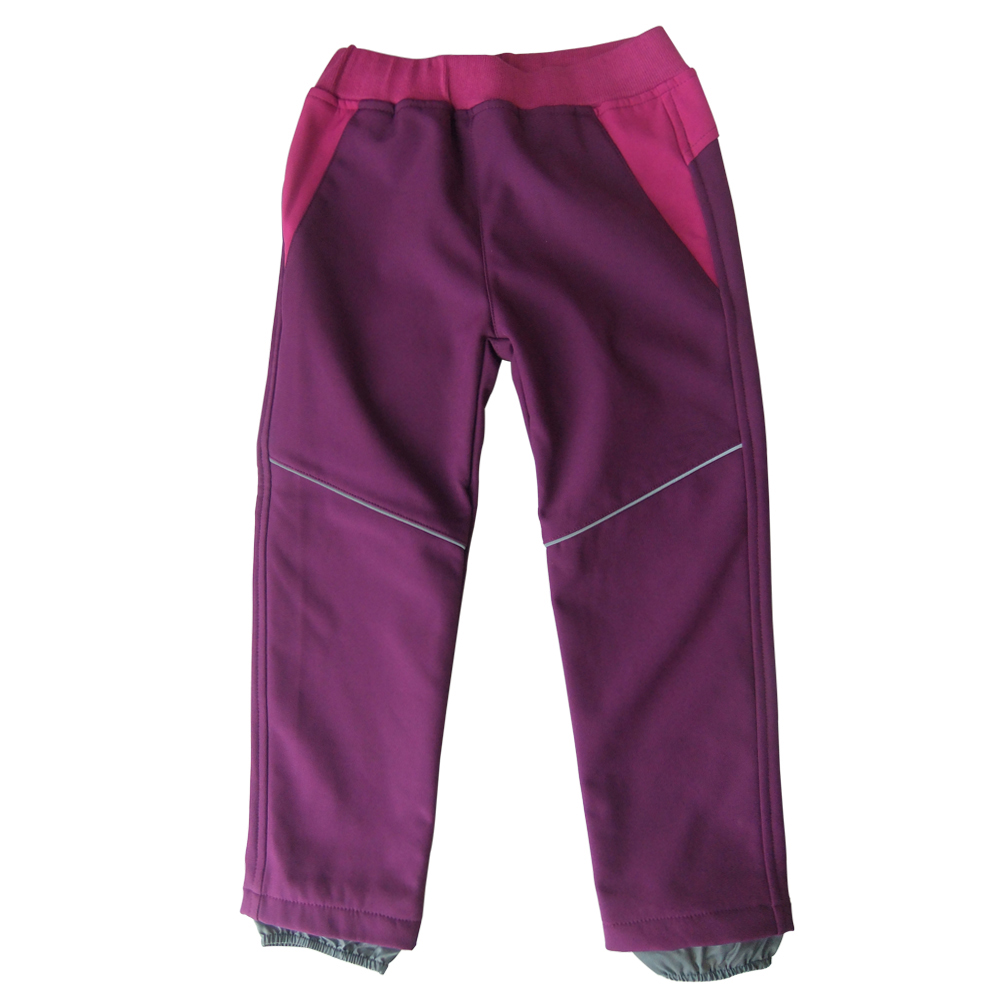
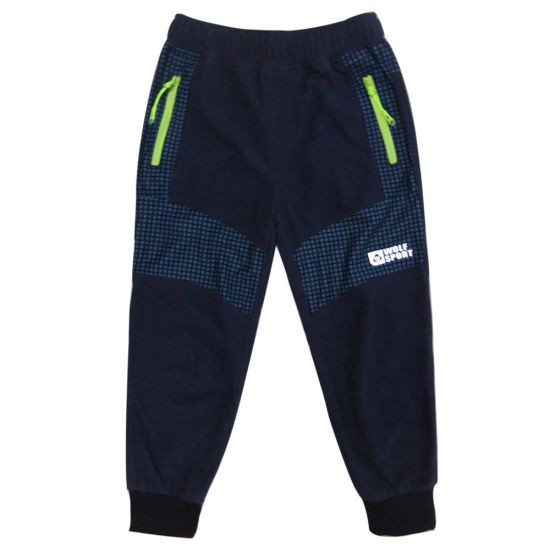
Evolution of Apparel Engineering and Growth Trajectory

From traditional tailoring to smart, functional textile integration in the German market.

Market Development History

Between 1990 and 2010, the German market focused on durable, basic fabrics. The production of a kid suit during this era relied on heavy wools and traditional cotton weaves, prioritizing formality and longevity over specialized function.

From 2010 to 2020, the "Functional Era" emerged. The introduction of membrane technologies (like PTFE) revolutionized camping clothing, allowing for breathable yet waterproof garments that catered to the German "Wandern" (hiking) culture.

Since 2020, the industry has entered the "Sustainable Intelligence" phase. Manufacturing has shifted toward 3D knitting and seamless bonding, drastically reducing fabric waste and improving the ergonomic fit of modern children clothes.

Future Development Trends

Bio-Synthetic Integration

The next 3 years will see a surge in lab-grown fibers and biodegradable polymers to replace traditional synthetics in high-performance outdoor gear.

AI-Driven Sizing Optimization

Using Google Search trend data on "custom fit kids wear," we predict a shift toward AI-powered parametric patterning to reduce return rates in e-commerce.

Smart Thermal Regulation

Integration of phase-change materials (PCMs) will allow kids apparel to actively regulate body temperature in fluctuating Alpine climates.

Industry Trends and Future Outlook 2025-2030

Strategic forecasts for the textile manufacturing sector in Europe.

Circular Economy Shift
Implementing 100% recyclable mono-materials to align with German waste management laws.
Digital Twin Design
Using 3D prototyping to eliminate physical sampling, accelerating the GTM cycle for kids apparel.
On-Demand Micro-Factories
Shifting from mass production to agile, small-batch manufacturing to reduce unsold inventory.
Smart-Fiber Integration
Embedding sensors into camping clothing for child safety and health monitoring during outdoor activities.

Industry Outlook

The trajectory of the German clothing industry is moving toward "Precision Apparel." By leveraging data-driven design and sustainable chemistry, the next five years will see a convergence of medical-grade safety and high-fashion aesthetics in children's wear.

We anticipate a 15% annual growth in the "Eco-Performance" segment, where consumers are willing to pay a premium for garments that are both PFC-free and high-performing, fundamentally altering the supply chain for kids apparel.

Localized Application Scenarios in Germany

Real-world deployment of specialized clothing solutions across diverse German environments.

01. Black Forest Hiking Expeditions

Utilizing high-breathability camping clothing with moisture-wicking properties to keep children dry and warm during damp, forested treks in Baden-Württemberg.

02. Bavarian Alps Winter Sports

Implementing multi-layer thermal systems for children clothes, featuring windproof shells and heat-retention base layers for skiing and snowboarding.

03. Berlin Urban Sustainable Fashion

Producing organic, minimalist kids wear for the eco-conscious metropolitan parents who prioritize recycled materials and timeless design.

04. North Sea Coastal Exploration

Engineering heavy-duty waterproof kids apparel that resists salt-water corrosion and withstands high-velocity winds typical of the Northern coast.

05. Formal Occasions in Munich

Crafting a lightweight yet structured kid suit using breathable wool blends, balancing traditional German elegance with the comfort needed for active children.

Brand Story

Global Development Journey of Shijiazhuang Hengtaize Trade Co., Ltd.

Foundational Excellence

Started with a mission to bridge the gap between raw textile manufacturing and high-end market requirements, focusing on precision stitching and fabric durability.

Technological Pivot

Invested in advanced softshell and waterproof membrane technologies to solve the pain point of "weight vs. warmth" in outdoor children's clothing.

European Market Entry

Aligned production lines with EU REACH and OEKO-TEX standards, establishing a strong foothold in the German high-performance apparel sector.

Sustainability Integration

Launched the Green-Thread initiative, integrating GRS-certified recycled fabrics into all children's garment lines to protect the planet for future generations.

Global Leadership

Now recognized as a premier partner for European brands, delivering scalable, sustainable, and technically superior clothing solutions globally.

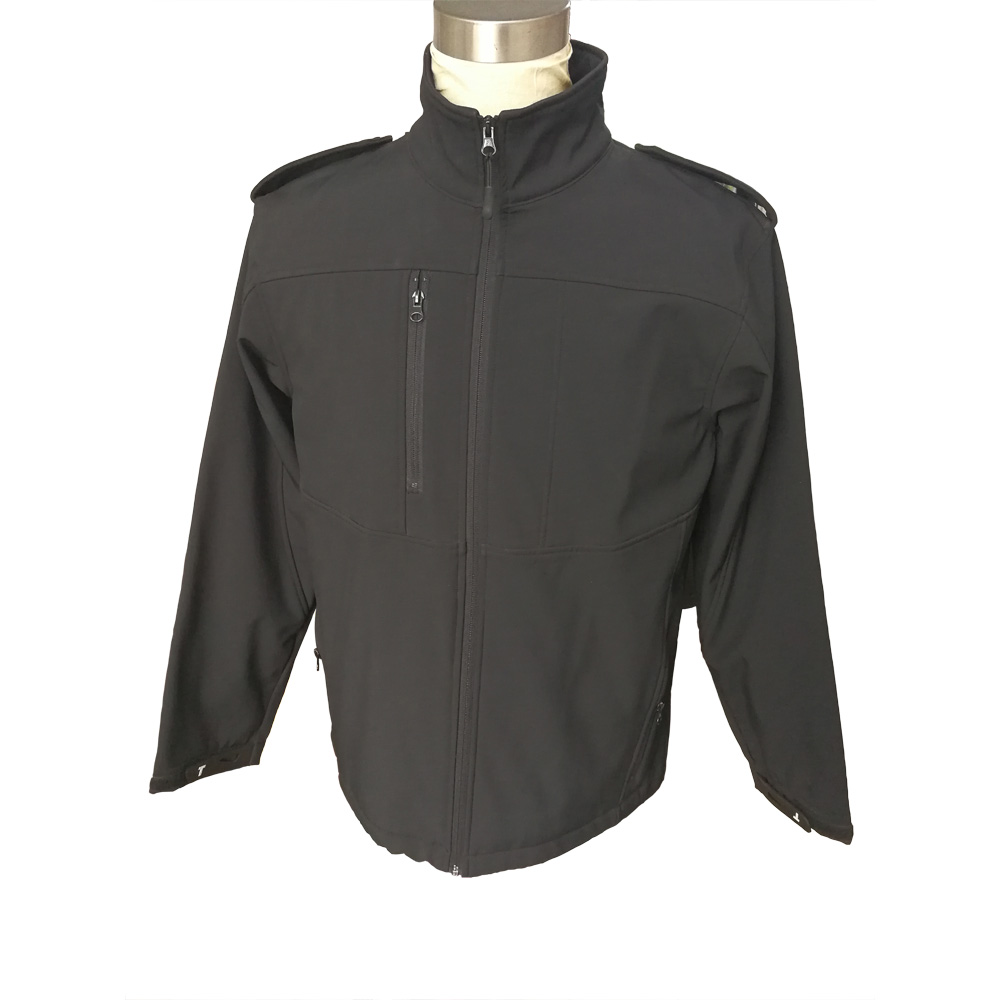
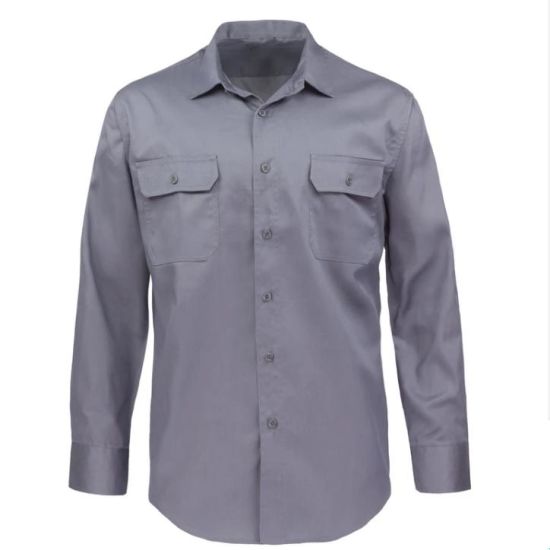
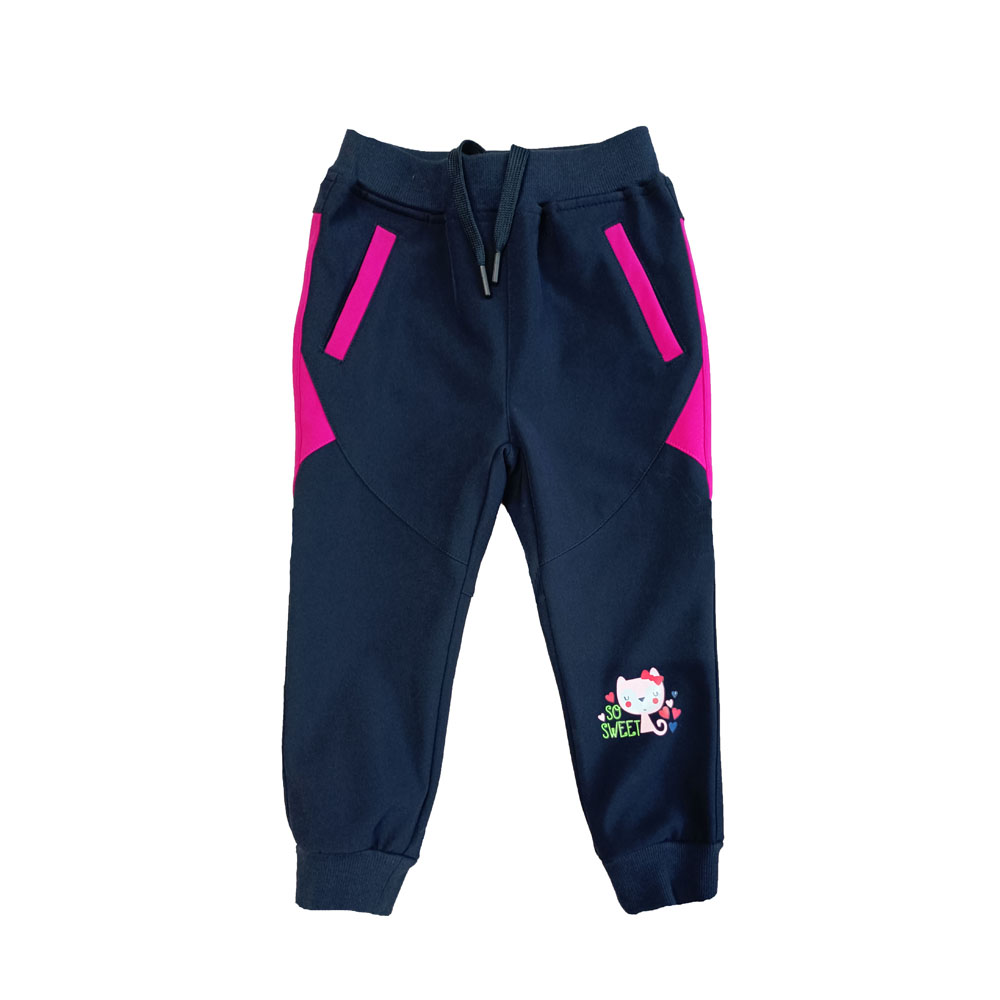
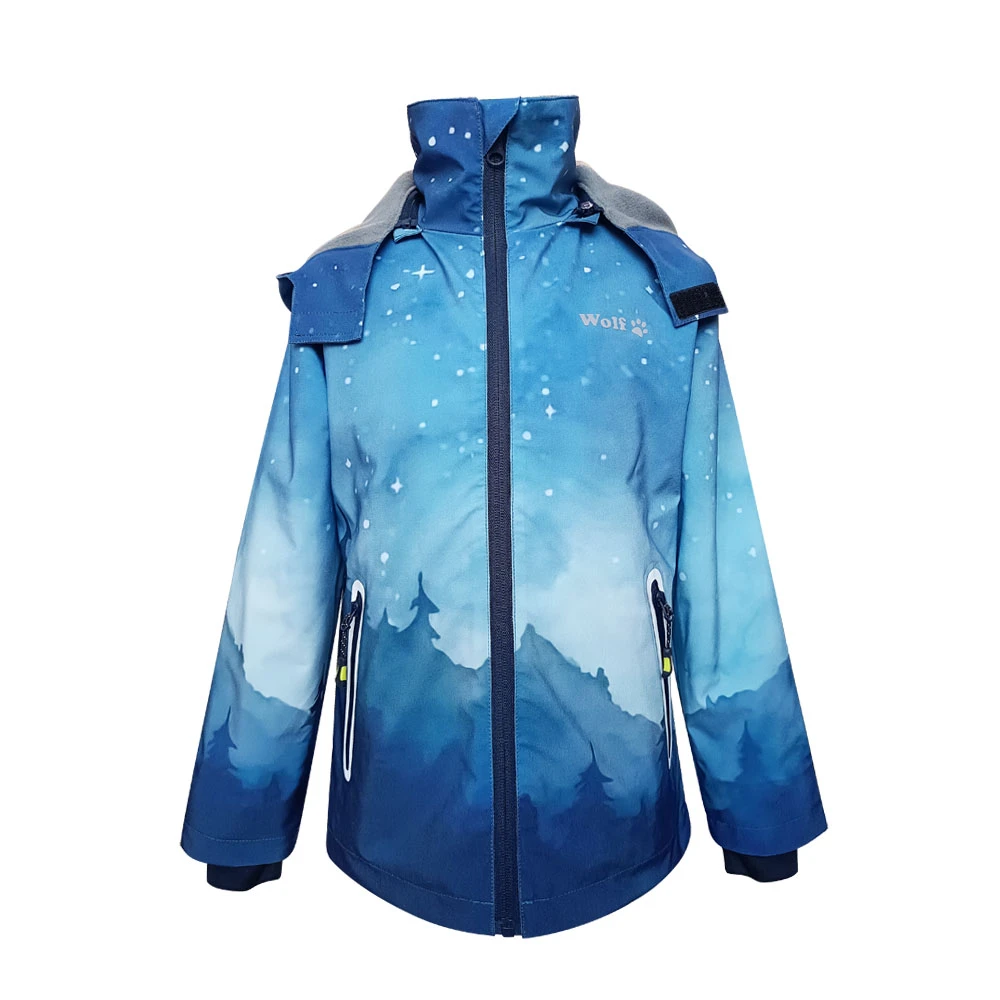
Comprehensive Product Portfolio for the German Market

A curated selection of high-performance garments designed for the European lifestyle.

Frequently Asked Questions - Germany Region

Expert answers to common queries regarding children's apparel manufacturing and compliance.

How do you ensure your kids wear complies with German safety regulations?

We strictly follow the EU General Product Safety Directive and ensure all materials are OEKO-TEX Standard 100 certified, guaranteeing they are free from harmful substances.

What materials are most suitable for camping clothing in the Alpine region?

We recommend a 3-layer softshell system: a moisture-wicking base, a thermal mid-layer, and a PFC-free waterproof breathable outer shell for maximum protection.

Can you customize the durability of children clothes for high-activity use?

Yes, we use reinforced Cordura panels on high-wear areas like knees and elbows to ensure long-term durability for active children.

What are the lead times for a custom kid suit production run?

Depending on fabric availability and design complexity, our standard production cycle ranges from 30 to 60 days after sample approval.

Do you offer sustainable options for kids apparel manufacturing?

Absolutely. We offer GRS-certified recycled polyester and GOTS-certified organic cotton to help brands meet their sustainability goals in Europe.

How do you handle sizing differences for the German children's market?

We use DIN standards for sizing to ensure a precise fit for German children, combined with ergonomic growth-room adjustments in our patterns.

Ready to Elevate Your Apparel Line?

Partner with the leading textile experts specializing in the Germany market to bring your vision to life with precision and sustainability.

Contact Us Now

If you are interested in our products, you can choose to leave your information here, and we will be in touch with you shortly.