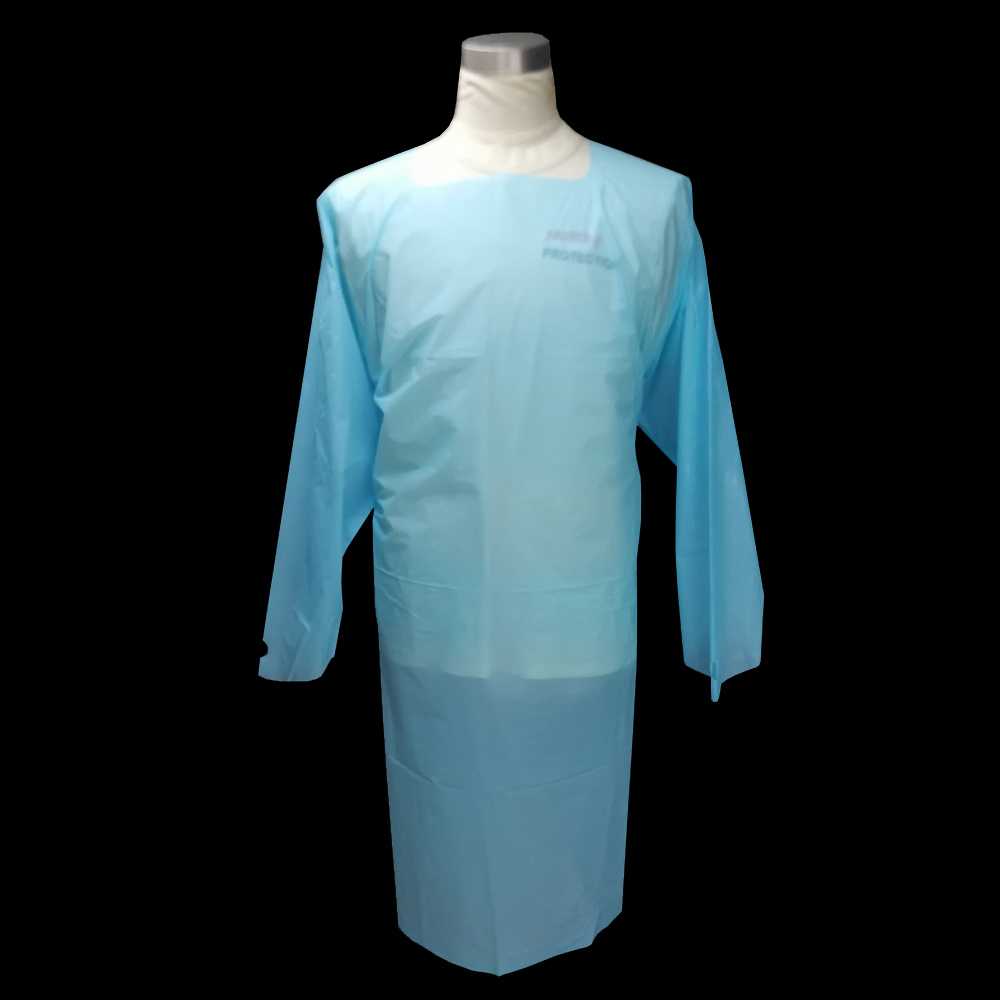
Premium Manufacturing Solutions for camping clothing in Brazil

Integrating advanced textile engineering with Brazilian market demands to deliver high-performance children's outerwear and specialized apparel.

Premium Manufacturing Solutions for camping clothing in Brazil

Specializing in the production of durable, breathable, and weather-resistant apparel designed specifically for the diverse climates of South America.

The State of kids apparel Manufacturing in Brazil

Analyzing the synergy between technical textile innovation and the Brazilian consumer landscape.

Brazil presents a unique manufacturing challenge due to its vast geographical span, ranging from the humid Amazon basin to the cooler highlands of the South. The local industry for children clothes has traditionally relied on cotton-heavy fabrics, but there is a surging demand for functional materials that provide UV protection and moisture management.

Economic fluctuations and import tariffs in Brazil have pushed local brands to seek strategic partnerships with global manufacturers who can provide high-tech fabrics while maintaining cost-efficiency. The focus has shifted towards "smart manufacturing" to reduce waste and increase the agility of supply chains.

Furthermore, the growing trend of family outdoor activities in regions like Serra Gaúcha has created a niche for professional-grade gear. This shift requires a transition from basic garment assembly to complex technical construction, ensuring that children's gear can withstand rugged environments.

Evolution of Brazilian Textile Engineering

From traditional looms to automated precision manufacturing for kids wear.

Market Development History

Between 1990 and 2010, the Brazilian garment sector was dominated by mass-produced basics. The production of kids wear primarily focused on aesthetic appeal and comfort using standard knit fabrics, with limited technical integration.

From 2011 to 2020, the industry saw a "Technical Pivot." Manufacturers began integrating synthetic blends and waterproof membranes, influenced by the global rise of athleisure. This era marked the introduction of seam-sealing technologies and ergonomic patterning for active children.

Since 2021, the focus has shifted toward sustainability and digitalization. Industry 4.0 principles, such as AI-driven pattern optimization and eco-friendly dyeing processes, are now being integrated to meet the strict environmental standards of the modern Brazilian market.

Future Development Trends

Eco-Synthetic Integration

The next 3 years will see a massive shift toward recycled polymers and biodegradable fabrics, reducing the carbon footprint of children's technical clothing.

Adaptive Sizing Technology

Utilizing 3D body scanning to create adaptive patterns that grow with the child, extending the lifecycle of the garment and reducing consumption.

Climate-Responsive Materials

Development of phase-change materials (PCM) that regulate body temperature, essential for the extreme temperature swings found in different Brazilian states.

Industry Trends and Future Outlook

Projecting the trajectory of the Brazilian children's clothing manufacturing sector.

Sustainable Sourcing
Transitioning to GRS certified recycled polyester for all outdoor kids gear.
Digital Twin Design
Reducing sampling waste through virtual prototyping and 3D fitting software.
Hyper-Localization
Developing specific fabric weights for the Nordeste vs. Sul regions of Brazil.
Smart Apparel
Integrating NFC tags for garment care and authenticity tracking.

Industry Outlook

Based on Google search trends in South America, there is a significant increase in queries related to "sustainable children's outdoor gear," indicating a shift in consumer psychology toward longevity over fast fashion. Manufacturers who adopt circular economy models will likely dominate the market.

We expect the integration of specialized functional fabrics to move beyond the luxury segment into the mid-market, making high-performance kid suit options accessible to a wider demographic of Brazilian families.

Localized Application Scenarios in Brazil

Applying technical garment solutions to real-world Brazilian environments.

01. Amazonian Expedition Gear

Development of ultra-lightweight, anti-insect, and quick-dry apparel for children exploring the northern rainforest regions, focusing on high breathability and moisture wicking.

02. Southern Highlands Winter Wear

Creating thermally insulated, water-resistant jackets for the colder climates of Rio Grande do Sul, ensuring warmth without sacrificing the mobility needed for children.

03. Urban São Paulo Active Wear

Designing pollution-resistant and easy-to-clean daily wear for metropolitan kids, blending high-street fashion with technical durability.

04. Coastal Beach & Surf Protection

Producing high-UPF rated swimwear and light outerwear for the coastal regions, protecting sensitive skin from intense tropical UV radiation.

05. Cerrado Camping Adventures

Specialized camping clothing designed for the scrublands, featuring abrasion-resistant fabrics for protection against thorny vegetation.

Brand Story

Global Development Journey of Shijiazhuang Hengtaize Trade Co., Ltd.

Foundational Precision

Established with a mission to bridge the gap between raw textile manufacturing and high-end functional garment design.

Technical Breakthroughs

Pioneered the use of multi-layer softshell membranes for children's outerwear, solving the conflict between waterproofing and breathability.

Global Market Expansion

Successfully entered the South American market by adapting Asian manufacturing efficiency to Brazilian size standards and climate needs.

Commitment to Quality

Implemented a rigorous 5-step quality control system specifically for the durability requirements of active kids' apparel.

Vision for Tomorrow

Striving to become the leading provider of eco-conscious, high-performance children's textiles for the Brazilian continent.

Comprehensive Product Portfolio for the Brazilian Market

A curated range of technical apparel designed for every region of Brazil.

Common Inquiries for Kids Apparel Manufacturing in Brazil

Expert answers to the most frequent technical and commercial questions.

How do you ensure the breathability of children clothes in humid Brazilian climates?

We utilize advanced microporous membranes and moisture-wicking polyester blends that allow water vapor to escape while preventing external liquid penetration.

What certifications are available for sustainable kids wear production?

Our manufacturing processes comply with GRS (Global Recycled Standard) and OEKO-TEX Standard 100 to ensure safety and sustainability.

Can the kid suit designs be customized for Brazilian sizing?

Yes, we provide full OEM/ODM services, adjusting patterns to match the specific anthropometric data of the Brazilian children's market.

What is the lead time for bulk orders of kids apparel to Brazil?

Standard lead times range from 30 to 60 days depending on fabric availability and order volume, including rigorous quality inspections.

Are the materials used in camping clothing safe for sensitive skin?

Absolutely. We use hypoallergenic dyes and PFAS-free DWR (Durable Water Repellent) coatings to ensure safety for all children.

How do you handle logistics and customs for textile imports into Brazil?

We provide comprehensive documentation support and work with experienced freight forwarders to optimize the import process and minimize delays.

Partner With the Experts

Ready to elevate your garment line? Contact our specialist team to discuss high-performance textile manufacturing for Brazil.

Contact Us Now

If you are interested in our products, you can choose to leave your information here, and we will be in touch with you shortly.